From a Greek myth to a modern diagnosis
The word narcissism comes from an old story about Narcissus, a beautiful young man who became so taken with his own reflection that he could not look away. The myth is dramatic, but it gets at something real: a person can become so absorbed in themselves that other people start to matter less and less.
That basic idea still shows up today, although psychology uses it in a more careful way. Narcissism is not just a casual insult for someone who posts too many selfies or likes compliments. It refers to a cluster of traits that psychologists can study, measure, and, in more serious cases, diagnose.
At its core, narcissism means an inflated self-image. Someone high in narcissistic traits may see themselves as more attractive, more talented, or more important than other people. They may also feel they deserve special treatment. That combination can look confident from the outside. Sometimes it is. But it can also hide a fragile way of relating to the world.
Two very different faces of narcissism
Psychologists usually talk about two main forms of narcissism as a personality trait: grandiose and vulnerable. They are not the same, and that difference matters.
Grandiose narcissism is the version most people picture first. It tends to come with extroversion, dominance, and a strong hunger for attention. These people often want the spotlight. They may chase power, admiration, or status, and that can show up in public life, entertainment, politics, or any setting where being noticed pays off.
But wanting power is not automatically narcissistic. Plenty of people aim high for good reasons. They may want to do useful work, grow into their potential, or help others. The difference is motive. A narcissistic person is usually drawn to the status itself, not just the responsibility that comes with it.
Vulnerable narcissism is quieter. These people may seem reserved or even shy, but they still have a strong sense of entitlement. They are often sensitive to criticism and can feel deeply threatened by small slights. So while one type pushes outward, the other tends to pull back while still expecting to be treated as special.
Why narcissism causes trouble in real life
Narcissism usually becomes a problem over time. Not because every narcissistic person behaves in the exact same way, but because the pattern often leads to selfish choices. A leader with strong narcissistic traits may make risky or unethical decisions if those choices protect their image. A partner may lie, cheat, or keep bending the truth to stay admired.
And when the flattering picture they have of themselves gets challenged, things can get ugly fast. Resentment is common. So is anger. Some people become aggressive when they feel criticized, even if the feedback was meant to help.
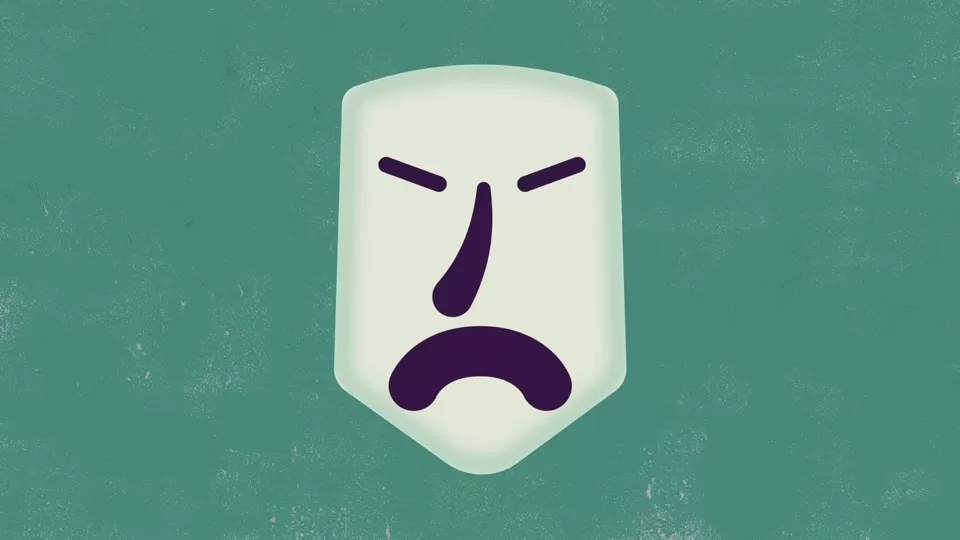
It can feel a bit like being around someone who is fine on the inside while everyone else is taking the hit. That is one reason narcissism is more than simple arrogance. It affects relationships, workplaces, and families in ways that are hard to ignore.
Think of a parent who treats a child like a trophy, or a boss who refuses to listen because every correction feels like an insult. Those are the kinds of everyday situations where narcissistic traits stop being abstract and start causing real damage.
When traits become a disorder
At the extreme end, narcissism can be diagnosed as narcissistic personality disorder. That is a more serious condition, not just a personality quirk. It is estimated to affect about 1 to 2 percent of the population, and it is diagnosed more often in men. It is also a diagnosis for adults, not children.
That last point is important. Children can be self-centered in very ordinary ways. So can teenagers. In many cases, that is just part of growing up, not a sign of a disorder.

The diagnostic picture includes a grandiose sense of self, a need for admiration, problems with empathy, and entitlement. What turns those traits into a disorder is not simply having them. It is when they take over a person’s life and cause serious problems for the person and everyone around them.
For example, instead of caring for a spouse or child, someone might treat them as a source of praise. Or instead of hearing feedback, they may dismiss every attempt at help as wrong. That is when the pattern becomes more than annoying. It becomes destructive.
What shapes narcissism in the first place
There is no single cause. Twin studies suggest that genetics play a strong role, although scientists do not yet know exactly which genes are involved. So yes, some of the tendency may be built in.
Environment matters too. Parenting style can push development in different directions. Children who are constantly put on a pedestal may grow into more grandiose narcissism. On the other hand, cold or controlling parenting may contribute to vulnerable narcissism.
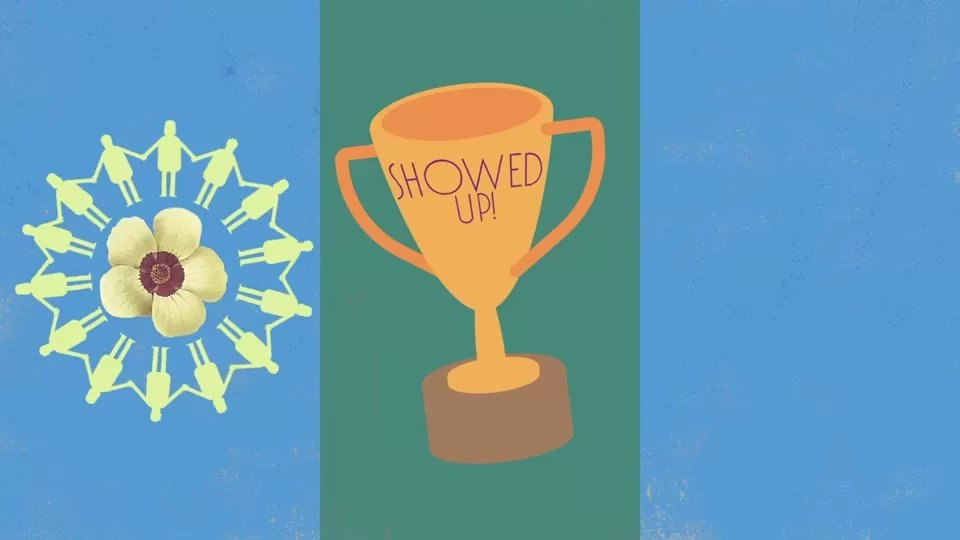
Culture has an effect as well. Narcissism tends to be higher in places that reward individuality and self-promotion. In the United States, for example, it has been rising since the 1970s, a period that saw the self-esteem movement and more materialism gain ground.
Social media fits neatly into that picture. It gives people endless tools for self-presentation. That does not mean it causes narcissism outright. The stronger claim is simpler: it gives narcissistic people more ways to chase attention and social status.
Can narcissistic habits change?
Yes, they can. But it is not easy, especially when someone is deeply invested in seeing themselves a certain way. Real improvement depends on honest self-reflection and a willingness to care more about other people.
Psychotherapy can help. So can deliberately practicing compassion. Both push a person to notice behavior they may normally excuse or deny. That is hard work for anyone, and it can be especially hard for someone with narcissistic personality disorder because looking at oneself from an unflattering angle is exactly what they resist.
Still, the fact that change is possible matters. Narcissism is not just a label for someone who is full of themselves. It is a set of traits with a history, a pattern, and in some cases a serious clinical form. Once you understand that, it becomes easier to see why some people seem confident but leave chaos behind them.