When staying awake stops being a challenge
Most people know the feeling of a bad night’s sleep. Your eyes sting, your thoughts feel slower, and even simple things take more effort. But once sleep loss keeps going, it stops being a comfort problem and starts becoming a body-and-brain problem.
A famous case often comes up in this conversation: Randy Gardner, a 17-year-old high school student, stayed awake for 264 hours in the early 1960s while being monitored by a sleep researcher. He did recover without obvious long-term damage, but it was a rare, isolated case—not proof that long wakefulness is harmless. Most people do not get to the end of sleep deprivation that cleanly.
What sleep loss does to the brain and body
Sleep deprivation hits a lot of systems at once. Learning gets worse. Short-term memory becomes shaky. Reaction time slows down. People can get irritable, suspicious, and clumsy. In serious cases, hallucinations can appear.
That last part is backed by broader research, not just one dramatic story. A systematic review of sleep-loss studies found that hallucinations and psychosis-like symptoms become more likely as wakefulness stretches on, even though people do not all respond the same way.
There are also physical effects. Sleep loss is linked with inflammation, high blood pressure, and higher long-term risk for problems like obesity and diabetes. In other words, the damage is not limited to feeling miserable the next morning. It can spread wider than that.
Common effects of not sleeping enough:
- slower thinking and poor focus
- weaker memory and learning
- low mood or mood swings
- slower reaction time
- poor coordination
- hallucinations in severe cases
The hidden danger: microsleeps
One of the most immediate risks of being too tired is something called microsleep. That means a brief, involuntary sleep episode that can last from a fraction of a second to about 30 seconds. The scary part is that people may not realize it is happening.
During a microsleep, someone can miss a road event, drift in a lane, or make a terrible decision while still believing they are awake. If you have ever zoned out on a long drive, that is the general danger zone. Now imagine that happening when you are already exhausted.
This is why sleep deprivation and driving are such a bad mix. A tired brain is not just slower. It can briefly shut off.
For a broader look at how the body responds when something essential is missing, see what happens if you don’t drink water.
How the body builds sleep pressure
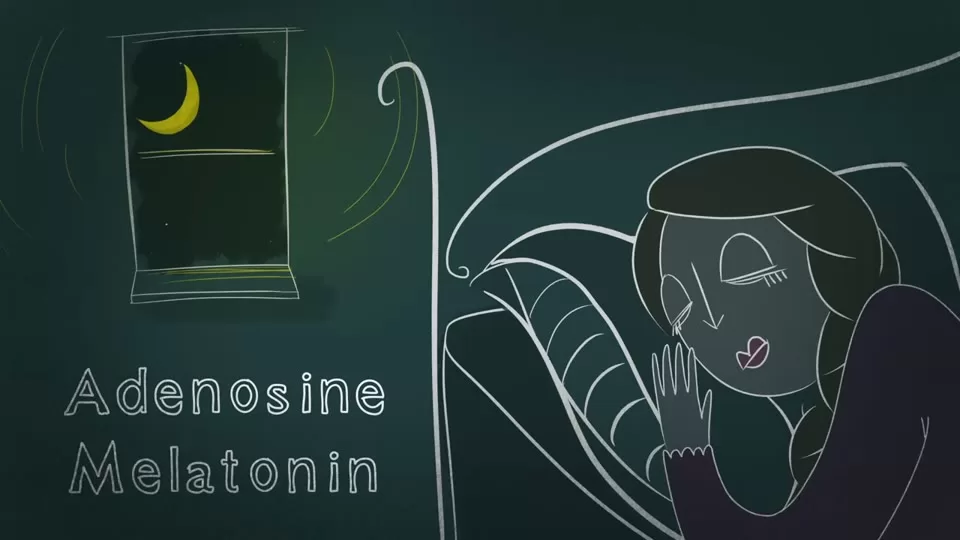
So why do we get sleepy in the first place? Part of the answer is chemical. As the day goes on, the brain builds up adenosine, a byproduct tied to energy use. The more adenosine piles up, the stronger the pressure to sleep becomes. Caffeine works by blocking adenosine’s receptors, which is why it can make you feel more alert for a while.
Melatonin also plays a role. Light and darkness help tell the body when it is time to wind down, and melatonin rises as night approaches. Together, these signals nudge us from alertness toward sleep.

Current guidance is pretty clear: adults generally need 7 or more hours per night, while teenagers between 13 and 18 usually need 8–10 hours per 24 hours. So the old “about ten hours for teens” idea is close, but the range is more precise now.
Short sleep is also common. In 2024, 30.5% of U.S. adults reported averaging fewer than seven hours a day. That does not mean they are all totally sleep-deprived, but it does show how many people are running below the recommended target.
Why sleep seems to repair the body
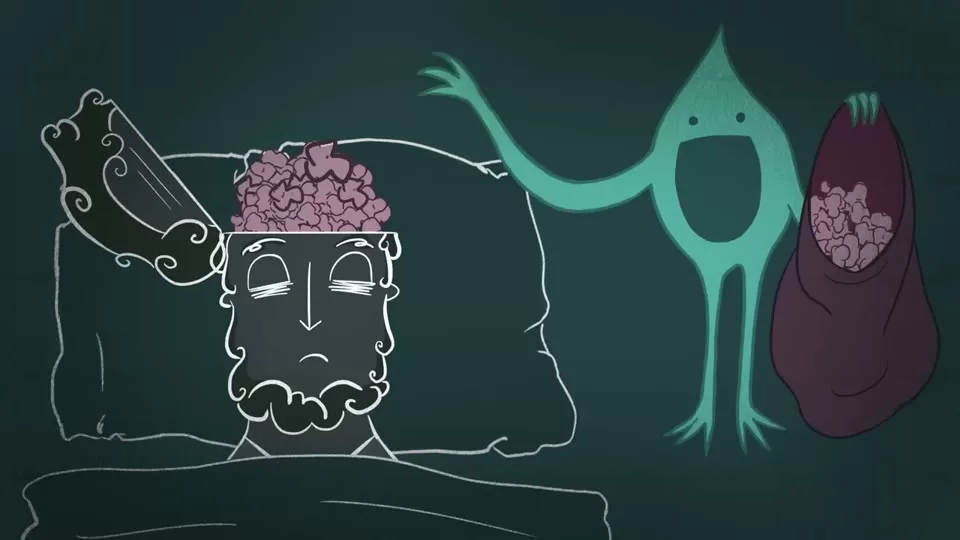
Deep non-REM sleep is when the body does some of its best maintenance work. Breathing slows. Heart rate drops. Muscles relax. This is also when the body appears to repair DNA and replenish itself for the next day.
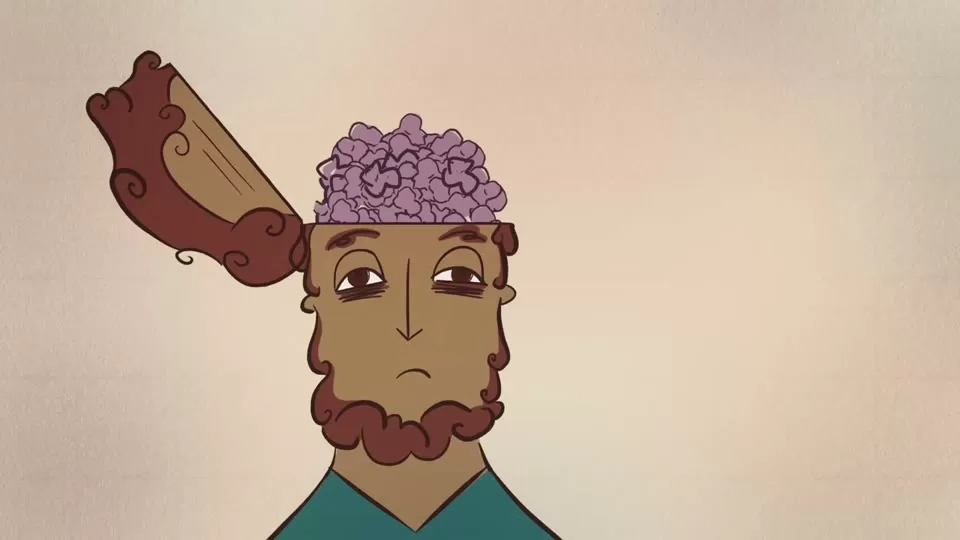
Scientists are still working out every part of the story, but one important idea is the glymphatic system. Think of it as a cleanup network that becomes more active during sleep and helps flush away waste from between brain cells using cerebrospinal fluid. The basic idea is well supported, but the system is still being studied, especially in humans.
That caution matters. Sleep science is not finished. We know sleep is essential, but some of the finer details about exactly how brain cleanup works are still being mapped out.
If you like this kind of body-and-brain explanation, how food shapes the brain is another useful read.
A rare disease that shows what sleep loss can become
There is one condition that sounds almost unreal: fatal familial insomnia. But it is not ordinary insomnia. It is an exceptionally rare prion disease, usually linked to a mutation in the PRNP gene, and it damages the thalamus, a brain region involved in sleep-wake control.
People with this illness do not simply “sleep badly.” Their brains lose the ability to enter normal sleep. Along with the sleep failure, they can develop sweating, blood pressure changes, temperature instability, weight loss, and eventually severe mental decline. It is devastating, and it is fatal.
That extreme example helps make the point. Sleep is not optional maintenance. It is a basic function the brain depends on to keep everything else working.
For another look at a body system that can go dangerously off balance, read how blood pressure works and why it sometimes goes too high.
The simple part that gets ignored
Sleep sounds passive. It is not. When you do not get enough of it, your brain loses focus, your body becomes more stressed, and your judgment gets worse in ways you may not even notice right away. That is what makes sleep deprivation so dangerous. The person affected often feels awake enough to keep going, right up until they are not.
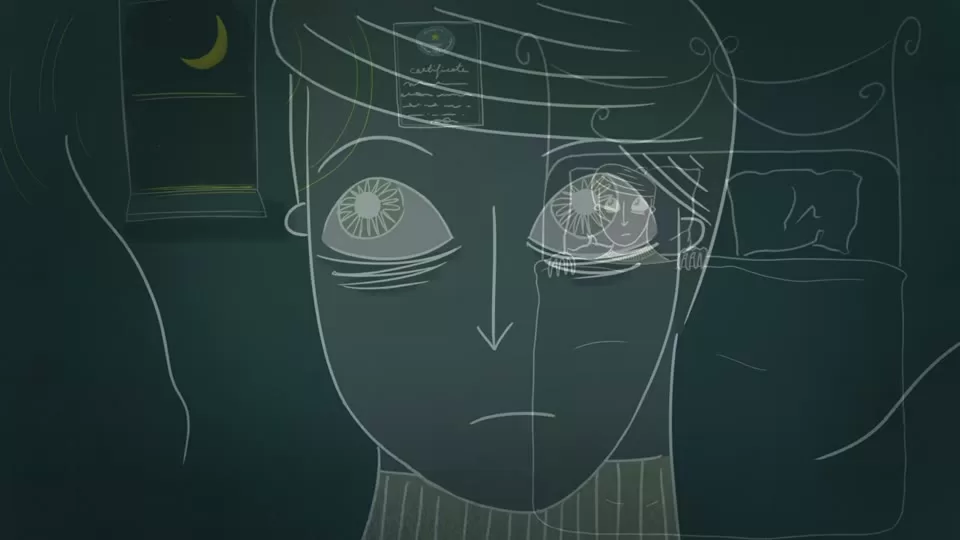
If you only remember one thing, make it this: tiredness is not just discomfort. It can become a safety issue, a health issue, and in severe cases, a medical emergency.