What happens in the brain during music-making
At first glance, a musician may look calm and controlled. The hands move with precision, the eyes follow the score, and the whole performance can seem almost effortless. Under the surface, though, the brain is working very hard.
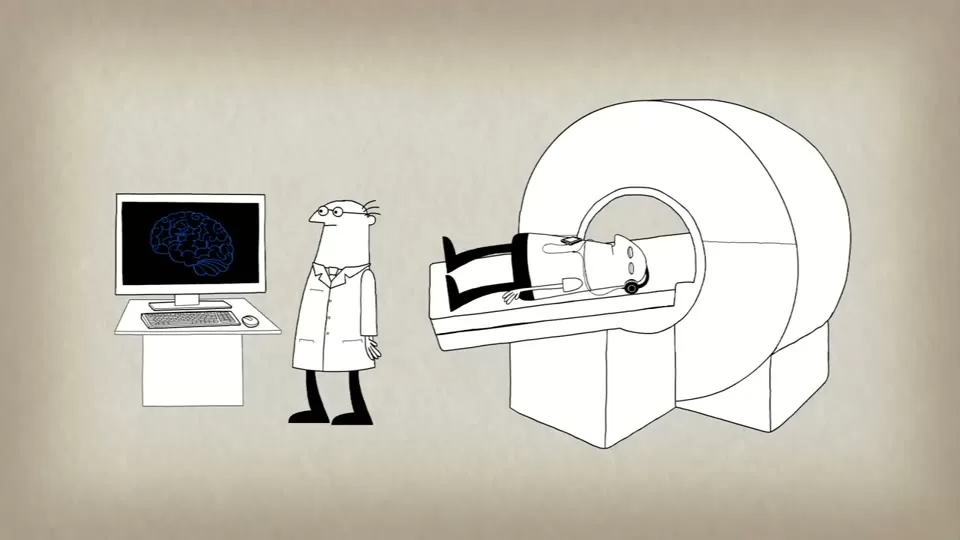
That “fireworks” image often used to describe music and the brain is best understood as a metaphor. Brain scans do not show tiny sparks or a literal burst across every region at once. What they do show is distributed activity: several networks are working together, each handling a different part of the job.
When a person listens to music, the brain has to sort sound, detect rhythm, follow melody, and assemble all of that into something meaningful. That happens fast. Very fast. Before the foot starts tapping, the brain has already done a surprising amount of decoding.
Music is not one mental task. It is many tasks layered together.
Why playing is harder than listening
Listening to music is one thing. Playing it is another. Instrumental practice forces the brain to coordinate sight, movement, hearing, and timing all at once. You read notes, send signals to your fingers, listen for the sound that comes back, and adjust immediately if something feels off.
That tight loop is one reason researchers often point to auditory–motor coupling as a key mechanism behind musical training. In plain terms, the brain learns to connect what it hears with what the body does. Over time, those connections can become stronger and faster.
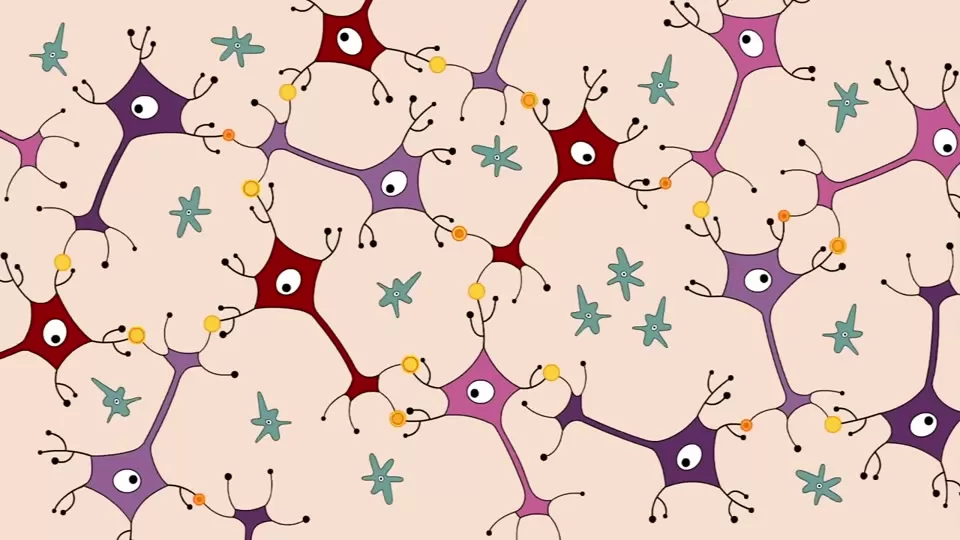
This is also why practice matters so much. A single lesson does not build much. Repeated, structured practice is what gives the brain enough repetition to rewire task-relevant networks.
There is an internal chain reaction here: read, move, hear, correct, repeat. It sounds simple. It is not.
For readers who are interested in other kinds of personal growth that rely on steady repetition, this piece on staying focused on self-development connects well with the same idea of long-term practice.
The brain networks most involved
Music training seems to involve several regions at once, especially the visual, auditory, and motor areas. That makes sense. A player is not just hearing sound. They are translating symbols on a page into exact physical movements and then checking the result through the ears.
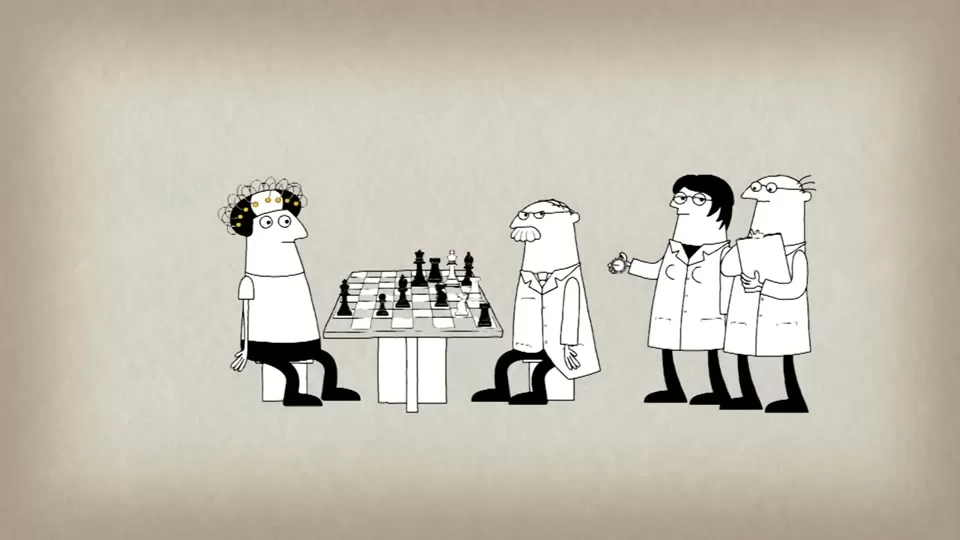
Researchers have also found that some music-related brain changes can be specific to the sounds and movements a person has trained on. In one study, instrumentalists showed stronger responses when listening to music played on their own instrument than when hearing an unfamiliar one. That suggests the brain is building highly tuned associations, not just becoming generally “more active.”
This is a useful correction to an overly simple idea. The brain is not becoming magic. It is becoming specialized.
Another often-discussed finding involves the corpus callosum, the thick bridge connecting the two hemispheres. In children who trained on an instrument over time, one study found differences in a front part of that bridge after nearly 29 months of practice, and weekly practice was linked to both motor-sequencing improvement and callosal change. That supports the idea that training can reshape connections, but it does not mean every musician has a larger corpus callosum.
So the safest way to say it is this: musical training can support communication between brain systems, especially when practice is steady and prolonged.
Memory, planning, and self-control
Playing an instrument is not only about movement and hearing. It also asks a lot from executive function, the set of skills used for planning, attention, strategy, and self-control. A musician has to stay focused, remember what comes next, manage mistakes, and keep the emotional shape of the piece in mind at the same time.
That’s a lot for one task. Yet it is exactly why music can be such a rich form of practice for the brain.
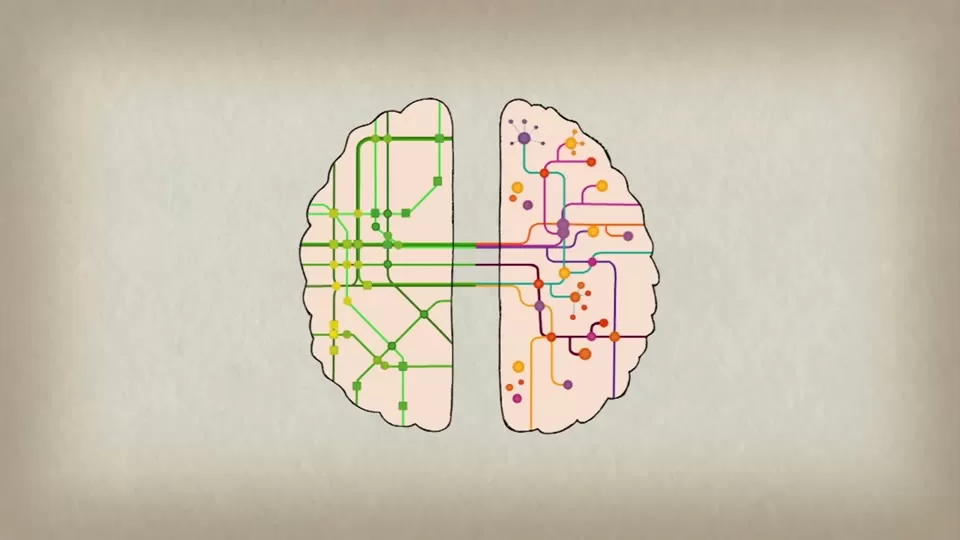
Memory seems to benefit in a special way too. Rather than storing a tune as just one thing, musicians often seem to link it to several cues at once: the sound, the finger pattern, the feeling, the context, even the structure of the piece. Think of it as building multiple paths back to the same memory.
That does not mean music automatically makes someone better at every kind of memory task. But it does suggest that training can make recall faster and more flexible in the right setting.
If you like practical examples of how skill and precision develop over time, the story of the BIC Cristal pen is a neat reminder that simple tools can still demand real design thinking and consistency.
What the research supports, and what it does not
It is tempting to turn all of this into a huge promise: learn an instrument and become smarter in every way. Real research is more careful than that.
Studies do support the idea that musical training can reshape the brain and strengthen certain skills. But the size of the effect depends on a lot of things: age, how long someone practices, how intense the practice is, how good the comparison group is, and what kind of skill is being measured.
For children, the broader payoff outside music itself is mixed. A 2017 meta-analysis found only a small overall effect on cognitive and academic outcomes, and some better-controlled preschool trials did not find clear advantages over visual arts or no instruction. In other words, music lessons are valuable, but they are not a guaranteed shortcut to general academic success.
The more solid evidence seems to be for narrower skills. A 2022 review of child studies found the most consistent possible benefit in inhibitory control, which is the ability to resist impulses and stay on task. Findings for working memory and cognitive flexibility were smaller and less consistent.
Older adults also show promise in some areas. A 2024 meta-analysis of healthy adults over 60 found benefits for fluid intelligence and certain executive-function measures, though not for every type of memory or attention.
That pattern is probably the most honest summary: musical practice can support targeted thinking skills, but it should not be oversold as a universal brain booster.
A better way to think about musical training
The simplest way to describe instrument practice is this: it is a demanding, multisensory form of learning that asks the brain to build new connections between hearing, movement, timing, and attention.
If you want a quick mental checklist, it looks like this:
- See the notation or pattern.
- Plan the movement.
- Move with precision.
- Listen to the result.
- Adjust and try again.
That cycle is why music training is so interesting to neuroscientists. It is structured, repeatable, and rich in feedback. It gives the brain a chance to practice coordination in a very demanding environment.
And that may be the most useful takeaway. Playing an instrument is not just a hobby that sounds nice. It is a serious kind of mental exercise, one that can reshape the networks used for timing, listening, control, and memory. The effects are real, but they are also specific. Music training is powerful because it is precise, not because it magically improves everything.
For readers curious about how specialized tools change the way people work, this overview of dental handpieces and repair services offers another example of skill, feedback, and finely tuned performance.