
Why a normal scalp can still flake
Dandruff can feel random. One person gets it for years, another never seems to think about it at all. The basic reason is that the scalp is home to a very common yeast called Malassezia, and for some people that yeast tips the balance toward itching and flakes.
That does not mean dandruff is just “too much yeast” or a simple infection. Malassezia is common on healthy scalps, too. The difference seems to come from a mix of things: how your skin barrier behaves, how your body reacts to the yeast, and even the kind of oil, or sebum, your scalp makes. If you want a bigger-picture comparison, it helps to think of dandruff as the milder, scalp-limited end of the seborrheic dermatitis spectrum. When redness, greasy yellow scale, or flaking shows up on the face, ears, beard, or chest, that can suggest a broader skin issue rather than ordinary dandruff.
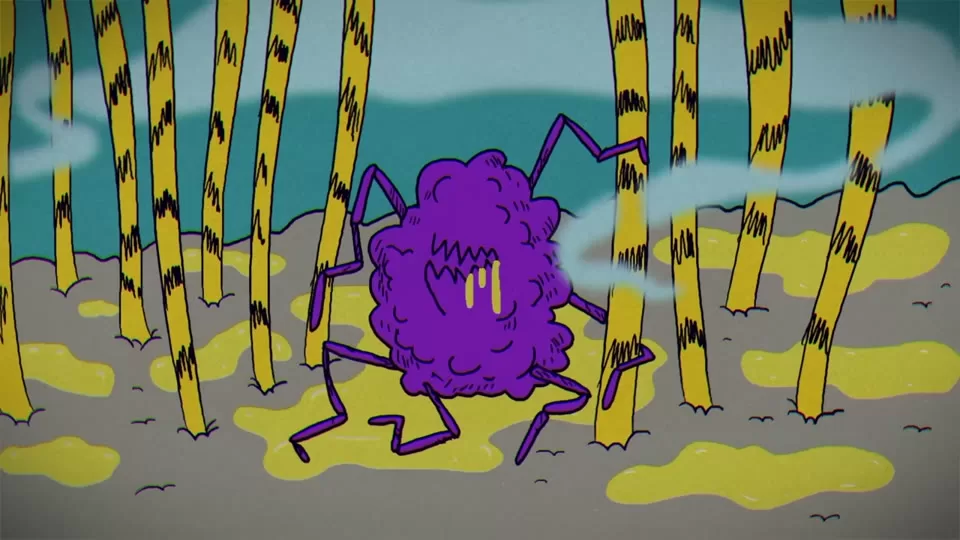
So the real question is not “Why does yeast exist?” It is more like, “Why does this scalp react to it?” That is where the trouble begins.
For a quick visual comparison of scalp symptoms, the pattern is often easier to notice than the cause itself.
How Malassezia, scalp oil, and flakes work together
Malassezia lives in hair follicles, those tiny pockets where hairs grow. Follicles are especially appealing because they contain glands that produce sebum, the oily substance that helps lubricate and protect hair. The scalp has a lot of these glands, which is one reason it can be such a comfortable place for the yeast.
Here is the basic chain reaction. The yeast feeds on scalp oils and skin components. In the process, it leaves behind fatty by-products that can irritate the skin barrier. Once that barrier is disturbed, the body reacts defensively. Inflammation follows, and inflammation is what often makes dandruff itchy.
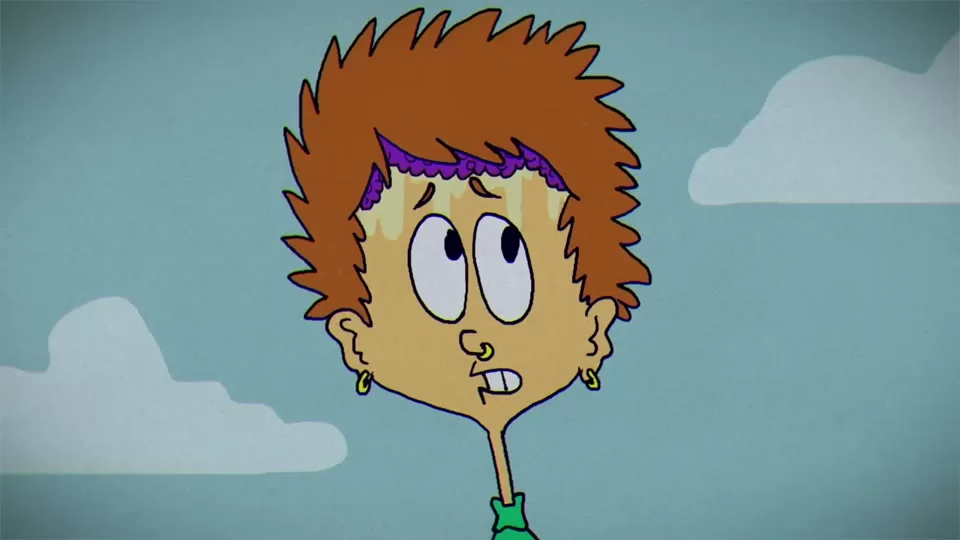
Then the skin speeds up cell turnover to repair the surface. Normally, the outer layer of skin renews itself in a slow, orderly way over about two to three weeks, and the dead cells shed so gradually that you never notice them. With dandruff, the repair process gets rushed. Skin cells do not mature properly, so they stick together in larger, greasy clumps around the follicle. Those clumps are the visible flakes people see on dark shirts, jackets, and pillows.
In other words, flakes are not just dry skin falling off. They are the result of a stressed scalp trying to recover too quickly.
What treatments work best, and what they really do
The most reliable treatment is usually a medicated shampoo used directly on the scalp. Evidence is strongest for topical antifungals such as ketoconazole and ciclopirox, which help reduce Malassezia and its effects. A Cochrane review of 51 studies involving 9,052 participants found ketoconazole more effective than placebo at four weeks, although long-term data are limited and some evidence was graded as low quality.
One thing is worth keeping straight: these shampoos usually control the yeast rather than wiping it out forever. That is one reason dandruff often returns when treatment stops. The goal is management, not a permanent cure.
There are also non-antifungal over-the-counter options in the U.S. The FDA monograph includes pyrithione zinc, salicylic acid, selenium sulfide, sulfur, and coal tar in products for dandruff-related conditions. These ingredients do different jobs. For example, salicylic acid mostly helps loosen scale, while antifungal ingredients target microbial activity.
For people comparing scalp products, this is a useful rule: not every medicated shampoo works the same way, and the best choice depends on whether the main issue is scale, yeast activity, itch, or all three.
Using medicated shampoo the right way
Technique matters more than most people think. Medicated shampoo should go on the scalp, not just the hair. That sounds obvious, but it is easy to coat the strands and miss the skin underneath, which is where the problem starts.
Some products need to stay on for five to ten minutes before rinsing. That wait gives the active ingredient time to do its job. During a flare, dermatologists often recommend more frequent use. After things improve, weekly maintenance is common, though the exact schedule should be adjusted for hair type and tolerance.

This part matters especially for curly, coily, or coarse hair. Those hair types can dry out more easily, so applying the shampoo mainly to the scalp is usually a better fit than scrubbing the full length of the hair every time. Frequency may also be lower than what works for someone with straight or oily hair.
A simple routine can help:
- Massage the shampoo into the scalp, not the ends.
- Leave it on for the recommended time.
- Rinse well.
- Repeat often enough to control the flare, then move to maintenance once things settle.
Why dandruff comes and goes
Dandruff is often not a constant condition. It can wax and wane as sebum production changes over time, which is why some people notice worse flakes during certain life stages or hormonal shifts. More scalp oil can mean more food for Malassezia, and more food can mean more irritation for a susceptible scalp.
That also helps explain why two people can have the same yeast on their skin but very different experiences. One scalp may tolerate it just fine. Another may react with barrier damage, inflammation, and a fast turnover of skin cells. Researchers are still looking at whether people with dandruff lose more water through the scalp, whether their skin barrier is more permeable, and whether genetics play a role.

The condition is irritating, and it can definitely be embarrassing. Still, it is usually not dangerous, and it is not contagious. That said, persistent or unusual flaking should not be brushed off forever. Psoriasis, eczema, contact dermatitis, and even fungal scalp infections can look a lot like dandruff. If the symptoms are severe or do not improve with regular dandruff shampoo use, medical evaluation is the smarter move.
The science is still filling in the gaps
Even though dandruff is familiar, it is not completely solved. Scientists are looking at how Malassezia talks to the immune system through oily molecules called oxylipins, which can influence inflammation. That line of research matters because it could lead to treatments that calm the inflammatory side of the problem instead of only trimming the yeast population.
There is also an interesting angle to the relationship itself. Malassezia may not be purely a pest. It seems to defend its little patch of skin against some other microbes, including Staphylococcus aureus. So the balance on the scalp may be more complicated than “good” versus “bad.”
That is probably why dandruff remains such a stubborn little mystery. It is common, familiar, and usually manageable, but the exact reasons one person gets it and another does not are still being worked out.
If you are trying to understand scalp problems more broadly, you may also find how indoor air quality affects your health and focus useful, since dry indoor environments can sometimes make skin and scalp irritation feel worse.