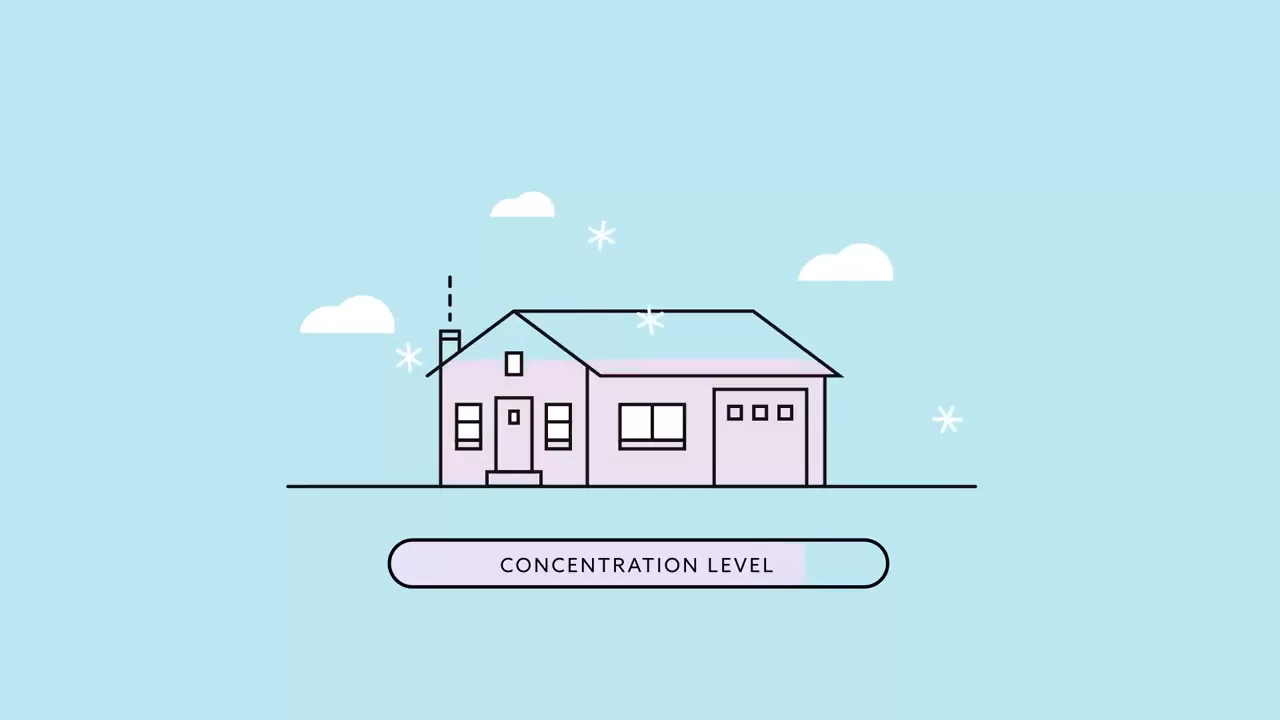
We spend roughly 90% of our time indoors — at home, in classrooms, or in offices. Yet most of us rarely think about the air we breathe in those enclosed spaces. We track steps, monitor sleep, obsess over nutrition, but the quality of the air filling our lungs every second goes largely unnoticed.
It shouldn’t. The scientific evidence is clear: indoor air quality (IAQ) directly influences not just our physical health, but also how well we think, learn, and concentrate.

What Exactly Is Indoor Air Quality?
Indoor air quality refers to the condition of the air inside buildings — homes, schools, offices — and how it affects the people occupying those spaces. Good IAQ means the air is free of harmful pollutants, properly ventilated, and maintained at healthy temperature and humidity levels.
Poor IAQ, on the other hand, means elevated levels of contaminants such as:
- Particulate matter (PM2.5 and PM10) — microscopic dust, pollen, mold spores, and combustion particles
- Volatile organic compounds (VOCs) — chemicals emitted by paints, furniture, cleaning products, and air fresheners
- Carbon dioxide (CO₂) — exhaled breath that builds up in poorly ventilated rooms
- Carbon monoxide (CO) — a dangerous gas from faulty heating equipment
- Biological pollutants — mold, bacteria, viruses, pet dander, dust mites
- Radon — a naturally occurring radioactive gas that can seep into basements

The mix of these pollutants determines whether the air you’re breathing right now is helping you or hurting you.
How Poor Air Quality Affects Physical Health
The most immediate and visible effects of poor indoor air quality are physical. Short-term exposure can trigger symptoms that many people dismiss as seasonal allergies or a “coming down with something” feeling:
- Headaches and dizziness
- Eye, nose, and throat irritation
- Fatigue and lethargy
- Coughing and sneezing
- Worsening asthma symptoms
Long-term exposure is more serious. The World Health Organization estimates that household air pollution is linked to millions of premature deaths annually worldwide. Chronic exposure to poor IAQ has been associated with:
- Respiratory diseases — including asthma development, chronic bronchitis, and reduced lung function
- Cardiovascular problems — fine particulate matter enters the bloodstream and contributes to heart disease
- Weakened immune response — constant exposure to pollutants taxes the body’s defense systems
- Allergic sensitization — prolonged contact with indoor allergens increases sensitivity over time
Children, elderly individuals, and people with pre-existing respiratory conditions are the most vulnerable. A child growing up in a home with mold and poor ventilation may develop asthma that stays with them for life.
The Hidden Cost: How Air Quality Impairs Focus and Learning
This is where the story gets really interesting — and where the connection to education becomes critical.
Recent research has demonstrated that indoor air quality directly affects cognitive performance. A landmark 2015 Harvard study published in Environmental Health Perspectives found that participants working in well-ventilated spaces with lower pollutant levels scored significantly higher on cognitive tests than those in conventional office environments. The study tested nine cognitive domains including crisis response, information usage, and strategy — all essential for learning and decision-making.
The key findings were striking:
- Cognitive scores were 61% higher in buildings with enhanced ventilation and lower pollutant levels
- Response times were faster in cleaner air conditions
- Strategic thinking and information processing were the most affected functions
Another study by the University of Colorado found that even modest increases in indoor CO₂ levels — which happen naturally when rooms are occupied for extended periods without fresh air — led to measurable declines in decision-making performance. At CO₂ levels around 1,000 ppm (common in crowded classrooms and meeting rooms), participants showed reduced ability to concentrate and process information.

For students, this is a serious concern. A typical classroom starts the day with reasonable CO₂ levels. By mid-afternoon, with 25 to 30 students breathing in a sealed room, levels can climb well above 1,500 ppm. The result? Students become drowsy, lose focus, and retain less information — not because they aren’t trying, but because their brains are literally starved of clean air.
In a 2019 study published in Building and Environment, researchers found that math test scores were significantly lower in classrooms with inadequate ventilation. Every additional liter per second per person of ventilation was associated with a 1.5% improvement in test performance. That may sound small, but across an entire school year, the cumulative effect on learning is substantial.
The School and Workplace Connection
This research has real implications for how we design and manage educational and professional spaces.
In many older school buildings, ventilation systems were designed decades ago and are no longer adequate for modern occupancy levels. Add in the fact that energy efficiency efforts often seal buildings tighter than ever, and you have a recipe for stagnant, polluted indoor air.

The same applies to offices. Open-plan layouts, while popular for collaboration, can actually worsen IAQ issues because pollutants and CO₂ spread rapidly across large, shared spaces. Workers in poorly ventilated offices report higher rates of “sick building syndrome” — a condition characterized by headaches, eye irritation, and fatigue that improves when leaving the building.
Practical Steps to Improve Indoor Air Quality
The good news is that improving IAQ doesn’t require a complete renovation. Here are practical steps anyone can take:
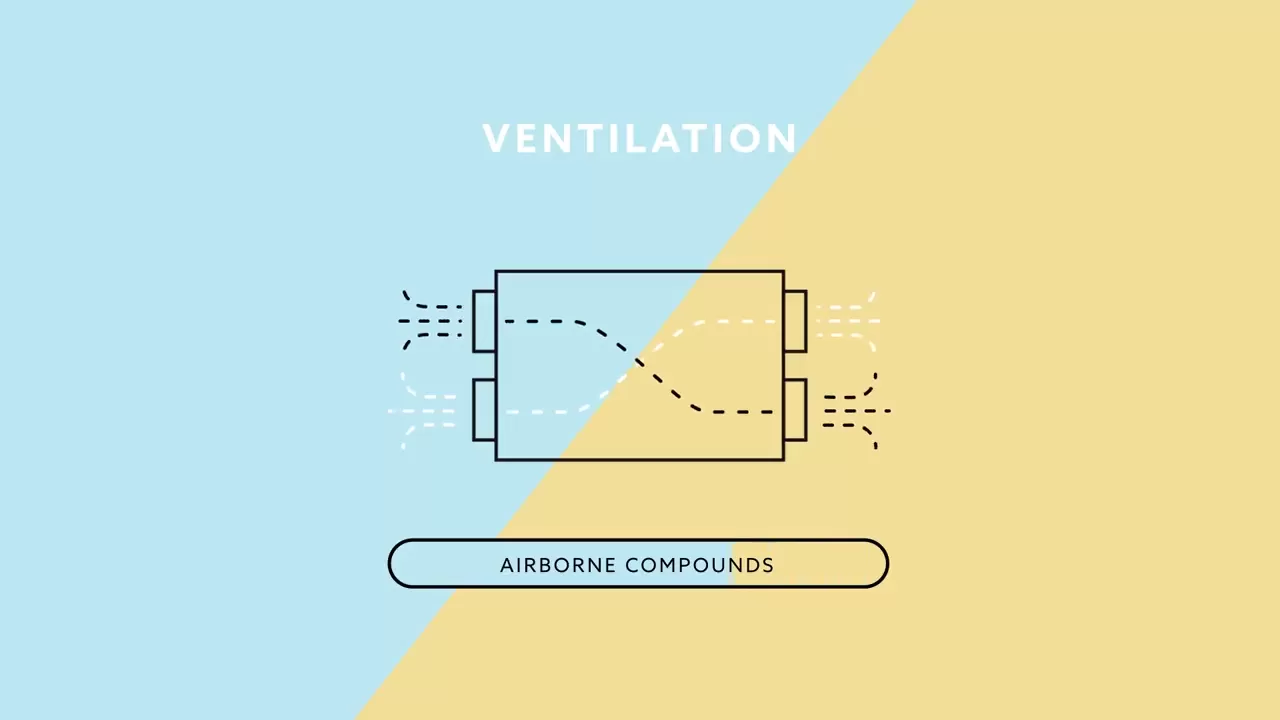
1. Ventilate regularly Open windows whenever weather permits. Even 15 to 20 minutes of cross-ventilation in the morning can flush out accumulated CO₂ and pollutants. In classrooms and meeting rooms, schedule short breaks with open windows between sessions.
2. Use exhaust fans Kitchen and bathroom exhaust fans remove moisture, odors, and combustion byproducts at the source. Use them consistently.
3. Maintain HVAC systems Heating and cooling systems are the lungs of a building. Filters should be changed every one to three months. Ductwork should be inspected and cleaned periodically. A well-maintained system doesn’t just control temperature — it actively removes pollutants from indoor air.
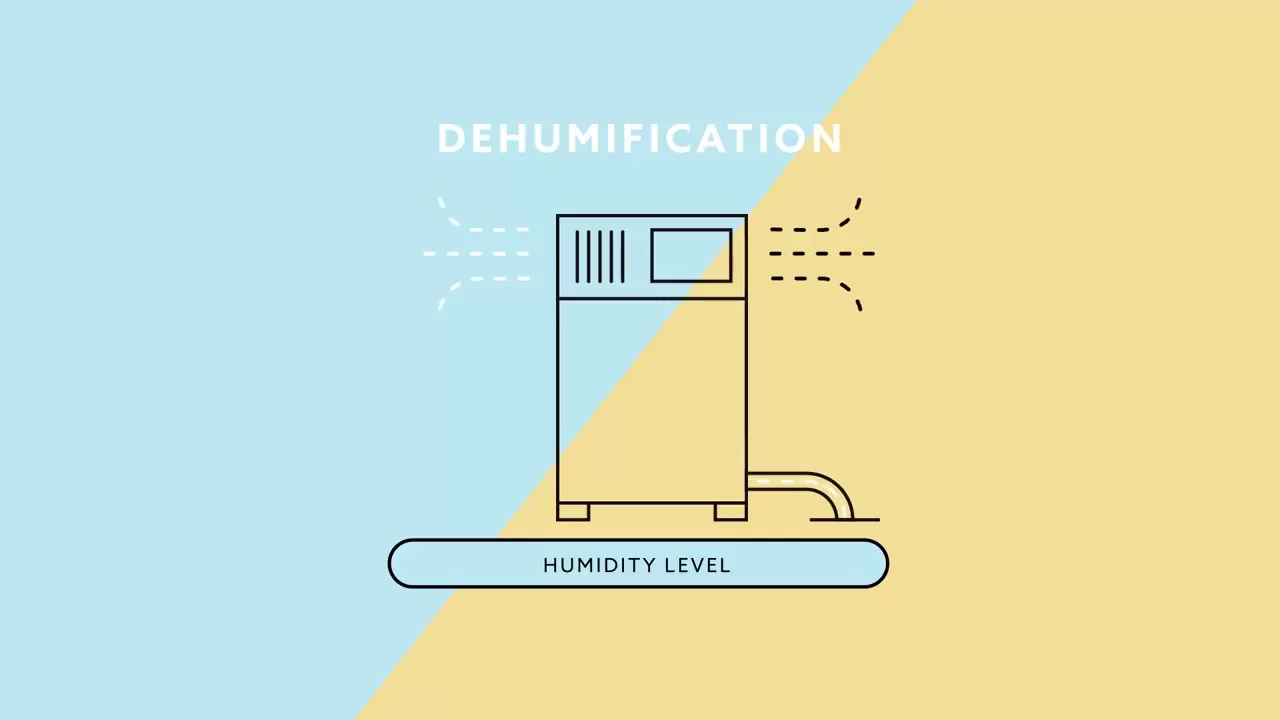
4. Control humidity Keep indoor humidity between 30% and 50%. High humidity encourages mold growth and dust mite proliferation. Low humidity dries out mucous membranes, making you more susceptible to infections.
5. Choose low-VOC products Paints, adhesives, furniture, and cleaning products all emit VOCs. Look for low-VOC or zero-VOC alternatives. Let new furniture “off-gas” in a well-ventilated area before bringing it indoors.
6. Invest in air purifiers High-quality air purifiers with HEPA filters can remove particulate matter, pollen, and mold spores from indoor air. They are especially helpful in bedrooms and home offices.
7. Add indoor plants Certain plants — spider plants, snake plants, peace lilies — can help absorb some VOCs and improve indoor air naturally. While they are not a substitute for proper ventilation, they make a meaningful contribution.
8. Monitor your air Small, affordable air quality monitors can track CO₂, PM2.5, temperature, and humidity in real time. Seeing the data helps you make informed decisions about when to open windows or turn on fans.
When to Call a Professional
While many IAQ improvements are DIY-friendly, some situations require expert intervention. If you notice persistent musty odors, visible mold growth, condensation on windows, or unexplained health symptoms that improve when you leave the building, it may be time to have your HVAC system and ductwork professionally inspected.
For homeowners and facility managers who need to assess their cooling, heating, and ventilation systems, connecting with qualified professionals ensures the job is done right. Services like ACHELPLINE help match users with licensed HVAC specialists who can evaluate ductwork, recommend system upgrades, and address underlying air quality issues at the source.
Final Thoughts
Indoor air quality is one of the most overlooked factors in our health and daily performance. We invest in gym memberships, healthy food, and quality sleep — yet the air we breathe indoors receives almost none of that attention.
The science is unambiguous: cleaner air means healthier bodies and sharper minds. For students struggling to focus in stuffy classrooms, for professionals battling afternoon brain fog in sealed offices, and for families wondering why everyone seems tired and congested at home, improving indoor air quality is one of the most impactful changes you can make.
Breathe better. Think better. Live better. It all starts with the air around you.