A prank that went very wrong
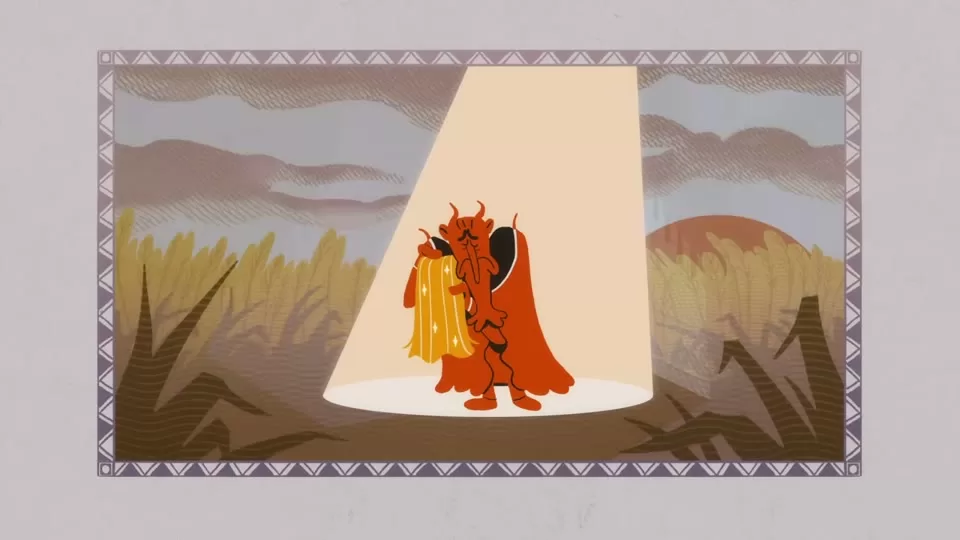
The story starts with a bad idea and gets worse from there. Loki, the Norse troublemaker, cut off Sif’s hair while the gods slept, and Thor was ready to crush him for it. That meant Loki needed a fix fast, and not just any fix. He had to replace something beautiful, precious, and impossible to really replace.
So he went to the dwarves, the legendary smiths of Norse myth. In these stories, dwarves are the people who can make almost anything out of metal, gold, or stone. Loki knew that if anyone could make a worthy replacement for Sif’s hair, it would be them. Of course, he also knew how to stir up trouble on the way.
The original tale survives in Skáldskaparmál, part of Snorri Sturluson’s Prose Edda, a medieval Icelandic text that preserves much of what we know about these myths. It is one of the main reasons the hammer’s origin story still exists at all.
Loki turns the repair into a contest
Loki did not simply ask for a favor. That would have been far too simple. Instead, he played one dwarven family against another. He told the sons of Ivaldi that Brokk and Eitri had challenged them to a contest, then told Brokk and Eitri the same thing, only with the names switched. The wager was easy to understand: each side had to make three gifts for the gods.
The trick worked, but not for long. Brokk and Eitri were suspicious and demanded a price if they were going to take part. Loki, thinking he could still wriggle out of danger, put his own head on the line. That is the kind of bargain that sounds clever for about five seconds. After that, it becomes a problem.
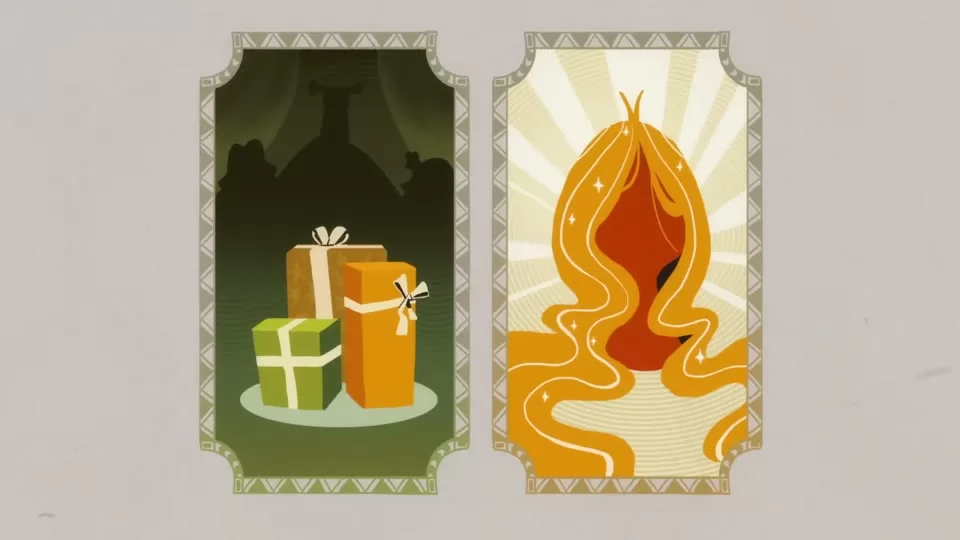
The episode matters because it is not just about one hammer. The whole contest produces several divine treasures at once, and Mjölnir is judged alongside them. In the same set of gifts are Odin’s ring Draupnir, Odin’s spear Gungnir, Freyr’s golden boar, Sif’s golden hair, and Freyr’s ship Skíðblaðnir. The hammer has to stand beside all of that and still come out on top.
If you enjoy strange old objects with a story attached, this part of Norse myth has a similar charm to the tale of the Anglo-Saxon helmet found after being mistaken for junk. Different world, same feeling: something ordinary on the surface can turn out to be extraordinary once its history is known.
The forge, the fly, and the split-second mistake
Brokk and Eitri got to work in the forge. Eitri told Brokk to keep the bellows going no matter what happened. That detail is important. Bellows feed air into the fire, which keeps the heat strong enough for a proper forge. If the airflow stops, the metal can come out wrong.
Then a fly appeared. Not a normal one, either. It stung Brokk while the first item was being made, then bit him again as the second treasure took shape. Brokk stayed steady both times. But when the final object was being forged, the fly bit him on the eyelid. He flinched for just a moment. That tiny interruption ruined the timing.
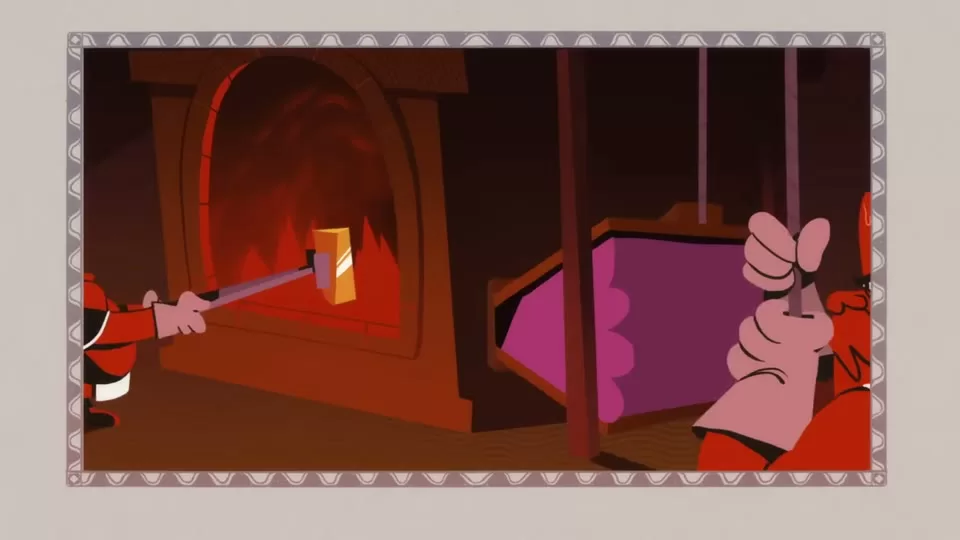
In mythic craft stories, timing is everything. A treasure can be nearly perfect and still carry a flaw. Here, the flaw is especially interesting because it explains why Mjölnir looks the way it does. In the medieval text, the hammer is described as small enough to carry inside a shirt, with a short handle that is clearly its defect. That short handle is not just a design quirk. It is part of the story of how it came into being.
Why Mjölnir won anyway
When the gifts were brought before the gods, Loki first presented the treasures made by the sons of Ivaldi. Sif’s hair was restored, and the tale says it continued to grow after being placed on her head. Odin received a spear, and Freyr received a ship that could unfold into a mighty vessel.
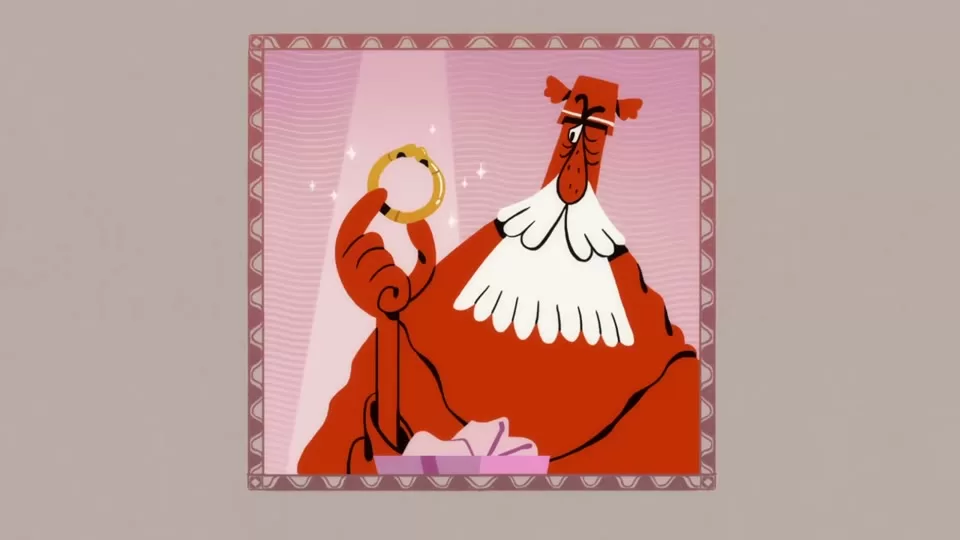
Then Brokk presented his brother’s work. Freyr got a golden-bristled boar that could pull a chariot faster than any ordinary animal. Odin received a ring that made eight identical rings every ninth night. And Thor received Mjölnir.
At first, Loki tried to laugh at the hammer’s short handle. That part is easy to understand. It looks like a flaw. But Brokk answered with the hammer’s real powers: it would never shatter, never miss its target, and always return to Thor’s hand when thrown. That changes everything. A weapon that always comes back is not just useful in battle. It is hard to steal, hard to lose, and hard to defeat.
The old text also says that Mjölnir could strike as hard as Thor wanted, making it a weapon with controlled force rather than wild destruction. That detail matters because it makes the hammer feel less like a simple club and more like a tool of divine judgment. It is brutal, yes, but it is also precise.
| Treasure | Who received it | What it did |
|---|---|---|
| Sif’s golden hair | Sif | Restored her beauty and kept growing |
| Gungnir | Odin | A spear meant to pierce through anything |
| Skíðblaðnir | Freyr | A ship that could be folded up small |
| Golden boar | Freyr | Could pull Freyr’s chariot swiftly |
| Draupnir | Odin | Made eight matching rings every ninth night |
| Mjölnir | Thor | Never shattered, never missed, and always returned |
Loki’s escape, and the punishment that followed
Once the judges decided Mjölnir was the finest gift, Loki knew he was in trouble. He tried to run. Thor caught him first, but Loki still found a way to twist the wording of the bet. The dwarves had won his head, he argued, not his neck. So they could not cut it off.
That is the kind of loophole Loki specializes in. It almost works. Almost. The dwarves did not get to take his head, but they did sew his mouth shut after piercing his lips with an awl. It is a memorable punishment, and not a subtle one. Loki’s gift for lying had helped produce some of the greatest treasures in the gods’ possession, yet it also left him literally unable to keep talking for a while.
The story has a strange moral edge to it. Trickery creates damage, but it also produces valuable things. The gods gain a repaired honor, dazzling treasures, and Thor’s famous hammer. Loki loses the argument, but his own mischief ends up shaping the mythic world in a lasting way.
That last point is part of why Thor’s hammer became so recognizable. It was not just a weapon in a story. It was also a symbol people carried in the real world. Archaeologists have found many hammer-shaped amulets from the Viking Age, especially in the late tenth and eleventh centuries, when they appear alongside Christian crosses. That overlap suggests that Mjölnir was not only a mythic object but a visible sign of identity and faith.
It is worth keeping one caution in mind, though. The tale was written down in medieval Iceland, long after the older pagan traditions it describes. It preserves ancient material, but not as a perfect recording. Norse religion was also not one single uniform system; beliefs and practices varied from place to place. Still, this version of the hammer’s origin has shaped how people imagine Thor even now.