A piece of paper that could save your life
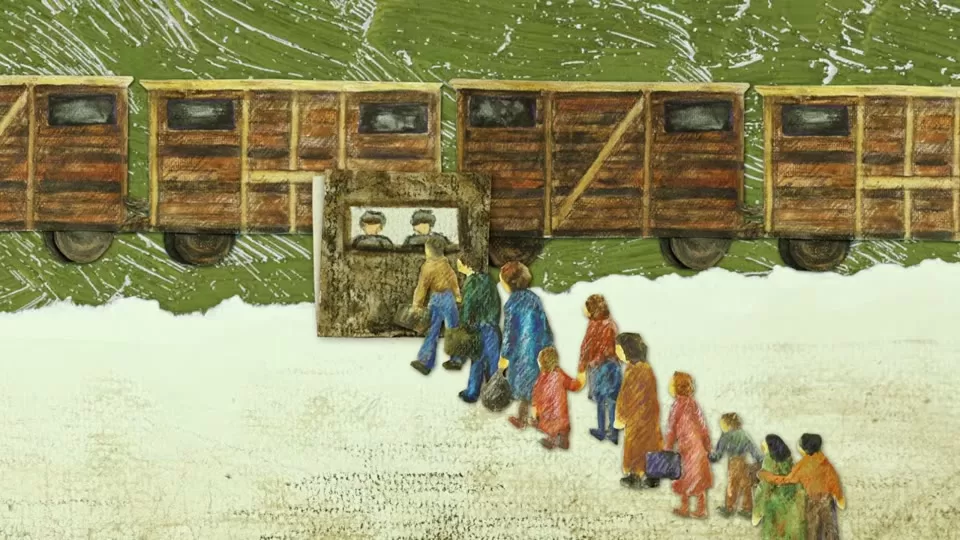
In 1941, Nazi-occupied Europe turned ordinary paperwork into a matter of survival. Some Jewish people were held in detention camps because foreign passport holders could sometimes be traded for Germans imprisoned abroad. That grim loophole created a desperate opening.
A Polish diplomat in Switzerland, Aleksander Ładoś, used it. He and a wider network produced forged Latin American passports and got them to Polish Jews. The exact number of people helped is still discussed, but the point is clear: a small booklet could become a shield, even if only temporarily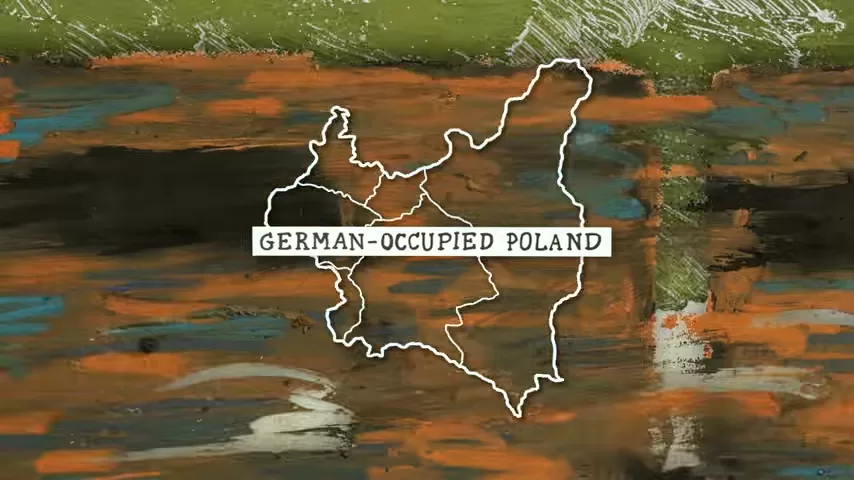
If you want another example of how documents can shape a person’s fate, the ultimate guide to bringing your fiancé(e) to the U.S. shows how paperwork still matters a great deal in cross-border life today. The difference is that modern forms are legal and far more standardized. Back then, a forged document could be the only thing standing between life and death.
Passports are newer than they feel
It’s easy to assume passports have always existed. They haven’t. People moved across lands for centuries with far less paperwork than we’d expect now.
Long before modern border control, there were travel protections of different kinds. In ancient Egypt, travelers could carry letters of safe conduct from rulers. In Han China and Tudor England, foreigners might be issued travel passes. In the 19th century, some poorer migrants heading to the United States needed health certificates instead of anything like a modern passport.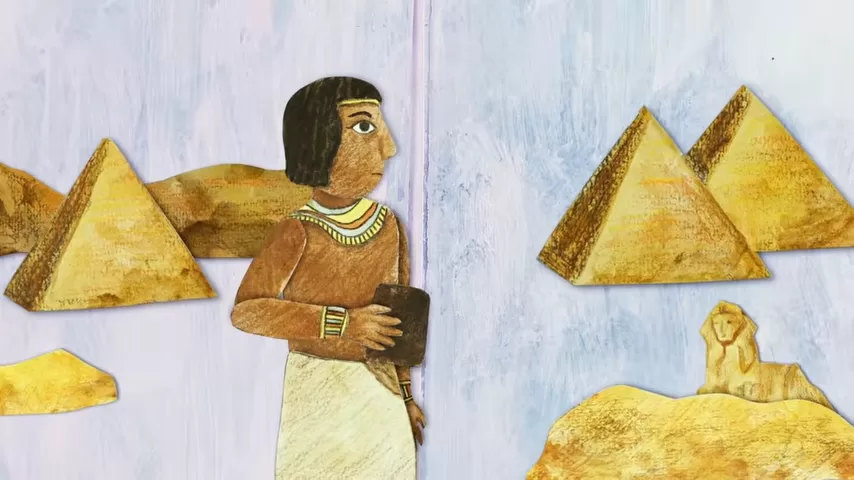 Those documents did not work exactly like today’s passport. They were often local, temporary, or tied to a very specific purpose. Still, they show the basic idea: an authority vouching for a person. That idea is old. The global passport system is not.
For a quick sense of how modern systems grow out of older practical needs, think of something like why airplane mode matters: the rule may feel annoying, but it comes from a real operational concern. Travel documents grew the same way. They were responses to control, safety, and administration.
World War I changed everything
For much of history, borders were relatively soft. Travel could be bureaucratic, sure, but not in the way many people experience it now. Then World War I arrived and turned movement into a security issue.
By 1914, neighboring countries and their colonies were enemies. Governments worried about espionage and desertion. So they started checking who people were at ports of entry, and passports became a tool for confirming nationality.
That shift mattered because the documents themselves were not uniform. Different countries used different formats and included different information. If you’ve ever tried to compare two forms from two separate offices, you can imagine the mess. Border officials had to deal with inconsistency while trying to make travel more controlled.

In short: war made identity checks feel necessary, and the passport began moving from a loose travel aid into a standard control document.
The League of Nations tried to simplify travel
When the war ended, many people expected passport rules to fade away. The new League of Nations discussed that idea in 1920. The goal was not to lock in a permanent wall around the world. If anything, the early hope was to restore something closer to prewar freedom of movement.
But reality pushed back. Governments were dealing with security worries, epidemics, and refugees. So instead of abolishing passports, the League recommended a more standardized ordinary passport. The advice included a booklet format, a consistent layout, and text in the issuing country’s language plus French. It also encouraged simpler visa procedures.
Important detail: the League did not create a single binding world passport law. Countries still controlled who could enter, and they kept deciding what approvals were needed. A passport might identify you, but it did not automatically grant you entry anywhere.
This is where the difference between a passport and a visa becomes useful. A passport mainly proves identity, citizenship, and a claim to consular protection. A visa is permission from the destination country to ask for entry for a certain purpose and time. Even then, admission is not guaranteed at the border.
| Document | Simple meaning | What it usually does |
|---|---|---|
| Passport | Your main travel ID from your home country | Shows identity and citizenship; may support consular help |
| Visa | Permission from another country | Lets you seek entry for a set purpose and period |
| Entry decision | The final border check | Officials can still refuse admission |
The Nansen passport and statelessness
One of the most interesting early travel documents was the Nansen passport. Created in 1922, it helped refugees displaced by World War I and the Russian Revolution. It was not a normal national passport. It was more like a certificate of identity for people who had lost the protection of a state.
That matters because passports are often described as proof of belonging. The Nansen passport showed the other side of the story: what happens when you do not clearly belong anywhere. UNHCR says the document eventually helped nearly half a million displaced people. That is a huge number for something many people have never heard of.
The passport system, in other words, was not only about control. It was also used to manage statelessness. Sometimes that meant protection. Sometimes it meant survival, at least for a while.
And not every foreign paper gave lasting safety. History is full of cases where a document bought time, not certainty. Paper could open a gate one day and fail the next. That fragility is part of the story.
Passports became tools of hierarchy
Once passports were tied to state power, they could also be used unfairly. Colonial empires are a good example. In the 1920s, a UK-born British subject could receive a British passport, while an Indian-born subject might receive a separate British Indian passport. Same empire. Different status.
That difference was not just symbolic. It reflected a hierarchy built into travel rights. Who you were, and where you were born, could shape how easily you crossed borders.
Governments could also use passports to punish dissent. During the Cold War, the United States revoked the passports of some political and civil rights activists, including W. E. B. Du Bois. So the document meant to identify and enable movement could also be taken away to restrict movement.
The pattern is pretty stark. The passport is never just paper. It is power, too.
Airports, databases, and the modern passport gap
By the second half of the 20th century, passport checks shifted heavily into airports. That change made travel feel smoother for many people, but it also made surveillance easier. As digital tracking and databases improved, governments could monitor movement more tightly.
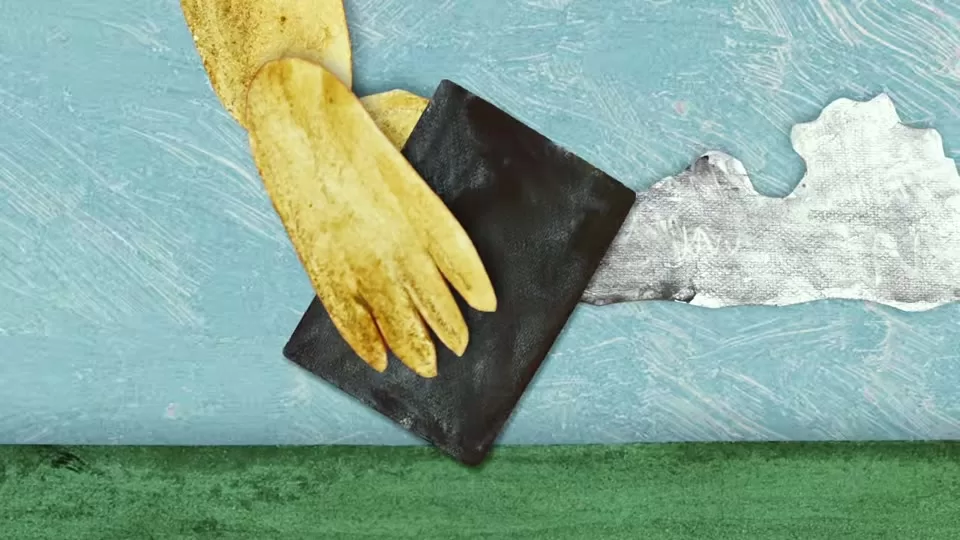
Today, passport strength depends a lot on international relationships. Regional agreements can make travel easier; the Schengen Agreement, for example, allows border-free travel within 29 European countries. But the bigger picture is uneven. Higher-income countries usually give their citizens better mobility than poorer ones do.
The numbers make the gap hard to ignore. As of 2025, a U.S. passport holder can enter almost 180 countries without arranging a visa beforehand. For a Pakistani passport holder, that number drops below 40. Even visa approval itself can be unequal. In 2024, Algerian applicants for U.S. visitor visas faced a much higher refusal rate than Brazilian applicants.
If you like learning how systems create hidden advantages, big unknowns in physics and life is a different topic, but it has a similar feel: the important part is often what the system reveals once you look closely.
When money can buy mobility
There’s one more twist. In some places, money can buy access. More than a dozen countries offer so-called golden passport programs, which grant citizenship, and therefore passports, to people who make a major investment or donation.
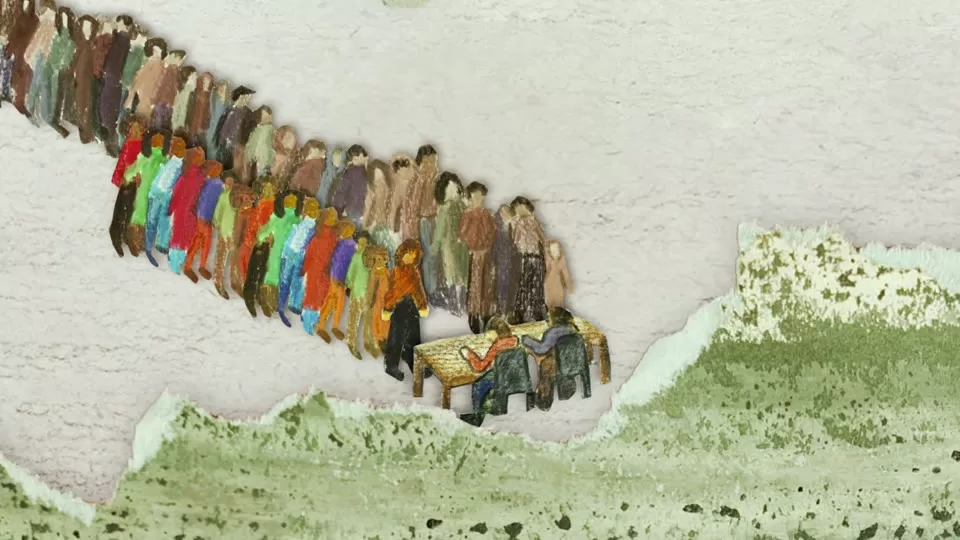
That doesn’t mean a passport is meaningless. It means the rules around belonging can be very different depending on wealth, nationality, and political relationships. For some people, the world is opening up. For others, it is still tightly fenced in.
That tension is what makes the history of passports so interesting. They began as a way to move people, then became a way to manage danger, then turned into a way to sort people by citizenship. They can protect, exclude, rescue, and restrict. All with the same basic format.
And maybe that is the real answer to the question. Passports did not appear because the world suddenly needed neat travel booklets. They grew out of war, fear, bureaucracy, empire, and the stubborn human desire to decide who gets to move freely.