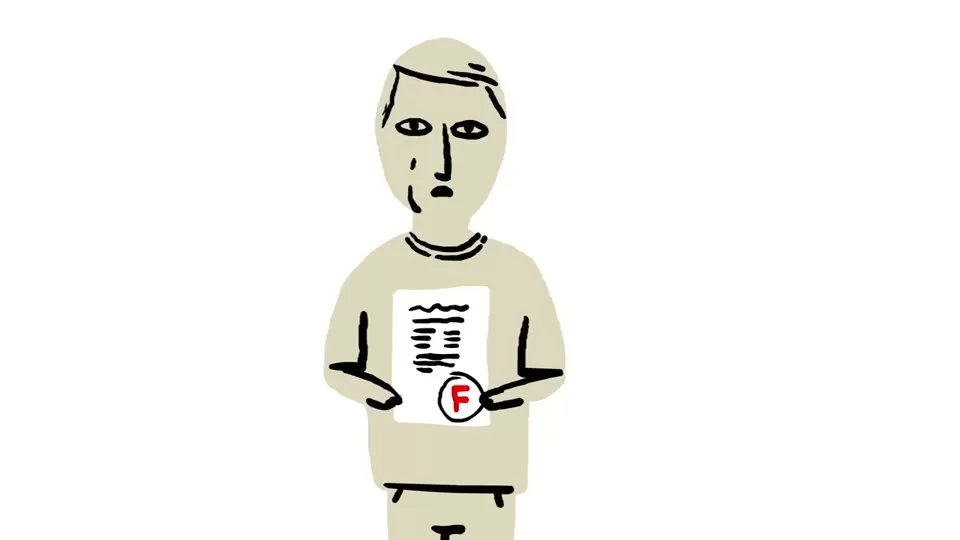
Sadness passes. Depression lingers.
Everyone feels low sometimes. A bad grade, losing a job, an argument, even a gloomy day can leave someone feeling sad for a while. That part is normal. Feelings change when life changes.
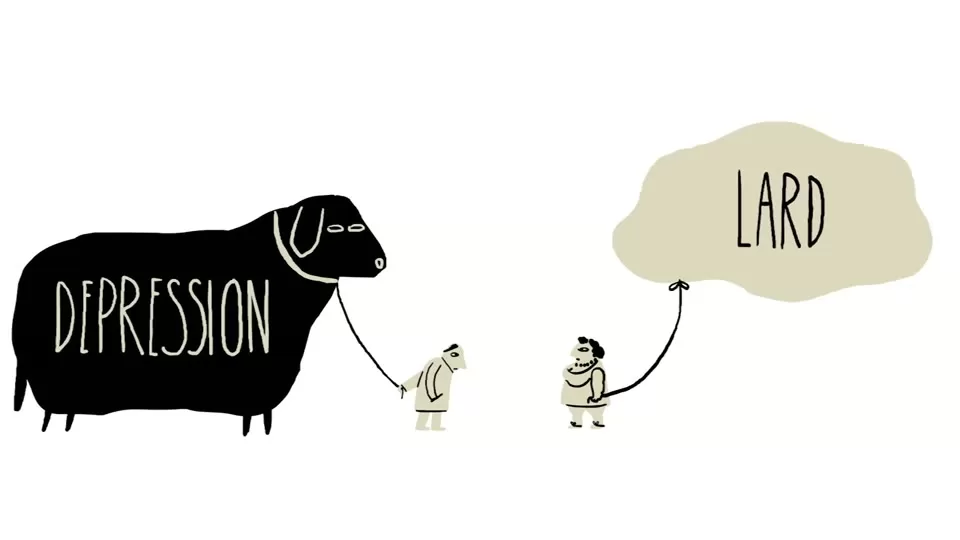
Depression is different. It is a medical disorder, not just a rough patch, and it does not simply disappear because someone wants it to. When it lasts for at least two consecutive weeks and starts getting in the way of work, daily life, or relationships, it may be something much more serious.
The symptoms are broader than low mood
A lot of people think depression only means feeling sad. Not quite. The condition can show up in several different ways at once, and the list is longer than many expect.
Common symptoms include:

- low mood
- losing interest in things that used to feel enjoyable
- changes in appetite
- feeling worthless or overly guilty
- sleeping too much or too little
- poor concentration
- restlessness or slowed movement
- low energy
- recurrent thoughts of suicide
According to psychiatric guidelines, having at least five of these symptoms can meet the criteria for a diagnosis. That does not mean every person looks the same. In fact, one of the hardest things about depression is that it can appear differently from person to person.
Depression also affects the body and brain
This is not just about mood or behavior. Depression is linked to physical changes in the brain, too. Some of those changes are visible at a larger scale, including smaller frontal lobes and reduced hippocampal volume. Those are not details people can spot on their own, but they matter because they suggest the condition reaches deep into brain function.
At a smaller level, depression is associated with disrupted neurotransmitters, especially serotonin, norepinephrine, and dopamine. Those chemicals help nerve cells communicate. It is also tied to changes in circadian rhythms, which are the body’s daily timing system, and to sleep-cycle differences involving REM and slow-wave sleep. Hormones can shift as well, including cortisol and thyroid hormones.

In plain language: depression can affect how the brain signals, how the body keeps time, and how sleep and stress systems work. That is one reason it is more than a mood problem.
Why depression can be so hard to spot
One frustrating thing about depression is that it does not always look obvious from the outside. Someone may seem fine, go to work, smile, and still be struggling intensely. Because the symptoms are invisible, it can take a long time before a person asks for help.
There is also no simple test that can predict exactly when or where depression will appear. Scientists think it comes from a complicated mix of genes and environment, but the full picture is still not clear. That uncertainty makes the condition harder to diagnose and easier to misunderstand.

And misunderstandings matter. When people treat depression like ordinary sadness, the person suffering may feel ashamed or guilty for not bouncing back quickly. That reaction can keep them silent for even longer.
Treatments can work, and they often work together
Depression is treatable. That may be the most important thing to know. Medications and therapy are often used together, and each can support the other by helping balance brain chemistry and giving people practical tools for coping.
In severe cases, electroconvulsive therapy can be very helpful. It uses a controlled seizure in the brain and sounds intimidating, but it is a recognized treatment for some patients who need stronger help. Another option being studied is transcranial magnetic stimulation, which uses magnetic pulses to stimulate parts of the brain.
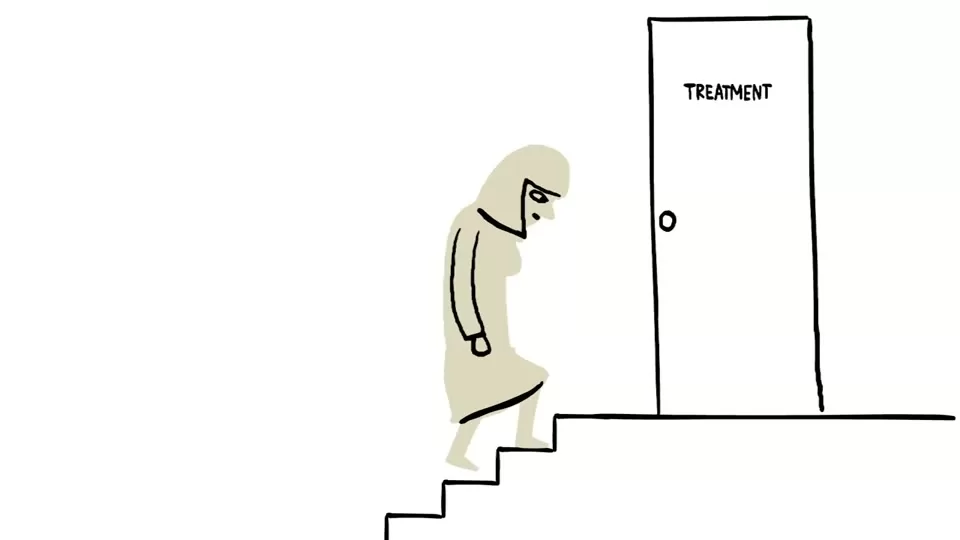
Not every treatment fits every person. Still, the range of options is a reminder that depression is not something people should simply have to endure on their own.
How to help someone who may be depressed
If someone close to you seems to be struggling, small practical help can make a real difference. Offer to look up therapists nearby. Help them write down questions for a doctor. These first steps can feel huge when someone is depressed, so making them easier can matter more than saying the perfect thing.
It also helps to avoid lazy comparisons. Saying, “I know exactly how you feel,” or comparing their experience to a normal bad day can leave them feeling more alone. Depression is a medical condition, like asthma or diabetes. It is not a character flaw. It is not something a person can just will away, any more than they could will a broken arm to heal faster.

One more thing: talking about mental illness openly can reduce stigma. Asking someone directly about suicidal thoughts does not put the idea in their head; research shows it can actually lower suicide risk. Sometimes an honest question is safer than silence.