The huge amount of energy hitting Earth every day
Earth gets blasted by an enormous amount of solar power. Not a little. A truly ridiculous amount.
At any moment, the planet intercepts about 173 thousand terawatts of solar energy. That is around ten thousand times more than what humanity currently uses. So the raw supply is not the problem. The real question is how to catch it, convert it, and move it where it is needed.

That is where solar panels come in. They do one job very well: they take sunlight and turn it into electrical energy.
What a solar cell is made of
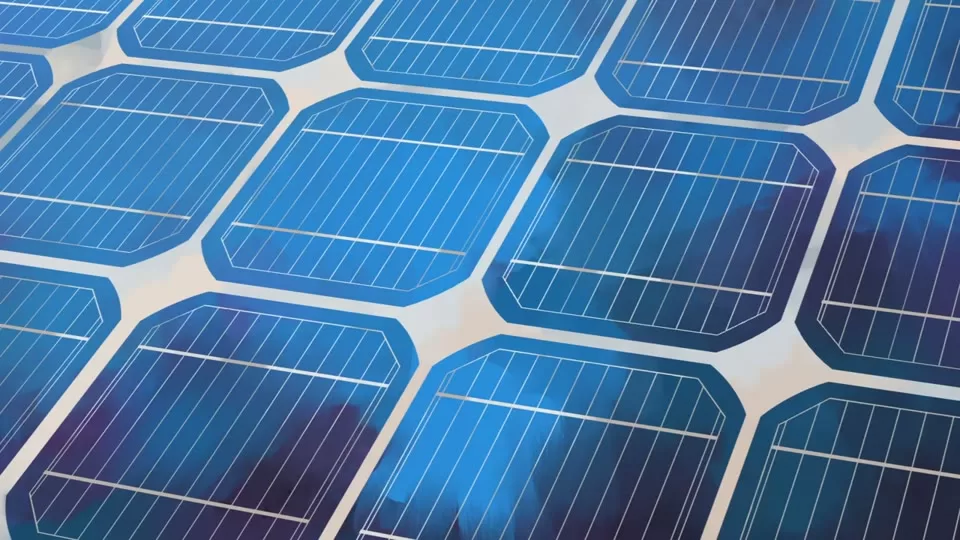
A solar panel is really a bundle of smaller units called solar cells. The most common kind uses silicon, a semiconductor that is the second most abundant element on Earth. Semiconductor just means it can behave a bit differently depending on how it is treated, which makes it useful for electronics.
Inside the cell, crystalline silicon sits between conductive layers. In its normal state, each silicon atom is locked to its neighbors with four strong bonds. That arrangement is stable, but it also means electrons are not free to move around easily. No movement, no current.
So the cell has to be set up in a very specific way before it can do any work.
Why two types of silicon matter
The trick is that a solar cell uses two different layers of silicon. One is called n-type, which has extra electrons. The other is p-type, which has extra spaces where electrons could go. Those empty spots are called holes.
Where the two layers meet, something interesting happens. Some electrons wander across the boundary, leaving one side slightly positive and the other slightly negative. That creates an electric field at the junction between the layers. It is a bit like setting up a one-way slope for charged particles.
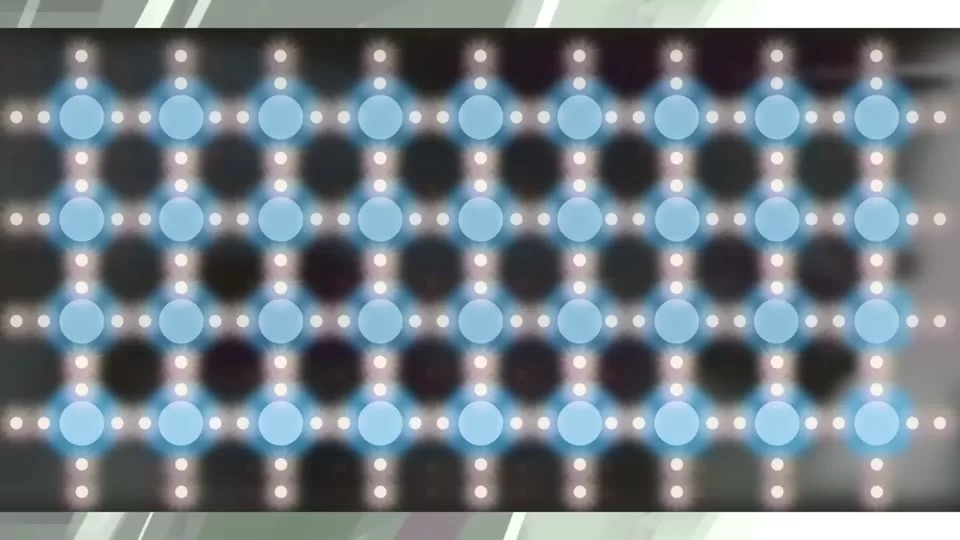
That built-in field is the heart of the whole device. Without it, the cell would just sit there looking like a piece of silicon.
How sunlight becomes moving electrons
Light can be thought of as tiny packets of energy called photons streaming from the Sun. When a photon with enough energy hits the silicon, it can knock an electron loose from its bond. That leaves behind a hole.
Now there is a free electron and a free hole. Both can move. But they do not drift randomly forever, because the electric field at the p/n junction pushes them in different directions. The electron is drawn toward the n-side. The hole is drawn toward the p-side.
That separation is the whole point. Once the charges are pulled apart, they can be collected and used to do real electrical work.
From the cell to a usable electric current
The moving electrons are gathered by thin metal fingers on the front of the cell. From there, they travel through an external circuit. Along the way, they can power something as simple as a lightbulb before returning through the conductive layer on the back.
That loop is what creates usable electricity. The cell itself is not making energy from nothing. It is redirecting the energy carried by sunlight into a flow of electrons.
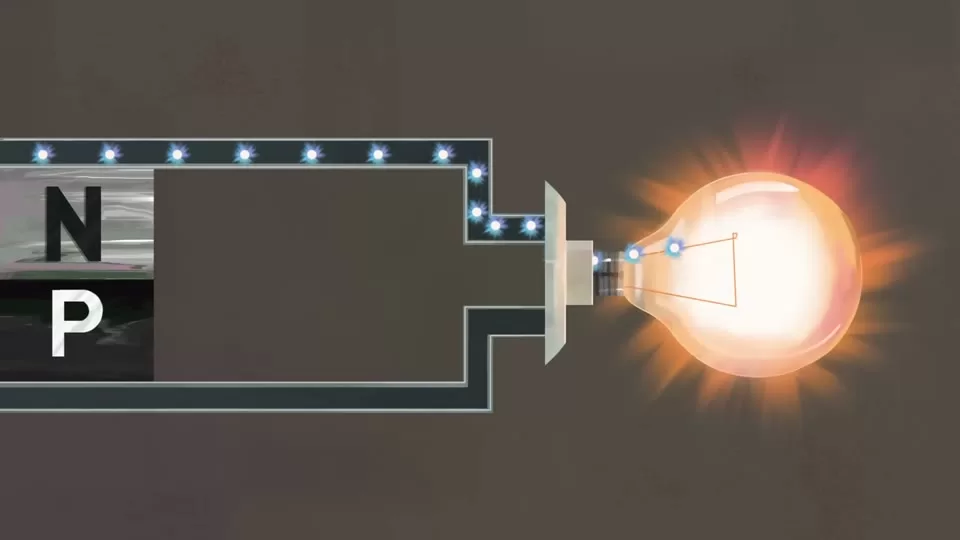
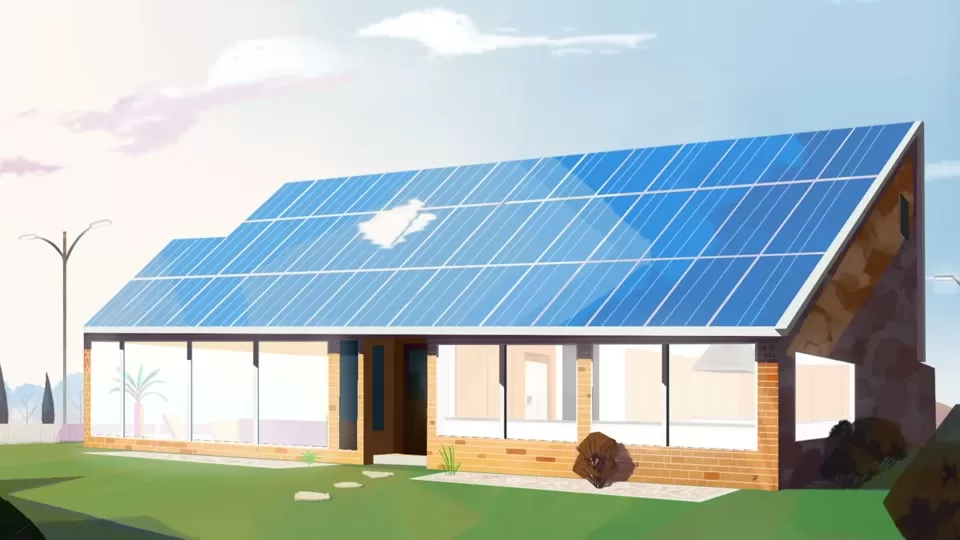
Each silicon cell produces only about half a volt, so one cell is not enough for much on its own. But cells can be linked together into modules, and modules can be combined into larger systems. Roughly twelve photovoltaic cells can charge a cellphone, while many modules are needed to run a house.
Why solar panels last so long
Solar cells have a nice advantage: there are no big moving parts wearing down. The electrons move, do their work, and end up back where they started. Nothing gets burned up in the process.
That is one reason solar panels can last for decades. Of course, the surrounding equipment and installation still matter, but the cell itself does not suffer the kind of constant mechanical wear that affects engines or turbines.
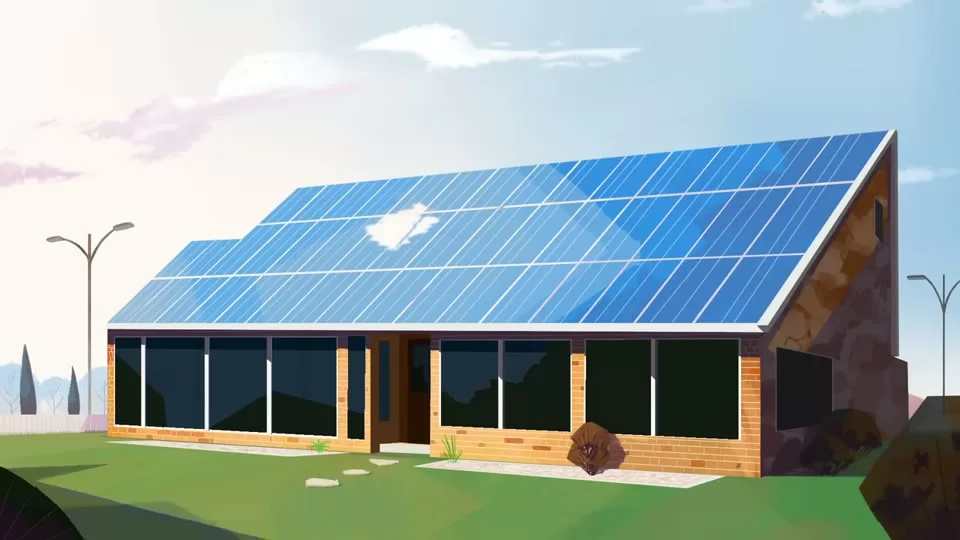
This durability is one of the reasons solar energy looks so promising. The basic physics is clean. The practical challenges come later.
The limits that still get in the way
Even with all that promise, solar power is not effortless. The biggest issue is that sunlight is not spread evenly across the planet. Some places are much sunnier than others. And even a sunny place goes dark at night or cloudy during storms.
That means a fully solar-based system would need two things working well at once: better ways to move electricity from sunny regions to less sunny ones, and strong ways to store energy for later. Both are hard problems.

Efficiency is another limit. If sunlight reflects off the panel instead of being absorbed, or if an electron falls back into its hole too quickly, some of that energy is lost. The best solar cell ever made has reached about 46% efficiency, while most commercial systems sit around 15% to 20%.
Could the whole world run on solar power?
Surprisingly, the answer is not a flat no. With today’s technology, it would be physically possible to power the entire world using solar energy. The catch is scale. It would take a huge amount of funding, major infrastructure, and a lot of land.
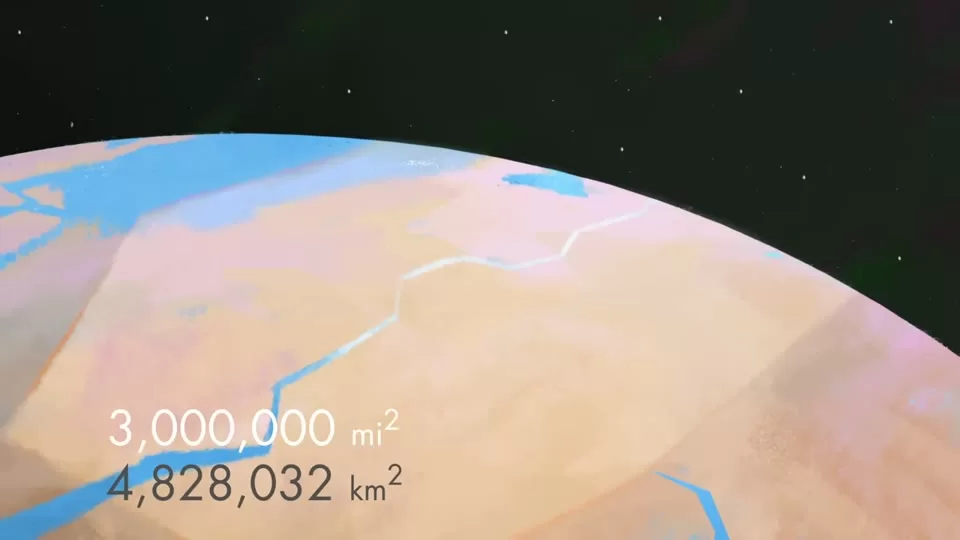
Estimates for the space needed range from tens to hundreds of thousands of square miles. That sounds massive, but the Sahara Desert alone covers more than 3 million square miles. So the issue is not only whether the land exists. It is also about politics, economics, grids, storage, and where the panels would actually make sense.
Solar is already helping in places without reliable electricity, especially in sunny regions where it can be cheaper and safer than fuels like kerosene. In places with weaker sunlight, like Finland or Seattle, the answer is less simple. The technology works there too, but the conditions are tougher.
And that is probably the real story. Solar panels are not magic. They are a clever way of using a very basic physical effect, then dealing with everything the weather, geography, and power grid throw at them.