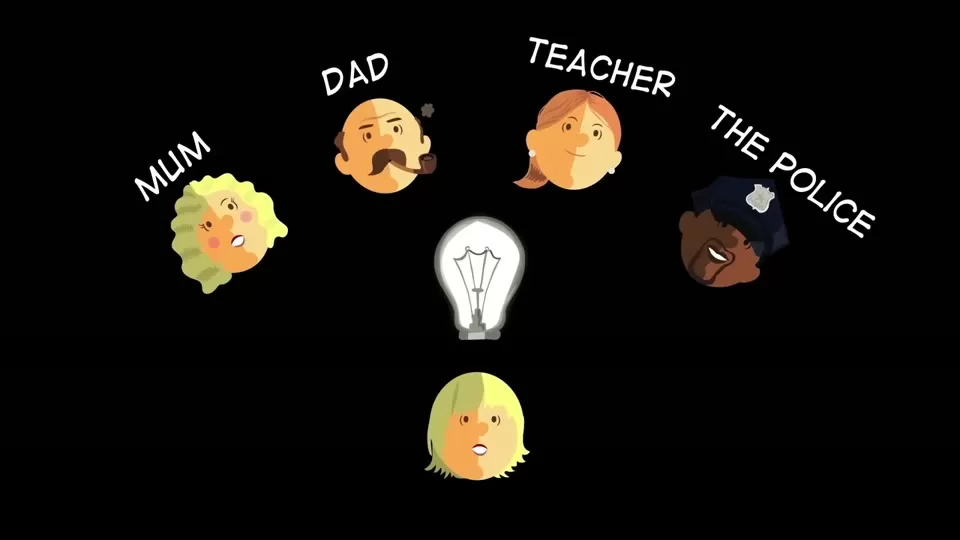
The questions that still stop us cold
There are questions you can study for. Then there are the ones that refuse to settle down, no matter how much thought you give them. What would it feel like to be a dog? Do fish feel pain? Is the future already written, or do we shape it as we go? These are not the kind of questions that come with a neat answer key.
That does not make them pointless. If anything, it makes them more interesting. They push us right up to the edge of what we understand, and sometimes that is where the best science starts. A lot of the biggest ideas in physics, philosophy, and biology live in that uncomfortable space where the truth is still hidden.

Some of these puzzles are deeply personal. Others are enormous. How many universes are there? Why does alien life seem so hard to find? Is consciousness just what brains do, or is it something stranger? Nobody has a final answer yet, and that is exactly why people keep asking.
A universe that keeps getting bigger
It is hard to grasp how large one universe already is. The Sun alone could fit about one million Earths inside it, and yet the Sun is tiny compared with the Milky Way, which holds around 400 billion stars. Then there are roughly 100 billion galaxies that telescopes can detect. That is already almost too much to picture.
And then space gets even more unsettling. Because the universe is expanding, most galaxies are racing away from us so fast that their light may never reach Earth. In other words, the part we can see is only a slice of the whole thing.
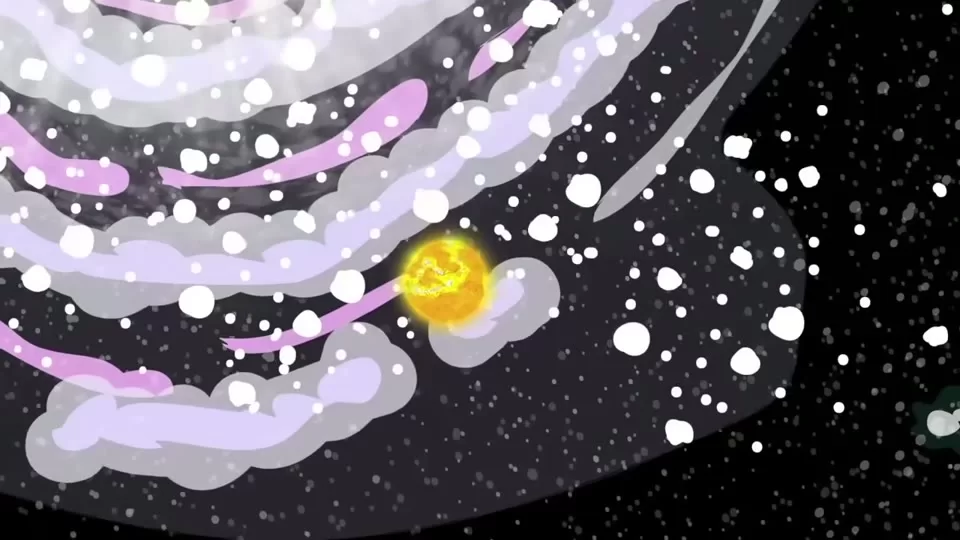
Some physicists think the story may go further still. Recent ideas, including string theory, suggest there could be many universes with different particles, different laws, and even different numbers of dimensions. In some versions, these universes come and go almost instantly. In others, space-time itself may be infinite, filled with pocket universes spread without end.
That sounds wild, because it is. One version of string theory points to a possible total of 10 to the 500 universes. That is a one followed by 500 zeros. A number like that is so huge it stops meaning anything in ordinary life. And yet some physicists think even that may not be the end of the story.
Why the multiverse idea is so hard to pin down
What makes this question tricky is not just size. It is evidence. A theory can be elegant and still be impossible to test right away. Some scientists argue that the only meaningful answer is that there is one universe, period. Others say our universe might be just one region in a much larger whole.
Quantum theory adds another wrinkle. The math works extremely well, but the meaning is slippery. One way to make sense of it is to imagine that many parallel universes are constantly being created. In some of them, versions of you make different choices. One life goes one way. Another goes another way. It is a mind-bending thought, but it is part of a real scientific debate, not just science fiction.
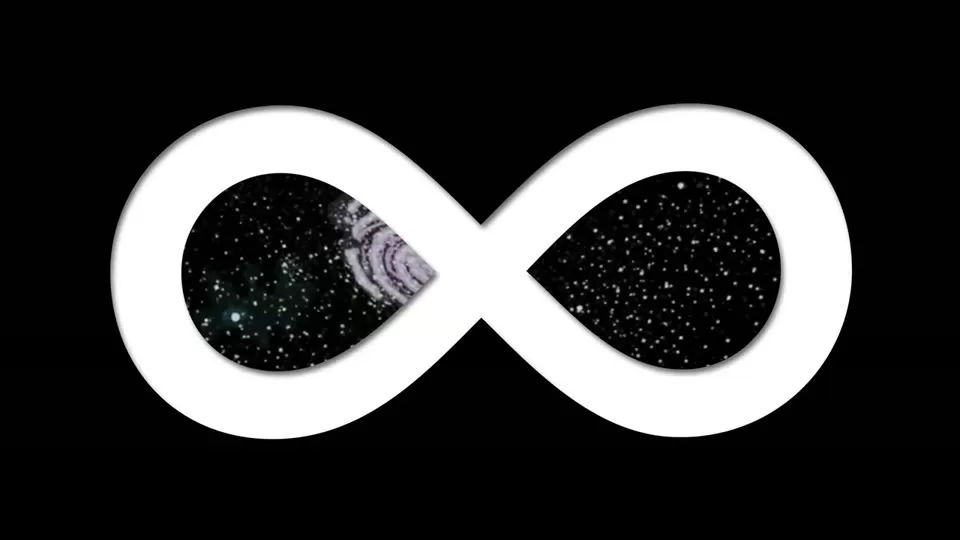
Not everyone buys it, of course. Some philosophers and mystics even question whether the universe we experience is the whole picture at all. So for now the honest answer is simple: nobody knows. The range of serious guesses stretches from one universe to infinity.
The silence of the stars
If there are so many planets, why does space feel so empty? That is the heart of the famous Fermi paradox, the old question often summarized as, “Where is everybody?” It is a fair question. There may be half a trillion planets in the Milky Way, and even if only one in 10,000 could support life, that still leaves millions of possible homes for living things.
Earth itself formed fairly late, about nine billion years after the Big Bang. Many planets in our galaxy formed earlier, which means life elsewhere could have had a huge head start. If intelligent civilizations appeared even a little earlier than we did, they would have had millions of years to spread, build, signal, and leave obvious traces behind.
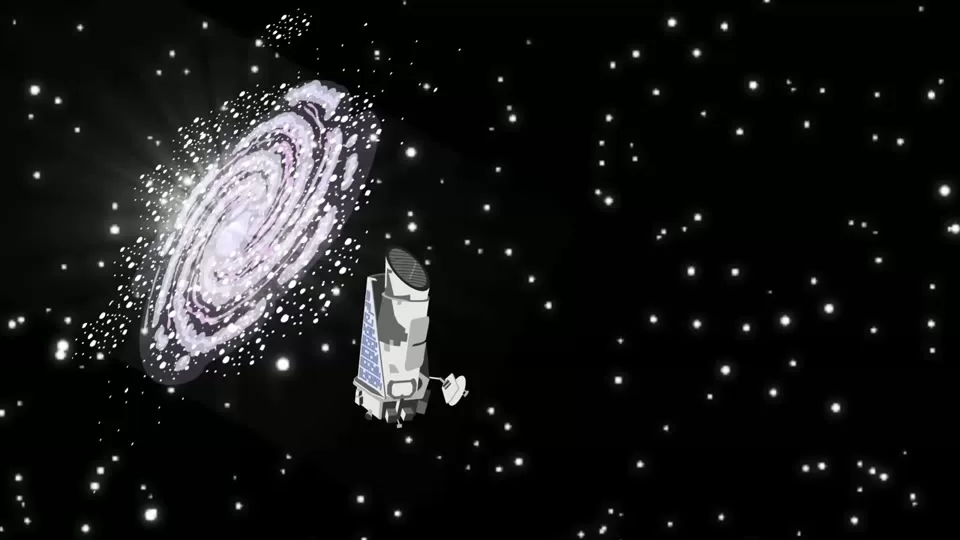
That is why the lack of evidence is so strange. We do not see convincing radio signals, giant artifacts, or clear signs of colonization. Not yet, anyway.
Possible reasons we have not found anyone
There are plenty of guesses, and some are dark. Maybe one superintelligent civilization already controls the galaxy and stays quiet to avoid threats. Maybe technological species tend to wipe themselves out before they spread very far. Maybe intelligence is simply much rarer than we like to think.
There are also more hopeful possibilities. Perhaps humans have barely begun to search. We have examined only a tiny fraction of the stars closely for strange signals. And maybe we are listening in the wrong way. Civilizations far older than ours might use forms of communication that have nothing to do with the radio waves we tend to scan for.
Another idea is that life could have become very small. Not weak, just tiny. If intelligence can shrink its footprint on the environment, maybe advanced life would move toward microscopic forms rather than giant spaceships. That sounds odd, but it is one reason people joke that the Solar System might be full of aliens and we would never notice.
There is also the possibility that what we call ideas are the closest thing to alien life we know. Ideas spread, change, survive their creators, and move from mind to mind. That is not the same as little green beings, obviously, but it does raise a funny thought: maybe life is less about flesh than about information.
The hunt is only beginning
The search for life elsewhere is getting better. In the next few years, scientists expect to get more useful spectral data from promising planets, which can reveal details about their atmospheres and whether they might support life. That is a big deal, because atmosphere clues can tell us a lot without ever landing on the planet.
At the same time, the Search for Extraterrestrial Intelligence has begun sharing data more widely, opening the door for crowd-sourced analysis. That means ordinary people can help sift through signals and patterns. On Earth, researchers are also trying to create life from scratch, including forms that may not rely on DNA the way living things here do.

All of that matters because it helps answer the larger question: are we alone, or is life common enough that the cosmos is crowded with it? Either answer would change how we see ourselves. If we are alone, that is staggering. If we are not, that is staggering too.
Either way, the mystery is not a weakness in human knowledge. It is part of what keeps science alive. The unanswered questions are the ones that keep tugging us forward.