The bridge, the lantern, and the ticking clock
Four people are trapped on one side of a gorge: you, a lab assistant, a janitor, and an old professor. The only way out is an old rope bridge that can hold just two people at a time. Worse, it is dark, so the lantern has to travel with anyone crossing or stay right next to them.
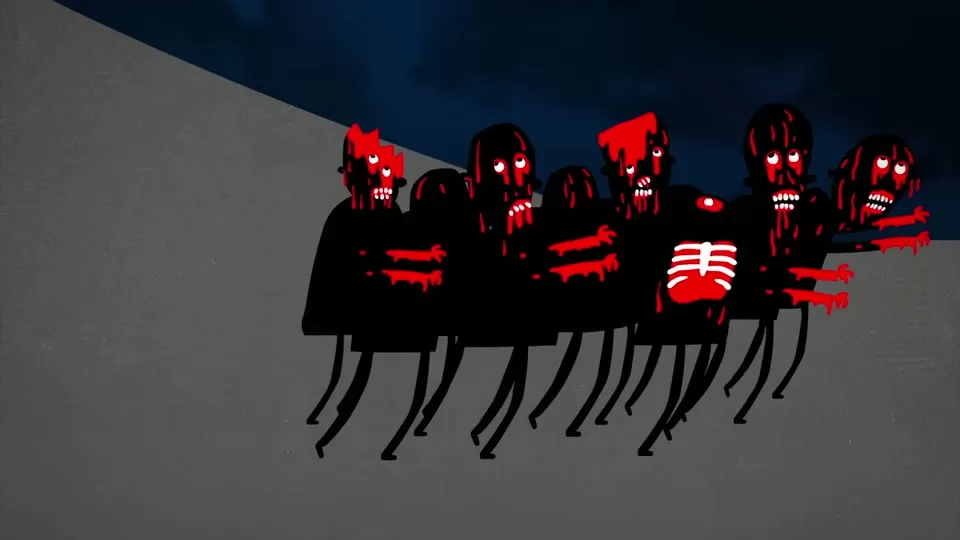
The clock is the real problem. You have a little over 17 minutes before the zombies catch up. That sounds generous for a short bridge crossing, but it disappears fast when one person needs 10 minutes, another needs 5, and every trip back with the lantern costs precious time.
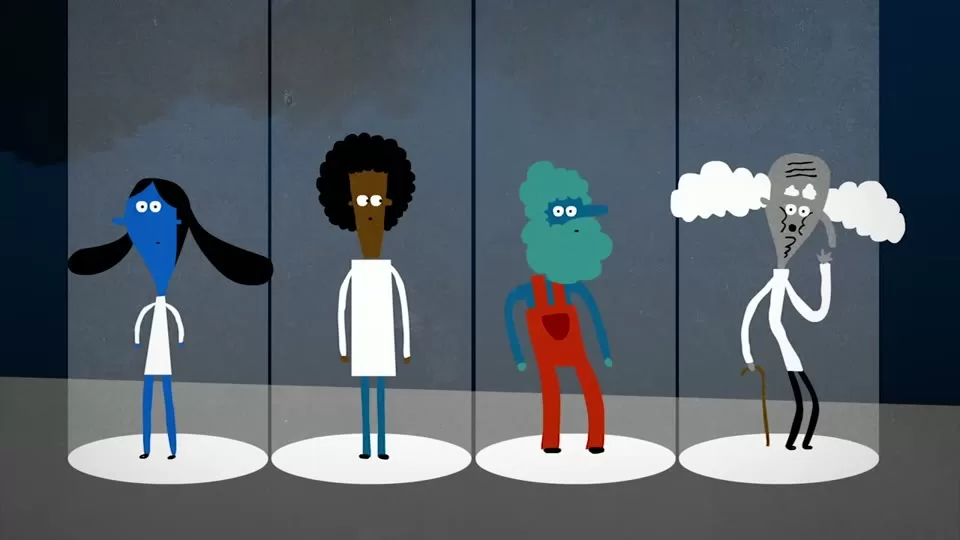
Here are the crossing times: you take 1 minute, the lab assistant takes 2, the janitor takes 5, and the professor takes 10. Those numbers are the whole puzzle. If you try to move everyone across in the obvious way, the lantern keeps forcing someone to return, and the slow crossings eat the schedule alive.
The key question is simple: how do you get all four people across before time runs out, without wasting the fastest person on the wrong trip?
One more rule matters a lot. Nobody can cross safely in the dark without the lantern nearby, and the bridge cannot be used by more than two people at once. No swinging, no shortcuts, no clever stunt moves. Just the bridge and the light.
Why the slowest pair should cross together
At first, the puzzle tempts you to send people over in order of speed. That feels neat. It is also inefficient.
The slowest two people are the real burden, so the trick is to make them cross together only once. If they cross separately, you pay for two long trips instead of one. That is usually where the time limit gets blown.

The fastest people matter in a different way. Because the lantern has to come back and forth, the quickest person is the one who should handle the return trips. If the professor or the janitor comes back for the lantern, the whole plan gets slower immediately.
So the strategy is built around two ideas:
- Send the two fastest people first.
- Use the fastest person to bring the lantern back for the slow pair.
That keeps the long, painful crossings down to a minimum. It is a small shift in thinking, but it changes everything.
The crossing plan that works
The solution is easier to follow if you lay it out in order.
- You and the lab assistant cross first. Since she takes 2 minutes, the crossing takes 2 minutes total. The lantern goes with you.
- You return with the lantern. That adds 1 minute. Total time so far: 3 minutes.
- The professor and the janitor cross together. The crossing takes 10 minutes, because the janitor must move at the professor’s pace. Total time so far: 13 minutes.
- The lab assistant returns with the lantern. She takes 2 minutes to go back. Total time so far: 15 minutes.
- You and the lab assistant cross again. This last trip takes 2 minutes. Total time: 17 minutes.
That is just enough. Everyone makes it across, and the bridge can be cut behind them before the zombies arrive.
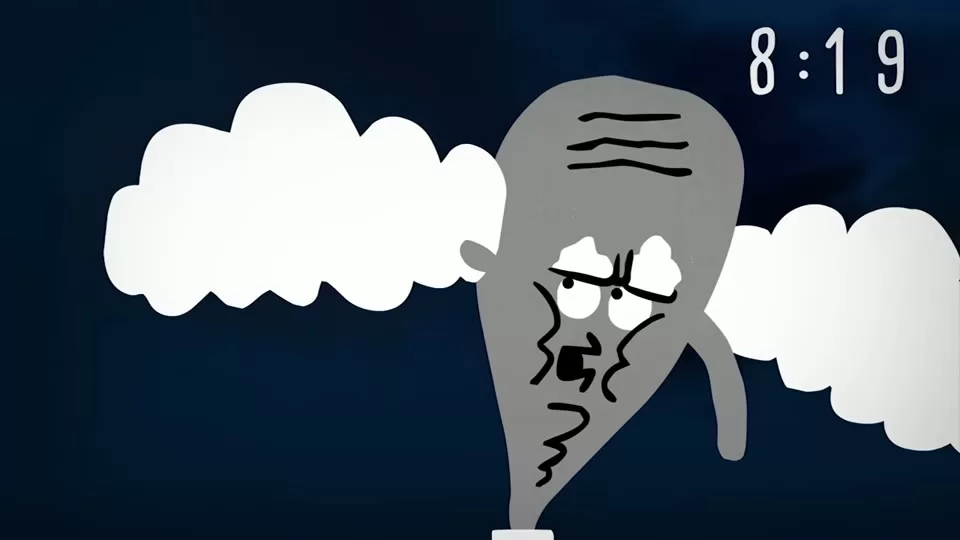
The order matters more than it first appears. Notice that the two longest crossings are handled only once each. Also notice that the lantern is never left behind in a way that forces a slow person to waste time carrying it back. Every return trip is handled by someone quick.
The logic behind the 17-minute limit
The total is tight, but it is not random. If you compare the plan to a few other possibilities, the advantage becomes obvious.
For example, if you sent the fastest person back and forth less efficiently, you would likely end up forcing the professor or the janitor to make an extra trip. That would add several minutes at once. In a puzzle like this, one bad return can ruin the whole escape.
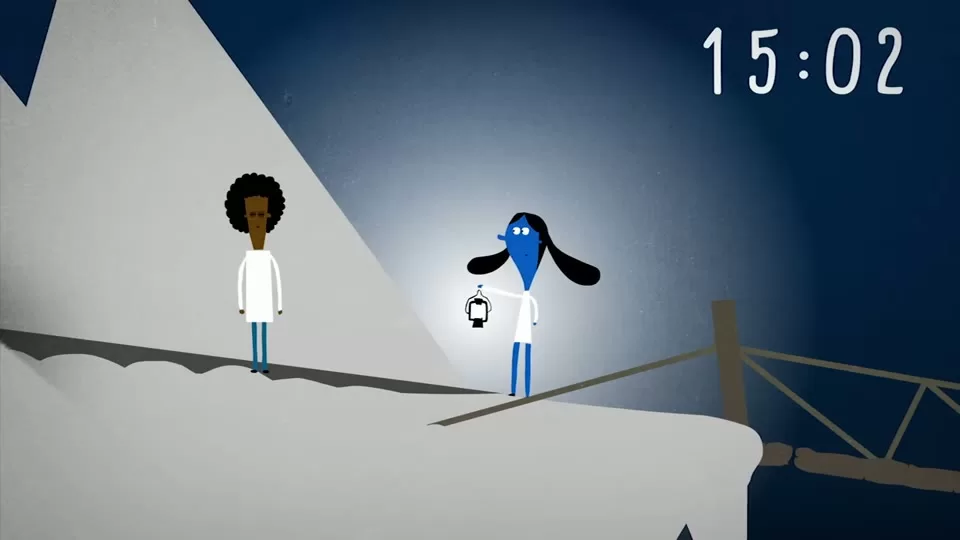
That is why the ending feels almost unfairly close. After the professor and janitor finish their crossing, there are only 4 minutes left. Then the lab assistant, who is the second-fastest, brings the lantern back. Finally, you and she make the last 2-minute dash. No time to waste. No room for mistakes.
The bridge riddle is really a lesson in resource management. The lantern is the resource, and every crossing has to be planned around it. The bridge itself is only part of the problem. The real challenge is deciding who should move when.
Why this puzzle feels harder than it is
Riddles like this can feel confusing because the first idea that comes to mind is often the wrong one. You imagine everyone trying to move forward as fast as possible, but the lantern rule turns the situation into a shuttle problem.
Once that clicks, the puzzle becomes much more manageable. The fastest person is not just fast at crossing. They are also the best candidate for the return trips, because those trips are necessary and should hurt as little as possible.
That same pattern shows up in plenty of other logic puzzles. When time, distance, or shared equipment is limited, the smartest move is often not to speed up the main action, but to reduce the number of costly back-and-forth steps.
Here, the clean solution is almost elegant: use the two quick crossings to support the one slow crossing, then use the second-fastest person to reset the lantern for the final move. It is a neat little chain.
And yes, the professor probably should have left the skull lever alone.