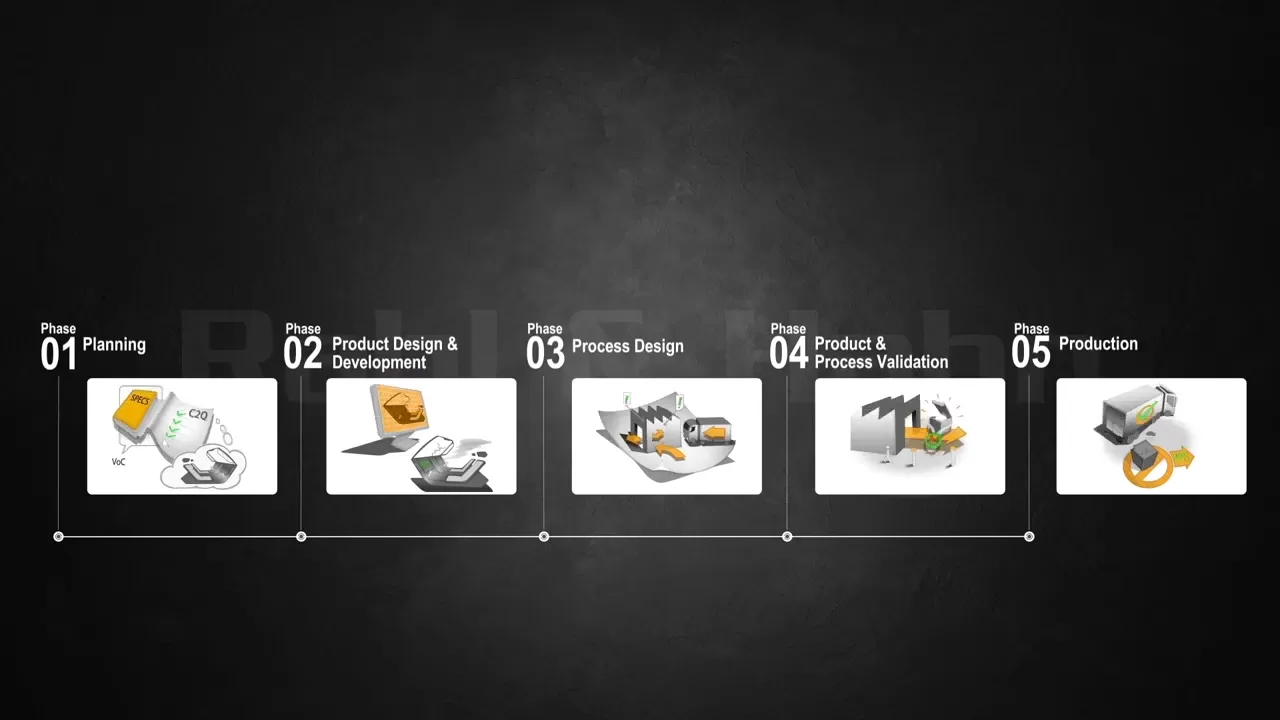
Advanced Product Quality Planning (APQP) was created to prevent problems before they reach production, yet many organizations still experience rising costs of poor quality despite formally “using” APQP. The issue is rarely the methodology itself, but how it is misunderstood, rushed, or applied superficially.

When APQP is treated as a checklist rather than a structured planning process, it often leads to late design changes, recurring defects, and expensive corrective actions. Understanding the most common mistakes helps organizations reduce waste and improve product quality from the earliest stages.
Mistake 1: Treating APQP as Documentation Only
One of the most frequent errors is reducing APQP to a documentation exercise. Teams focus on completing forms and templates without using them as tools for real analysis and decision-making. In this scenario, risks are recorded but not mitigated, and lessons learned are rarely applied.

To avoid this, APQP should be integrated into daily engineering and quality discussions. Each phase should drive actions, not just generate paperwork.
Mistake 2: Poor Cross-Functional Involvement
APQP relies on collaboration between engineering, manufacturing, quality, purchasing, and suppliers. When planning is handled by a small group in isolation, important inputs are missed. This often results in designs that look good on paper but fail under real production conditions.

Early and consistent cross-functional engagement helps identify manufacturability issues, supplier constraints, and process risks before they become costly problems.
Mistake 3: Inadequate Risk Analysis
Tools such as DFMEA and PFMEA are central to APQP, yet they are frequently completed too late or with minimal depth. Superficial risk analysis leads to underestimating failure modes, which later surface as defects, scrap, or customer complaints.
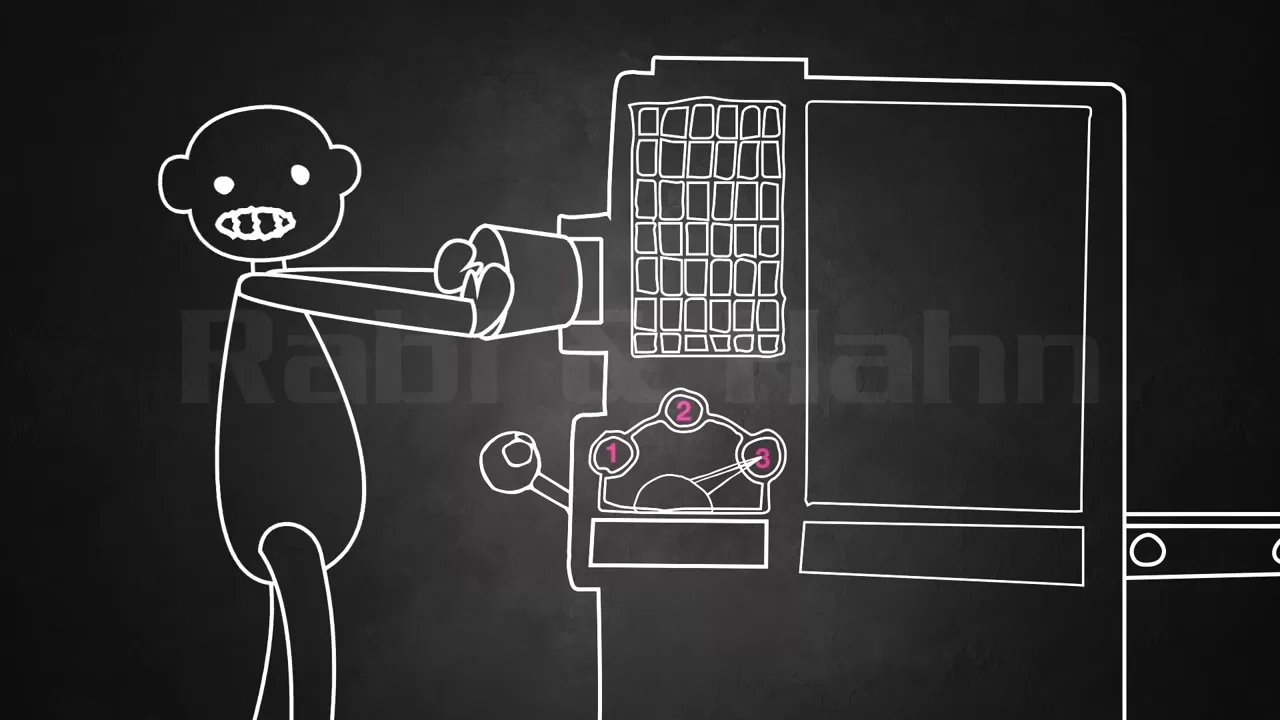
Effective APQP requires honest evaluation of risks and proactive actions to reduce or eliminate them, rather than simply assigning low risk scores to move forward faster.
Mistake 4: Rushing the Planning Phases
Pressure to meet deadlines often causes teams to compress or skip APQP phases. While this may appear to save time initially, it almost always increases the cost of poor quality later through rework, production delays, and warranty issues.

Investing time upfront in proper planning, validation, and testing is far less expensive than fixing problems after launch.
Mistake 5: Insufficient Training and Understanding
Many APQP failures stem from a lack of shared understanding. Team members may be unfamiliar with the intent behind APQP tools or unsure how to apply them effectively. This leads to inconsistent execution across projects.

Structured learning, such as an APQP Course, helps teams align on best practices, understand the logic behind each phase, and apply APQP consistently across products and programs.
How Avoiding These Mistakes Reduces Cost of Poor Quality
When APQP is applied correctly, it reduces late changes, improves first-time quality, and strengthens communication across the organization. Fewer surprises during production mean lower scrap rates, reduced downtime, and higher customer satisfaction.
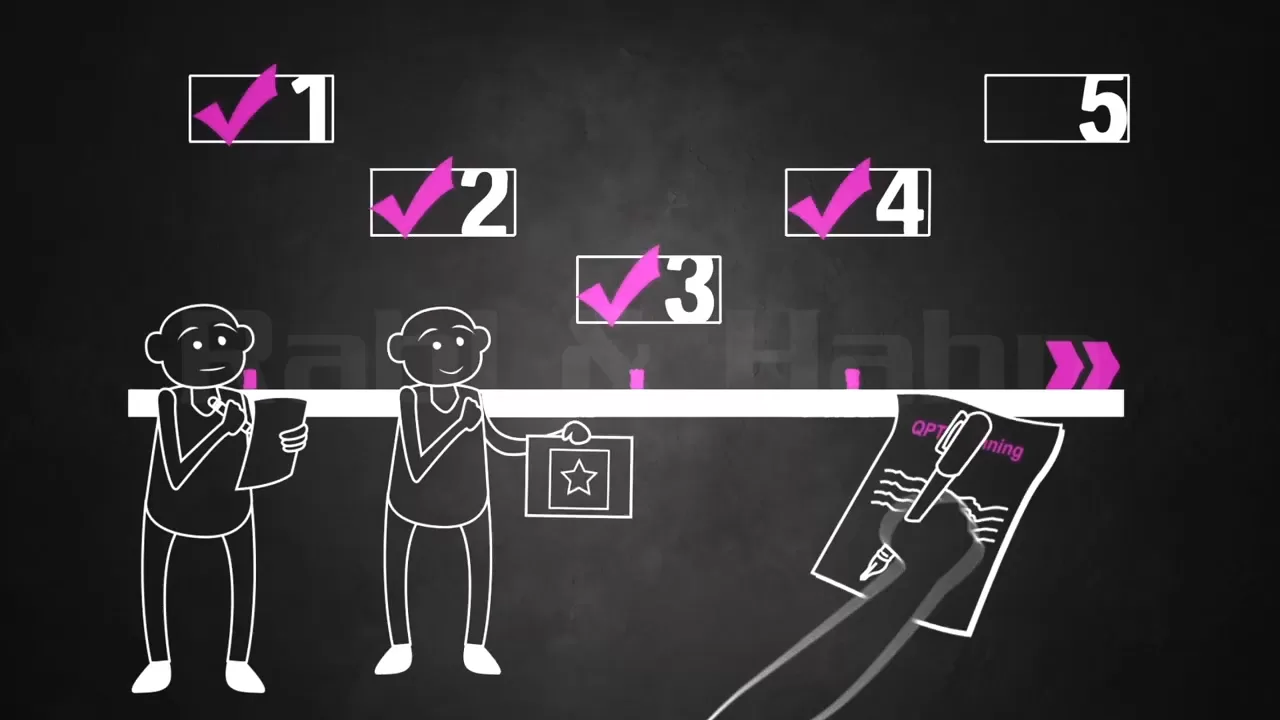
Avoiding common APQP mistakes is not about adding bureaucracy. It is about using planning tools as they were intended — to prevent problems, not react to them.
Conclusion
The cost of poor quality often traces back to early planning failures. Misusing or underestimating APQP undermines its value and creates hidden costs that surface later in the product lifecycle. By addressing common mistakes and strengthening APQP execution, organizations can protect both quality and profitability.
Effective APQP is not an administrative burden — it is a strategic advantage when applied with discipline and understanding.