
A mountain bike is no longer just sports equipment for extreme riders. Today, it serves as a versatile tool for commuting, weekend adventures, fitness training, and exploring off-road terrain. However, many people purchase a bike with enthusiasm, only to find it sitting unused in the garage months later. The reason is often simple — the wrong model was chosen.
Selecting the right mountain bike requires understanding how and where it will be used. Instead of focusing only on appearance or brand popularity, it’s important to evaluate technical characteristics and personal riding goals. A helpful resource that breaks down these considerations in detail can be found here:
https://www.infobraz.ru/library/sport-and-health/gornyj-velosiped-kak-vybrat-tekhniku-dlya-zhizni-a-ne-dlya-garazhnogo-khraneniya.
Understanding Different Types of Mountain Bikes
Mountain bikes are designed for various terrains and riding styles. Choosing the correct category makes a significant difference in comfort and performance.
- Hardtail bikes feature front suspension only. They are lighter, efficient, and suitable for city riding and light trails.
- Full-suspension bikes include both front and rear suspension, offering improved comfort and control on rough terrain.
- Cross-country (XC) models are built for endurance and speed, making them ideal for longer rides.
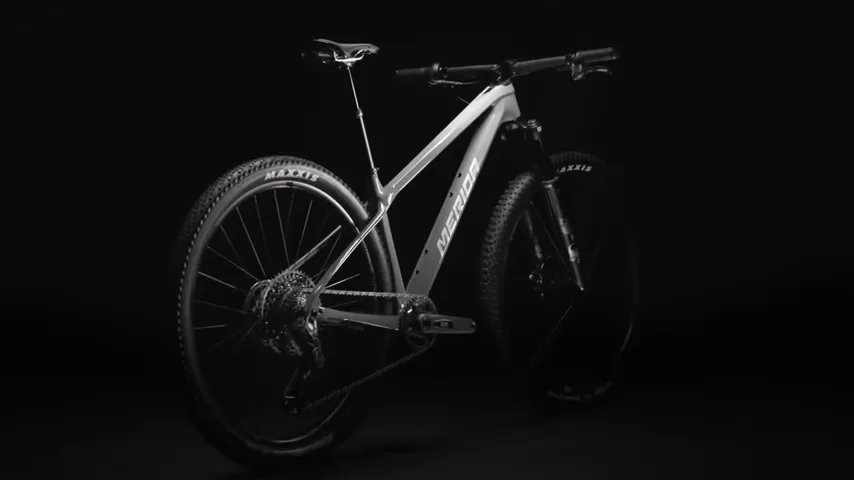
The best option depends on whether the bike will be used mainly on pavement, forest paths, rocky trails, or a mix of environments.
Frame Material and Fit
The frame is the foundation of the bike. Its material affects weight, durability, and overall riding feel.
- Aluminum frames are lightweight and affordable, making them popular among recreational riders.
- Steel frames are durable but heavier.
- Carbon frames are lighter and more advanced, typically found in higher-end models.
Equally important is selecting the correct frame size. A poorly fitted bike can cause discomfort and even long-term strain on joints and muscles.
Suspension and Gearing
Suspension plays a major role in ride quality. Entry-level bikes often use spring suspension, while higher-end models may include air suspension systems with adjustable settings.
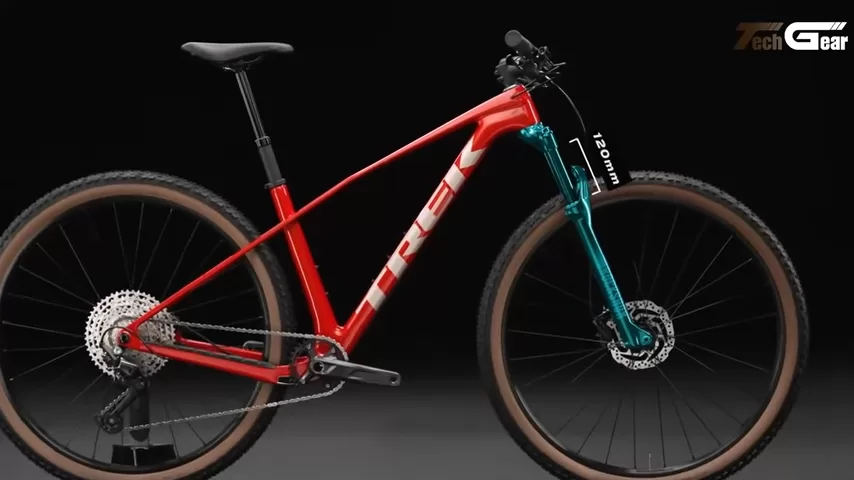
The drivetrain, or gear system, determines how smoothly and efficiently a rider can handle different inclines and terrains. Quality components improve shifting accuracy and long-term reliability.
Brakes and Wheel Size
Modern mountain bikes are typically equipped with disc brakes, either mechanical or hydraulic. Hydraulic disc brakes offer stronger stopping power and require less effort.
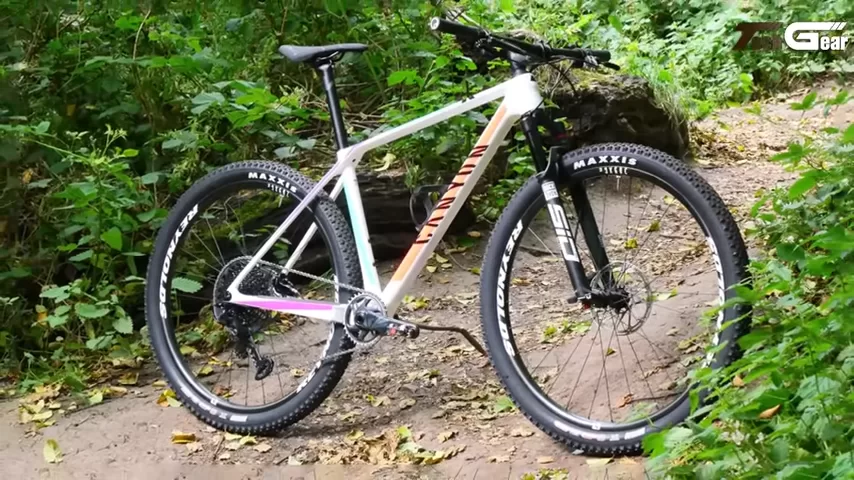
Wheel size also influences performance. The most common sizes are 27.5 and 29 inches. Larger wheels roll over obstacles more easily, while smaller wheels provide quicker maneuverability.
Choosing a Bike That Matches Your Lifestyle
To avoid buying a bike that goes unused, it’s important to be realistic about your riding habits. If you plan occasional weekend rides, a reliable mid-range hardtail may be sufficient. For more technical terrain or frequent off-road riding, investing in better suspension and components may be worthwhile.
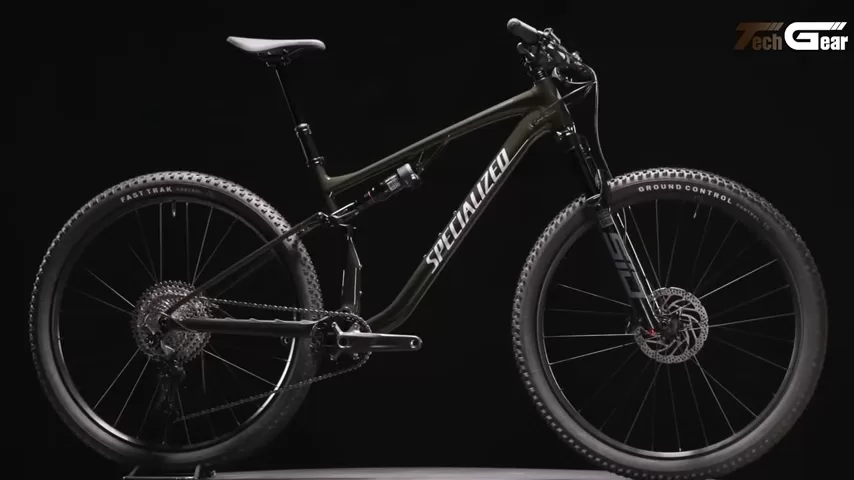
Comfort, adjustability, and long-term serviceability should always be considered before making a final decision.
Final Thoughts
A mountain bike should be chosen as a practical companion for active living — not as a decorative item. Understanding frame materials, suspension types, braking systems, and wheel sizes helps ensure that the bike aligns with real-world use.
When selected thoughtfully, a mountain bike becomes more than equipment. It becomes a reliable tool for exploration, fitness, and everyday movement — a bike that stays on the trail instead of in storage.