The odd cat habits that look random at first
Cats have a gift for looking mysterious. One minute they are curled up like a tiny loaf, and the next they are launching themselves at a toy, squeezing into a box, or sprinting across the room for no obvious reason. It can feel like pure nonsense.
But most of that behavior has a purpose. Cats did not become strange by accident. Their instincts were shaped by a long history of surviving as both hunters and potential prey, and many of those instincts still show up in a modern house with carpet, couches, and food bowls.
That is why a cat’s “weird” behavior often makes more sense when you stop thinking of a pet and start thinking of a small predator that still carries an old survival toolkit.
Built to climb, watch, and move fast
Cats are excellent climbers. Their muscles, balance, and flexible bodies make it easy for them to reach high places, and that skill was useful long before anyone put a cat bed by the window. A high perch gave a cat a better view of its territory and a better chance to spot prey or danger.
That is why so many cats love bookcases, shelves, the top of a fridge, or the back of a sofa. A cat on high ground is doing something deeply natural. The room looks different from up there, but to the cat, it is simply a safer and more informative place to be.
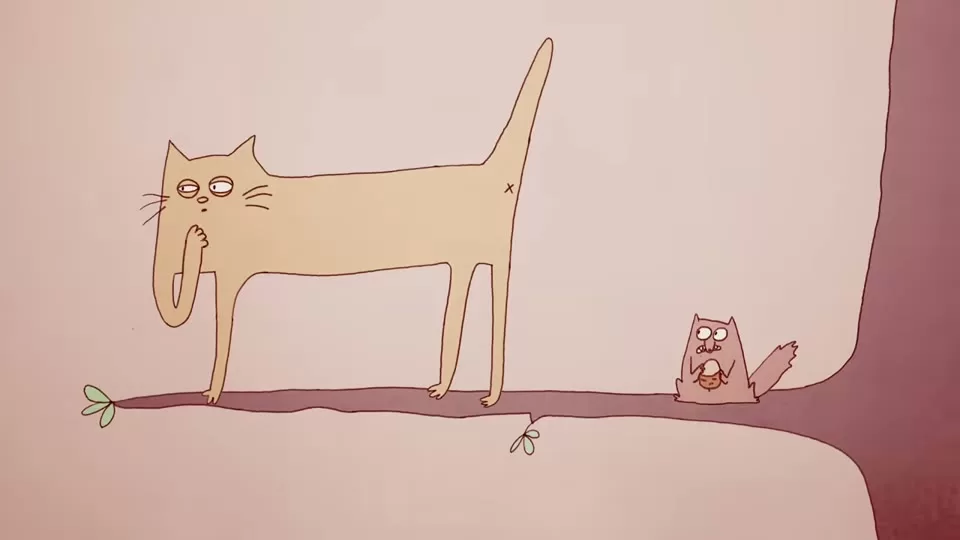
And yes, sometimes it looks like they are showing off. Maybe they are. But it is also a serious instinct.
Why cats pounce on tiny targets and play like hunters
Wild cats were opportunistic hunters. If prey was available, they had to act. Small animals also meant small meals, so hunting was not a once-a-day event. It happened over and over again. That helps explain why house cats love quick, repeated bursts of activity instead of long, steady exercise.
When a cat stalks a toy mouse, bats at a feather wand, or suddenly attacks a moving shadow, it is rehearsing the same sequence used in hunting: stalk, pounce, kill, eat. The “kill” part may be directed at a squeaky ball instead of a real animal, but the underlying pattern is still there.

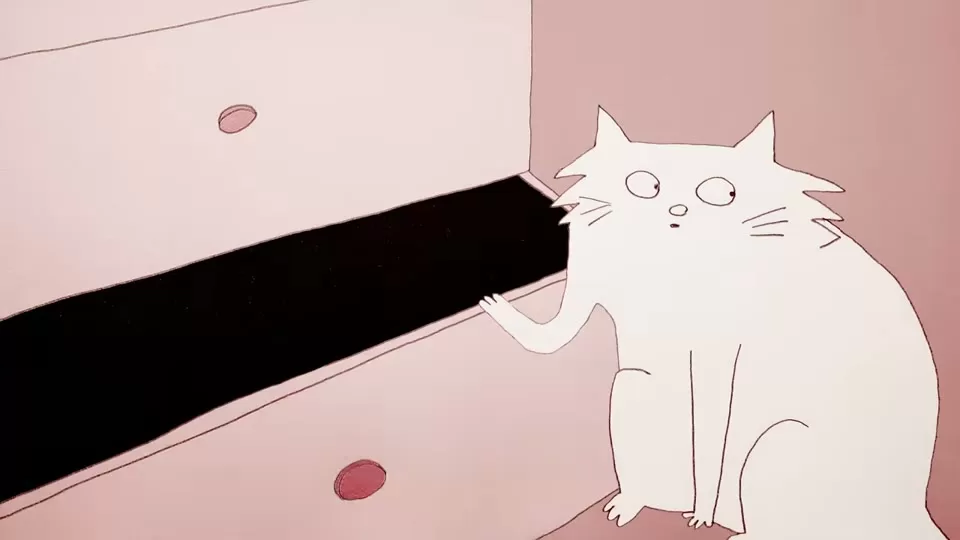
This is also why cats often prefer small meals across the day. Their bodies and instincts are built around many small opportunities, not one giant feast. If your cat seems to get excited by tiny movements or cracks open a cabinet to investigate every corner, that is not random curiosity. It is the attention of a hunter trained by evolution to notice anything that might be prey.
Scratching, clawing, and squeezing into impossible places
Scratching is one of the most misunderstood cat behaviors. It is easy to think the couch is under attack. In reality, scratching helps cats keep their claws in working order, stretch the muscles in their backs and legs, and relieve stress. In the wild, claws were tools for climbing, hunting, and defense, so keeping them sharp mattered.
That is why scratching posts are not a luxury. They are one of the easiest ways to give a cat a proper outlet. A good post lets the cat do what its body expects to do. A bad setup, on the other hand, often sends that behavior straight to the nearest sofa arm.
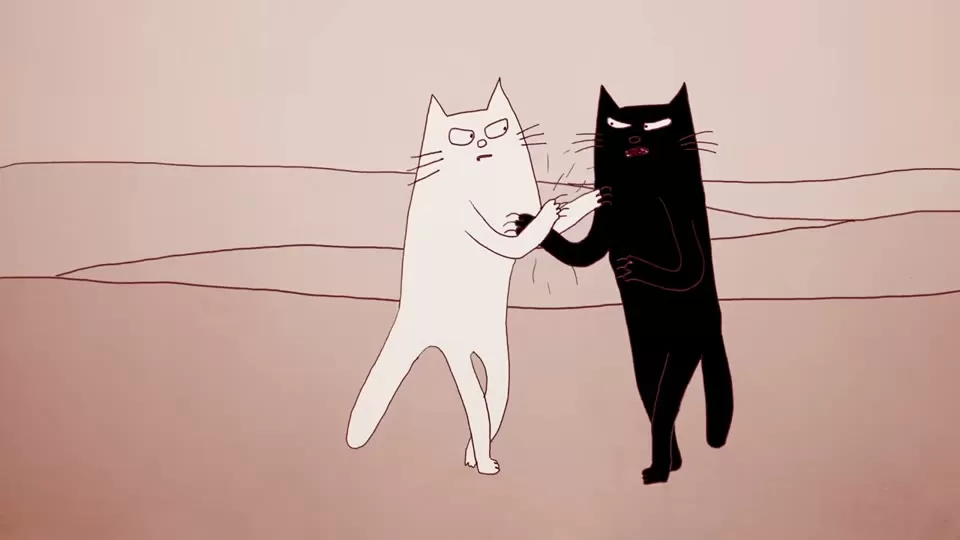
Cats also love narrow openings, boxes, and odd hiding spots. That habit comes from the same place. Small spaces can offer cover, safety, and a chance to watch without being seen. If a cat disappears into a laundry basket or under a bed, it is usually acting on old survival logic, not trying to annoy anyone.
If you want more practical home tips for keeping pets comfortable, some of the same thinking shows up in everyday life topics too, like why airplane mode matters or even quirky design stories such as the spirit guide duck.
The litter box, hiding spots, and the prey side of cat nature
Cats were not only predators. They were also prey. That part matters a lot. Animals that might be hunted have to stay alert, stay hidden, and avoid leaving easy clues behind. It helps explain why many cats like quiet cover, why some are so careful about where they go, and why a clean litter box can matter so much.
A cat that suddenly starts avoiding the litter box, hiding more than usual, or acting stiff and jumpy may not just be being fussy. Those changes can signal pain or illness. New aggression, less jumping, altered grooming, and litter-box problems can all point to a health issue, so it is worth paying attention when a cat’s behavior changes quickly.
In other words, “weird” behavior is not always a personality quirk. Sometimes it is a warning sign.
Free-ranging cats are also not all the same. They can live alone or form stable groups when food, shelter, or other resources are concentrated. So while cats are famous as solitary hunters, their social lives are more flexible than that phrase suggests. Personality and access to resources both shape how much other cats they will tolerate.
Purring is not as simple as it sounds
Purring is the one cat sound that people often read too quickly. It is easy to assume a purring cat is always calm and happy. Sometimes that is true. But purring can also happen during stress, illness, or pain. So the sound alone does not tell the whole story.
The safest way to read a purr is to look at the whole cat. Is the body loose or tense? Is the cat eating normally? Hiding? Grooming less? Moving differently? Those details matter more than the sound by itself.
There is also a famous idea that purring might help healing because it falls into a low frequency range. Cats can produce very low purr frequencies, around 25 to 30 Hz in one recent larynx study, but the claim that a cat’s purr heals human bones or muscles is still not established. It is an interesting hypothesis, not a proven treatment.
At the same time, some purrs are clearly shaped to get a human response. Hungry cats can add a cry-like, higher-pitched element that makes the purr sound more urgent to people. That may be one reason a “feed me now” purr feels very different from a sleepy, satisfied one.
What cats are really doing in a human home
Modern cats began living closely with humans about 9,000 years ago, but that is a short relationship compared with the much older feline hunting heritage behind their behavior. Domestication changed cats, but it did not erase their instincts. That is why a house full of furniture, boxes, and people can still feel like a territory to defend, patrol, hide in, and hunt through.
So when a cat climbs, scratches, stalks, or vanishes into the smallest possible opening, it is not being ridiculous. It is being a cat. The behavior may look odd from the human side, but from the cat side it is often efficient, sensible, and deeply old.
The best response is usually not punishment. It is better design. Give cats safe hiding places, elevated perches, scratching surfaces, and separate food, water, resting, and toileting areas. Add a little predatory play, and many “bad habits” start looking more like unmet needs.