A prison where guessing wrong means death
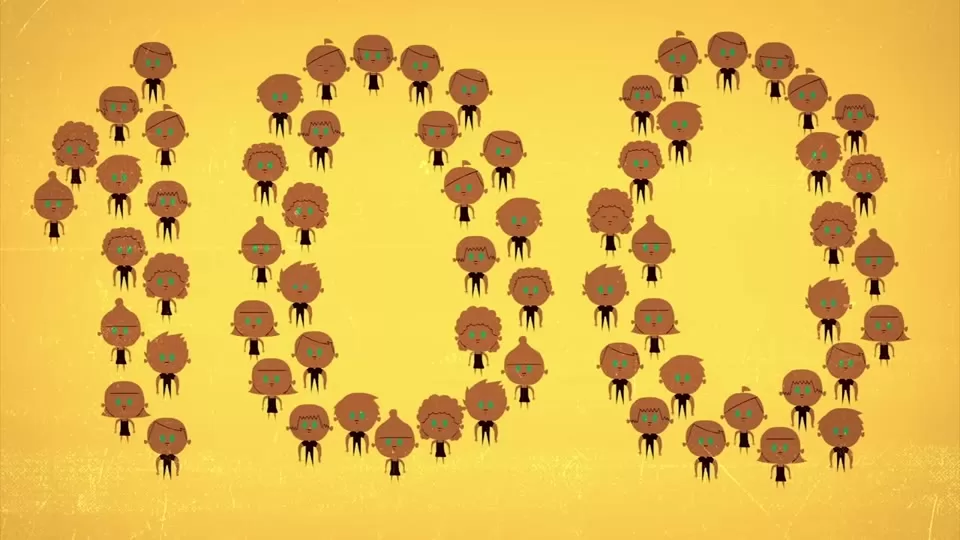
Picture a strange island prison. One hundred people are trapped there, and every one of them has green eyes. They are all brilliant logicians, which is exactly why the problem is so hard.
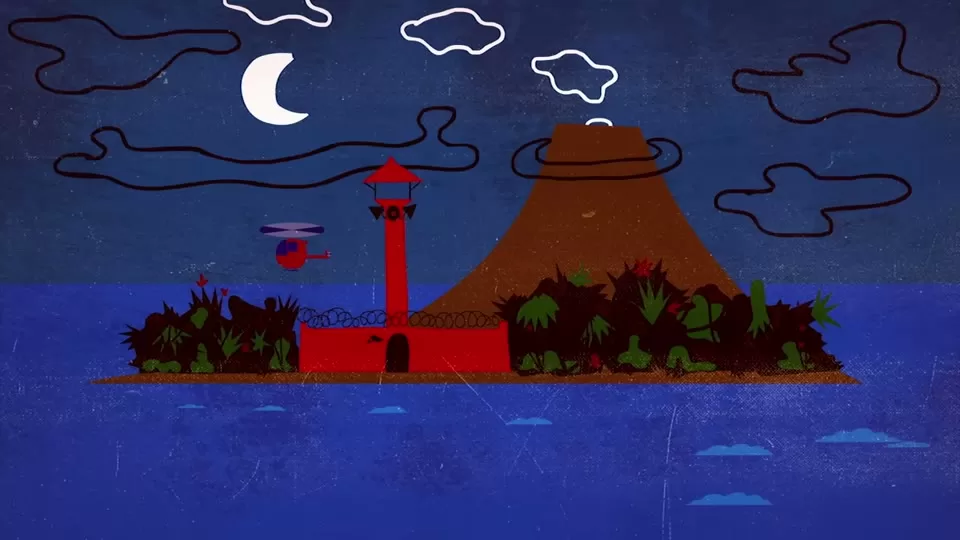
Each night, any prisoner can step forward and ask to leave. If that prisoner has green eyes, they go free. If not, they are thrown into a volcano. So nobody is going to make a move unless they are completely certain.
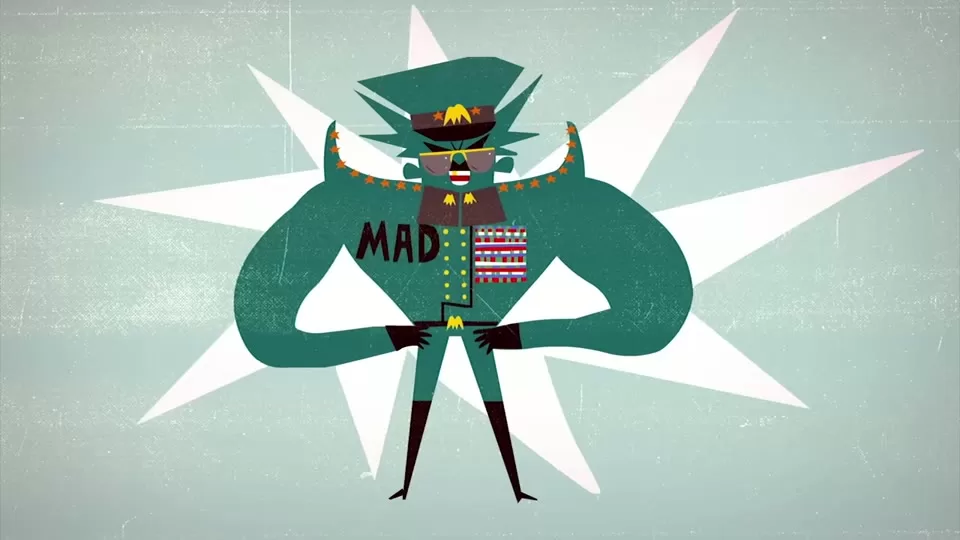
That would already be tricky. But there is another catch. The prisoners have no mirrors, no reflective water, and no way to talk privately. They do see one another during the daily head count, so everyone can count the green-eyed faces around them. What they cannot do is confirm their own eye color.
Then a visitor is allowed to speak once, with one restriction: no new information may be given. The sentence that changes everything is surprisingly simple: at least one of you has green eyes.
That sounds useless at first. Everyone already knew there was at least one green-eyed person somewhere on the island. So why would that help? The answer is buried in how certainty spreads through a group.
Why two prisoners leave on the second night
The easiest way to understand the puzzle is to shrink it. Forget one hundred prisoners for a moment and imagine only two: Adria and Bill. Each sees exactly one person with green eyes.
Now each person has to ask a simple question: Could the other prisoner be the only green-eyed one? If the answer were yes, then the statement would point directly at the one person they see, and that person would leave on the first night.
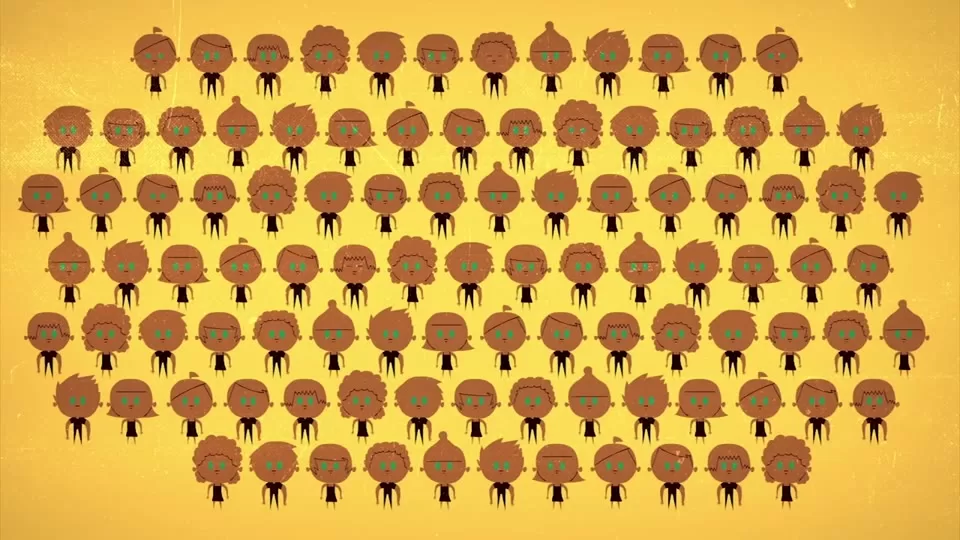
So both wait. That first night matters. When neither person leaves, each gains new information. Adria realizes that Bill must also be seeing a green-eyed person waiting beside him. If Bill had seen only one possible target and knew it could only be him, he would have stepped forward immediately. Bill reaches the same conclusion about Adria.
That means both prisoners now know their own eyes must be green. On the second morning, both are gone.
It feels almost too easy once you see it. The trick is not the sentence itself. The trick is the silence that follows.
Three prisoners create one more layer of doubt
Add a third prisoner and the pattern gets one step harder. Now Adria, Bill, and Carl each see two green-eyed people. But that does not tell them whether the others are seeing two as well, or only one.
Everyone waits through the first night. No one can be sure yet. On the second day, the same uncertainty remains. Carl thinks through the possibilities. If he did not have green eyes, then Adria and Bill would each be seeing just one green-eyed person. In that case, both of them would have left on the second night.
But they do not leave. So by the third morning, Carl knows he was part of the group all along. Adria and Bill are making the same deduction at the same time, and they all leave on the third night.
The pattern is starting to show itself. With three people, the answer comes on day three. With two people, it came on day two. The waiting period grows by one each time the number of green-eyed prisoners grows by one.
The chain reaction behind the full 100-person puzzle
Once you understand the smaller cases, the full version is just a longer chain of the same logic. Each prisoner sees 99 others with green eyes. But nobody can tell whether they themselves are included in that count.
The visitor’s statement does not reveal a new fact about the island’s population. Instead, it makes that fact public in a special way. Everyone hears it at once. That matters because now every prisoner knows that everyone else heard it too. And everyone knows that everyone knows that everyone else heard it. The layers keep stacking.
This is where the idea of common knowledge comes in. A fact becomes common knowledge when everybody knows it, everybody knows that everybody knows it, and so on. Philosophers use that phrase for a reason. It describes the exact difference between a private guess and a public certainty.
Before the statement, the prisoners could count green-eyed faces, but they lacked the final shared assumption needed to start the chain. After the statement, the whole group enters the same reasoning loop. Each night of waiting rules out one more possibility.
So on the hundredth morning, everyone finally leaves. Not because they suddenly saw their own reflection. Not because somebody whispered the answer. They left because the shared silence of 99 previous nights had done the work for them.
Why the sentence must be public
The wording also explains why the speaker is limited to one public statement. If the message were private, it would not create the same shared base for reasoning. The prisoners would hear it individually, but they would not all know that everyone else heard it at the same moment.
That difference is subtle, but it is the whole puzzle. The sentence does not add new information about eye color. It changes the status of the information. It turns something already believed by each prisoner into something everyone can safely build on.
That is why logic puzzles like this feel almost magical. The facts are ordinary. The conclusion is not. One sentence, no matter how boring it sounds, can change how a group of perfectly rational people think about what everyone else knows.
And once the reasoning starts, it cannot really stop halfway. If one prisoner is certain enough to act, then another becomes certain a night later, and another after that. The whole group moves together, just not all at once.
A shortcut that would have saved 98 days
There is even a small twist at the end. The one hundred-prisoner version is not the shortest possible route. If the public statement had been, “At least 99 of you have green eyes,” then the prisoners would have saved 98 days of waiting.
That works for the same reason. The new statement would still become common knowledge, and the group would still be able to build a clean chain of deductions. It would just start closer to the finish line.
Of course, that kind of help is risky when a dictator is involved. A safer head start is better than a cleverer one if the person in charge is the type who likes volcanoes.
The puzzle stays famous because it turns simple counting into a lesson about shared certainty. Once you see that, the answer feels obvious. Before that, it feels impossible.
Why doesn’t the statement count as new information?
Because each prisoner already sees at least one green-eyed person. The real change is that the fact becomes publicly shared and mutually known.
Why do the prisoners wait at all?
They wait because leaving too early could mean death. Since they are perfect logicians, they act only when the reasoning leaves no doubt.
Does the same logic work for any number of prisoners?
Yes. The same pattern works whether there are two prisoners or one hundred. The number of nights of waiting matches the number of green-eyed prisoners.