A rare trait among mammals
Periods are not something most mammals deal with. In fact, menstruation is unusual enough that only a small group of species do it: monkeys, apes, bats, humans, and possibly elephant shrews. That alone makes it interesting. Why would the body keep doing something that costs nutrients and can be uncomfortable?

The short answer is that menstruation is tied to the way pregnancy works. It is not just a monthly nuisance with no purpose. It is part of a system that helps the body decide when pregnancy is likely to succeed and when it is safer to start over.
Pregnancy is a biological trade-off
Pregnancy sounds simple when people describe it in broad terms: a fetus grows inside the uterus, gets nutrients, and develops until birth. But the reality is messier. A mother and her fetus do not share exactly the same genetic interests. The fetus carries genes from both parents, and some of those genes can push for more resources than the mother would ideally provide.
That sounds harsh, but it is a basic part of evolution. Every living thing is under pressure to pass on its genes. For a mother, that means investing in offspring carefully, not endlessly. For the fetus, it means trying to get as much support as possible. Inside the womb, those pressures can clash.
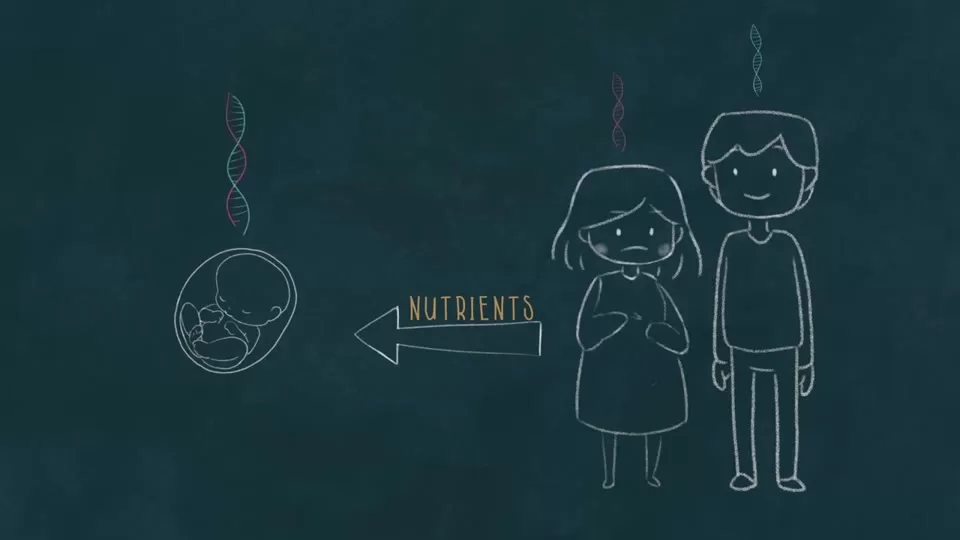
The placenta sits right at the center of this conflict. It is the fetal organ that connects to the mother’s blood supply and feeds the developing baby. In many mammals, the placenta stays behind a barrier of maternal cells, which gives the mother more control over what reaches the fetus. In humans and a few other species, though, the placenta digs deeper and directly accesses the bloodstream.
When the fetus gets too much control
Direct access to the bloodstream is a big deal. Through the placenta, the fetus can influence the mother’s body in ways that keep nutrient-rich blood flowing. It can also increase blood sugar, widen arteries, and raise blood pressure. That helps the fetus grow, but it can put the mother under real strain.
Pregnancy can be exhausting. It can also become dangerous. High blood pressure, diabetes, and preeclampsia are all examples of the kinds of problems that can come along for the ride. Even just the basic need to support a growing fetus is a major investment for the body.
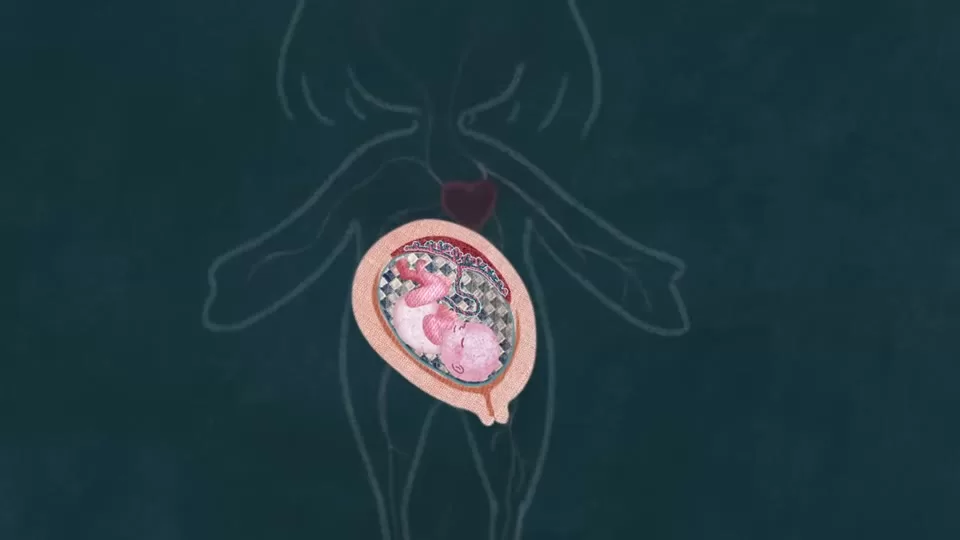
There is another important difference here, too. Many mammal mothers can expel or reabsorb embryos if needed, but in humans, once the fetus is attached to the blood supply, breaking that connection can cause serious bleeding. That means the body has a strong reason to be selective before pregnancy gets too far along.
Why implantation is such a picky process
Pregnancy begins with implantation, when the embryo embeds itself in the endometrium, the lining of the uterus. The endometrium is not just passive tissue sitting there. It has evolved to make implantation difficult on purpose, so that only embryos strong enough to survive the challenge make it through.
That sounds like a smart filter, and in a way it is. But there is a catch. The more the endometrium resists implantation, the more it favors the embryos that can invade most aggressively. Over time, that creates an evolutionary back-and-forth: the uterus becomes harder to breach, and embryos become better at breaching it.
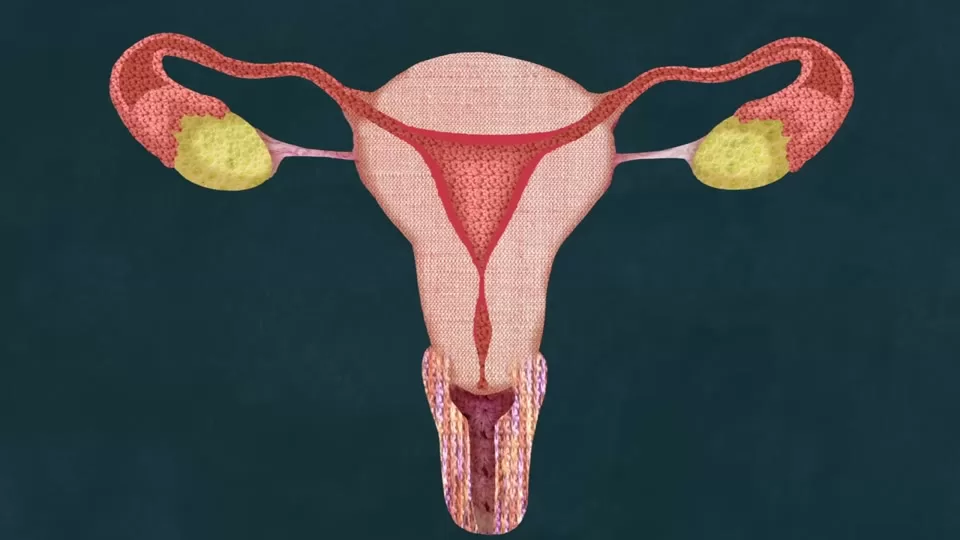
The process is almost like a very precise hormonal conversation. The embryo sends signals. The endometrium changes in response. If everything lines up well, implantation succeeds. If not, the embryo may attach badly, only partly penetrate the tissue, or fail altogether.
What happens when implantation fails
An embryo that does not develop properly is not just a non-event. It can still be a problem. While it is slowly dying, it may leave the mother exposed to infection, and it may keep sending hormonal signals that interfere with the surrounding tissue. In other words, a failed pregnancy is not always harmless.
So the body takes a pretty blunt approach. If ovulation does not lead to a healthy pregnancy, the uterus sheds its endometrial lining. That lining can take with it any unfertilized eggs, along with sick, dying, or dead embryos. The cleanup process is menstruation.
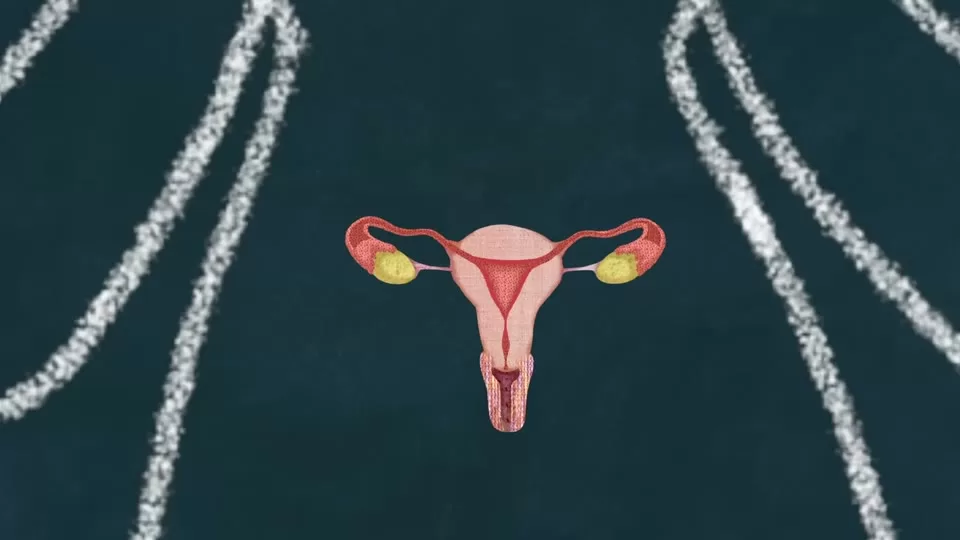
That is what the period really is: a reset. Not a random accident, and not a flaw. It is a protective way for the body to clear out risky tissue and prepare for the next cycle of ovulation and possible pregnancy.
A costly process that serves a purpose
Menstruation may seem wasteful at first glance, because the body is losing nutrients and tissue. But when you look at the bigger picture, it makes sense. Pregnancy is a huge commitment. It can shape the mother’s body in powerful ways, and sometimes it can become dangerous. The menstrual cycle helps screen for situations that are not likely to end well.
That does not make periods pleasant. They are still inconvenient, and sometimes painful. But biologically, they are part of a careful system that balances reproduction with protection. The body is not just preparing for pregnancy. It is also checking whether pregnancy is worth continuing.
That strange monthly process, then, is not really strange at all once you follow the logic behind it. It is one of the ways the human body manages risk while still making reproduction possible.