A long trip for every meal
Every bite you swallow starts a surprisingly long journey. Food passes through a tube that stretches through the torso, but it is not just being moved along for the ride. It is being broken apart, mixed, sorted, absorbed, and finally cleared out.
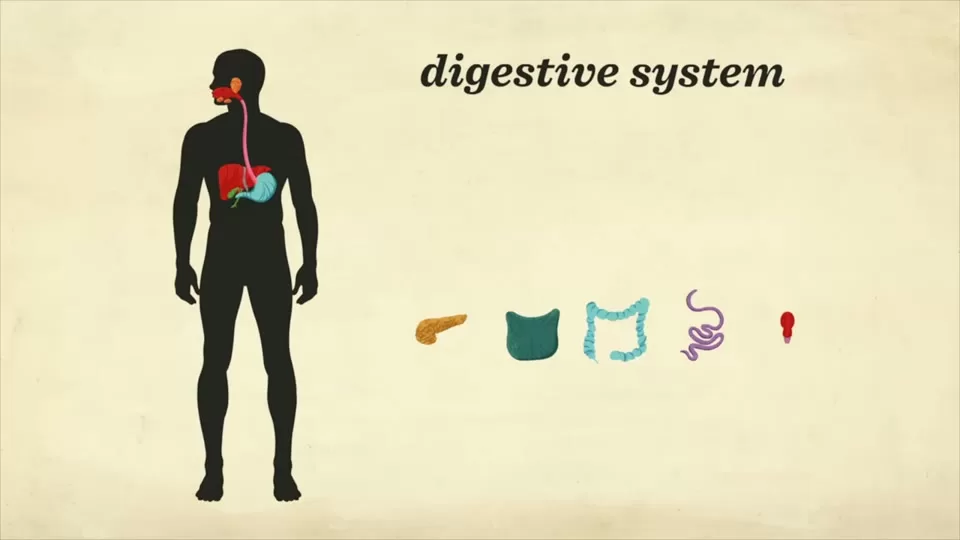
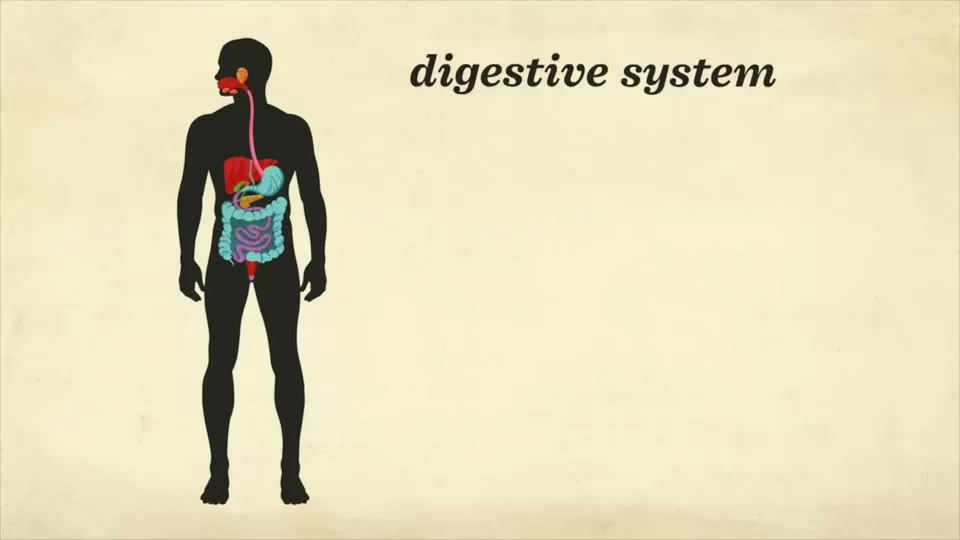
The whole system is built for one job: turning raw food into energy and nutrients the body can actually use. That sounds simple, but the machinery behind it is anything but. The digestive tract includes the mouth, esophagus, stomach, small intestine, large intestine, and several helper organs. Together they form a network that works almost nonstop.
One useful way to think about it is this: digestion prepares food, and absorption lets those nutrients cross into the body’s internal environment. Until that happens, the food is still technically in the gut lumen, which means it is still outside the body’s tissues in a very real sense.
That may sound like a technical detail, but it matters. Chewing, stomach acid, and intestinal enzymes are all part of the prep work. The real payoff comes when the gut wall opens the door and lets nutrients in.
The mouth starts the process early
Digestion does not begin in the stomach. It begins much earlier, even before food reaches the tongue. The mouth gets ready by producing saliva, and that liquid does more than just make swallowing easier.
Chewing and saliva work together to form a soft lump called a bolus. Saliva also contains enzymes that start breaking down starches right away. So the first stage of digestion is partly mechanical and partly chemical. Teeth tear and grind. Saliva wets and begins the breakdown.
That early mixing is more important than it sounds. If food stays in large dry pieces, everything downstream has a harder job. A moist, well-chewed bolus moves more smoothly into the esophagus and gives digestive enzymes a better chance to do their work.
Quick comparison:
- Chewing = physical breakdown
- Saliva = lubrication and starch digestion
- Bolus = the swallowed mass ready for transport
Why the esophagus feels like a conveyor belt
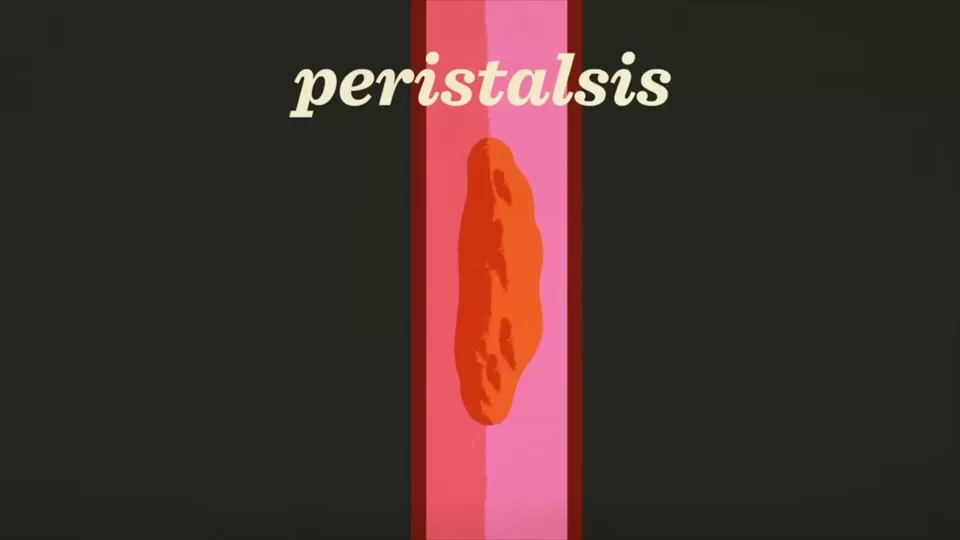
Once the bolus leaves the mouth, it enters the esophagus, a short muscular tube that links the throat to the stomach. Food does not simply fall through it. The walls contract in a wave-like motion called peristalsis, which pushes the bolus downward.
This is one of those body processes most people never notice unless something goes wrong. The movement is automatic. You do not need gravity to make it work, either. Even if you were lying down, the esophagus would still be able to move food along.
From there, the stomach takes over. Its job is not delicate. It churns food, mixing it with acid and enzyme-rich gastric juices so proteins begin to break apart and the whole mass becomes more fluid. The result is a soupy mixture called chyme.
It is worth adding one important correction here: the stomach is strongly acidic, but it is not unprotected. The stomach lining defends itself with a mucus barrier and other safeguards, which keep the acid and enzymes from damaging the tissue that produces them.
The stomach, liver, gallbladder, and pancreas work as a team
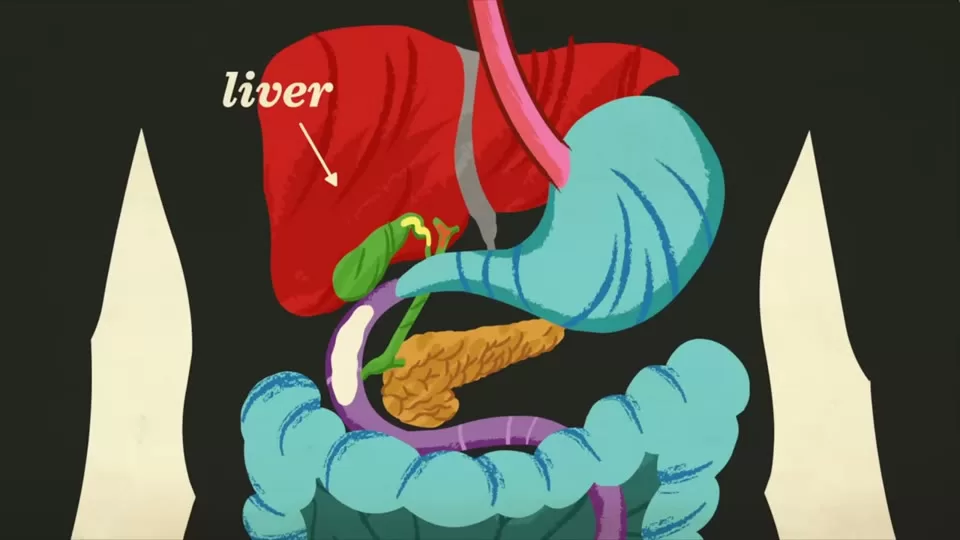
The stomach does some chemical digestion on its own, but it also sends signals to nearby helper organs. That is where the liver, gallbladder, and pancreas come in. They are not just background characters. They are essential.
The liver makes bile, the gallbladder stores and releases it, and the pancreas sends in digestive fluid with enzymes plus bicarbonate. Bicarbonate matters because the chyme coming from the stomach is acidic. Neutralizing that acid creates a friendlier pH for enzymes in the small intestine and helps shut down pepsin, the stomach enzyme that works best in acid.
Bile is often described as if it “digests” fat, but that is not quite right. Bile salts emulsify fat, which means they break big globules into tiny droplets. That gives pancreatic lipase much more surface to work on and helps the body absorb fats and fat-soluble vitamins later on. Think of it as turning one giant greasy blob into a lot of smaller targets.
If you like simple mental images, this stage is a lot like an assembly line. The stomach loosens the meal. Bile and pancreatic juice prepare it for detailed breakdown. Then the small intestine finishes the job.
Why the small intestine is the real workhorse
Most of the chemical breakdown and nearly all the important absorption happen in the small intestine. The first part, the duodenum, receives bile and pancreatic fluid. Then the jejunum and ileum take over the heavy lifting.
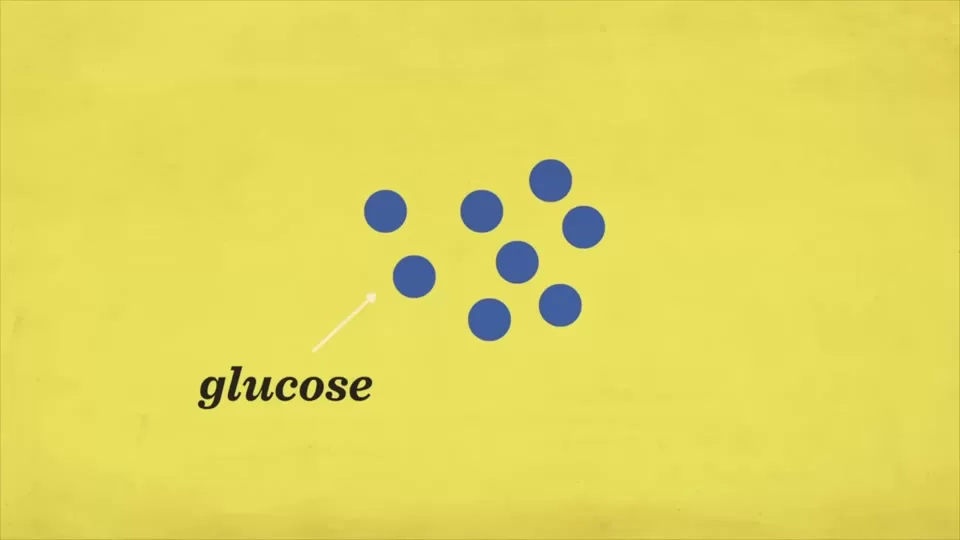
By this point, carbohydrates are being reduced to simple sugars such as glucose, proteins to amino acids, and fats to smaller components that can be absorbed. But the intestine does not just rely on enzymes. Its lining is covered with millions of tiny projections called villi, which massively increase surface area. More surface area means more absorption. Simple as that.
Where those nutrients go depends on what they are. Most sugars and amino acids enter blood capillaries in the villi and travel first to the liver through the hepatic portal vein. Many long-chain fats and fat-soluble vitamins, on the other hand, enter lymphatic vessels called lacteals before they eventually reach the bloodstream.
That split route is easy to miss, but it is one of the most interesting parts of digestion. The body does not treat every nutrient the same way. It routes them according to chemistry and size.
What the colon does with the leftovers
After the body takes what it needs, the remaining material moves into the large intestine, or colon. This is where water is pulled back out and the leftovers start turning into stool. Fiber, dead cells, and material the body could not digest are part of that mix.
The colon is also home to a busy microbial community. Those microbes help break down some carbohydrate residues that human enzymes cannot handle on their own, and they can produce helpful substances such as vitamin K. The gut microbiome is not just sitting there. It is actively involved in digestion and can even influence how well nutrients are absorbed.
That is one reason changes in diet or antibiotic use can matter. If the microbial balance shifts, nutrient handling can shift too. Nothing about the lower gut is as simple as “waste storage.” It is more like a final processing plant.
When the stool reaches the rectum, stretch-sensitive nerves signal that the body needs to empty it. The waste then leaves through the anus. The whole trip usually takes somewhere in the neighborhood of a day and a half, but timing varies a lot from person to person. A rough comparison is about six hours through the stomach and small intestine, followed by as much as 36 to 48 hours through the colon.