A bad day is not always Kafkaesque
The word Kafkaesque gets tossed around a lot. A slow office line, a confusing form, a rude customer service call — people call all of it Kafkaesque. But that use is a little too loose.
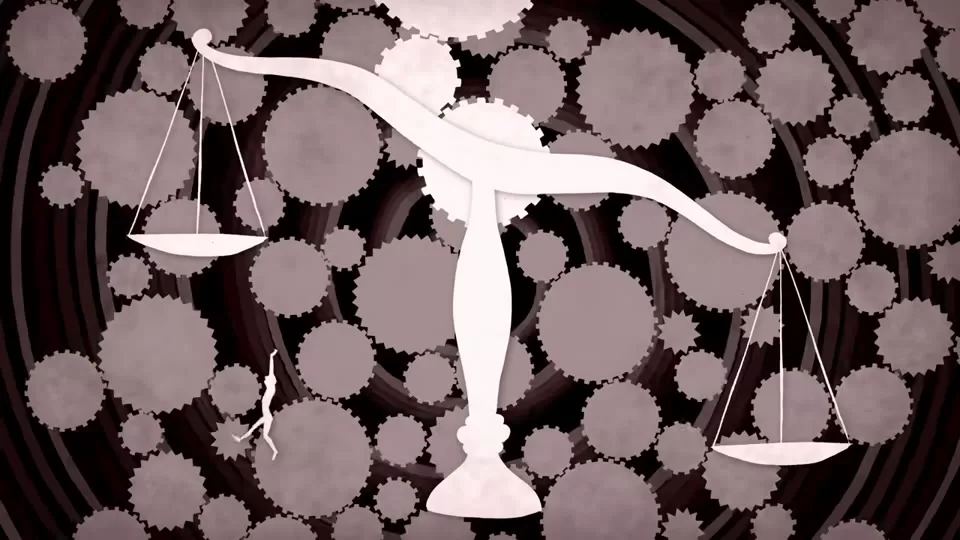
A truly Kafkaesque situation is more disturbing than mere inconvenience. It usually starts in a normal, recognizable setting, then slides into something irrational. The rules are unclear. The authority is hard to reach or impossible to understand. And the person trapped inside the situation starts feeling less like a citizen or worker and more like a bug caught under a glass.
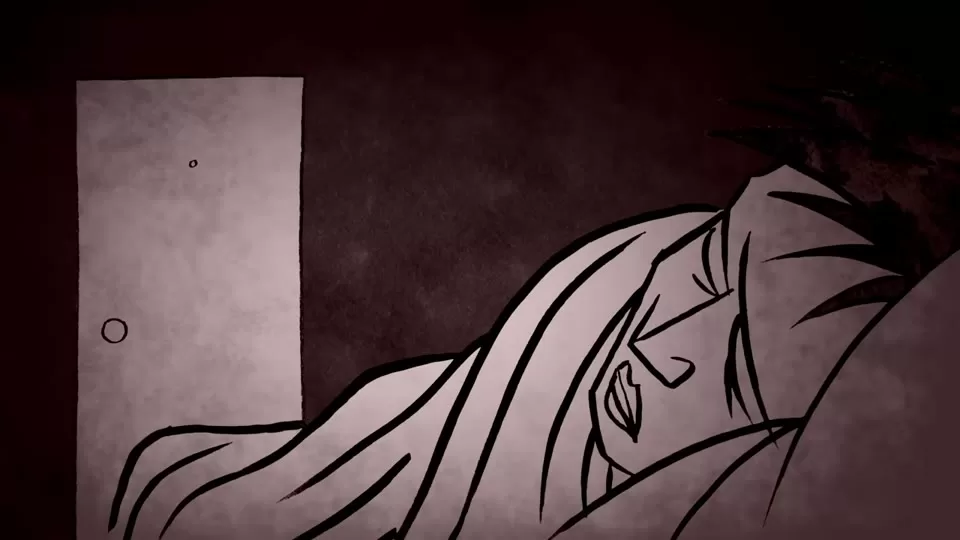
The term itself is newer than Franz Kafka’s life. It entered English decades after his death, around the mid-1940s, and it originally meant something broader than “bureaucracy is annoying.” That matters, because Kafka’s fiction is not just about red tape. It is about power that feels impersonal, logic that turns in circles, and people who can’t quite tell whether they are guilty, innocent, or simply lost.
Why The Trial feels so unsettling
Kafka’s best-known novel, The Trial, opens with one of literature’s strangest arrests. Josef K. is told, in effect, that he has been accused of something, but he is never properly told what that something is. That is the nightmare. Not just punishment, but incomprehensible process.
The book was written in 1914 and 1915 but published only after Kafka’s death, in 1925, with help from his friend Max Brod. It was left unfinished, and that unfinished quality fits the story’s mood perfectly. Josef K. keeps moving from one room, office, interview, and vague instruction to the next, but nothing ever resolves cleanly. The system keeps going. He does not.
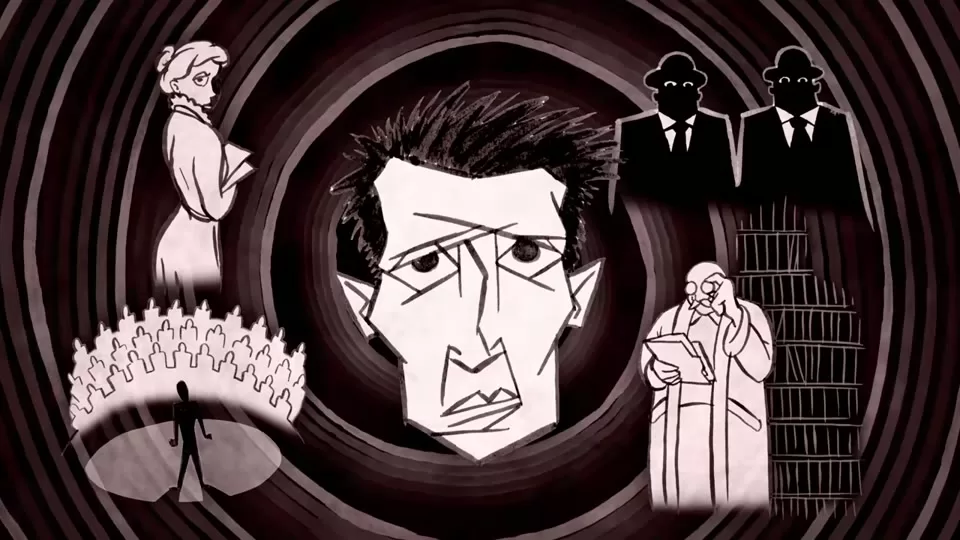
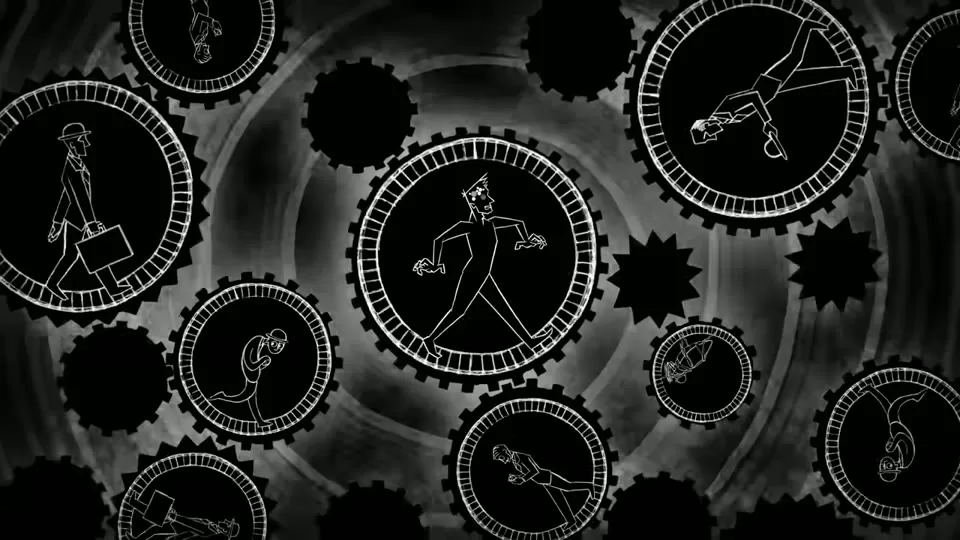
That is one reason the novel still feels so modern. The problem is not just that the law is harsh. It is that the law seems to have its own momentum, almost like a machine no one fully controls. If you like strange logic puzzles and systems with hidden rules, you might also enjoy Hilbert’s Infinite Hotel paradox or the careful reasoning behind the prisoner hat riddle.
The real Kafkaesque mix: ordinary life plus broken logic
What makes Kafka’s work so memorable is not just the weirdness. It is the way the weirdness is dropped into everyday life. The setting often feels familiar at first: a workplace, a court, a boarding house, a circus, a family home. Then something impossible or absurd becomes normal inside that world.
In The Metamorphosis, Gregor Samsa wakes up changed into a giant insect-like creature. Yet his first thought is not “What happened to me?” It is whether he can still get to work on time. That tiny detail says a lot. He is so trained by routine that even a grotesque transformation does not stop his habit of worrying about duty.
One small caution is worth making here: the original German word Kafka used for Gregor’s form, Ungeziefer, is vague. It does not name a precise species. Translations vary between “vermin,” “bug,” and “insect.” So calling Gregor a beetle is more of an interpretation than a literal translation. That kind of ambiguity is very Kafka-like all by itself.
It is not only bureaucracy. It is circular thinking
It is easy to reduce Kafka to paperwork and office misery, but that misses something important. His characters often help trap themselves. They reason badly, cling to the wrong goal, or act in ways that make the situation worse.
A good example is Poseidon. In that story, the sea god is buried in office work and paperwork so overwhelming that he never even gets to explore his own underwater realm. The joke is obvious enough: even a god can be swallowed by administration. But the deeper sting is that Poseidon refuses to delegate because he thinks everyone else is unworthy. So the trap is partly external, but partly self-made too.

That mix of outside pressure and inner stubbornness is often what gives Kafka’s stories their ache. The protagonist is not just blocked by the world. He is also blocked by his own way of thinking. That is why a Kafkaesque situation can feel so maddening: escape seems possible, but every attempt to escape feeds the same dead end.
A hunger artist who turns his own suffering into a trap
A Hunger Artist takes the idea in another direction. The performer fasts for long periods and resents the circus master’s limit of 40 days. He believes that rule keeps him from reaching greatness. Later, when his act is no longer popular and he is finally left alone, the story reveals something even sadder: he was never noble in the way he imagined.
As he is dying, he admits that he fasted not because of heroic discipline, but because he simply never found food he liked. That twist is classic Kafka. It pulls the rug out from under the self-image of the character. The grand story he told himself was built on a much smaller and more ordinary truth.
That is another useful clue for spotting Kafkaesque writing or situations. There is often a cruel mismatch between how a person sees himself and how the world actually works. Pride, self-importance, and hidden vanity can become part of the trap. The cage does not always come from the outside.
Why the authority feels everywhere and nowhere
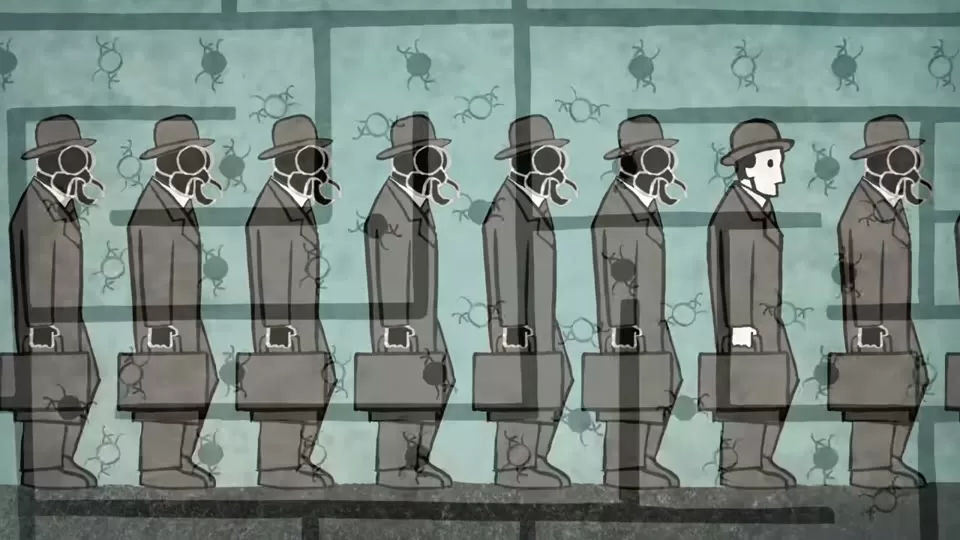
In Kafka’s world, power is usually impersonal. It is not always a villain twirling a mustache. More often, it is spread across offices, procedures, middlemen, rules, and vague instructions. Nobody seems fully responsible, which is exactly what makes it so creepy.
That idea connects well with Hannah Arendt’s phrase “rule by Nobody.” The point is not that there is no power. The point is that power operates without a single visible tyrant. A form gets rejected. A clerk shrugs. An official says the matter is above their level. The next person sends you back to the first room. Round and round it goes.

If that sounds familiar, it is because modern life can work like that too. We are often judged by systems we cannot see clearly and asked to obey rules we only partly understand. Kafka did not invent that experience, but he captured its emotional shape better than almost anyone else.
So what should “Kafkaesque” mean?
If you want a practical working definition, keep it simple. Kafkaesque usually means more than frustration, and more than bureaucracy alone. It points to a situation with a few of these ingredients:
- a normal setting that becomes strangely unreal
- rules that are hidden, shifting, or impossible to understand
- authority that feels distant, faceless, or indifferent
- a sense that trying to comply may actually deepen the trap
- dark humor mixed with helplessness
That last part matters. Kafka is bleak, but he is also funny in a very dry, unsettling way. The absurdity is part of the pain. A situation becomes Kafkaesque when it is both ridiculous and terrifying at the same time.
So the next time someone uses the word for a slow website or a bad queue, it is fair to ask: is this just annoying, or is it actually creating that deeper feeling of being stuck in a system that does not quite make sense? That difference is the heart of Kafka.