A telescope can be much more than just a gift — it can be a doorway into science, curiosity, and long evenings of discovery under the night sky. For a 10-year-old child, observing the Moon’s craters or spotting bright planets like Jupiter and Saturn can become an unforgettable experience.
However, many parents face the same question: Which telescope is actually suitable for a child of this age? The answer depends on simplicity, quality, and realistic expectations.
In this guide, we’ll look at what really matters when choosing a telescope for a 10-year-old and how to avoid common mistakes.
Why a Telescope Is a Valuable Educational Tool
At the age of 10, children are naturally curious about how the world works. Astronomy encourages scientific thinking, patience, and observation skills. Using a telescope teaches:
- basic understanding of optics and light
- responsibility for handling equipment
- focus and attention to detail
- interest in science and exploration
Unlike many electronic toys, a telescope invites real-world learning and shared family experiences.
Main Types of Telescopes
Before choosing a model, it’s important to understand the basic types available.
1. Refractor Telescopes (Lens-Based)
- Easy to use
- Low maintenance
- Great for observing the Moon and planets
These are often recommended for beginners because they are simple to set up and operate.
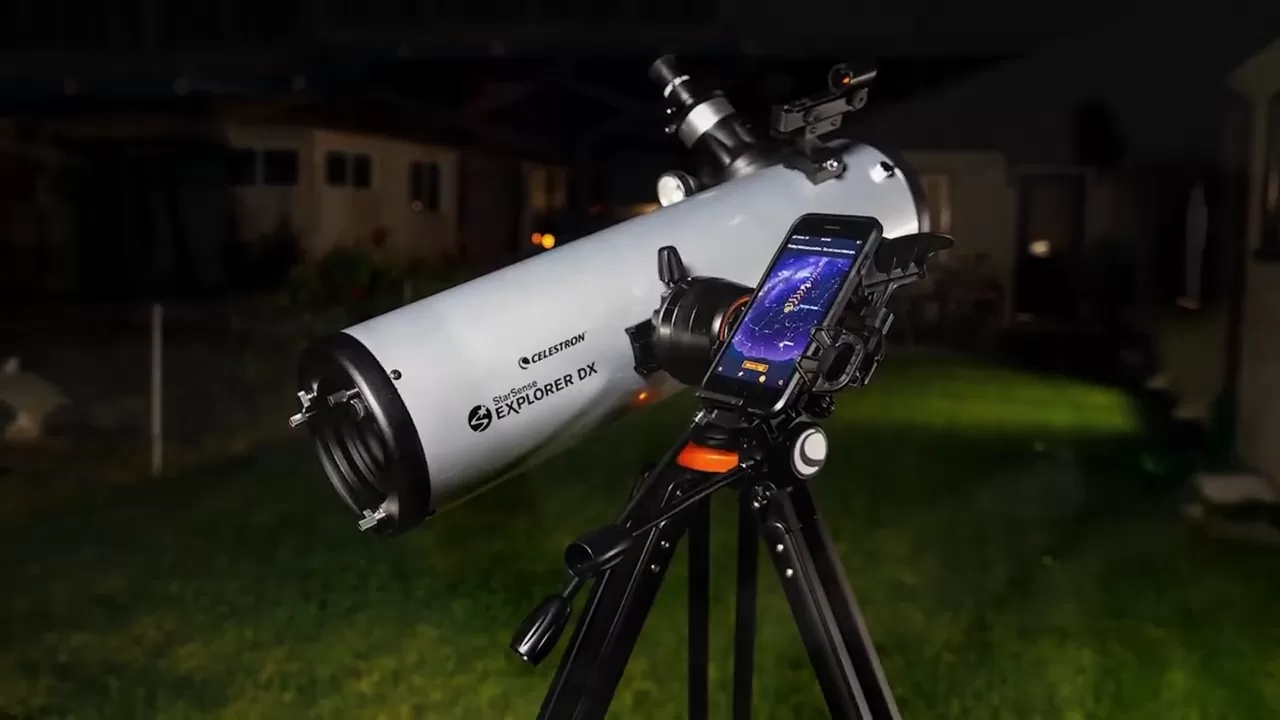
2. Reflector Telescopes (Mirror-Based)
- Provide brighter images for deep-sky objects
- Suitable for viewing galaxies and nebulae
- Require occasional alignment
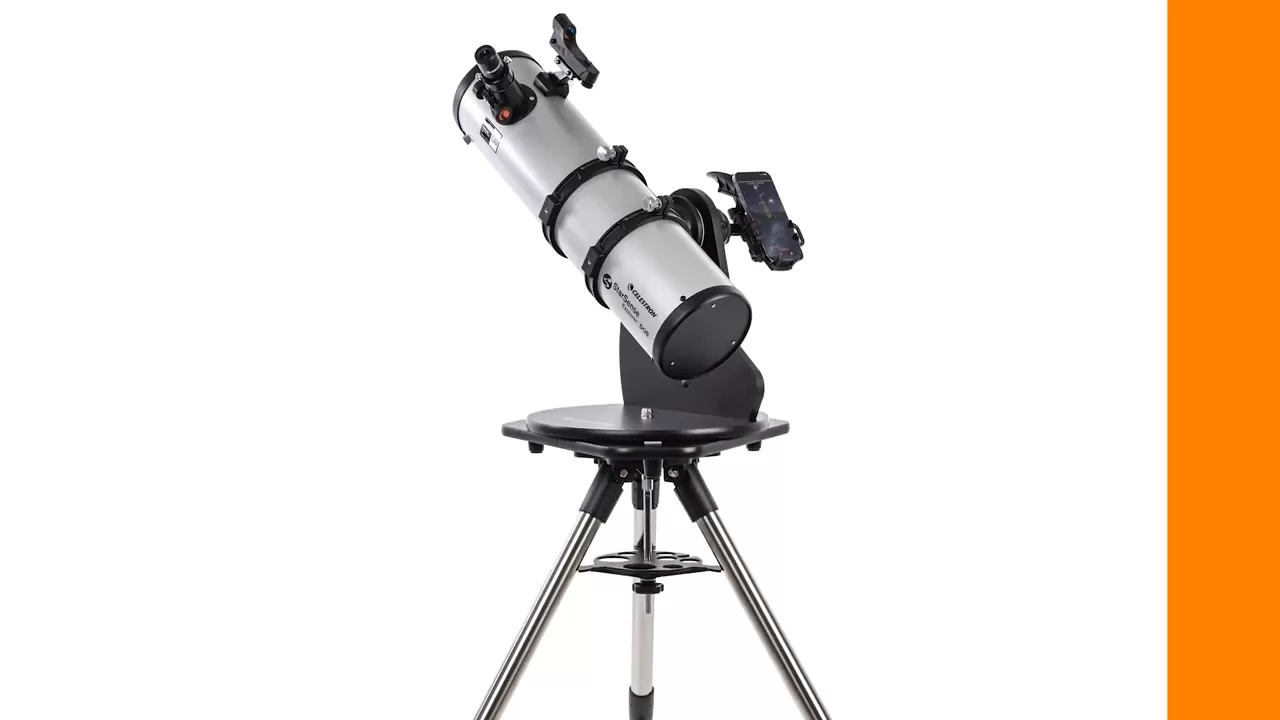
Reflectors can offer excellent value for the price but may require more adjustment.
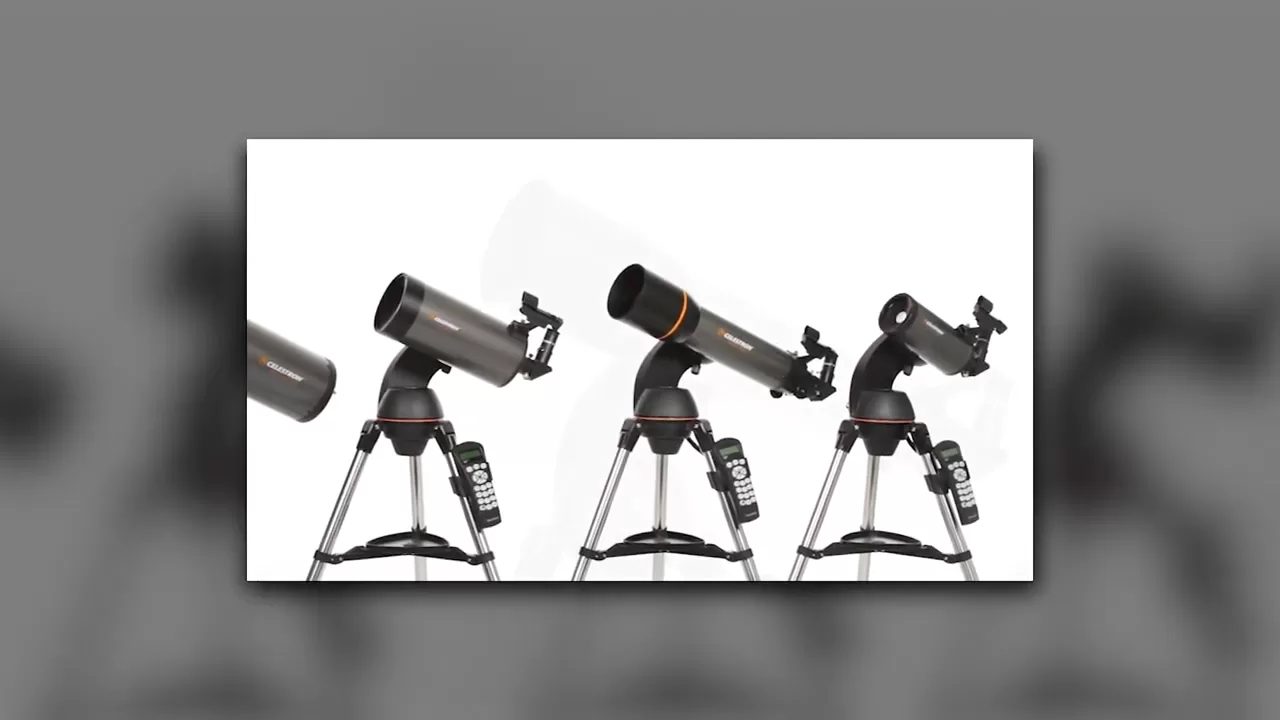
3. Compound (Catadioptric) Telescopes
- Compact and versatile
- Good for various types of observations
- Typically more expensive
For a 10-year-old beginner, refractors or small reflectors are usually the most practical choice.
Key Features to Consider
Aperture (Objective Diameter)
The aperture determines how much light the telescope collects. A larger aperture provides brighter and clearer images. For children, models with an aperture between 70 mm and 114 mm are generally sufficient.
Magnification
Many advertisements highlight extremely high magnification, but this can be misleading. Excessive magnification often results in blurry images if the optics are not strong enough. It is better to focus on optical quality rather than numbers.
Mount and Stability
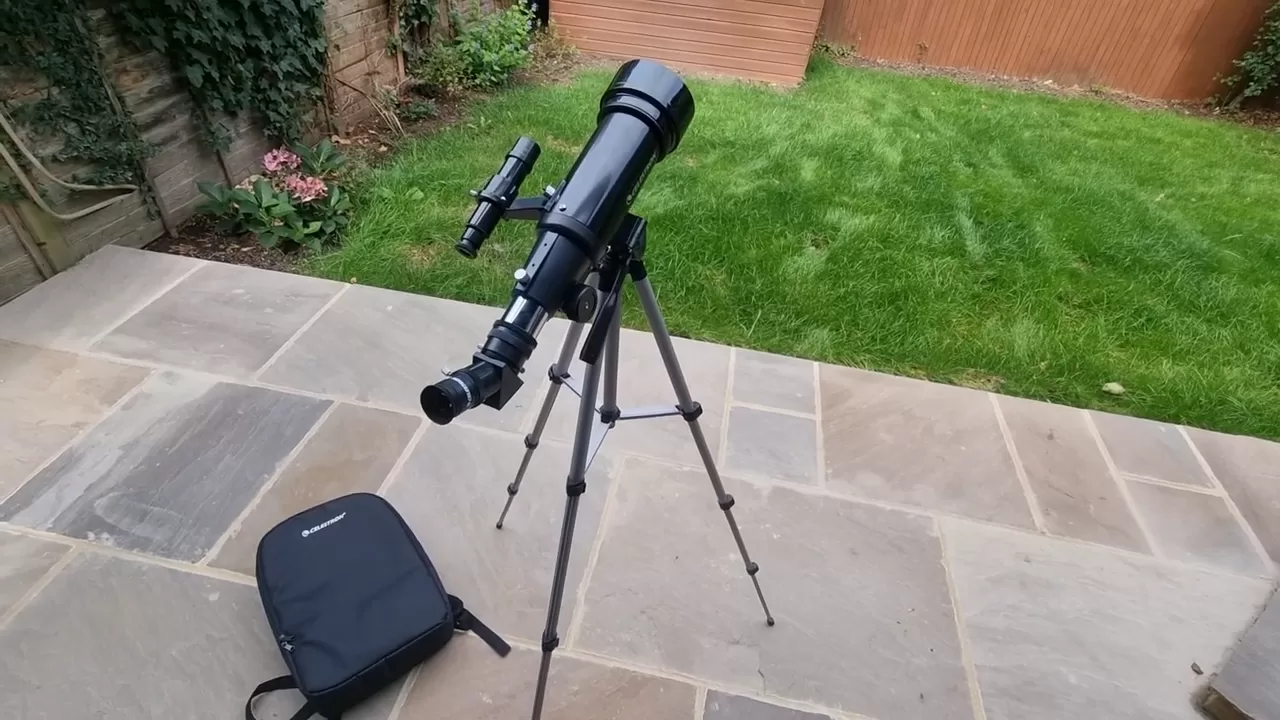
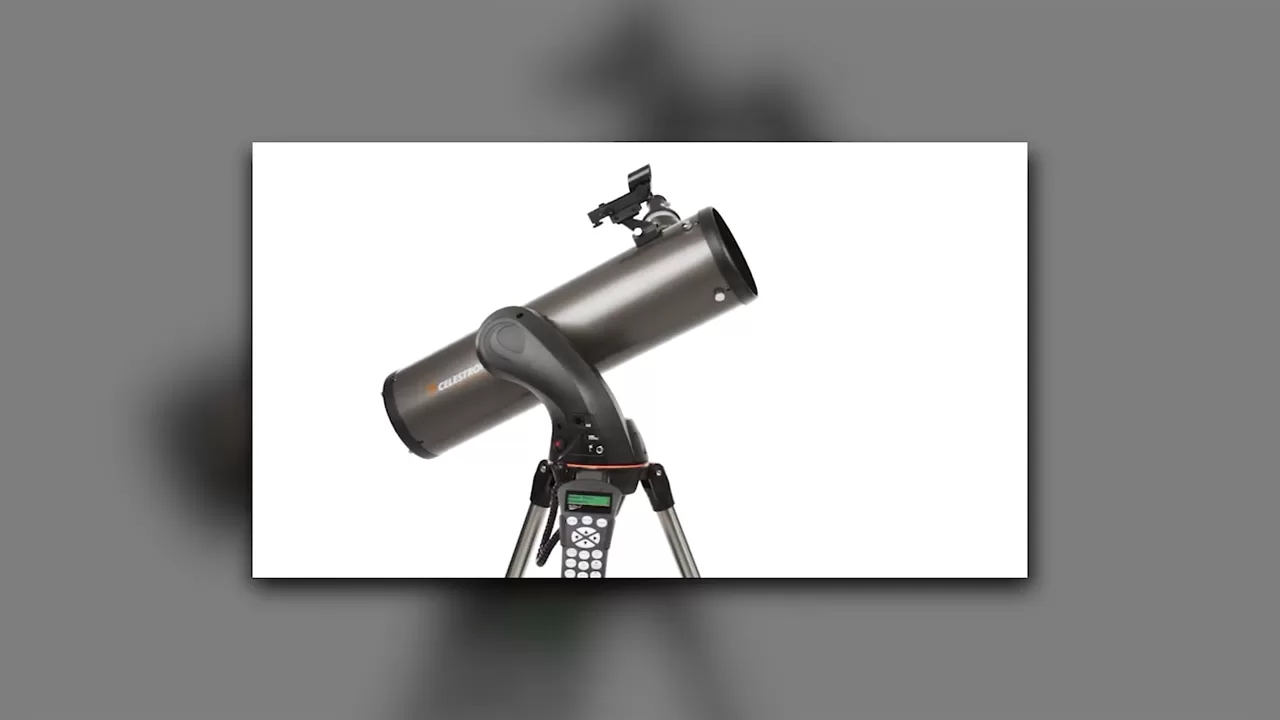
A stable tripod is essential. If the mount shakes easily, observing becomes frustrating, especially for a child. Simpler alt-azimuth mounts are usually easier for beginners than complex equatorial systems.
Practical Advice for Parents
When selecting a telescope for a 10-year-old, keep these factors in mind:
- Choose a model that is easy to assemble and operate.
- Avoid overly complicated professional equipment.
- Make sure the telescope is lightweight enough for shared setup.
- Consider whether the child will use it independently or with adult guidance.
Clear instructions and beginner-friendly accessories make a big difference in maintaining interest.
Where to Find Additional Guidance
Before making a purchase, it’s helpful to review educational materials that compare different models and explain what works best for children. For example, the article available at
https://studopedia.ru/4_178592_Kakoy-teleskop-luchshe-vybrat-dlya-rebenka-10-let-v-Rossii.html
provides structured insights into telescope selection specifically for 10-year-old children in Russia and discusses suitable options and practical considerations.
Reading such resources can help parents make a more informed decision.
Common Mistakes to Avoid
When buying a telescope, parents sometimes:
- Choose based solely on the highest magnification
- Purchase very cheap models with poor optics
- Ignore the importance of a stable mount
- Expect professional-level images immediately
Setting realistic expectations ensures that the child enjoys the experience rather than becoming disappointed.
Final Thoughts
Choosing the right telescope for a 10-year-old is about balance. It should be simple, reliable, and capable of showing exciting celestial objects without overwhelming the child.
A well-chosen telescope can spark a lifelong interest in science and astronomy. More importantly, it can create meaningful family moments — standing together under the night sky, exploring the universe one observation at a time.