Why lie detection keeps missing the point
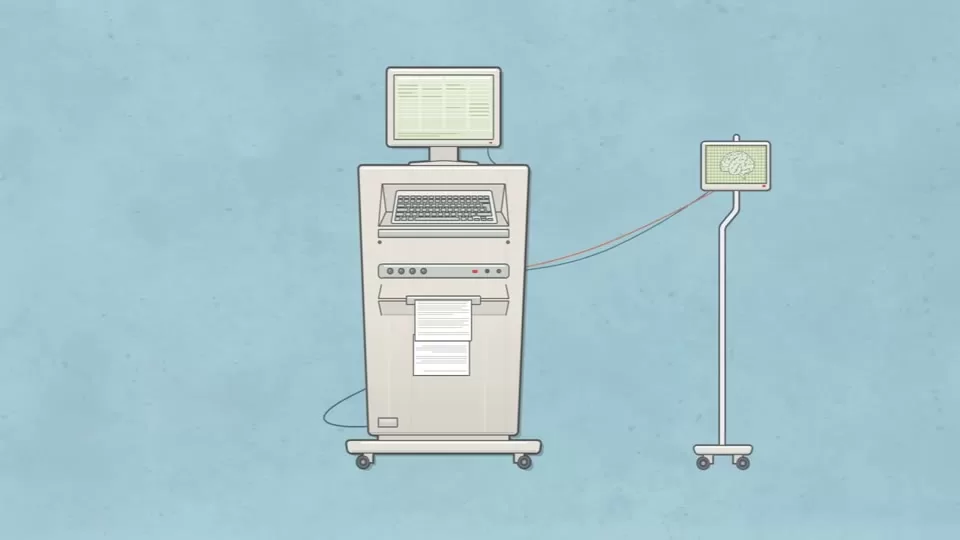
Most people think lie detection starts with the body. A racing pulse. A change in breathing. Maybe a bead of sweat. For a long time, that was the main idea behind lie detectors, from old torture devices to modern polygraphs and scanners that try to track everything from blood pressure to brain activity.
But those tools have a big weakness. With enough preparation, they can often be fooled. And in many places, they are not trusted enough to count as solid evidence in court. That raises an awkward question: what if the problem is not just the gadget, but the assumption behind it?

Maybe lying does not always show up first in the body. Maybe it shows up in speech.
Why lies sound different from honest stories
People usually lie for a reason. They want to protect themselves, improve their image, avoid trouble, or make a situation look better than it is. That does not mean every lie is dramatic. In fact, many are small and ordinary. Still, even a simple lie takes mental effort.
When someone tells the truth, they are usually pulling from real experience. A lie is different. It has to be built, organized, and kept straight. That is where language starts to matter. A false story is often not just a different story. It is a story with a different shape.

Researchers who study language use a method called linguistic text analysis, which looks at patterns in the words people choose. That kind of analysis has pointed to four common habits that show up again and again in deceptive speech.
The four word patterns that often appear in lies
1. Less self-reference
Liars often talk about themselves less. They may lean on the third person or describe events in a way that keeps them at a distance. Compare “I didn’t host a party here” with “Absolutely no party took place at this house.” The second version sounds more detached, almost like it happened to someone else.
That distance is useful if you are trying to avoid ownership of the lie.

2. More negative language
Deceptive statements often become more negative. People may add annoyance, guilt, or irritation without meaning to. A phone excuse might turn into “Sorry, my stupid phone battery died. I hate that thing.” The extra negativity can leak through because the speaker is uncomfortable.
3. Very simple explanations
Liars often keep the core story plain and easy to follow. That sounds odd at first, but there is a reason. Complex lies are hard to maintain. The brain has to juggle details, timing, and judgment all at once, so the safest move is often to stay basic. A short, blunt denial can be easier to manage than a complicated explanation.
4. Long, padded sentences
At the same time, liars may also stretch their sentences out. They add extra words, legal-sounding phrasing, and irrelevant details that make the statement feel more solid than it really is. It can sound official. It can also sound suspiciously overworked. When a person needs a lot of words to say something simple, that is worth noticing.
What famous denials can reveal
These patterns become easier to see when you compare real examples. One striking clue is pronoun use. In a denial, a person may talk around themselves. Later, when admitting the truth, the language may become more direct and personal.
That difference showed up in the case of Lance Armstrong. In a denial, the focus was on other people and hypothetical situations, almost as if he were not really inside the story at all. In a later admission, the language shifted. He used more personal pronouns and spoke from inside his own experience. He owned the feelings, the choices, and the pressure.

John Edwards offers another clear contrast. His denial used formal, distant wording: “the woman,” “the apparent father,” “that baby.” It was long, careful, and oddly indirect. When he later admitted paternity, the language was much shorter and more personal: “I am Quinn’s father.” That is a huge difference in tone. One statement tries to avoid contact. The other steps right into responsibility.
The pattern is not magic, of course. A single clue never proves guilt by itself. But clusters of clues can be revealing, especially when the person is speaking about a topic that matters a great deal to them.
How to listen for deception without overdoing it
This kind of analysis is useful, but it should stay grounded. Most lies people hear every day are small. Someone may say they are fine when they are not. A friend may blame a dead phone. A coworker may hide embarrassment with a neat little excuse. Those moments are usually not courtroom-level scandals.
Still, it helps to listen for a few things: whether the speaker avoids saying “I,” whether the wording gets oddly negative, whether the explanation feels too simple, and whether the sentence is padded with extra fluff. None of these clues alone proves anything. But together, they can make you pause.

That pause is the useful part. It gives you a chance to ask a better question, or to notice when a story feels rehearsed instead of lived. And sometimes that is enough to keep you from trusting the wrong pitch, buying the wrong product, or getting pulled into the wrong relationship.