Why muscles need challenge
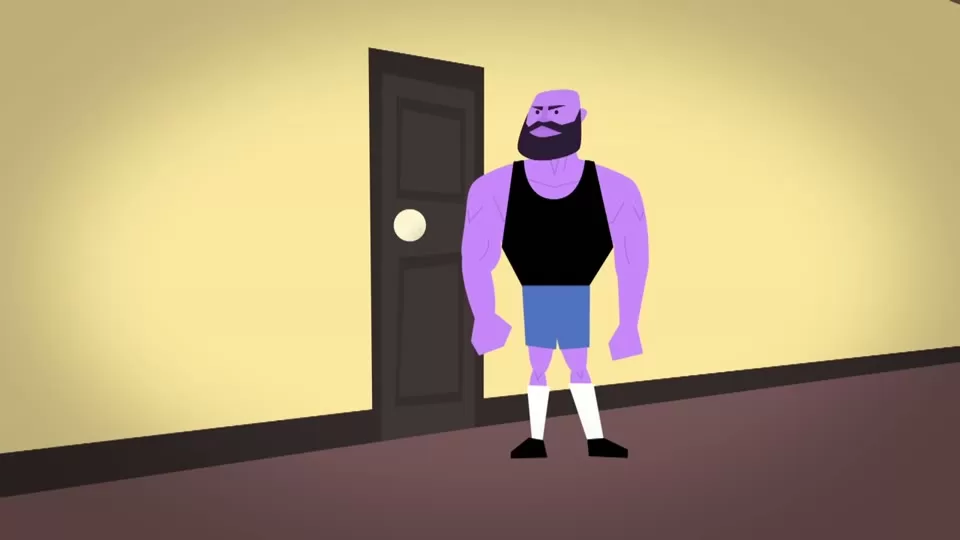
Muscles do a lot more than help us lift weights or look strong. There are more than 600 of them, and together they make up a huge share of body weight. They also help hold the body together and make movement possible. But muscles are not the kind of tissue that stays the same if you ignore them. They respond to how you use them.
That is the basic idea behind muscle growth. If muscles are given enough work, they adapt. If they are not used much, they shrink. Simple, but important.
The body is always asking a question: Is this muscle needed? If the answer is yes, it tries to keep it. If the answer is no, it gradually spends less energy maintaining it.
How a movement starts in the brain
Even something as ordinary as pulling open a door begins with a signal from the brain. That signal travels to motor neurons in the arm. Motor neurons are nerve cells that carry instructions to muscles. When they fire, the muscle fibers contract and relax in a coordinated way, which pulls on the bones and creates movement.
The harder the task, the more help the brain recruits. A light pull does not require much effort. A much heavier challenge needs more motor units, which are groups of muscle fibers and the nerve cell that controls them. More demand means more recruitment.

And if the task is especially hard, the body does not give up after calling on one muscle group. It brings in others. Feet plant. The belly tightens. The back firms up. In other words, strength is often a team effort.
Tiny damage is part of the process
Muscle growth does not come from effort alone. When muscles are pushed hard, they experience microscopic damage. That sounds bad, but in this case it is exactly what starts the repair process. The damaged fibers release cytokines, which are inflammatory molecules that help alert the immune system.
That immune response brings in repair work. The body patches the tissue, and in the process it can build the muscle back a little stronger and bigger than before. This cycle of stress, damage, and repair is what creates hypertrophy, the term for muscle growth.

Everyday movement usually is not enough to trigger much new growth because the body has already adapted to it. To keep growing, muscles need workloads they are not used to. That is why progress in strength training depends on steadily increasing the challenge.
Why resistance and eccentric work matter
One of the most effective ways to encourage growth is to expose muscles to high tension, especially when they are lengthening at the same time. That lengthening phase is called an eccentric contraction. A simple example is lowering a weight in a controlled way rather than just lifting it.
Muscles that are never challenged with resistance tend to lose size. That shrinkage is called muscular atrophy. It is the opposite of hypertrophy, and it happens when the body decides a muscle does not need to stay as large or as ready for work.

So growth is not just about effort. It is about the right kind of effort. Resistance, tension, and control matter. A lot.
Protein, hormones, and sleep do the repair work
Training is only one part of the story. If the body does not have enough nutrition, hormones, and rest, it cannot rebuild muscle properly. Protein is especially important because it supplies amino acids, the building blocks used to make new tissue.
Hormones also play a role. Naturally occurring hormones such as insulin-like growth factor and testosterone help shift the body toward repair and growth. That does not mean they act alone, but they do help create a better environment for rebuilding damaged fibers.

Most of the real repair happens during rest, especially during sleep. That is one reason recovery days are not lazy days. They are part of the growth process. Young men tend to have an advantage here because testosterone levels are generally higher, but age, sex, and genetics all affect how much muscle a person can build.
Some people also seem to have stronger immune responses to muscle damage, which may help them repair tissue more efficiently. Genetics can make the process easier or harder, even when training is similar.
The pattern that builds stronger muscle
Muscle growth really comes down to a repeated pattern: challenge the muscle, let it recover, then challenge it again. If the work is demanding enough and the body gets the fuel and rest it needs, the tissue adapts. Over time, that adaptation becomes bigger, stronger muscle.
It is a very practical idea. Muscles are not built by comfort. They are built by strain that the body can recover from. Too little stress, and there is no reason to grow. Too much stress without recovery, and the body cannot keep up.

That balance is the whole game. Tear the fibers a little. Eat well. Rest. Repeat. The body does the rest.