Why water matters so much
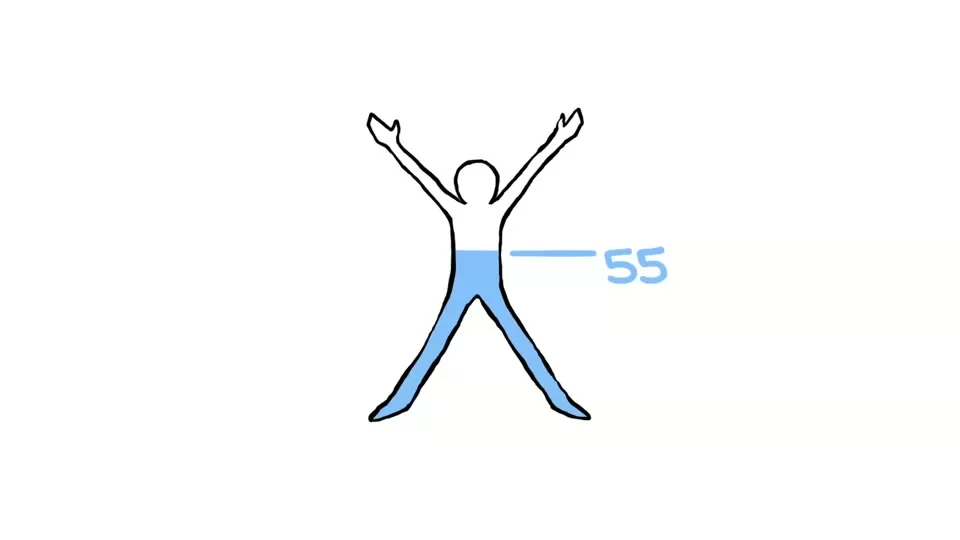
Water is everywhere. It sits in the soil, in ice caps, and, of course, inside us. In fact, the average human body is made up of about 55 to 60 percent water, depending on things like age, sex, and body composition.
Babies are even wetter. At birth, a human baby is about 75 percent water, which is part of why the body changes so much as we grow. By the first birthday, that number drops to around 65 percent. So yes, we really are watery creatures.
That water is not just there for decoration. It cushions joints, helps regulate body temperature, and supports the brain and spinal cord. The brain and heart are almost three-quarters water, lungs are even wetter, and bones — surprisingly — still contain a fair amount too.
Why we keep losing water every day
If our bodies already contain so much water, why do we need to keep drinking? Simple: we lose it all the time. Every day, the body gives off roughly two to three liters through sweat, urine, bowel movements, and even breathing.
That sounds like a lot because it is. But those are normal, necessary processes, so the body has to replace what it loses. When it doesn’t, dehydration starts to creep in. And when water intake goes too far in the other direction, over-hydration can also cause trouble.
Keeping that balance is the whole game. Not too little. Not too much.
How the body reacts when water is running low
Your brain notices low water levels first. Special sensors in the hypothalamus, a part of the brain that helps regulate body functions, trigger the release of antidiuretic hormone. That hormone tells the kidneys to hold on to more water.
The kidneys respond by creating aquaporins, which are tiny channels that help the body absorb and retain water. One visible result is darker, more concentrated urine. It’s the body’s way of saying, “Please send more water.”
As dehydration gets worse, energy drops, mood can slip, skin may become less moist, blood pressure can fall, and thinking gets harder. The brain itself can even temporarily shrink a little because it lacks water. That’s not exactly a fun trade-off for skipping a drink.
Can you drink too much water?
Yes, you can. It’s less common, but over-hydration is real. The medical term is hyponatremia, and it usually happens when someone drinks a huge amount of water in a short time.
Athletes can be at risk, especially in extreme conditions where water balance is harder to regulate. In that situation, the brain may slow or even stop releasing antidiuretic hormone, sodium in the body becomes diluted, and cells begin to swell.
In severe cases, the kidneys can’t keep up with the flood of dilute urine. That can lead to water intoxication, which may cause headache, vomiting, and, rarely, seizures or death. It’s extreme, but it shows that water balance matters in both directions.
How much water do you actually need?
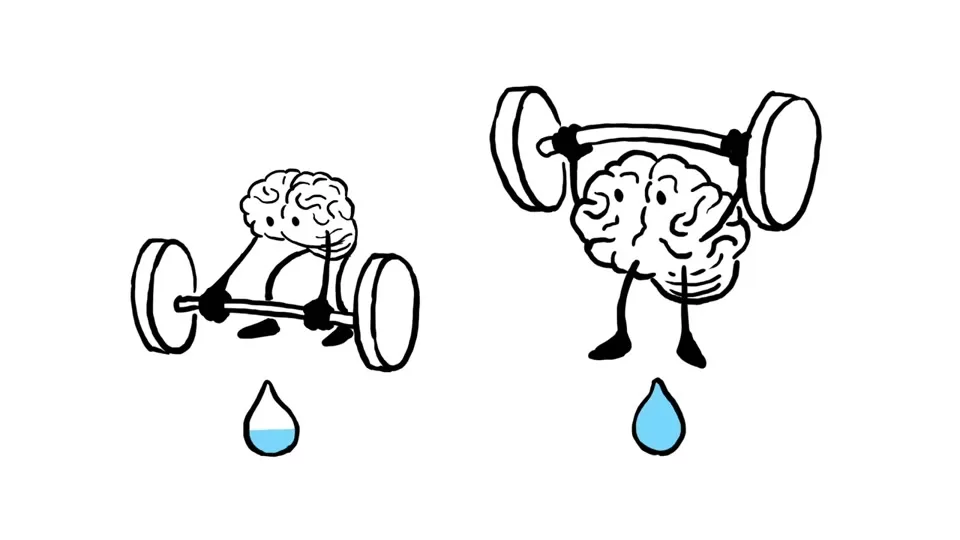
For years, people were told to drink eight glasses a day. That old rule is simpler than the reality. The truth is that water needs depend on body weight, environment, activity level, age, and whether you’re overheating or not.
The transcript gives a general range: about 2.5 to 3.7 liters of water per day for men, and about 2 to 2.7 liters for women. If you’re active, older, sick, or spending time in heat, that amount can shift up or down.
So there isn’t one magic number for everyone. A better question is: are you replacing what your body is losing?
Food and other drinks count too
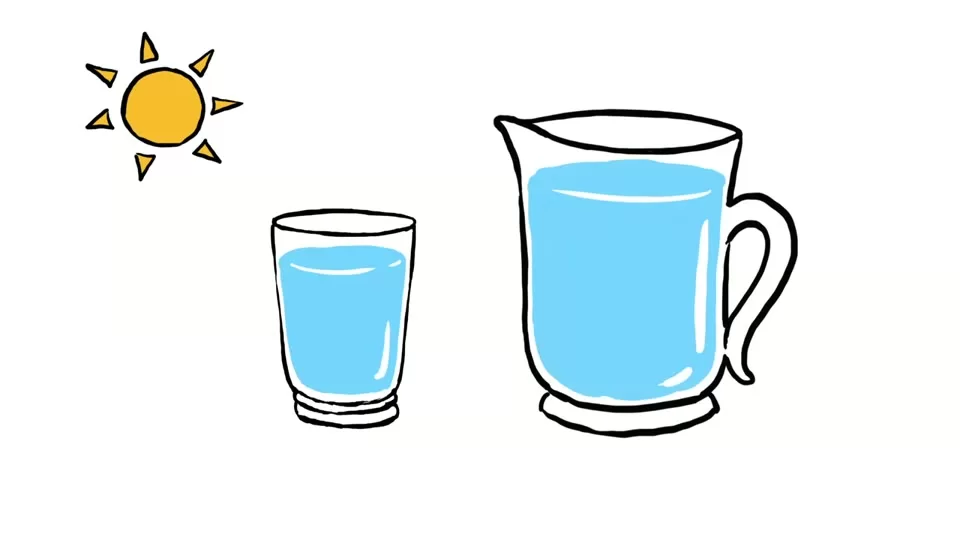
Water doesn’t only come from a glass. Other beverages help with hydration too, including drinks with caffeine like coffee or tea. And food contributes more than many people realize. About a fifth of daily water intake can come from what we eat.
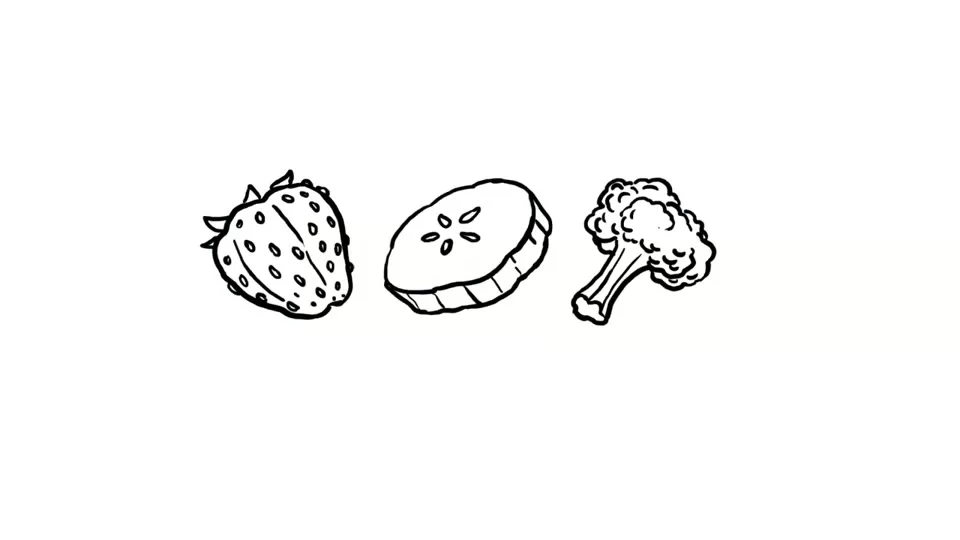
That’s why fruits and vegetables matter so much. Strawberries, cucumbers, and even broccoli are all over 90 percent water. They don’t just help with fluids either — they also bring fiber and nutrients along for the ride.
So hydration can be pretty practical. A meal can help hydrate you, not just a drink.
What staying well hydrated can mean over time
Drinking enough water affects how you feel right now, but it may also matter in the long run. The transcript mentions studies linking optimal hydration with a lower chance of stroke, better diabetes management, and possibly a reduced risk of some cancers.
That doesn’t mean water is a miracle cure. It does mean that regular hydration is part of the bigger picture of staying healthy. It helps your body function smoothly, and when your body works smoothly, a lot of things tend to feel easier.
Honestly, that’s the quiet power of water. You don’t always notice it when everything is going well, but you notice fast when it isn’t.
FAQ
What happens first when you start getting dehydrated?
The body tries to conserve water. The brain signals the release of antidiuretic hormone, the kidneys hold on to more water, and urine usually becomes darker and more concentrated.
Can coffee and tea count toward hydration?
Yes. The transcript says beverages with caffeine, like coffee or tea, still help replenish fluids.
Is eight glasses a day still the rule?
Not really. That old guideline has been replaced by a more flexible view based on body size, activity, and environment.
The bottom line
Water is one of those things people take for granted until they don’t have enough of it. It supports your joints, temperature, brain, blood, and more, and your body works hard to keep the balance just right.
Drink too little, and dehydration can drain your energy and affect your thinking. Drink way too much, and you can throw off your body’s chemistry in a dangerous way. Most of the time, though, staying hydrated is less dramatic than it sounds: drink regularly, pay attention to heat and activity, and remember that food and other drinks count too.