
Digital products are evolving faster than ever. New platforms are launched weekly, online communities form overnight, and business models are constantly tested and refined. In this environment, flexibility matters more than perfection. One of the most important tools enabling this flexibility in Web3 is the token generator.
In 2025, the ability to create a token https://20lab.app/generate/ is no longer restricted to blockchain engineers or crypto-native teams. Founders, creators, marketers, and agencies now use token makers and token creators as practical tools to launch, test, and scale digital ecosystems. This article explores how token generators fit into modern product strategy, how they work, and why platforms like 20Lab https://20lab.app/ are becoming part of everyday Web3 infrastructure.
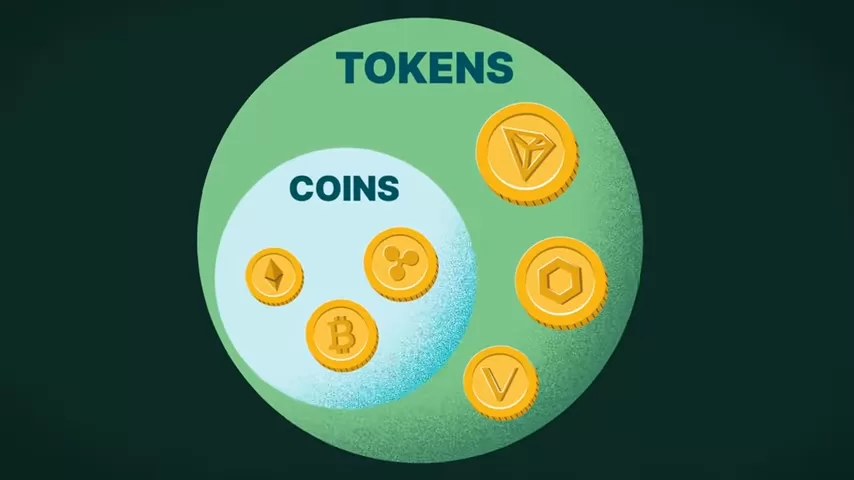
Tokens Are Now Digital Control Layers
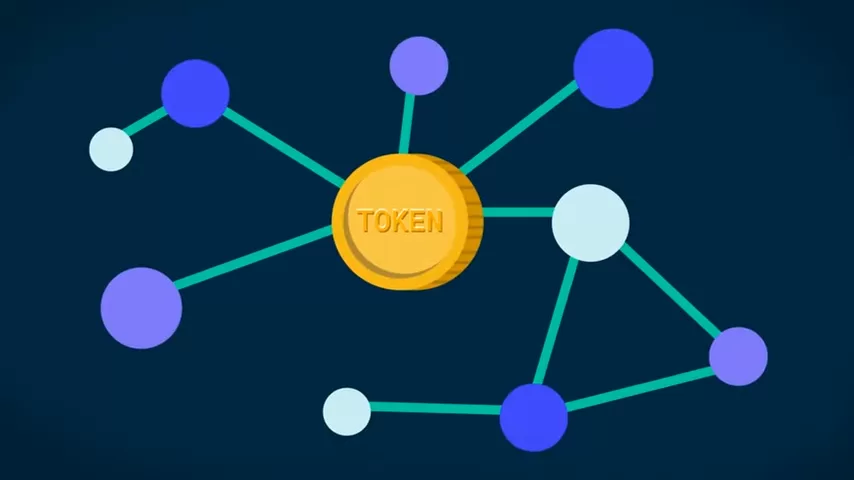
Tokens are often misunderstood as standalone assets. In reality, modern tokens function as control layers within digital systems. They define who can access what, how value flows, and how decisions are made.
Today, tokens are commonly used to:
- Gate access to platforms or premium features
- Track and reward user activity
- Represent internal credits or usage units
- Enable voting and governance
- Coordinate decentralized communities
Because tokens influence behavior and incentives, creating them is no longer an afterthought—it is part of core system design.
What Is a Token Generator?
A token generator is a platform that automates the creation and deployment of blockchain tokens. Instead of writing smart contract code manually, users define token parameters through a guided interface. The platform then deploys a standardized smart contract to the blockchain.
Most token generators allow users to configure:
- Token name and symbol
- Total supply and decimal precision
- Ownership and administrative control
- Deployment to a supported blockchain
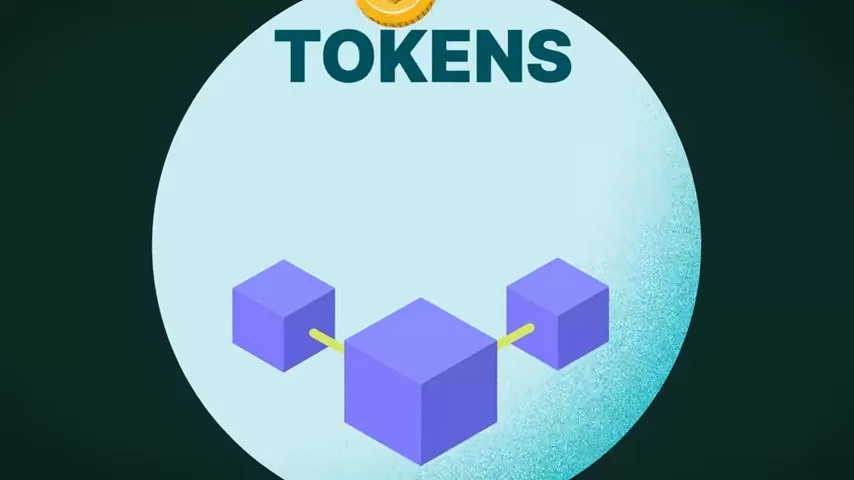
Once deployed, the token is live on-chain and can immediately interact with wallets, applications, and Web3 services.
Token Maker vs Token Creator: Different Angles, Same Outcome
The terms token generator, token maker, and token creator often appear together, but they highlight different benefits:
- Token generator emphasizes automation and infrastructure
- Token maker focuses on simplicity and speed
- Token creator highlights ownership and customization
Modern platforms unify these perspectives, offering tools that are easy to use while still delivering professional results.
Why Token Creation Is Moving Upstream
In earlier Web3 projects, tokens were often introduced late—after the product was built. Today, tokens are increasingly designed at the beginning of a project. This shift is driven by several factors:
- Tokens shape user incentives from day one
- Early token distribution can drive adoption
- Governance mechanisms require early planning
- Community alignment improves when tokens are transparent
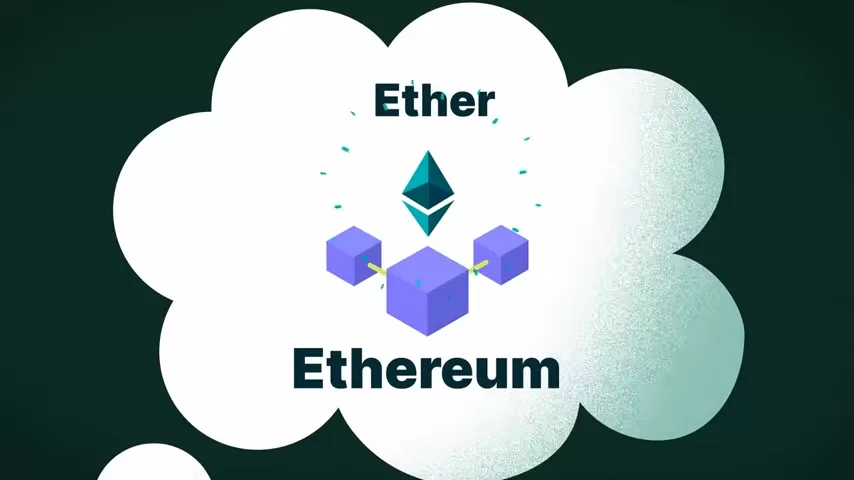
Token generators make early token design feasible without locking teams into complex engineering commitments.
How a Token Generator Fits Into Product Development
A token generator integrates naturally into modern product workflows. Instead of being a separate engineering task, token creation becomes a configuration step—similar to setting up payments or analytics.
A typical process looks like this:
- Define the role of the token in the product
- Choose basic parameters (name, supply, decimals)
- Assign ownership and control
- Deploy the token using a token generator
- Integrate the token into the product or community
This workflow allows teams to move quickly while maintaining clarity.
Why Teams Prefer Token Generators Over Custom Contracts
Custom smart contract development is powerful, but it comes with trade-offs. For many projects, especially early-stage ones, those trade-offs are unnecessary.
Using a token maker offers clear advantages:
- Faster time to launch
- Lower upfront costs
- Reduced dependency on specialized developers
- Less risk of critical contract errors
For most utility, community, and governance tokens, standardized contracts are more than sufficient.
Common Motivations to Create a Token
The reasons to create a token today are rarely speculative. Instead, they are tied to specific goals:
User Engagement
Tokens reward actions, participation, and loyalty.
Access Management
Tokens control entry to platforms, features, or content.
Community Coordination
Tokens enable voting and decentralized decision-making.
Internal Accounting
Tokens represent credits, points, or usage units.
Market Testing
Tokens provide immediate feedback on user behavior.
Token generators make all of these use cases accessible without heavy technical overhead.
What Happens Behind the Scenes of a Token Generator
Although the interface is simple, token generators automate a complex technical process:
- Token parameters are collected from the user
- These parameters are injected into a standardized smart contract template
- The contract is compiled and prepared for deployment
- The contract is deployed to the blockchain
- Ownership is assigned to the creator’s wallet
This automation reduces human error and ensures consistent, predictable outcomes.
Mistakes Teams Make When Creating Tokens
Even with modern tools, token creation requires planning. Common mistakes include:
- Creating tokens without a defined role
- Overestimating supply or complexity
- Misconfiguring ownership or permissions
- Treating tokens as marketing tools rather than system components
A high-quality token generator helps mitigate these risks through structured configuration and clear defaults.
What Separates a Professional Token Generator from a Toy Tool
Not all token generators are suitable for real projects. A professional platform should provide:
Standardized Smart Contracts
Based on established blockchain standards.
Clear Ownership and Control
Creators must retain transparent authority.
Simple, Guided UX
Designed for non-technical users.
Scalability
Tokens must remain usable as projects grow.
Ecosystem Compatibility
Smooth integration with wallets and dApps.
Choosing the right token maker directly affects long-term stability.
20Lab: A Token Generator for Practical Builders
20Lab is designed for teams that view tokens as infrastructure rather than experiments. The platform focuses on usability, predictability, and clarity—qualities that matter when building real products.
Instead of exposing users to smart contract complexity, 20Lab turns token creation into a structured, approachable process.
Creating a Token with the 20Lab Token Generator
The 20Lab Token Generator allows users to configure and deploy tokens through a no-code workflow. Users define parameters, review the setup, and deploy the token on-chain without writing any smart contract code.
This approach works well for:
- Startup MVPs
- Utility tokens for digital platforms
- Community and governance tokens
- Agencies delivering Web3 products
No-Code Token Creation and Faster Iteration
No-code token creators are changing how quickly ideas can be tested. When token creation is simple:
- Experiments cost less
- Iteration cycles shorten
- Teams learn faster from real usage
Token generators now serve the same role for Web3 that no-code builders served for websites.
Token Generator Use Cases Across Sectors
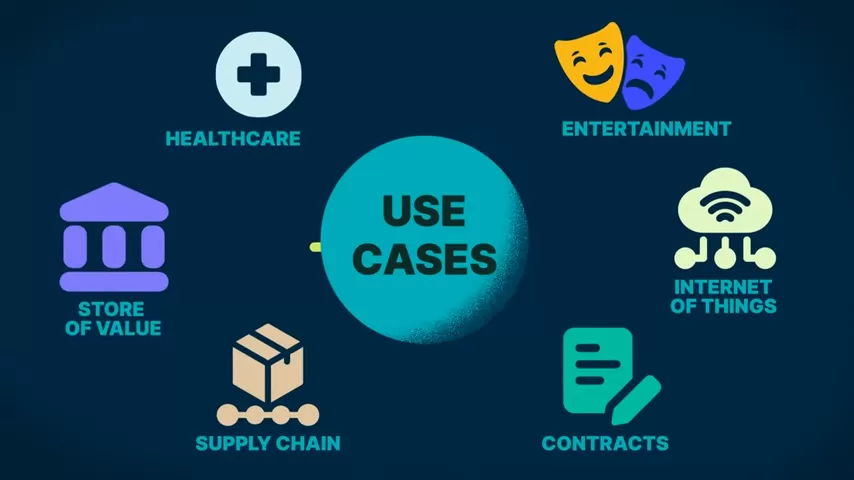
Token generators are now used far beyond crypto-native projects:
SaaS Products
Usage credits and feature access.
Gaming
In-game currencies and progression systems.
Creator Platforms
Membership and loyalty tokens.
Education
Digital credentials and achievements.
DAOs and Communities
Governance and coordination tools.
A single token creator can support all of these scenarios.
Security as a Baseline Requirement
Security is not optional when creating tokens. A professional token generator improves safety by:
- Reducing manual coding mistakes
- Using predictable contract templates
- Making ownership and deployment transparent
This baseline security is essential for building trust.
The Direction Token Generators Are Taking
Token generators are evolving alongside Web3 infrastructure. Future developments may include:
- Advanced tokenomics configuration
- Multi-chain deployment
- Integrated governance tools
- Compliance-aware options
Platforms focused on clarity and reliability today are likely to lead this evolution.
Final Thoughts: Token Creation as a Product Skill
The ability to create a token is becoming a core product skill rather than a niche engineering task. Token generators allow teams to design incentives, governance, and access models without slowing down innovation.
A professional token maker like 20Lab enables founders, creators, and teams to launch tokens confidently and efficiently. As digital ecosystems become more decentralized, token generators will remain essential tools for building, testing, and scaling modern products.