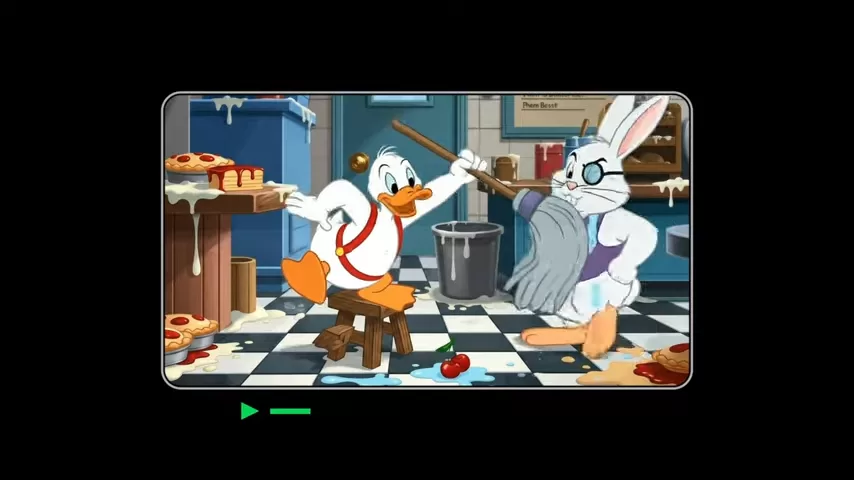
By 2026, animation has fully entered a hybrid era. Businesses are no longer asking whether to use traditional animation or artificial intelligence — instead, they are learning how to combine both effectively. The integration of classic 2D animation with AI-powered technologies is reshaping how brands communicate, market, and tell stories.
This transformation is not about automation replacing creativity. It is about using AI to enhance human expertise, streamline production, and unlock new creative and commercial possibilities. For businesses operating in competitive digital environments, understanding this synergy has become essential rather than optional.
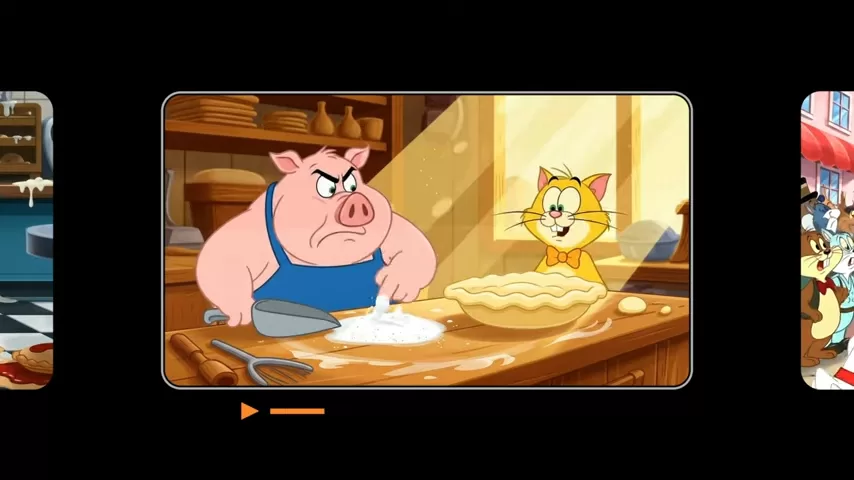
This article explores how 2D animation and AI work together in 2026, what new opportunities this combination creates for businesses, and how companies can strategically benefit from hybrid animation workflows.
Why 2026 Marks a New Stage for Animation
Over the past few years, AI tools have evolved rapidly. What once produced inconsistent or experimental results has matured into production-ready technology. At the same time, audience expectations have increased. Viewers now expect animated content to be visually polished, emotionally engaging, and clearly aligned with brand identity.
This creates a new challenge for businesses.
Pure AI-generated animation may be fast, but it often lacks depth and consistency. Fully traditional 2D animation delivers quality, but can be slower and more resource-intensive. In 2026, success lies in combining both approaches intelligently.
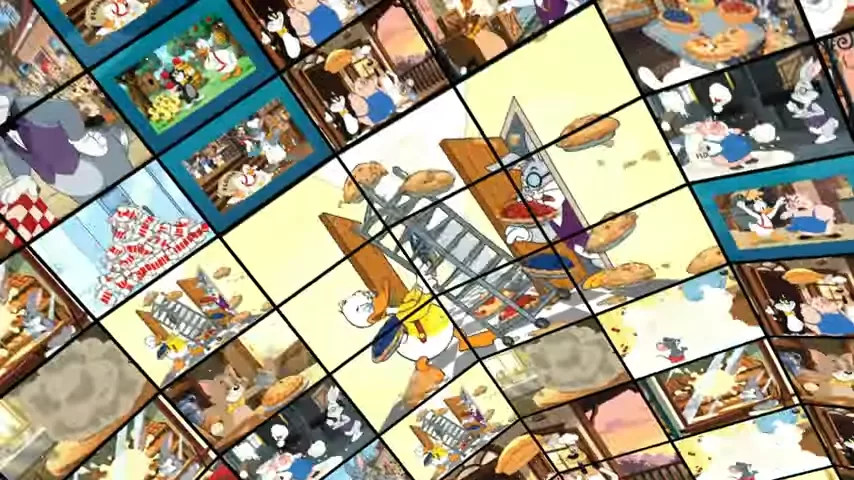
The most competitive brands are those that understand how to balance efficiency with craftsmanship.
The Enduring Value of 2D Animation
Despite rapid technological change, 2D animation remains one of the most powerful visual storytelling tools available to businesses.
Its core strengths include:
- Emotional expressiveness
- Clear visual communication
- Strong character-driven storytelling
- Artistic flexibility
- Brand-specific style development
- Consistent quality across long-form content

Human animators understand timing, exaggeration, rhythm, and emotion in ways that AI still struggles to replicate reliably. These qualities are especially important for projects that require trust, clarity, and emotional connection.
In 2026, 2D animation continues to form the creative foundation of premium animated content.
The Role of AI in Modern Animation Pipelines
AI is no longer a novelty — it is a practical production tool. In 2026, AI is deeply embedded in animation workflows, particularly in areas where speed, scale, and repetition matter most.
AI contributes by:
- Accelerating early concept development
- Automating repetitive technical tasks
- Supporting large-scale content production
- Enabling rapid iteration and experimentation
- Reducing production costs
- Enhancing workflow efficiency
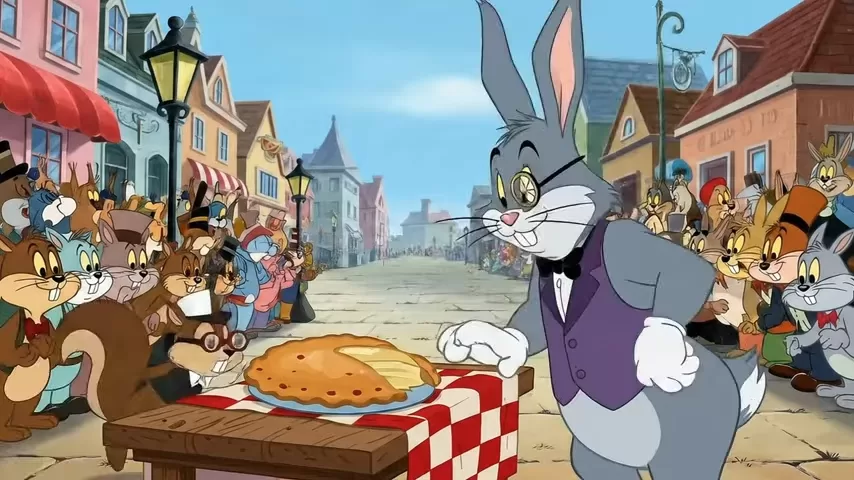
Rather than replacing artists, AI allows creative teams to focus on storytelling, design, and strategic decisions instead of technical bottlenecks.
Where 2D Animation and AI Work Best Together
The real power of hybrid animation lies in how these tools complement each other. Below are the key stages of production where combining 2D animation and AI delivers the greatest value in 2026.
AI-Driven Concept Development
In pre-production, speed and exploration are critical. AI tools can generate multiple visual directions, styles, and concepts in a short time.
This allows creative teams to:
- Explore more ideas without increasing costs
- Test different moods and visual approaches
- Align faster with stakeholders
- Reduce uncertainty early in the process
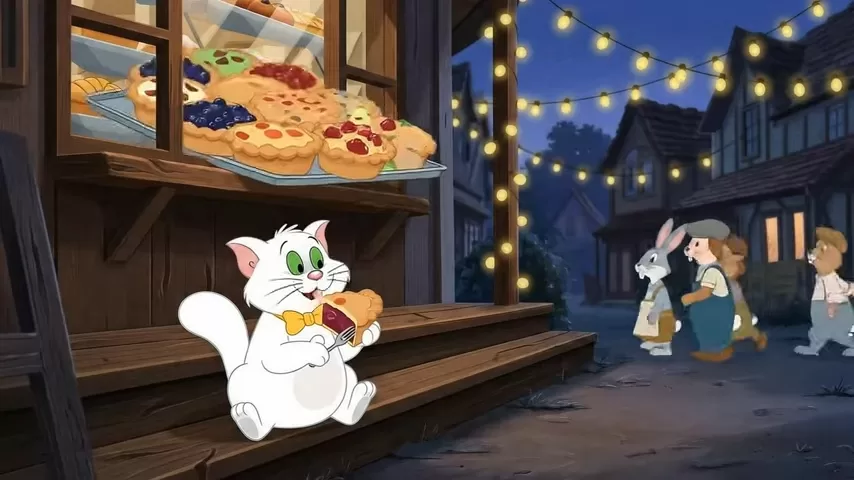
Once a direction is selected, human artists refine and customize it to ensure originality and brand alignment.
Enhanced Storyboarding and Visual Planning
AI-assisted storyboarding helps teams visualize scripts earlier and more efficiently. While AI-generated storyboard frames are not final, they provide a strong starting point for:
- Understanding pacing
- Identifying narrative gaps
- Testing structure and transitions
Directors and animators then enhance these boards with storytelling expertise, ensuring clarity and emotional flow.
Smarter Background and Environment Design
Background illustration has traditionally been one of the most time-consuming aspects of 2D animation. In 2026, AI helps generate base environment concepts that artists can refine and stylize.
This approach:
- Speeds up scene creation
- Reduces repetitive work
- Allows artists to focus on characters and motion
- Supports larger and more complex projects
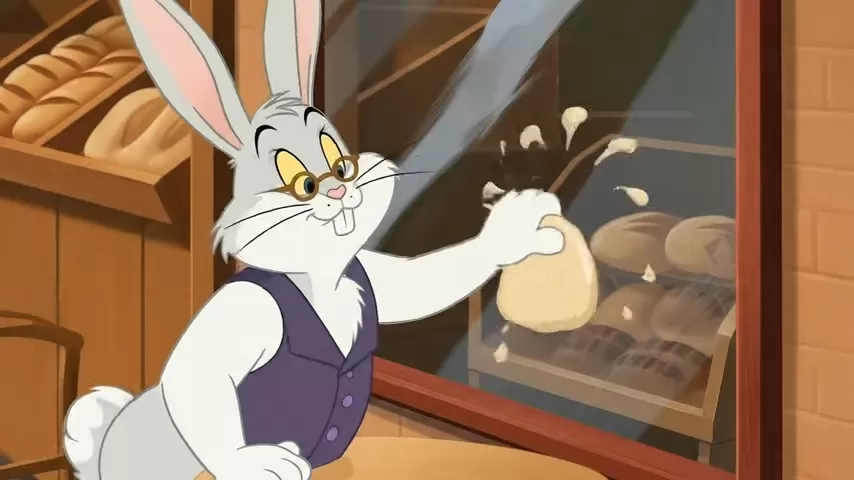
Human oversight ensures visual consistency and artistic cohesion.
AI-Assisted Animation Cleanup and Optimization
Technical animation tasks have seen major improvements through AI. Tools now assist with:
- Line cleanup
- Frame interpolation
- Motion smoothing
- Rotoscoping
- Asset organization
These tools reduce manual workload without taking creative control away from animators. Artists still define motion, acting, and timing, while AI handles repetitive processes.
New Business Opportunities Created by Hybrid Animation
The combination of 2D animation and AI opens new possibilities for businesses across industries.
Faster Campaign Execution
In 2026, marketing cycles are shorter than ever. Hybrid workflows allow businesses to produce high-quality animated content faster, enabling them to:
- React to trends in real time
- Launch campaigns more frequently
- Test multiple creative variations
- Stay competitive in fast-moving markets
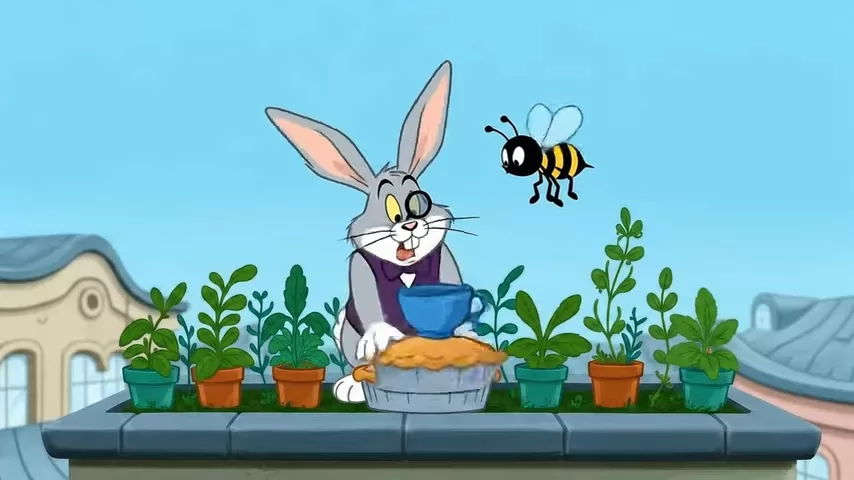
Speed is no longer achieved at the expense of quality.
Cost-Effective Premium Content
Hybrid animation reduces production costs by optimizing time-intensive tasks. This allows businesses to invest in higher-quality storytelling while staying within budget.
Instead of choosing between affordability and quality, brands can now achieve both.
Scalable Content Production
Modern businesses need content at scale — across platforms, languages, and formats. Hybrid workflows support:
- Multiple video versions
- Platform-specific adaptations
- Localized content
- Ongoing content pipelines

This scalability is essential for global brands and digital-first companies.
Greater Creative Experimentation
AI enables rapid visual experimentation without high financial risk. Businesses can explore:
- New animation styles
- Bold visual concepts
- Different narrative approaches
- Emerging aesthetic trends
This encourages innovation and helps brands stand out in saturated markets.
Industries Benefiting from Hybrid Animation in 2026
The combination of 2D animation and AI is now widely used across many sectors.
Marketing teams rely on hybrid animation for engaging campaigns and social media content.
Technology companies use it for explainer videos, onboarding materials, and product demos.
Education platforms apply it to simplify complex concepts at scale.
Entertainment brands explore new storytelling formats and visual styles.
E-commerce businesses use animated visuals to boost engagement and conversions.
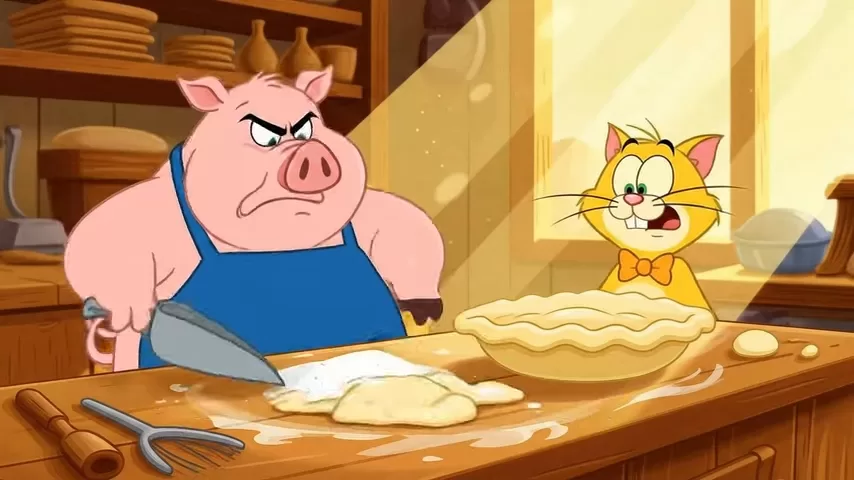
Hybrid animation adapts easily to different business needs, making it a versatile solution.
Common Challenges and How to Avoid Them
While hybrid animation offers many benefits, it also requires careful management.
Common challenges include:
- Over-reliance on AI without creative supervision
- Inconsistent visual identity
- Prioritizing speed over storytelling
- Using AI-generated assets without refinement
Successful projects maintain strong creative direction and treat AI as a support tool rather than a creative authority.
Building an Effective Hybrid Strategy
To maximize the value of combining 2D animation and AI, businesses should:
- Clearly define project goals
- Identify which stages benefit most from AI
- Maintain human creative leadership
- Focus on storytelling and brand consistency
- Work with experienced animation professionals
A thoughtful strategy ensures efficiency without sacrificing quality.
The Evolving Role of Animation Studios
In 2026, animation studios play a critical role as creative partners and strategic advisors. Their value lies not just in animation skills, but in:
- Managing complex hybrid workflows
- Ensuring artistic integrity
- Applying AI tools responsibly
- Maintaining consistent quality
- Scaling production efficiently
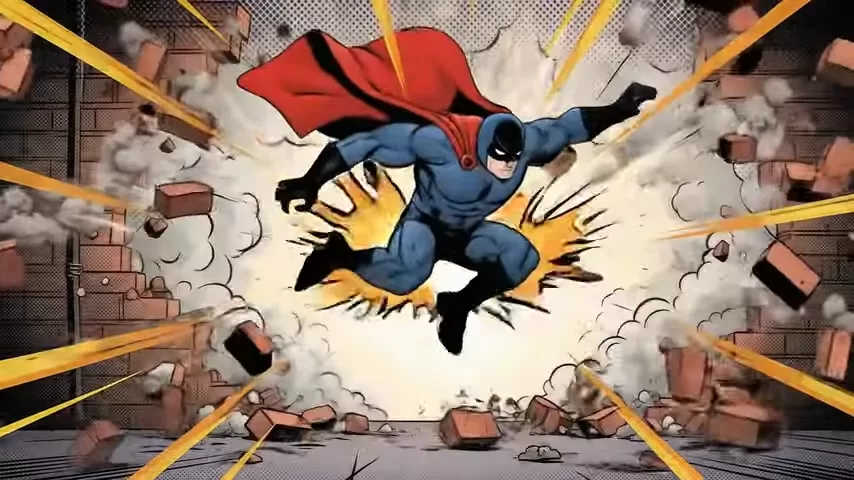
Studios that understand both traditional animation and AI technologies are best equipped to help businesses succeed in this new landscape.
The Future of Business Animation Is Hybrid
The combination of 2D animation and AI defines the future of animated content in 2026. It is not a competition between human creativity and machine efficiency, but a collaboration that amplifies both.
Businesses that embrace this hybrid approach gain:
- Faster production timelines
- More efficient budgets
- Greater creative flexibility
- Stronger visual storytelling
- A clear competitive advantage
By combining the emotional depth of 2D animation with the speed and scalability of AI, brands can create content that is not only visually compelling, but also strategically powerful.
In 2026, the most successful animation projects are not fully manual or fully automated — they are thoughtfully hybrid.