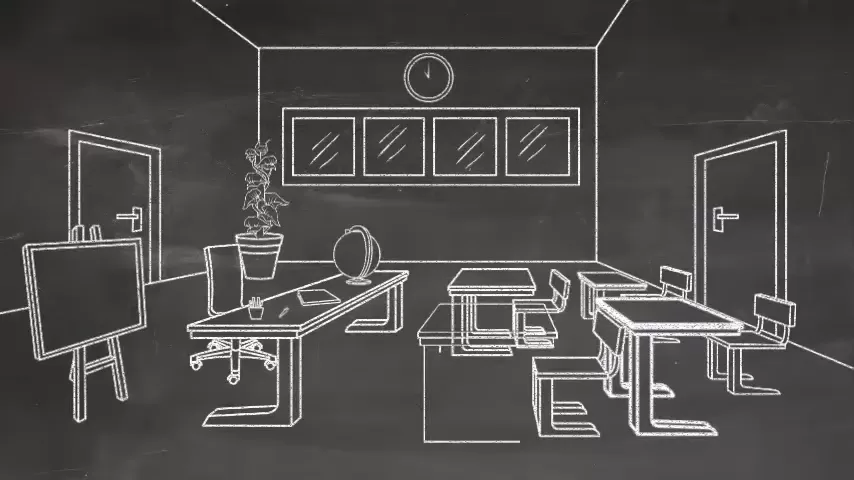
In recent years, the conversation around professional education has grown noticeably stronger. This shift is not accidental. The modern job market changes quickly, employers expect practical skills, and people increasingly seek education that brings real results rather than abstract knowledge. Because of this, professional training has become a key path for those who want to enter a field faster, change careers, or gain skills that genuinely help in everyday work.
Professional education stands out because of its direct connection to real practice. It is built around tasks that specialists face every day, and it prepares students for actual working conditions instead of distant theoretical scenarios. This approach gives learners a clearer sense of direction and helps them understand how their efforts translate into real opportunities.

Another important point is flexibility. Many programs update their content to follow new technologies, industry standards, and employer expectations. This makes professional training not only relevant but also responsive, something that traditional academic programs sometimes struggle to maintain.
How People Choose Their Professional Path
Choosing a field of study is often a practical decision. People ask themselves simple but important questions:
What skills will help me find work?
Which profession has stable demand?
Will this education allow me to start earning sooner?
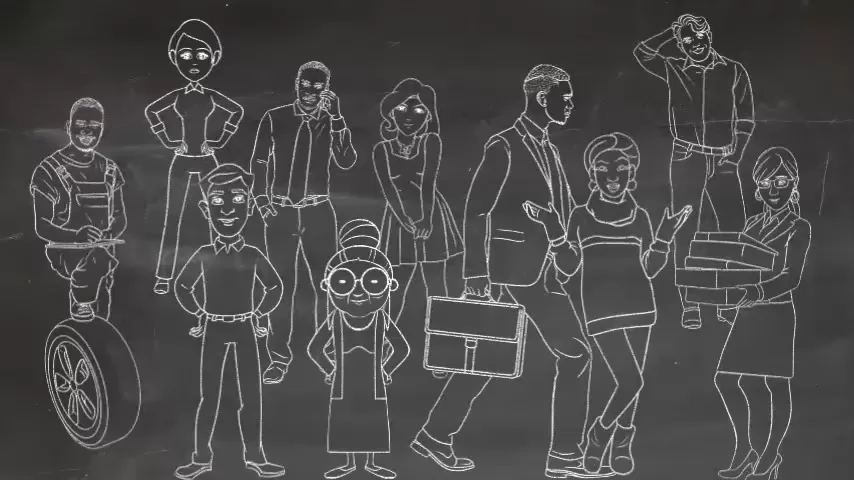
Because of these concerns, many individuals search for information before committing to a program. They explore different sources, compare options, and try to understand the structure of available training paths. During this process, they may come across resources like
https://n-t-u.ru/fakultet-prof-obucheniya/prof-obucheniya/, which offer an overview of professional education directions and help readers form a clearer picture of what such programs look like. These pages do not impose a choice; they simply provide orientation for those preparing to make an informed decision.
The Value of Hands-On Learning
One of the strongest advantages of professional education is its focus on practical skills. Students learn actions they can apply immediately — whether in technical fields, service industries, production environments, or creative professions. This is not distant theory but real tasks that build confidence and competence.
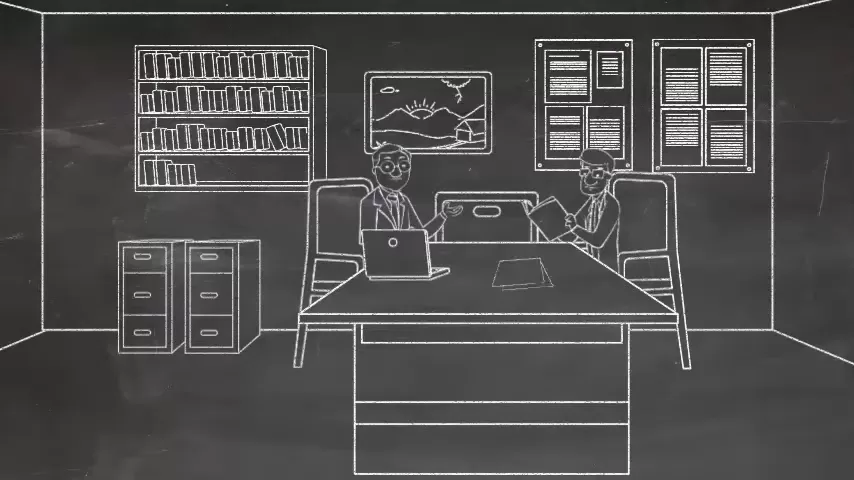
Hands-on training also allows a person to “feel” the profession before they fully enter it. Instead of guessing what a job might be like, students experience daily processes, observe real workflows, and interact with experienced practitioners. This creates a deeper, more grounded understanding of their future role.
Why Adaptability Has Become a Core Professional Skill
The landscape of modern work changes rapidly. New tools appear, workplaces adopt new technologies, and industries transform their requirements. Because of this, education cannot remain static. Professional training programs increasingly update their content to keep pace with real-life shifts.

For learners, this means they receive skills that match the current expectations of employers. For companies, it means access to workers who are not only prepared for today’s challenges but capable of adjusting to tomorrow’s ones. Professional education has become a bridge between training environments and the actual needs of the economy.
Education Throughout Life, Not Just Once
Another notable shift is that professional education no longer belongs only to the young. People of many ages return to training programs to refresh their skills, change careers, or meet new workplace standards. Learning has become a continuous process rather than a one-time event.

The modern job market rewards growth and flexibility. Professional programs allow learners to move forward without pausing their lives, offering formats suited to real routines rather than idealized academic schedules. This practicality is a major reason why such education remains in high demand.
Conclusion
The rising interest in professional education is not a trend — it is a response to real needs. It offers clarity, practical skills, and quick adaptation to industry changes. More importantly, it supports people who want to evolve, improve, and stay confident in a world where knowledge becomes outdated faster than ever.
In this sense, professional education has become one of the strongest foundations for building a stable and promising career.