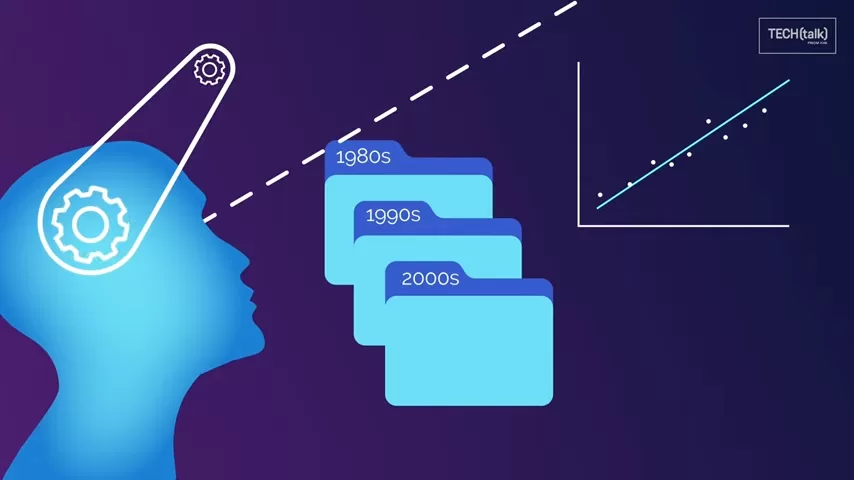
In an increasingly data-driven global economy, the ability to interpret vast amounts of information is the key differentiator between successful companies and those that lag behind. The core purpose of AI Tools for Business Analytics is to go beyond historical reporting and provide a forward-looking perspective on market trends and consumer behavior. Predictive analytics tools utilize advanced statistical algorithms to identify patterns that human analysts might miss, allowing leaders to anticipate shifts in demand before they occur. This foresight is essential for maintaining a dominant position in competitive sectors.
The target audience for these sophisticated platforms includes data scientists, market researchers, and strategic planners who are responsible for guiding long-term corporate direction. These professionals need tools that can ingest data from multiple disparate sources—such as social media, web traffic, and internal sales records—to produce a cohesive picture of the business landscape. The users look for intuitive visualization features and robust modeling capabilities that allow them to run “what-if” scenarios and stress-test their strategic assumptions in a safe digital environment.

One of the primary benefits of using AI-driven analytics is the significant reduction in strategic risk. By basing decisions on empirical evidence and predictive models rather than intuition, companies can allocate resources more effectively and avoid costly missteps. Additionally, these tools help in identifying untapped market opportunities and niche segments that are ripe for expansion. The improved accuracy in forecasting also leads to better inventory management and optimized supply chain operations, directly impacting the company’s bottom line. The ability to react to real-time data trends ensures that the brand remains relevant to its target audience.

Usage typically involves integrating the analytics software with the company’s central data warehouse. Once connected, the AI continuously monitors performance metrics and alerts stakeholders to any significant anomalies or emerging trends. For example, a retail company might use predictive analytics to determine which products are likely to trend during a specific season based on social sentiment and historical purchase data. This allows for proactive marketing and inventory stocking. To find a comprehensive list of ai software designed for data science and business intelligence, marketers should consult specialized repositories. With the right analytical tools, a business can transform its data into its most valuable strategic asset.