The pace of change in the modern world continues to accelerate, and children are growing up in an environment shaped by technology, constant information flow, and new expectations. As a result, many parents are looking beyond standard school programs and paying closer attention to supplementary education as a way to support their child’s overall development.
Supplementary learning offers something that traditional schooling often cannot: flexibility. It allows children to deepen their understanding of subjects, explore personal interests, and develop skills that are difficult to cultivate within a rigid curriculum. These may include logical thinking, creativity, communication, and the ability to work independently.
When parents research available options, they often explore different educational platforms to better understand modern learning formats. In this context, websites such as https://bebestschool.kz can serve as reference points for discovering approaches to additional education and child development outside the standard classroom.
The Importance of an Individual Learning Pace
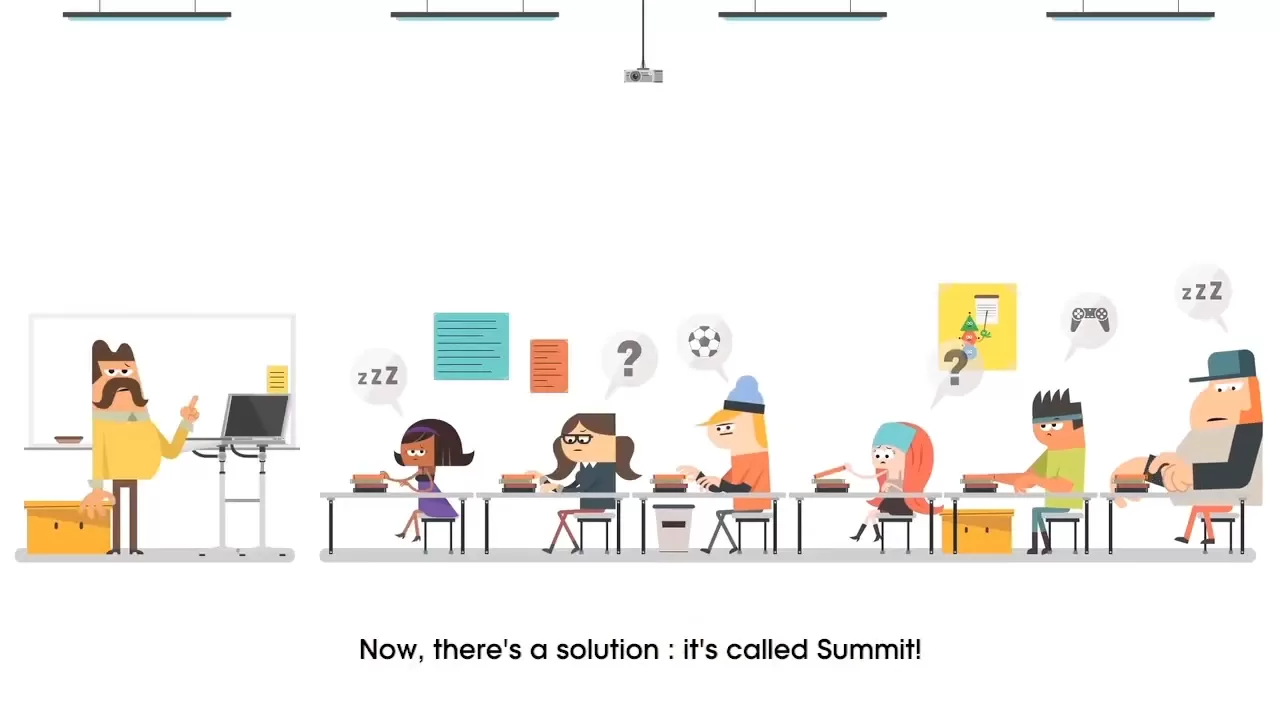
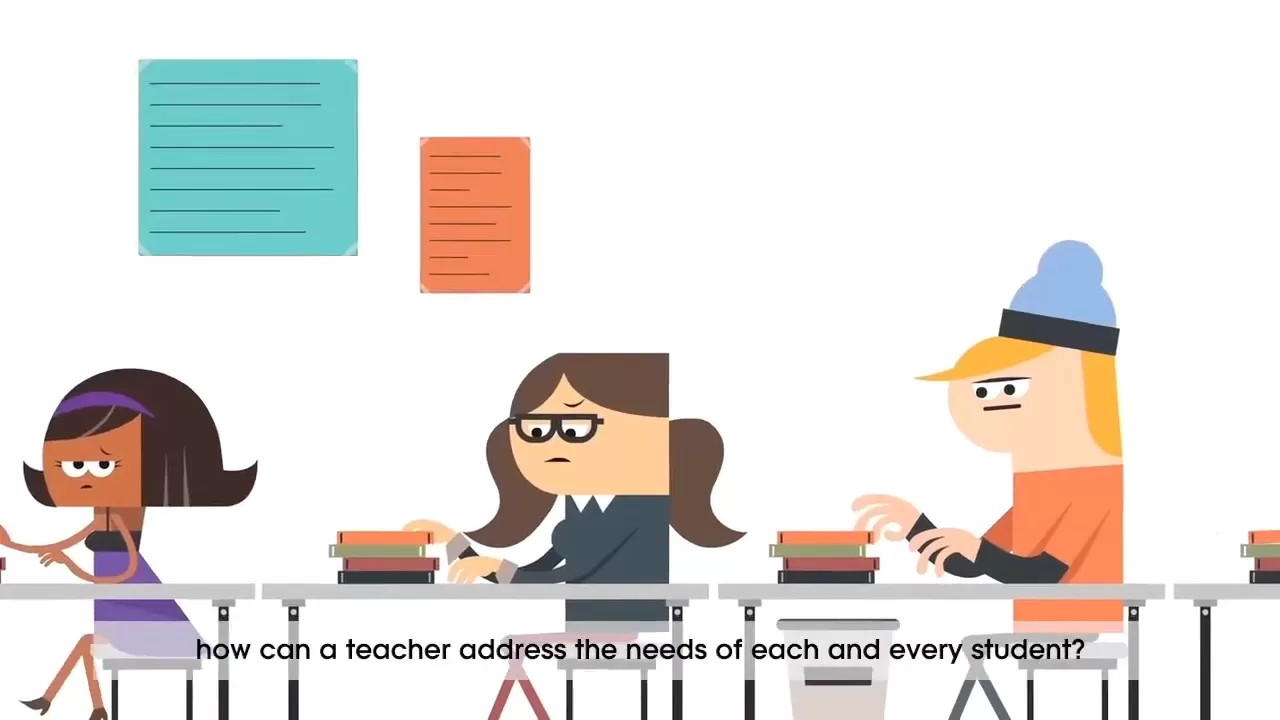
Every child learns differently. Some absorb information quickly through visuals, others prefer hands-on practice or detailed explanations. One of the main advantages of supplementary education is the ability to adapt to these differences. Programs outside the traditional school system often offer smaller groups or personalized formats that respect each child’s pace and learning style.
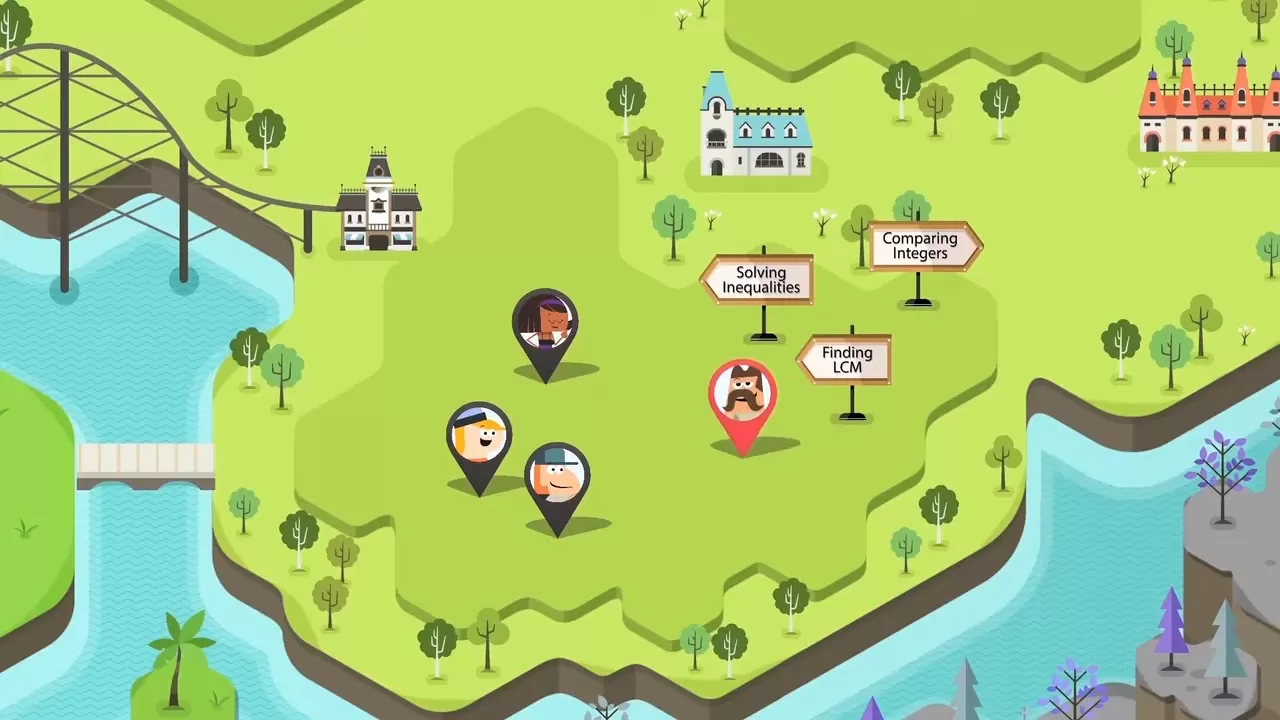
When children feel comfortable and understood, their motivation increases. Learning becomes less about obligation and more about curiosity and self-confidence. This positive attitude toward education often carries over into school performance as well.
Building Skills for the Future
Modern education is no longer focused solely on memorization. Increasingly, emphasis is placed on transferable skills such as problem-solving, critical thinking, adaptability, and collaboration. These skills are developed most effectively through practice rather than theory alone.
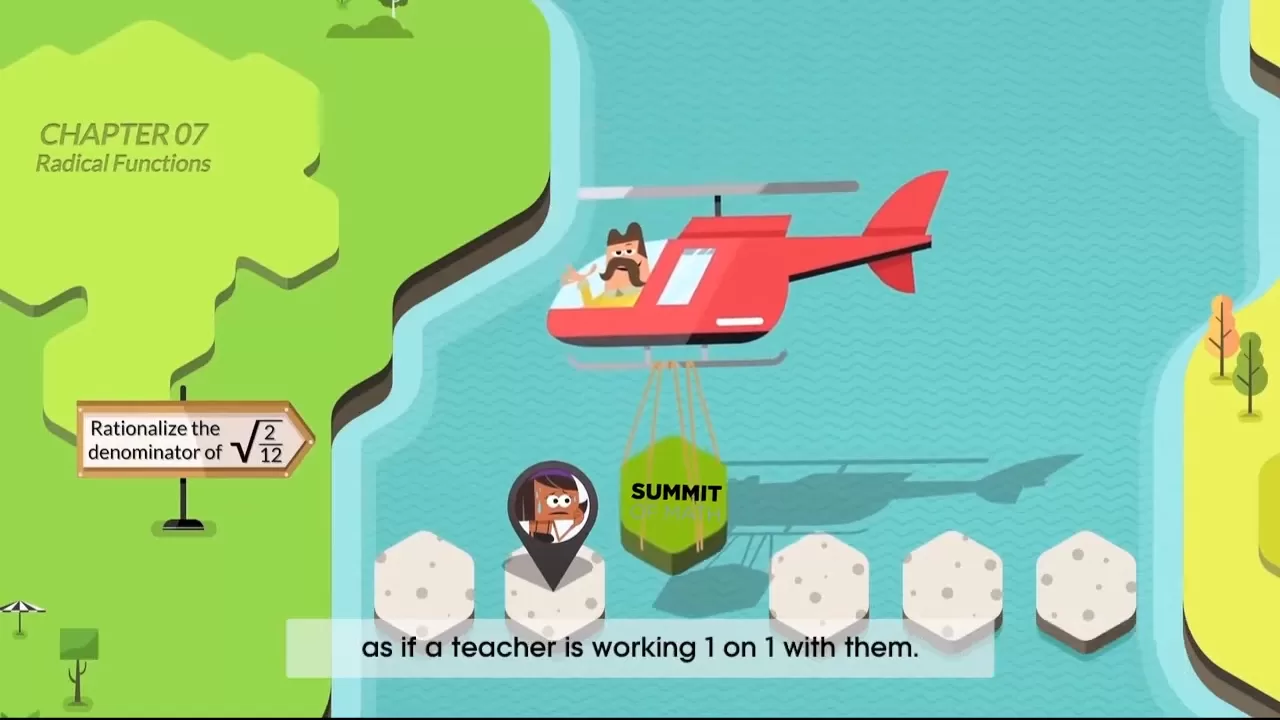
Supplementary education frequently incorporates project-based tasks, discussions, and creative challenges. Such activities encourage children to apply knowledge in real situations, helping them understand not just what to learn, but how to use what they know.
The Role of a Supportive Learning Environment
Equally important is the atmosphere in which learning takes place. A supportive, respectful environment allows children to ask questions, make mistakes, and express ideas freely. This sense of safety plays a major role in building confidence, especially during early and middle childhood.
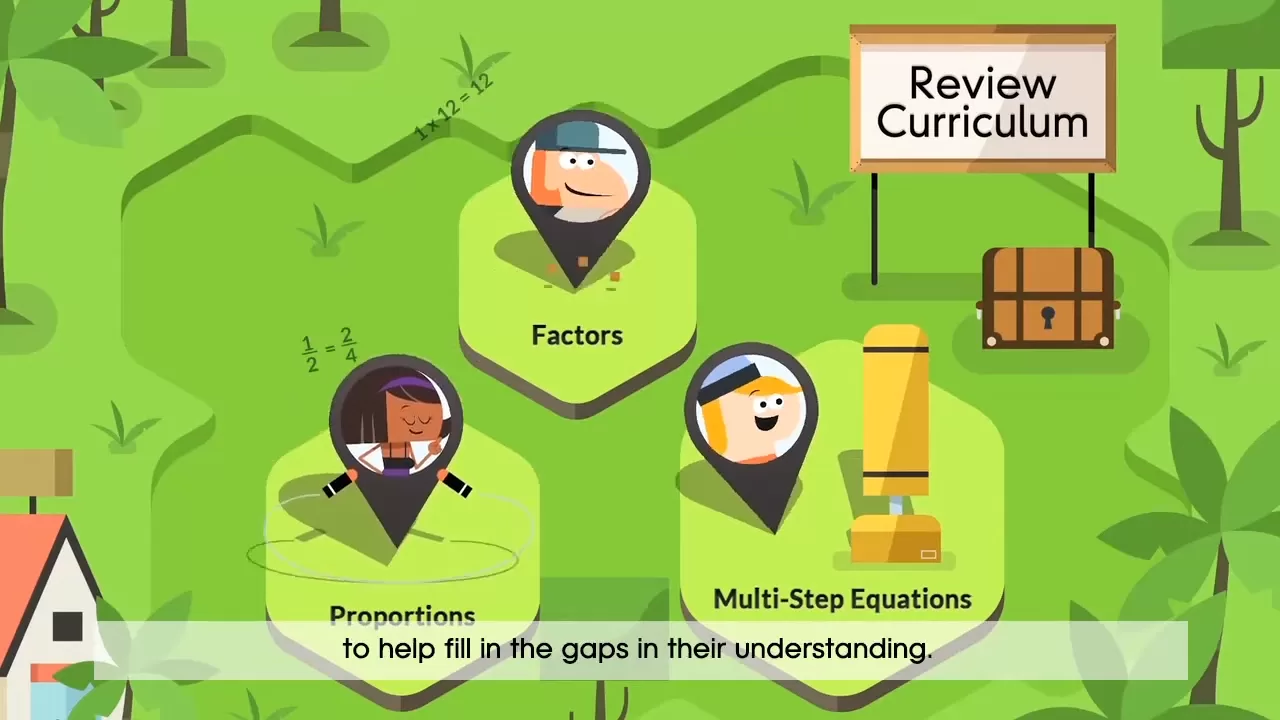
Positive interaction with instructors and peers helps children develop communication skills and emotional resilience. These qualities are just as important as academic knowledge for long-term success.
Making Thoughtful Educational Choices
Today, parents approach educational decisions more consciously than ever before. Rather than choosing activities simply to fill time, they look for programs that align with their child’s interests and long-term development. Supplementary education is increasingly seen not as an extra burden, but as a meaningful extension of school learning.
As educational demands continue to evolve, additional learning opportunities help children feel more prepared, confident, and adaptable. In this way, supplementary education becomes an important investment in a child’s future, supporting both academic growth and personal development.