Reviewed by the restorative team at York House Dental Practice
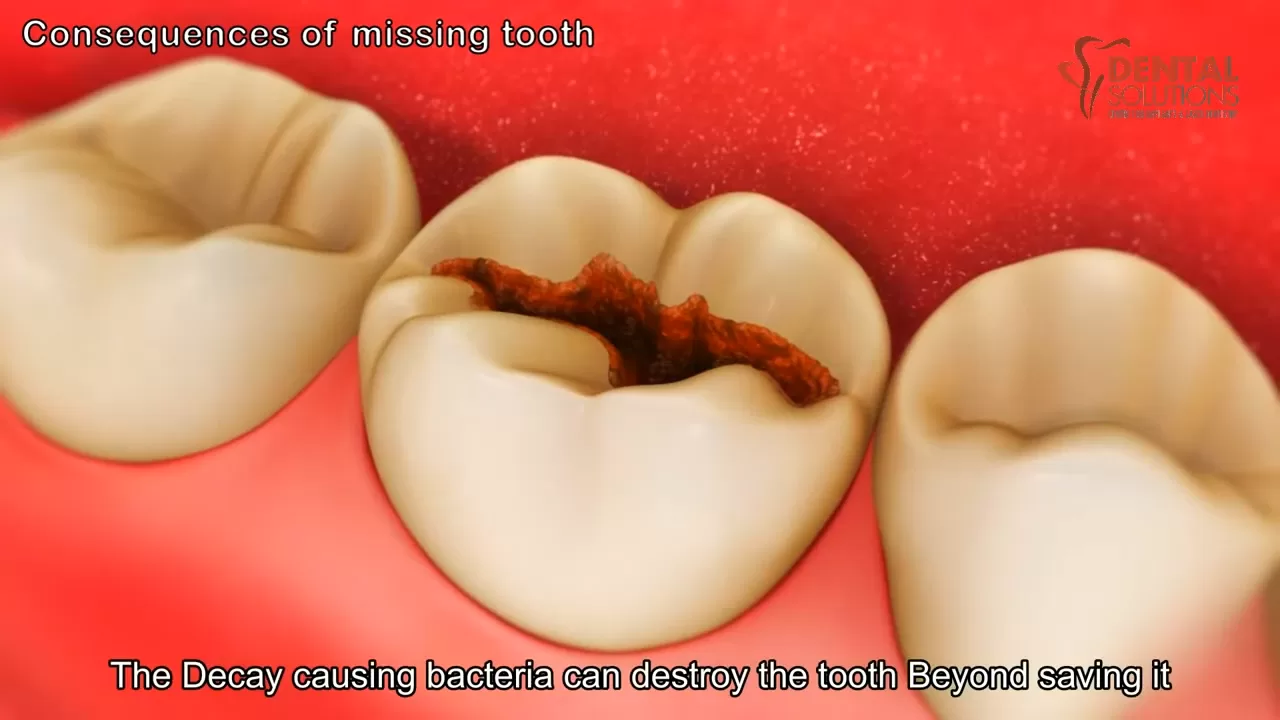
Missing teeth are often viewed as a cosmetic concern, but their impact extends far beyond appearance. Even the loss of a single tooth can trigger gradual biological and functional changes throughout the mouth, influencing chewing efficiency, speech, jawbone health, neighbouring teeth, facial appearance and long-term oral wellbeing.
While these changes may develop slowly, they can become increasingly difficult—and more complex—to treat if left unaddressed. Understanding what happens after tooth loss allows patients to make informed decisions about preserving oral health and restoring function where appropriate.
This evidence-based guide explains the long-term consequences of missing teeth, the science behind these changes, and the treatment options available in modern restorative dentistry.
Key Takeaways
- Even one missing tooth can affect the surrounding teeth and bite over time.
- Jawbone begins to remodel after tooth loss because it no longer receives normal chewing stimulation.
- Bone loss may alter facial support and contribute to an aged appearance.
- Neighbouring teeth frequently drift or tilt into the empty space.
- Changes in bite alignment may increase wear on remaining teeth.
- Replacing missing teeth early often helps preserve function and oral structures.
- Modern restorative dentistry offers multiple evidence-based treatment options depending on individual needs.
What Happens Immediately After a Tooth Is Lost?
When a natural tooth is removed or lost, several biological processes begin almost immediately.
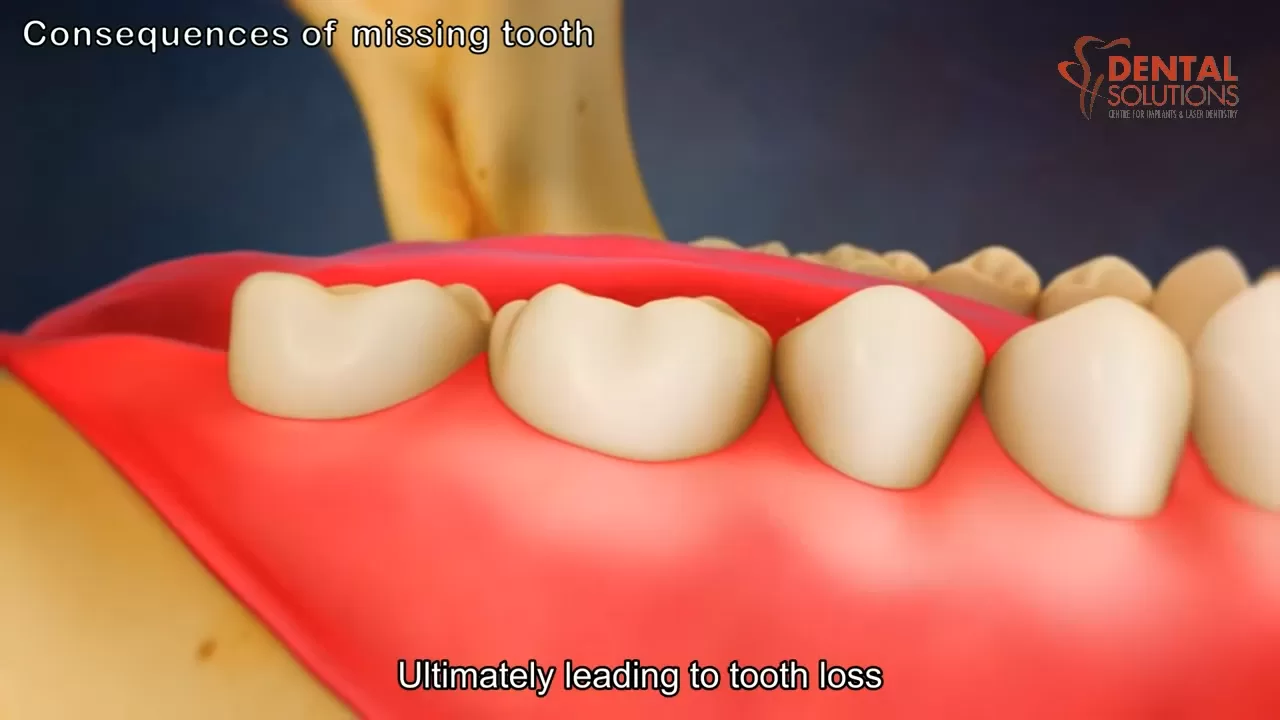
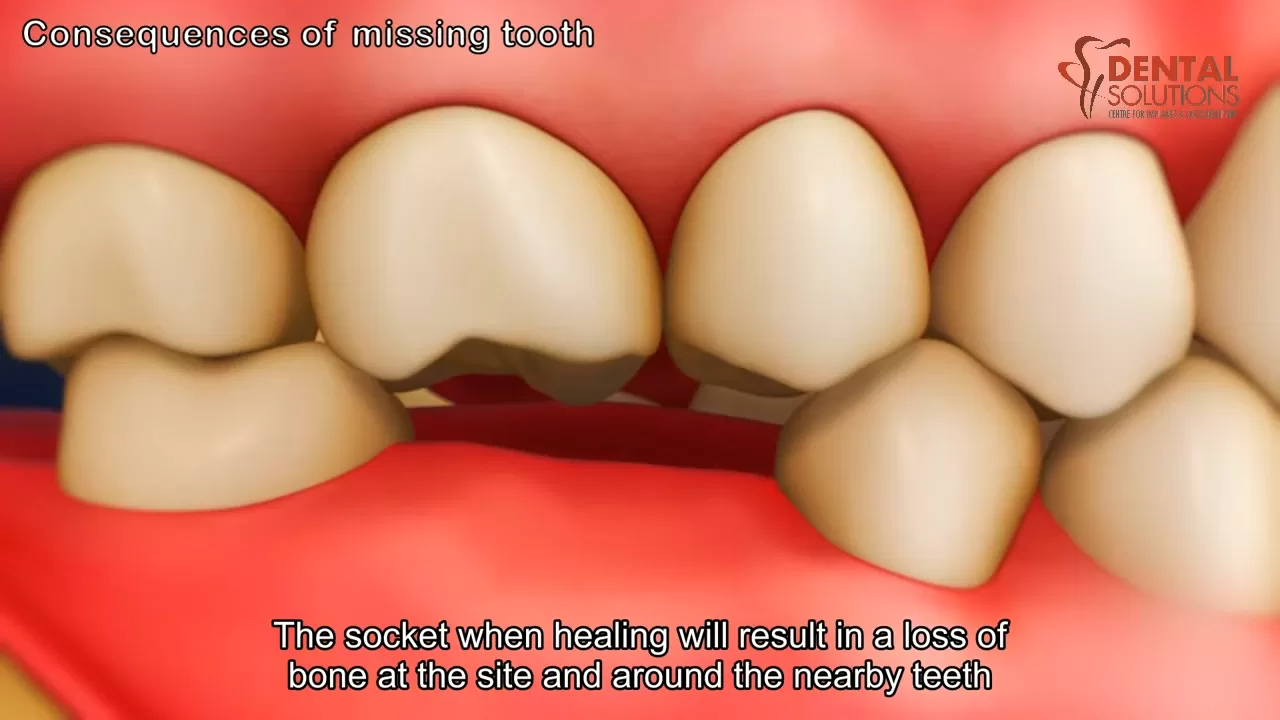
The extraction socket starts healing through clot formation followed by gradual replacement with bone. While the soft tissues generally heal within weeks, the underlying alveolar bone continues to remodel for many months.
The periodontal ligament—which previously connected the tooth root to the surrounding bone—is no longer present. Without this functional stimulation during chewing, the jawbone receives reduced mechanical loading, leading to gradual resorption.
This natural process explains why replacing missing teeth is often discussed relatively soon after tooth loss.
How Missing Teeth Affect the Jawbone
Bone Resorption Explained
The jawbone exists partly because teeth stimulate it every day through biting and chewing.
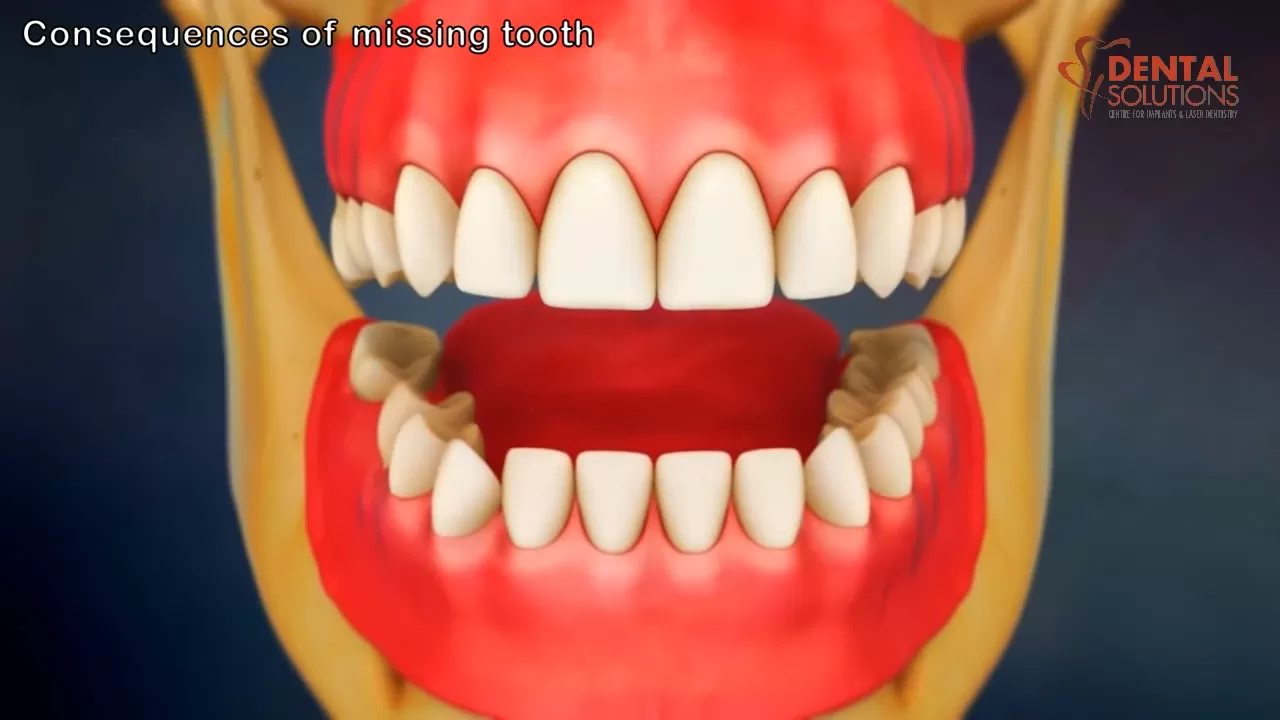
When stimulation disappears, the body gradually removes bone that is no longer functionally required. This biological process is known as alveolar bone resorption.
Long-Term Effects of Bone Loss
- Reduced bone volume
- Changes in ridge shape
- Loss of facial support
- More complex future restorative treatment
- Potential need for bone grafting before implant placement
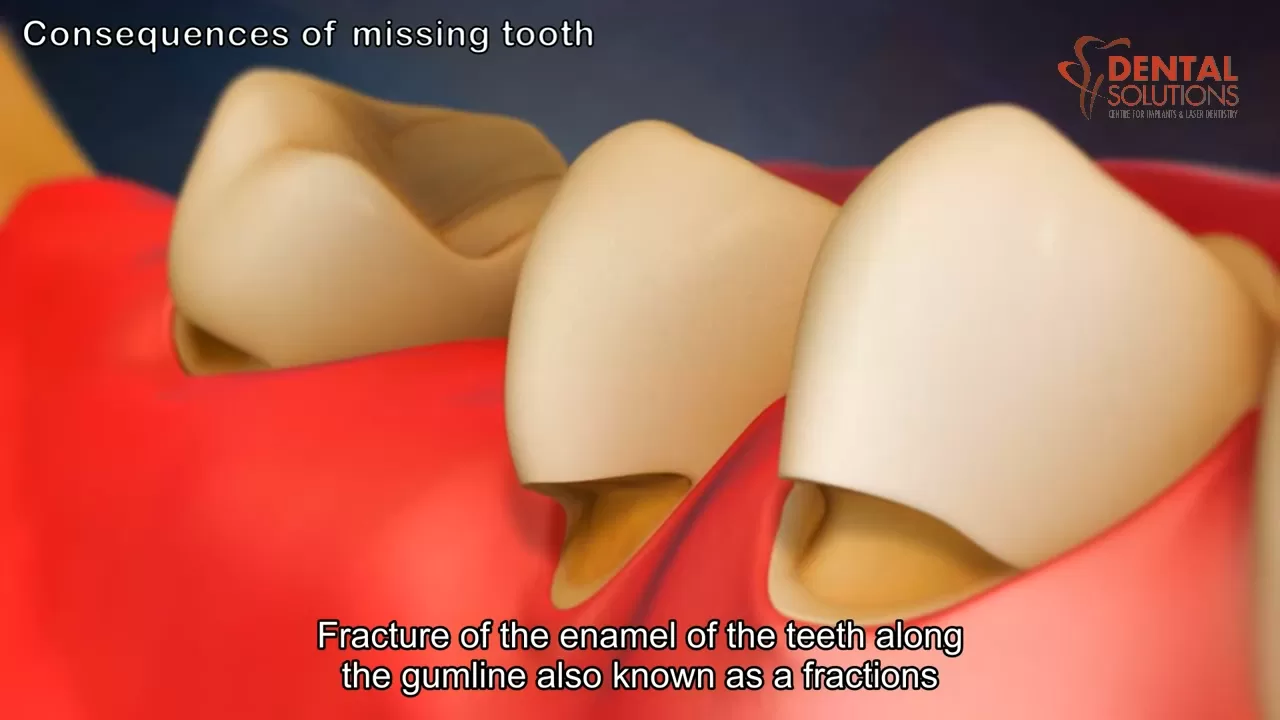
Research consistently demonstrates that the greatest amount of bone remodelling occurs during the first year following tooth loss, although changes continue throughout life.
How Missing Teeth Change Your Bite
Teeth work together as a carefully balanced system.
Each tooth has neighbouring teeth beside it and an opposing tooth in the opposite jaw. Removing one tooth disrupts this balance.
Common Bite Changes
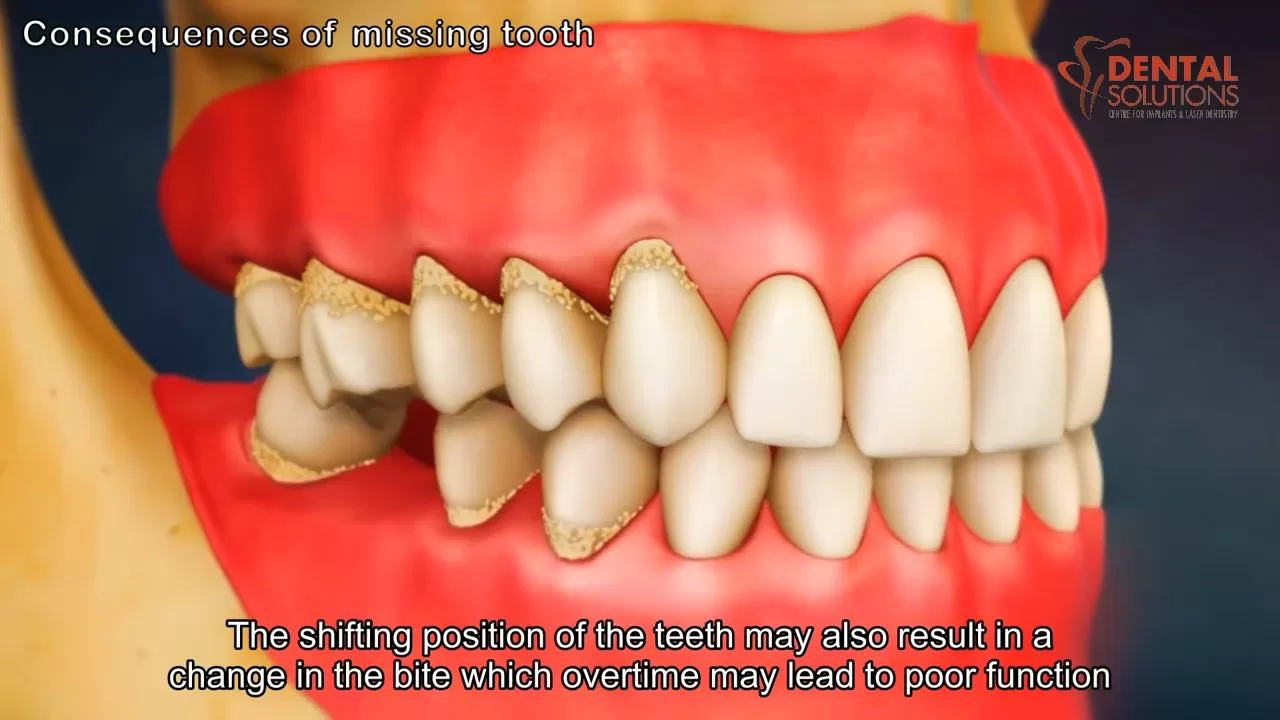
- Adjacent teeth may drift into the empty space.
- Opposing teeth can over-erupt due to lack of contact.
- Bite forces become uneven.
- Certain teeth experience excessive loading.
- Food trapping becomes more common.
- Cleaning between teeth may become more difficult.
Over time these alterations can contribute to tooth wear, gingival inflammation and increased restorative needs.
Effects on Chewing Function
Every tooth contributes to efficient mastication.
Missing posterior teeth, particularly molars, often reduce chewing efficiency. Many people subconsciously begin chewing predominantly on one side of the mouth.
This altered chewing pattern may contribute to:
- Uneven muscle use
- Increased wear on specific teeth
- Reduced ability to chew tougher foods comfortably
- Greater functional stress on remaining teeth
Although many people adapt remarkably well, compensation does not prevent the underlying structural changes.
Can Missing Teeth Affect Speech?
Yes.
Front teeth play an important role in forming several speech sounds, particularly:
- F
- V
- S
- TH
The tongue relies on predictable contact with teeth to produce clear pronunciation. Missing anterior teeth may therefore alter speech clarity until adaptation occurs or appropriate restoration is provided.
Facial Appearance and Ageing
Many people associate tooth loss only with gaps in the smile.
However, the supporting jawbone also contributes significantly to facial shape.
Progressive bone loss may eventually reduce support for the lips and cheeks, contributing to:
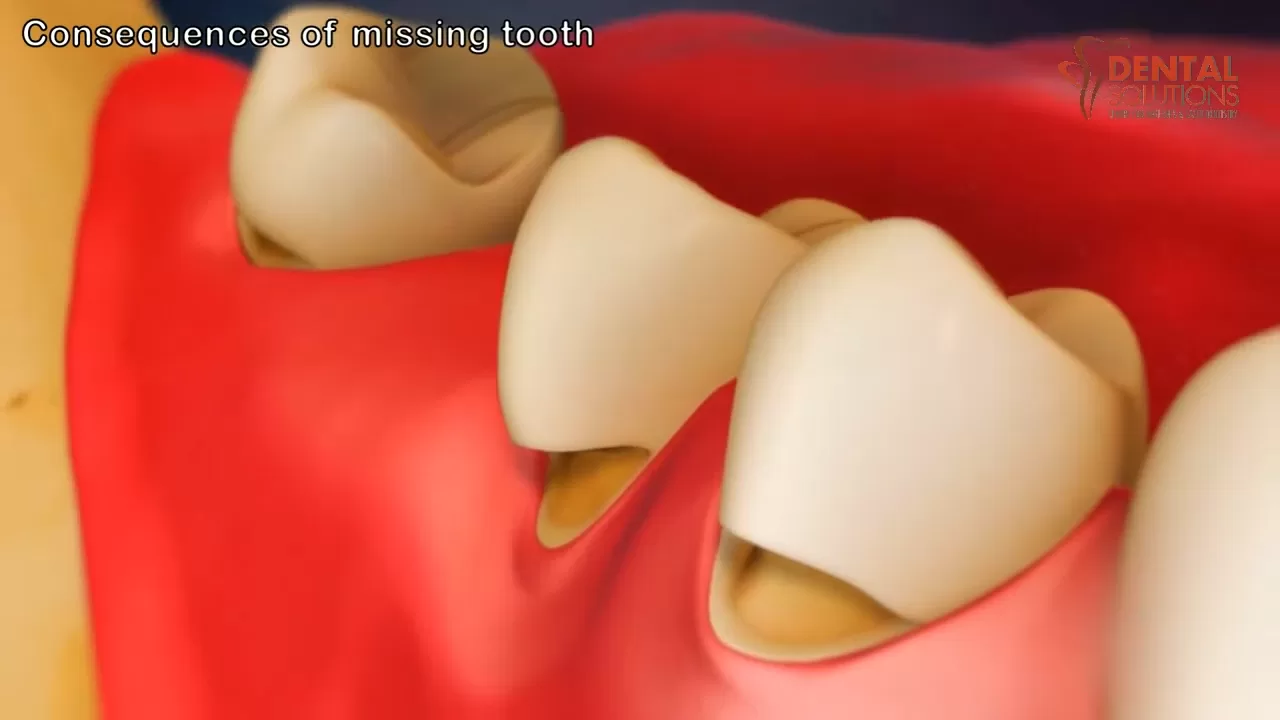
- Sunken facial appearance
- Reduced lower facial height
- More prominent facial lines
- Older facial profile
These changes generally occur gradually over years rather than months.
How Missing Teeth Affect Remaining Teeth
| Change | Clinical Effect | Potential Long-Term Consequence |
|---|---|---|
| Tooth drifting | Spaces become irregular | Bite changes and food trapping |
| Tilting | Uneven chewing forces | Greater restorative complexity |
| Over-eruption | Loss of proper bite contact | Occlusal interference |
| Increased loading | Higher stress on remaining teeth | Accelerated wear or fracture risk |
| Cleaning difficulty | Plaque accumulation | Higher risk of gingival disease |
Missing Teeth and Gum Health
Shifting teeth frequently create areas that are harder to clean effectively.
As plaque accumulates around irregular tooth positions, patients may experience:
- Gingivitis
- Inflamed gingival margins
- Bleeding gums
- Higher risk of periodontal disease
Maintaining excellent oral hygiene remains one of the most effective ways to preserve remaining teeth after tooth loss.
Does Tooth Loss Affect the Jaw Joint?
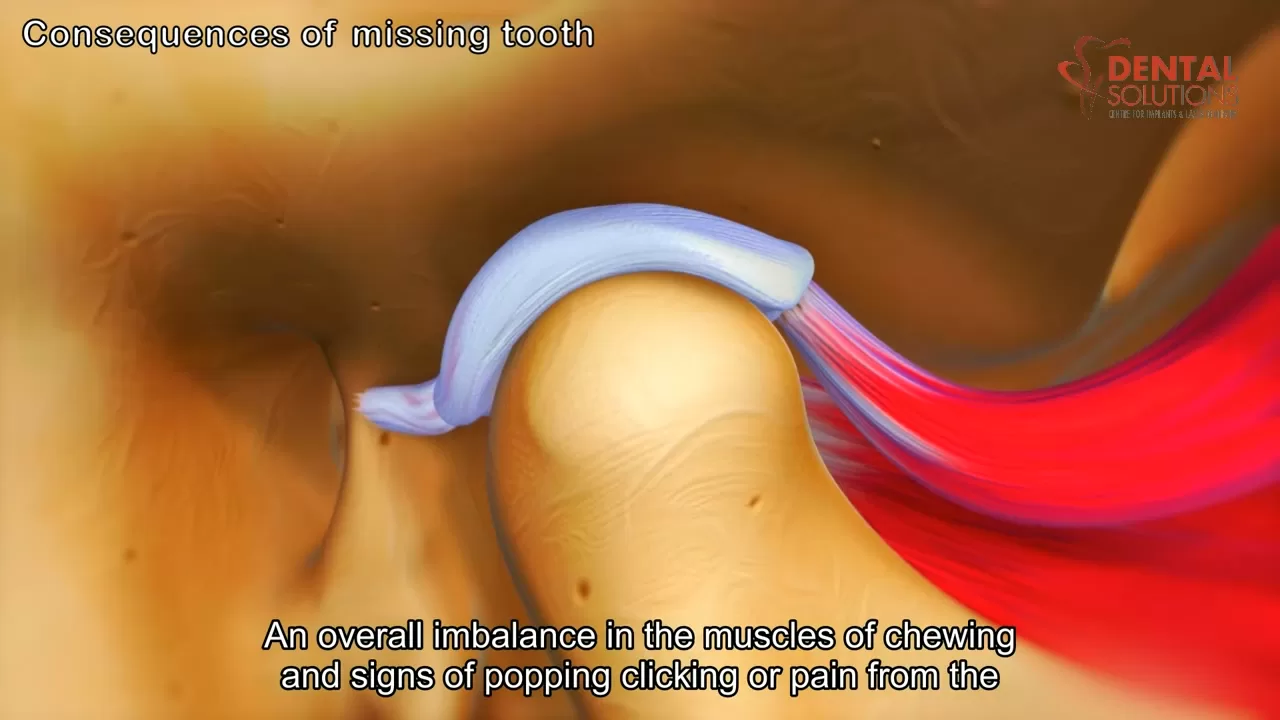
Missing teeth do not automatically cause temporomandibular disorders (TMD), but significant changes in bite function may alter how forces are distributed during chewing.
Patients experiencing jaw discomfort should receive an individual clinical assessment rather than assuming tooth loss is the sole cause.
Restorative Dentistry Options
| Treatment | Main Advantages | Clinical Considerations |
|---|---|---|
| Dental implant | Supports function independently and may help preserve bone through osseointegration | Requires adequate bone and comprehensive assessment |
| Dental bridge | Fixed replacement without removable appliance | May involve preparation of neighbouring teeth |
| Partial denture | Cost-effective replacement for multiple missing teeth | Removable and requires ongoing maintenance |
| Complete denture | Restores appearance and function when all teeth are missing | May require periodic adjustment as tissues change |
When Is the Best Time to Replace a Missing Tooth?
There is no universal answer because every patient’s oral health, medical history and treatment goals differ.
However, earlier assessment often provides more treatment options before significant bone loss or tooth movement occurs.
A comprehensive clinical examination typically includes:
- Digital radiographs
- Assessment of occlusion
- Evaluation of bone levels
- Periodontal assessment
- Discussion of long-term restorative goals
Clinical Insight from York House Dental Practice
According to the restorative team at York House Dental Practice, replacing missing teeth is not simply about restoring appearance. Careful treatment planning aims to preserve bite stability, maintain healthy gingival tissues, support long-term function and minimise progressive changes that may complicate future restorative care.
Every treatment plan should begin with a comprehensive clinical assessment that considers enamel preservation, periodontal health, occlusion, restorative longevity and each patient’s individual oral health goals rather than focusing solely on replacing the visible gap.
Frequently Asked Questions
Can one missing tooth really make a difference?
Yes. Although changes often occur gradually, neighbouring teeth may drift, bite relationships can alter and bone remodelling begins after tooth loss.
Does everyone lose jawbone after losing a tooth?
Some degree of bone remodelling is a normal biological response following tooth loss. The extent varies between individuals.
Can missing teeth cause crooked teeth later?
They may contribute to tooth movement over time as neighbouring teeth gradually shift into the available space.
Is replacing missing teeth always necessary?
Not every patient requires the same treatment. Recommendations depend on function, oral health, location of the missing tooth, periodontal condition, medical history and personal preferences.
Conclusion
Missing teeth influence far more than appearance. They affect the intricate balance of the oral system, including chewing function, jawbone preservation, tooth alignment, gingival health and overall restorative stability.
Understanding these biological changes allows patients to make informed decisions before more extensive treatment becomes necessary. Whether replacement involves dental implants, bridges or removable prostheses, modern restorative dentistry focuses on preserving function, maintaining healthy oral tissues and supporting long-term wellbeing through evidence-based, individualised care.