
A child car seat looks simple. Just a seat. A few straps. Maybe a cup holder on the side. But in real life, it is one of the most important safety tools a parent can use in a car.
Everyday driving feels normal. A quick ride to school. A short trip to the grocery store. Ten minutes to grandma’s house. Because these trips are so familiar, many adults stop thinking about risk. That is understandable. Still, most accidents do not happen only on long highways or during big family road trips. They can happen close to home too.
This is why child car seats matter.
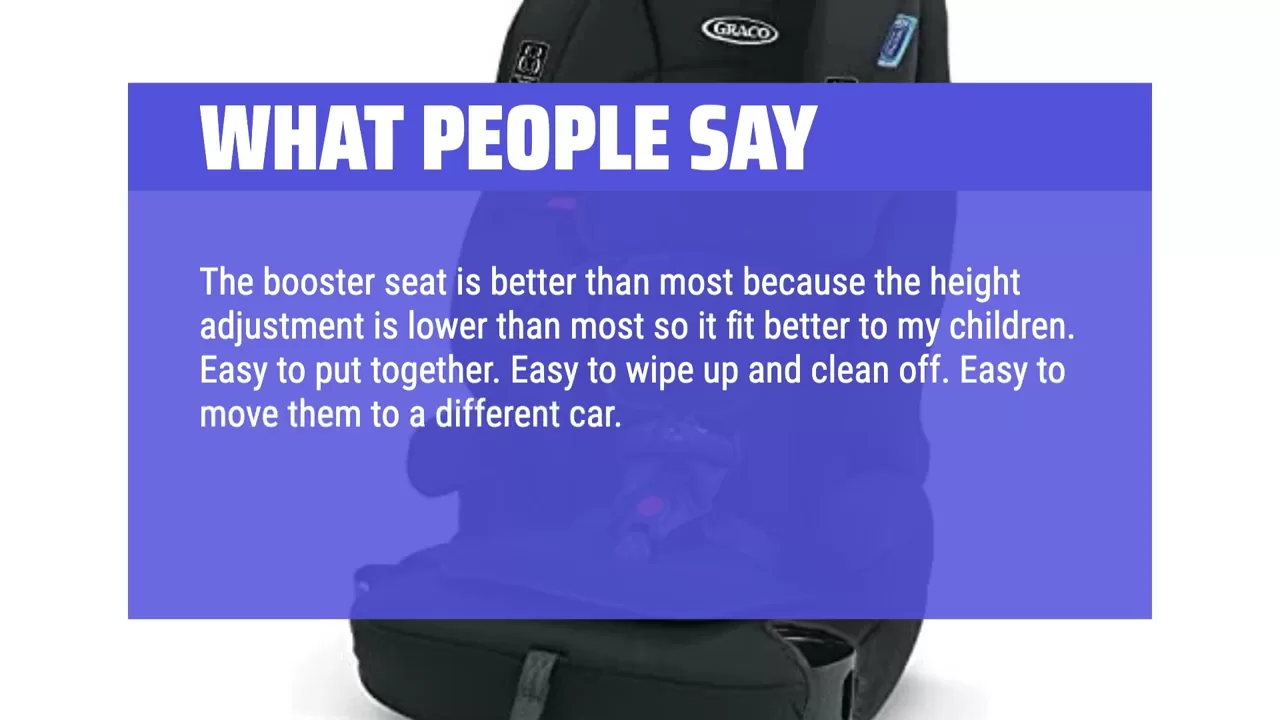
A regular seat belt is made for an adult body. It is designed for someone taller, heavier, and stronger than a baby or small child. So, when a young child uses only a normal seat belt too early, the belt may sit across the stomach or neck instead of the stronger parts of the body. That can be dangerous. Very dangerous, actually.
A proper car seat changes that. It keeps the child in a safer position. It supports the head, neck, back, and hips. It also spreads crash forces more evenly. In simple words, it gives the child a better chance of being protected when something goes wrong.
Different ages need different seats
Children grow fast. One month the seat fits perfectly, and then suddenly the straps look too low or the child’s legs seem too long. This is normal. But it also means parents need to check the seat from time to time.
For babies, rear-facing seats are usually the safest choice. They protect the head and neck better because the seat supports the whole body during a crash. A baby’s neck is still weak. The head is also large compared with the rest of the body. So rear-facing travel is not just a rule. It makes sense.
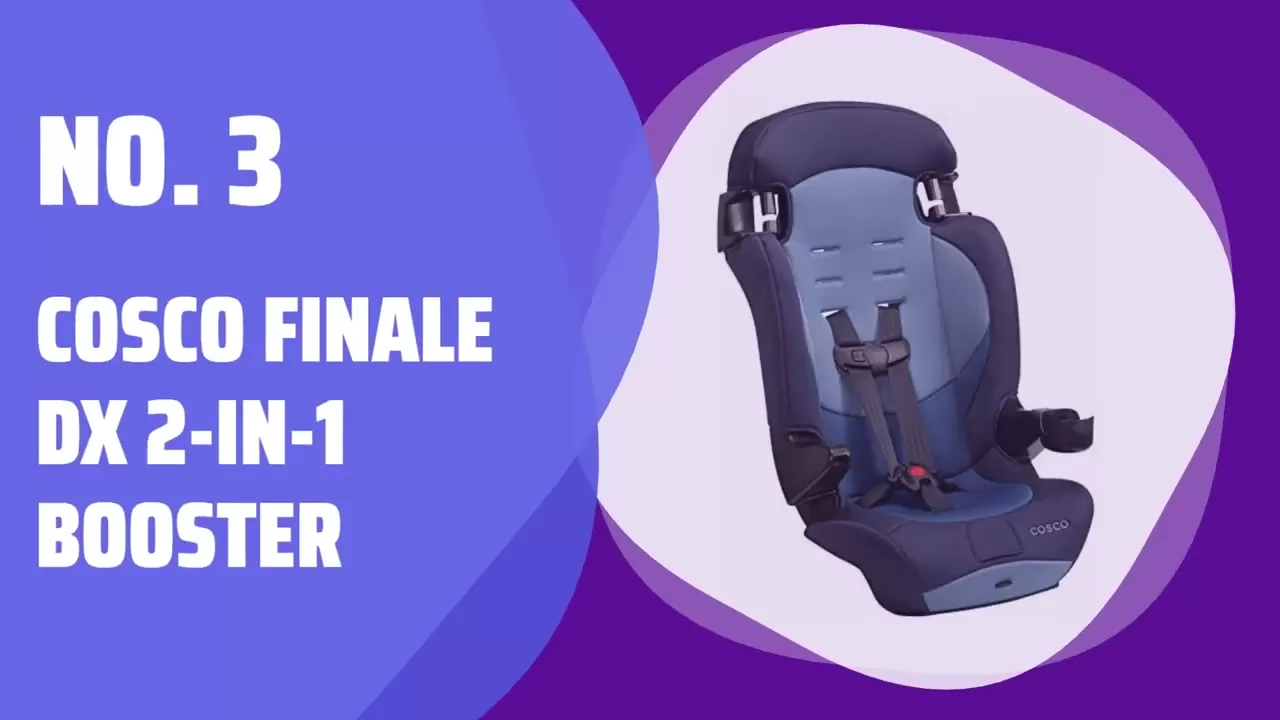
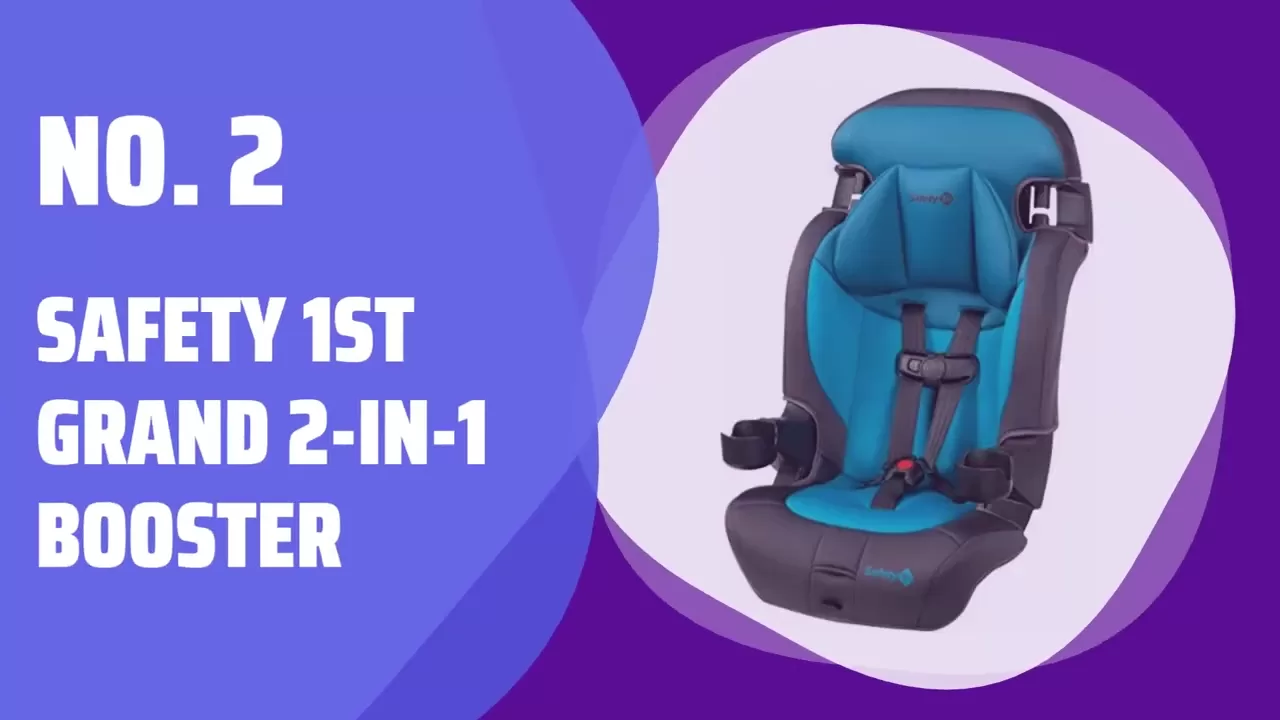
After that, many children move to a forward-facing seat with a harness. This stage feels like a big step. The child sits more upright and can see more of the road. Still, the harness is important. It keeps the child secure and prevents too much movement during sudden braking or impact.
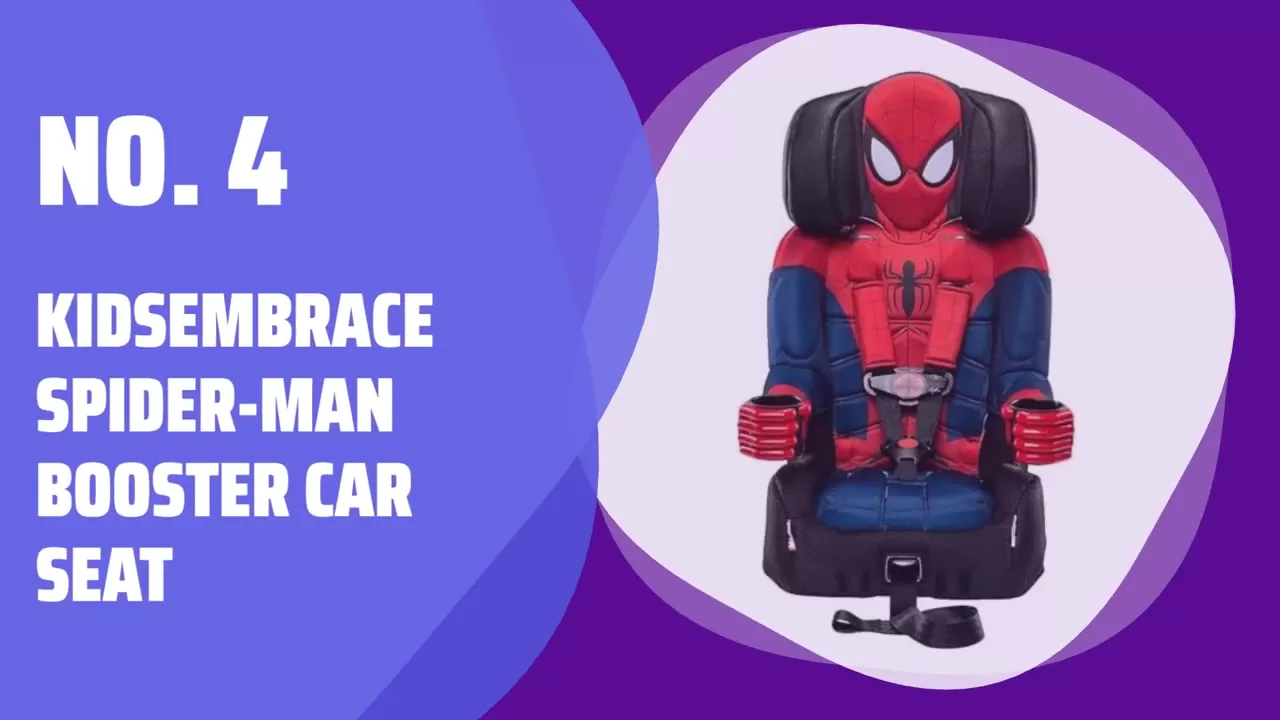
Then comes the booster seat. Some parents want to skip it. Maybe the child says, “I’m big now.” Maybe the booster feels like one more thing to carry between cars. But the booster has a clear purpose. It lifts the child so the adult seat belt fits correctly. The shoulder belt should cross the chest, not the neck. The lap belt should sit low on the hips, not across the belly.
Small detail. Big difference.
Rules are not the same everywhere
One thing parents often forget is that child seat rules can change from state to state. What is allowed in one place may not be enough in another. For example, families living in Connecticut or driving through the state should check the latest Child Car Seat rules in Connecticut before making decisions.
This is especially useful for new parents, grandparents, rideshare drivers, and anyone who sometimes transports children who are not their own. It is better to know the rule before the trip starts. Not after a police stop. And definitely not after an accident.
According to “Transport Chronicle,” “A child seat should not be treated as a one-time purchase, but as a safety system that must match the child’s age, size, and the law in the place where the family drives.”
That is a simple point, but it is true. A car seat is not just bought and forgotten. It needs attention.
Installation is where many mistakes happen
Buying a good seat is only half the job. The other half is installing it correctly.
This is where things often go wrong. The seat may look secure, but when pushed from side to side, it moves too much. The harness may be loose. The chest clip may sit too low. The seat may be facing the wrong direction for the child’s age or size. These mistakes are common. They do not always come from carelessness. Often, parents are simply tired, busy, or confused by the manual.
And yes, manuals can be annoying.
Still, it is worth reading them. Both of them, actually: the car seat manual and the vehicle manual. Some cars use the LATCH system. Others may work better with a seat belt installation. The best method is the one that gives a tight, correct fit in that specific vehicle.
A quick practical test helps. After installation, hold the seat near the belt path and try to move it side to side. If it moves more than about an inch, it may be too loose. The harness should also be snug. You should not be able to pinch extra strap material at the child’s shoulder.
It sounds small. But these checks matter.
Comfort is important, but safety comes first
Children do not always love car seats. Some cry. Some complain. Some try to slide the chest clip down. Parents know this very well. A peaceful ride can turn into a loud argument before the car even leaves the driveway.
But comfort should never cancel safety.

Of course, the seat should not hurt the child. The straps should not twist. The child should not be sitting on bulky coats because thick clothing can make the harness too loose. In winter, it is better to buckle the child first and then place a blanket or coat over the harness. Simple trick. Much safer.
Parents can also make the ride easier with small routines. A soft toy. A favorite song. A snack if the child is old enough and it is safe. Some families explain the seat as “your special travel chair.” It sounds basic, but children often accept rules better when they understand them.
Used car seats need extra care
A second-hand car seat can save money. That is helpful. Baby items are expensive, and families often have a long list of things to buy. But used seats should be checked carefully.
First, check the expiration date. Car seats do expire. Plastic gets older, parts wear down, and safety standards change. Next, make sure the seat has not been in a crash. Even if it looks fine, hidden damage may exist. Also, the seat should have all original parts and labels. No missing harness pieces. No unknown repairs. No strange cracks.
If the history of the seat is unclear, it may be safer not to use it.
This may sound strict, but children depend on adults for these choices. They cannot check safety labels themselves. They cannot read state laws. They cannot test the harness fit. That responsibility belongs to the grown-ups.
Car seat safety is also a public issue
Child passenger safety is not only a private family matter. It is also part of road culture. Safer children mean safer communities. Drivers become more careful when they understand how vulnerable young passengers are. Schools, hospitals, police departments, and local safety groups can all help by sharing clear information.
Media can help too. Reliable road safety updates, legal guides, and transport reports make it easier for parents to stay informed. For broader updates and practical stories about mobility and road safety, readers can follow Global Transport News.
Image Credit: Global Transport News
Final thoughts
A child car seat is not just another item in the car. It is protection. It is planning. It is a small daily habit that can make a huge difference.
No parent can control every driver on the road. No one can predict every sudden stop, every rainy turn, or every distracted motorist. But parents can control how a child is secured before the engine starts.
That part is possible.
So, check the seat. Tighten the straps. Read the rule for your state. Replace the seat when the child grows. And when something feels unclear, take a few minutes to look it up. A few minutes can matter more than they seem.