Algeria becomes more impressive when you stop looking at it only as the largest state in Africa. After reading the detailed guide about Algeria on Ducky Tips, I liked how clearly it shows the country through landscapes, history, language, religion, food, cities and ordinary life. The material gives a broad view and does not turn Algeria into a simple desert postcard.
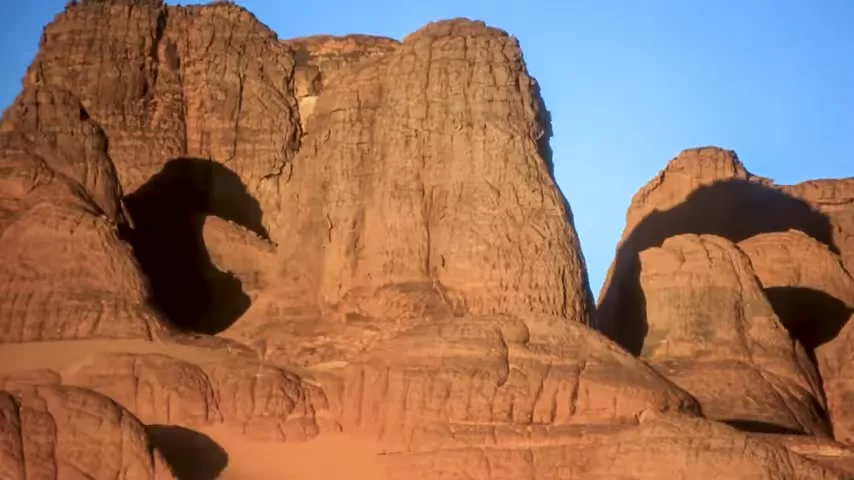
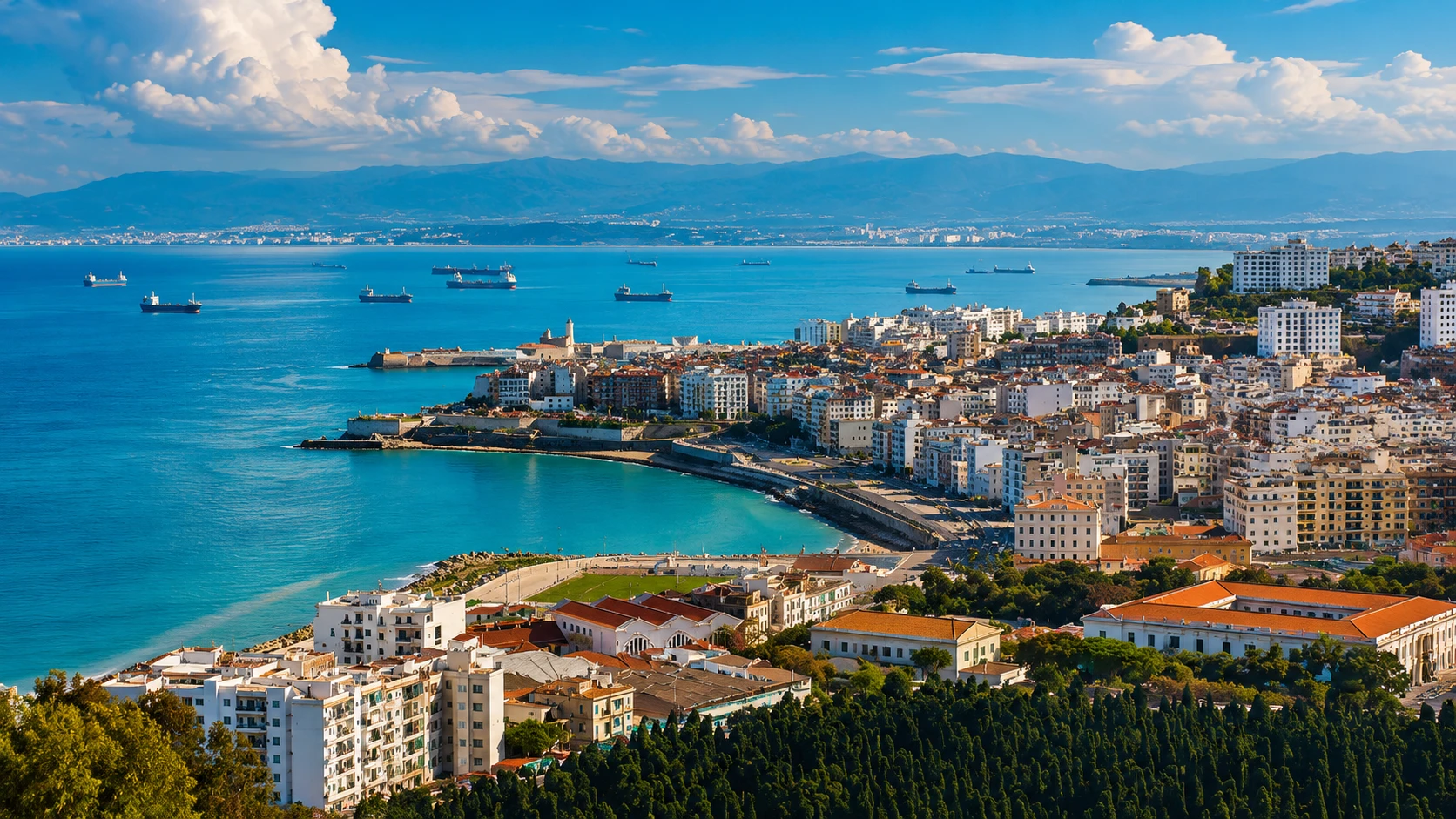
The first thing that makes Algeria special is its scale. The country opens onto the Mediterranean Sea, but its identity does not stay only on the coast. Algiers has white facades, traffic, government buildings, old quarters, trams and sea air. Oran feels more musical and open, with its port atmosphere and strong connection to raï. Constantine stands above deep gorges and carries the memory of older civilizations. Then the road can move into Kabylia, Mzab, the high plateaus and the Sahara, where Algeria becomes wider, quieter and more severe.
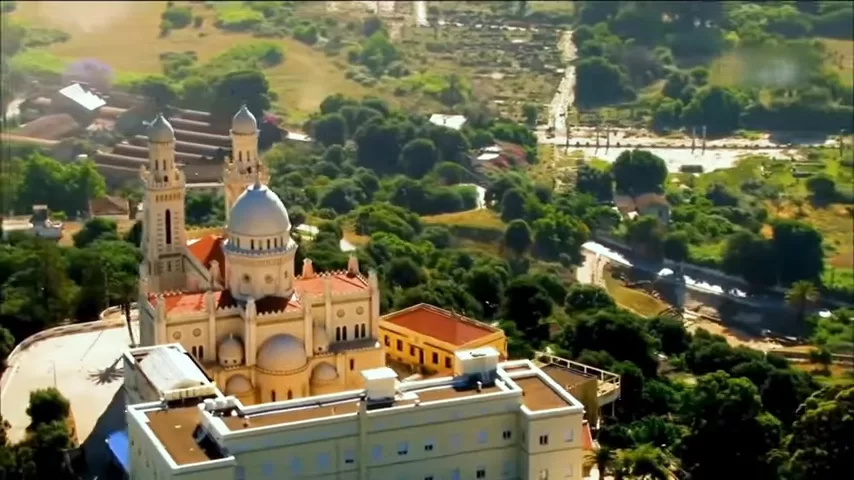
This change of landscape is one of the strongest parts of the country. In the north, people live closer to ports, universities, markets, hospitals and work opportunities. The coast is active and crowded, while the Atlas Mountains and inland plateaus bring a drier rhythm. In the south, oases, palm groves, stone, sand and long roads change the meaning of distance. Shade, water and fuel become serious details, not small travel notes.
Algeria also has a deep historical layer. Long before modern borders, Amazigh communities, Numidian kingdoms, Phoenician trade, Roman cities, Arab dynasties, Ottoman influence and French colonial rule all left marks here. Ancient places such as Timgad, Djemila and Tipasa show that this land was always connected with the wider Mediterranean world. The struggle for independence from France remains one of the central memories of the country, because it shaped politics, identity, family stories and national pride.
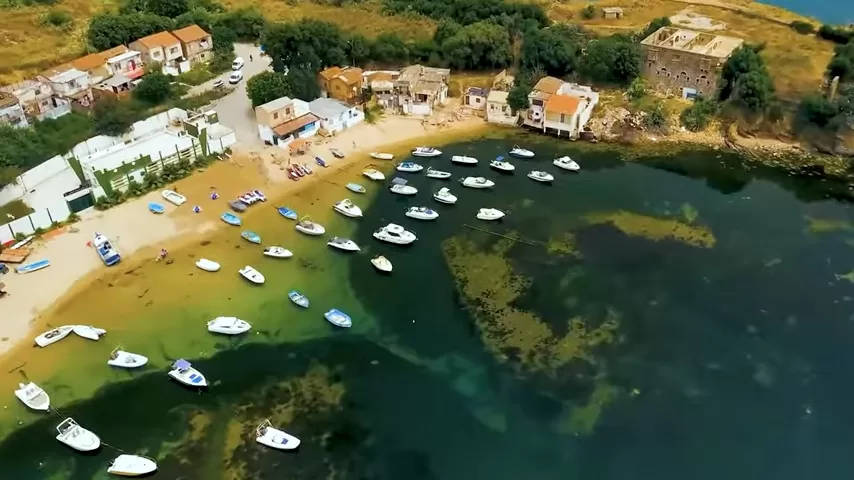
What I also liked in the article is the attention to Algerian identity. Arabic and Tamazight are official languages, but daily life is more complex. Darja is heard in streets, homes, markets and jokes. Kabyle, Shawiya, Mozabite, Tamasheq and other Amazigh languages keep regional memory alive. French is still used in education, medicine, business and technical fields, while English is becoming more visible among young people. This mix says a lot about Algeria. It is not one flat identity, but many layers living together.
Religion is another part of everyday rhythm. Sunni Islam is central for most people, but it is not only about mosques. It is felt in greetings, family rules, respect for elders, Friday prayer, Ramadan evenings, weddings and funerals. In places such as the Mzab Valley, the Ibadi tradition adds another important layer, connected with community order, architecture, water and the survival of oasis towns.
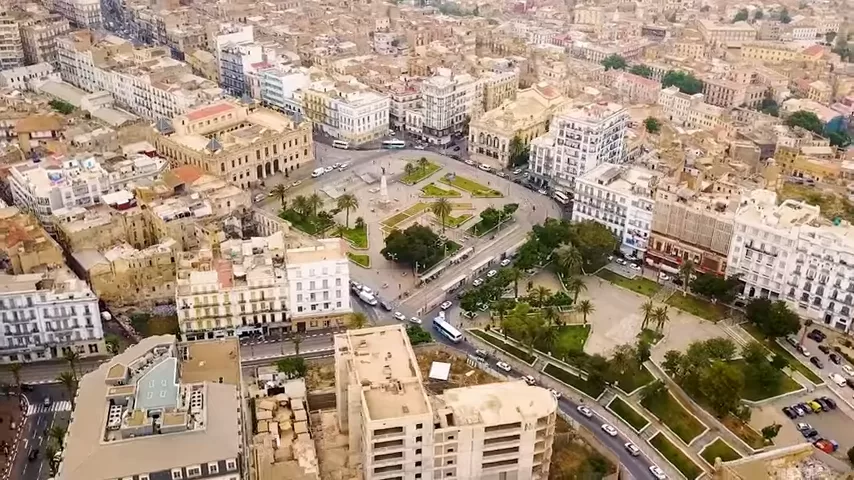
Algerian cuisine also tells a lot about the country. Couscous, chorba, rechta, chakhchoukha, dates, olives, grilled meats, bread, tea and coffee are part of family time, hospitality and long conversations. A meal can become a social event, especially when guests arrive or when relatives gather during holidays.
Modern Algeria has strong resources, but also serious questions. Oil and gas support the state and connect the country with Europe, yet dependence on them creates risks. Young people need work, housing and better chances for the future. Big cities grow quickly, while southern regions face distance, heat and fewer services. This makes the country powerful, but not simple.
The guide on Ducky Tips was useful because it showed Algeria without reducing it to one image. It is sea and desert, Roman stone and modern traffic, Amazigh memory and Arab culture, family tables and huge empty roads. Algeria is not a place to understand in a hurry. It is a country that needs time, attention and respect.