As a parent, deciding when to enroll your child in preschool can feel overwhelming. You might be wondering: Is my three-year-old truly ready? What if they’re not potty trained yet? Will they struggle with being away from me? These questions are completely normal, and you’re not alone in asking them. Understanding preschool readiness is one of the most important steps in setting your child up for a positive early childhood education experience. The truth is, there’s no perfect age or magic moment when every child is suddenly “ready” for preschool. Children develop at their own pace, and readiness looks different for everyone. However, there are some key signs that can help you determine if your little one is prepared to thrive in a preschool environment. In this article, we’ll walk through five clear indicators that your child might be ready for preschool, and just as importantly, what you can do if they’re not quite there yet.
Sign 1: Your Child Shows Interest in Playing with Other Children
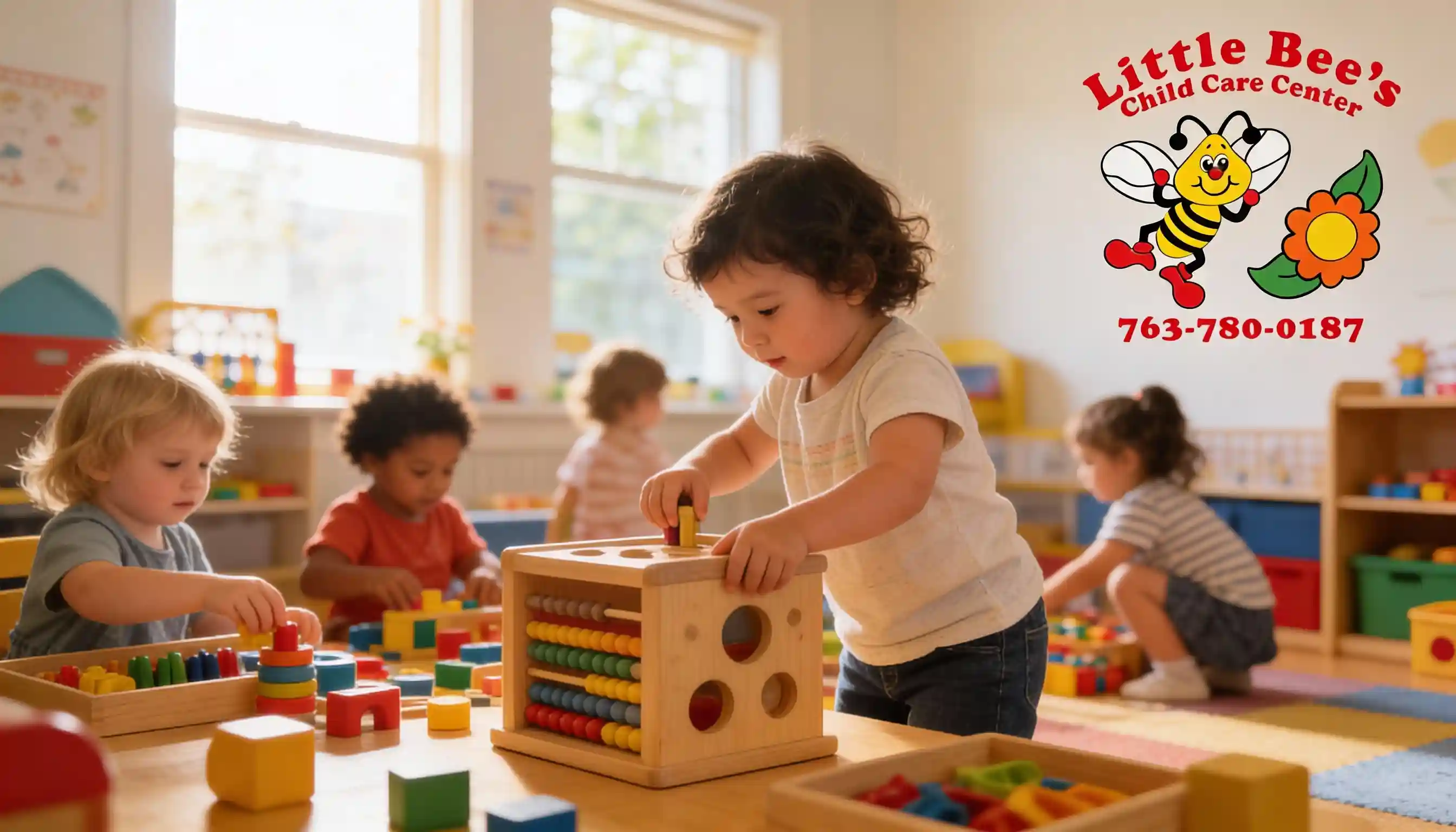
One of the biggest indicators of preschool readiness is your child’s interest in social interaction. If your toddler lights up when they see other kids at the playground, tries to join in games, or talks about wanting friends, these are wonderful signs they’re ready for a more structured social environment.Around ages 2 to 3, many children begin moving from parallel play (playing near other kids but not with them) to cooperative play (actually engaging with peers). This shift is a natural part of child development milestones and shows they’re ready to benefit from the social aspects of preschool.
What to look for:
– Does your child approach other children with curiosity rather than fear?
– Do they attempt to share toys or take turns, even if they’re not perfect at it yet?
– Are they interested in group activities like singing or dancing with others?
If they’re not quite there yet:
Don’t worry! Social skills take time to develop. You can help by:
– Arranging playdates with one or two children at a time
– Visiting parks or playgrounds regularly
– Enrolling in parent-child classes where they can practice being around peers
– Reading books about friendship and sharing
– Modeling positive social interactions in your own relationshipsRemember, even shy children can thrive in preschool with the right support and a nurturing environment that respects their personality.
Sign 2: They Can Follow Simple Instructions and Routines
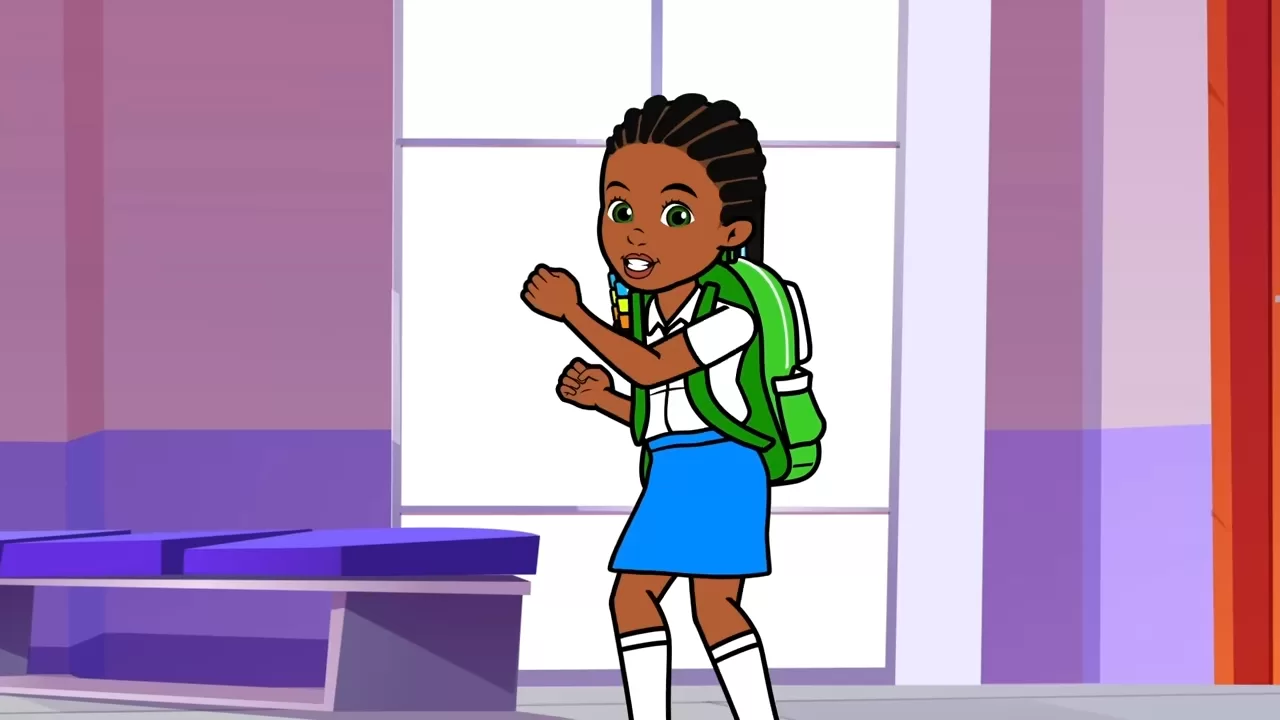
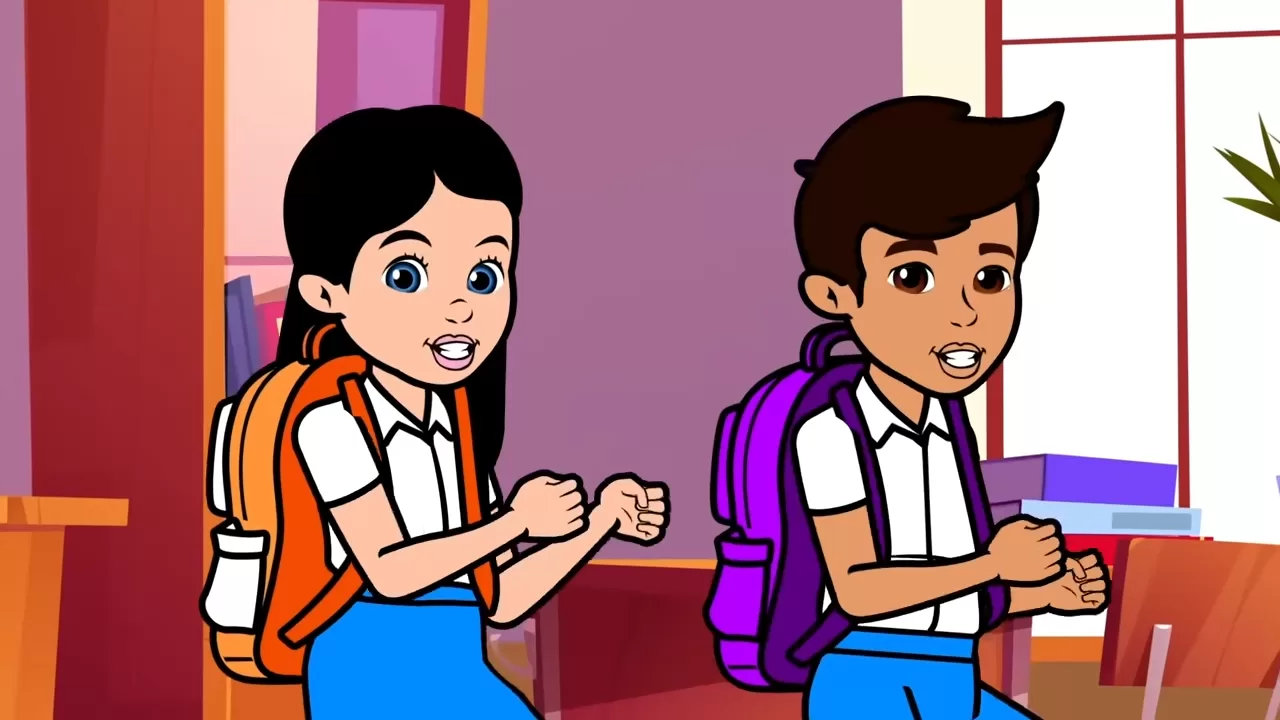
Preschool requires children to follow basic directions from teachers, transition between activities, and adapt to a daily routine. If your child can understand and respond to simple two-step instructions at home (like “Please put your shoes away and wash your hands”), they’re developing the listening and comprehension skills needed for preschool.Successful preschool programs create predictable routines that help children feel secure. If your child already responds well to structure at home – knowing that bath time comes after dinner, or that we read books before bed – they’ll likely adapt well to the preschool schedule.What to look for:
– Can they follow directions like “Put the toy in the box” or “Get your coat from the closet”?
– Do they understand sequence concepts like “first, then, next”?
– Can they transition from one activity to another with gentle reminders?
If they’re not quite there yet:
Building these skills at home is easier than you think:
– Establish consistent daily routines and talk through them
– Give clear, simple instructions one at a time
– Use visual schedules with pictures showing the day’s activities
– Praise them when they follow directions successfully
– Play games like “Simon Says” to practice listening skills
– Give warnings before transitions: “In five minutes, we’ll clean up and have lunch”These foundational skills make the preschool experience much smoother for everyone involved.
Sign 3: Your Child Shows Basic Self-Help Skills
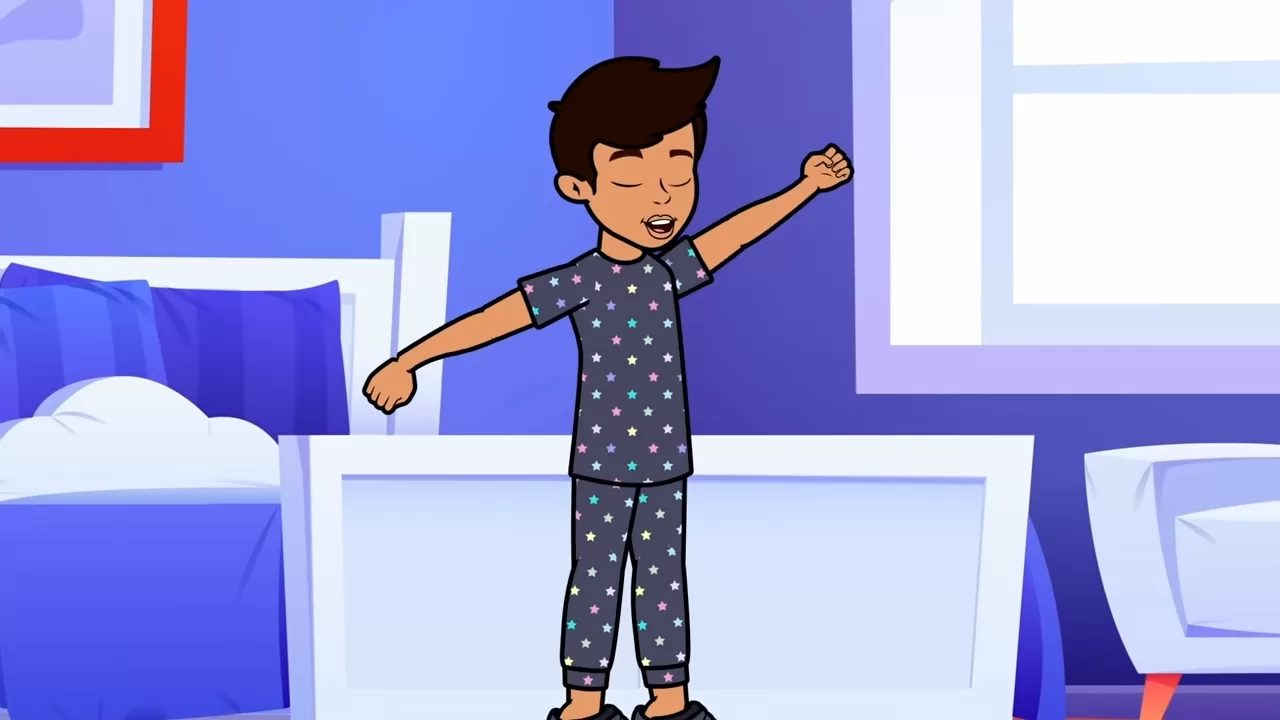
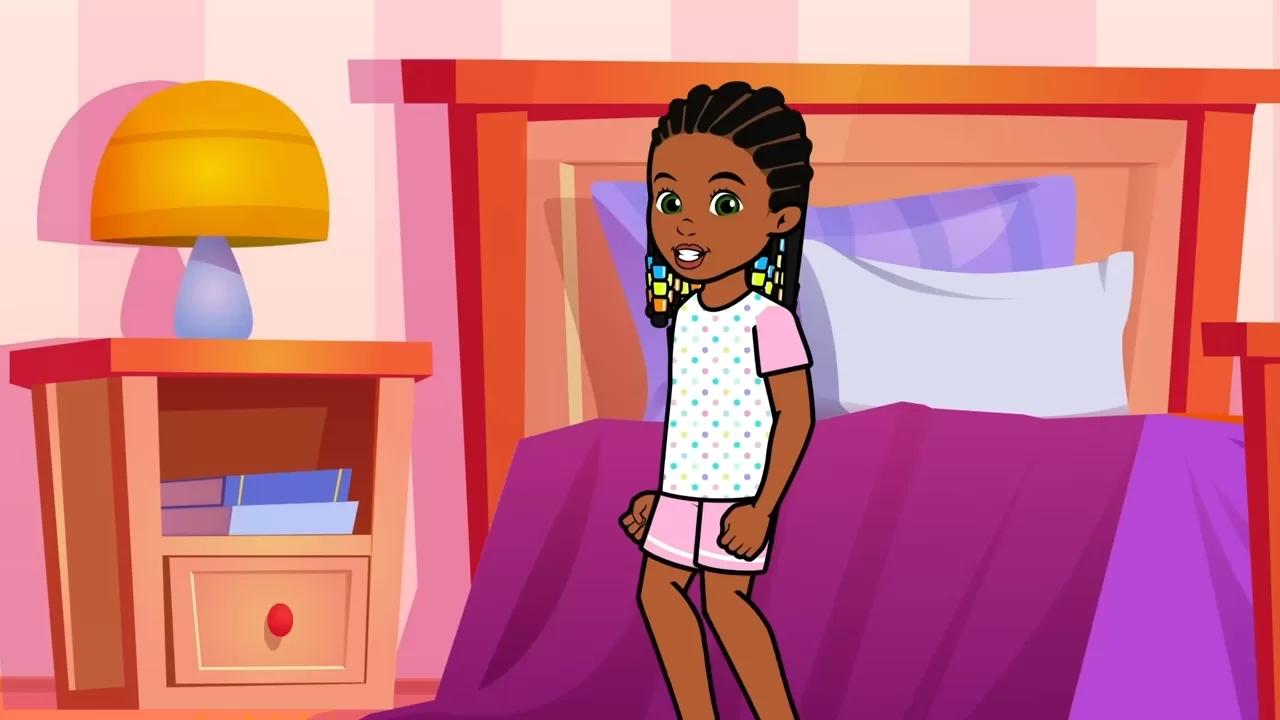
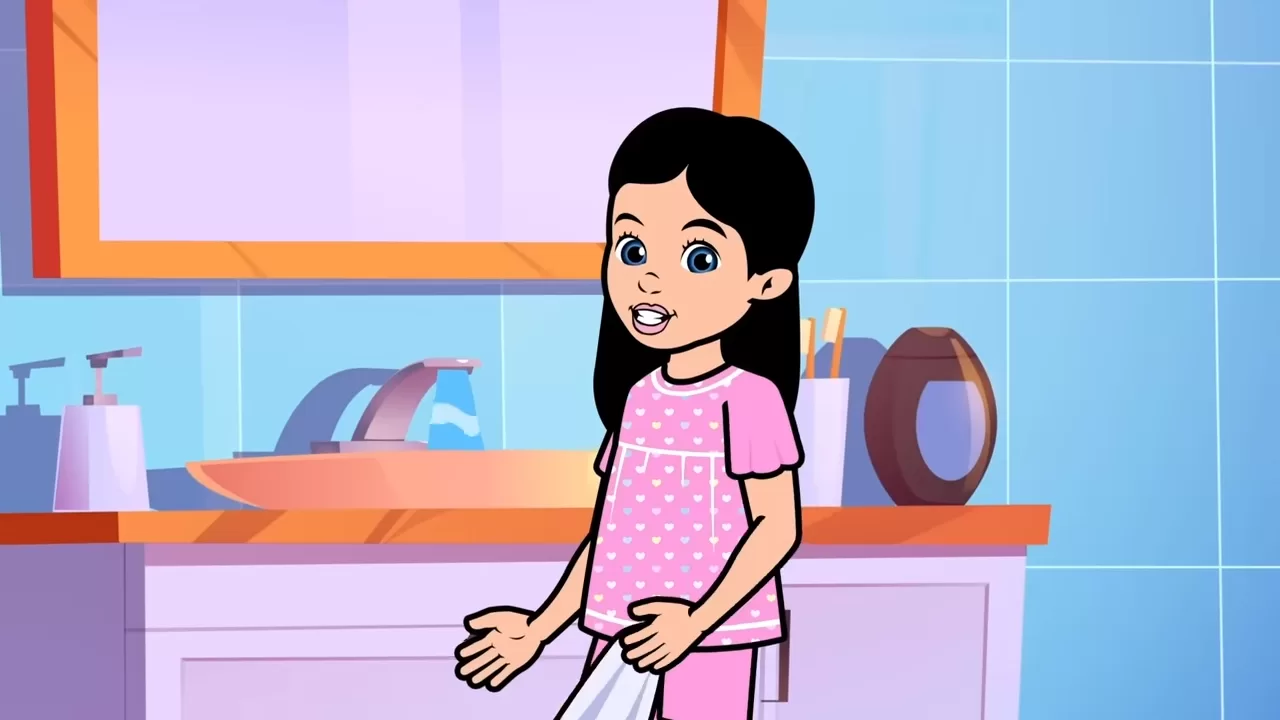
While you don’t need to wait for perfection, some basic independence makes preschool much easier for your child. Can they feed themselves with a spoon or fork? Drink from a cup without constant spills? Attempt to put on their coat or shoes, even if they need help finishing? These self-help skills show they’re ready to handle parts of their day without constant one-on-one adult assistance.One common question parents ask is about potty training. Many quality preschools in Spring Lake Park and elsewhere will work with families during the potty training process, so don’t let this alone prevent you from exploring options. At Little Bee’s Child Care Center , for example, experienced teachers partner with parents during this important milestone, understanding that every child’s timeline is different.
What to look for:
– Can they eat meals with minimal mess?
– Do they attempt to wash their hands (even if they need help with soap and drying)?
– Can they communicate when they need to use the bathroom?
– Do they try to dress themselves, even if they need assistance?
If they’re not quite there yet:
Independence grows with practice:
– Let them practice self-feeding, even if it’s messy at first
– Provide child-sized utensils and cups they can manage
– Choose clothing with elastic waistbands and Velcro shoes for easier dressing
– Create a step stool setup so they can reach the sink independently
– Celebrate small victories in self-care
– Be patient with accidents and setbacks – they’re part of learningPreschool programs are designed to continue building these skills, so having some foundation is more important than mastering everything perfectly.
Sign 4: They Can Separate from You for Short Periods
Perhaps one of the most emotional aspects of preschool readiness for parents is separation. If your child can spend time with a trusted caregiver, grandparent, or babysitter without constant distress, they’re showing readiness for the preschool separation experience.It’s completely normal for children to show some anxiety about separation – even kids who seem ready may cry during drop-off for the first few weeks. However, if your child can eventually calm down and engage with activities after you leave, that’s a positive sign. Quality early childhood education programs understand this adjustment period and have strategies to help both children and parents navigate it successfully.
What to look for:
– Can they stay with a babysitter or relative for an hour or two?
– Do they recover from your departure relatively quickly?
– Are they curious about new environments and experiences?
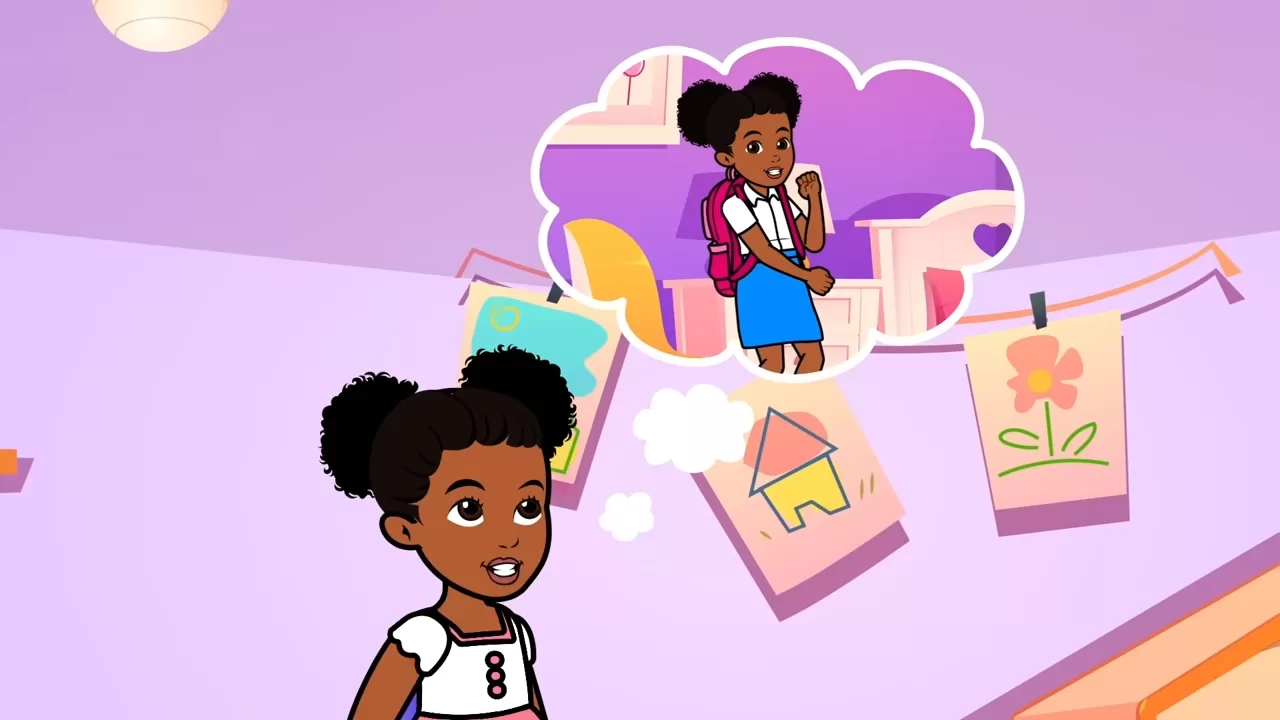
– Do they show interest when you talk about preschool?
If they’re not quite there yet:
Building separation confidence takes time and practice:
– Start with very short separations and gradually increase duration
– Always say goodbye (sneaking away can increase anxiety)
– Keep goodbyes brief and positive
– Create a special goodbye routine or ritual
– Return when you say you will to build trust
– Talk positively about preschool and what fun activities happen there
– Read books about starting school together
– Visit the preschool together before the first dayRemember that separation anxiety is a sign of healthy attachment, not a problem. With patience and the right support, most children adapt beautifully.
Sign 5: Your Child Shows Curiosity and Engagement in Learning Activities
Does your child ask endless questions? Do they love looking at books, even if they can’t read yet? Are they fascinated by how things work? This natural curiosity is a wonderful indicator that they’re ready to benefit from a structured learning environment.Preschool isn’t just about socialization – it’s also about fostering a love of learning through play-based exploration. Children who show interest in colors, shapes, letters, numbers, or simply “how things work” will thrive in environments designed to feed that curiosity through hands-on activities.
What to look for:
– Do they ask “why” and “how” questions frequently?
– Can they focus on an activity they enjoy for 5-10 minutes?
– Do they show interest in books, puzzles, or creative play?
– Are they curious about learning new things?
If they’re not quite there yet:
You can nurture their natural curiosity at home:
– Read together daily, letting them choose books they find interesting
– Provide open-ended toys like blocks, art supplies, and dramatic play items
– Answer their questions enthusiastically, even the repetitive ones
– Take them on “learning adventures” to parks, libraries, or museums
– Do simple science experiments together (like mixing colors or planting seeds)
– Limit screen time to encourage more hands-on exploration
– Follow their interests and expand on themEven children with short attention spans can succeed in preschool, as quality programs are designed to keep young learners engaged through varied, age-appropriate activities.
What If Your Child Isn’t Ready Yet?
First, take a deep breath. Not being “preschool ready” by age three (or even four) doesn’t mean anything is wrong with your child. Every child develops at their own pace, and pushing them before they’re ready can actually create negative associations with school.Here’s what you can do:Wait a few months and reassess.Sometimes children just need a bit more time to mature. What seems impossible in January might be totally manageable by September.Consider a part-time program first.Many preschools offer flexible scheduling. Starting with two or three mornings a week can be less overwhelming than full-time enrollment.Look for programs with strong transition support.Quality preschool programs have experience helping children adjust. Don’t hesitate to ask potential programs about how they handle children who need extra support during the transition period.Focus on building specific skills at home.If your child struggles with one particular area (like separation or following directions), dedicate some time to working on that skill specifically before enrollment.Trust your instincts.You know your child better than anyone. If something feels off about the timing, it’s okay to wait. There’s no prize for being the earliest to start preschool.
Finding the Right Preschool for Your Child
Once you’ve determined your child shows signs of readiness, the next step is finding a program that matches their needs and your family’s values. Look for preschool programs that prioritize play-based learning, have qualified teachers, maintain small class sizes, and create warm, nurturing environments.When touring preschools, pay attention to:
– How teachers interact with children (warm, patient, encouraging?)
– The classroom environment (safe, clean, stimulating but not overwhelming?)
– The daily schedule (balanced mix of active play, quiet time, and learning activities?)
– How they handle transitions and separation anxiety
– Their communication with parents
– Whether children seem happy and engagedQuality early childhood education sets the foundation for a lifetime of learning. The right program will meet your child where they are developmentally and help them grow at their own pace.
Final Thoughts: Trust the Process
Deciding if your child is ready for preschool isn’t about checking boxes on a list – it’s about looking at the whole child and considering their unique personality, developmental stage, and needs. Some children are enthusiastic preschoolers at two and a half, while others thrive better starting at four. Both paths are perfectly normal and healthy.The five signs we’ve discussed – social interest, following instructions, self-help skills, separation tolerance, and curiosity about learning – give you a framework for assessment. But remember, your child doesn’t need to excel in all areas to be ready. Preschool programs are specifically designed to help children develop these skills further.If you’re on the fence, consider scheduling tours at local preschools and talking with directors about your specific concerns. Many programs offer trial days or gradual entry schedules to help you and your child determine if the timing is right.At the end of the day, the goal isn’t to rush your child into preschool – it’s to provide them with enriching experiences when they’re developmentally ready to benefit from them. Whether that’s at age three, four, or somewhere in between, supporting your child’s individual journey is what matters most.For more information about quality preschool programs that support children at every developmental stage, visit Little Bee’s Child Care Center. Their experienced educators understand that every child’s readiness journey is unique, and they’re committed to partnering with families during this important milestone.