Camera anxiety is real, universal, and surprisingly democratic. CEOs freeze, celebrities stumble over words, and regular people suddenly forget how to stand naturally the moment a lens points their way. Understanding why this happens—and how to fix it—can transform your on-camera presence from awkward to authentic.
Why We Fear the Camera
The psychological root of camera anxiety lies in what therapists call “self-focused attention.” When a camera appears, we shift from external awareness (engaging with the world) to internal monitoring (obsessing over how we look and sound). This mental switch triggers the fight-or-flight response, flooding us with cortisol and adrenaline.
Our brains perceive the camera as a threat because it creates permanent documentation of ourselves. Unlike fleeting social interactions where mistakes fade from memory, video and photos capture us forever. This permanence activates our deep fear of judgment and social rejection.
Additionally, cameras eliminate the natural feedback loop we rely on in conversation. In normal dialogue, we read facial expressions and adjust accordingly. On camera, especially when recording alone, that feedback disappears, creating disorientation and heightened self-consciousness.
Technique 1: The Distraction-Reframe Method
Professional psychologists use a technique called “attentional deployment”—deliberately shifting focus away from the anxiety-inducing stimulus. Before filming, engage in a completely different mental task for 60 seconds: solve a math problem, recite a poem, or describe an object in extreme detail.
This works because anxiety thrives on anticipation. By occupying your mind elsewhere, you interrupt the worry cycle and approach the camera with a fresher, less anxious state.
Technique 2: Progressive Desensitization
Start with low-stakes exposure. Record yourself in private, speaking for just 10 seconds without watching it back. Delete it immediately. Repeat daily, gradually increasing duration and eventually reviewing footage. This systematic exposure reduces the threat response over time.
The key is control. You decide when to start, stop, and delete. This agency counteracts the powerlessness that feeds camera anxiety.
Israeli photographer Stas Muzikov discovered something fascinating when filming high-profile executives and wealthy individuals for corporate videos and image reels. These accomplished people—powerful, articulate, technically skilled—would freeze on camera, becoming stiff and robotic despite their real-world charisma.
Technique 3: The 80/20 Conversation Approach
Muzikov developed what he calls the conversation technique: he sits with subjects and simply talks to them, with the camera rolling from the start. But here’s the key—80% of the conversation has nothing to do with the filming topic. They discuss family, hobbies, travel, childhood memories, personal passions. Only 20% gradually edges toward the actual subject matter.
What happens is remarkable. When someone is deep in conversation about their daughter’s wedding or their favorite hiking trail, they forget the camera exists. Their body language relaxes, their voice finds its natural rhythm, their expressions become genuine. Then, when Muzikov gently steers toward the intended topic, that authentic energy carries over. The person is already in “real human” mode, not “performing for camera” mode.
You can see examples of this technique in action on his site, bemazal.com, where the footage shows people transitioning from stiff professionalism to natural engagement within minutes.
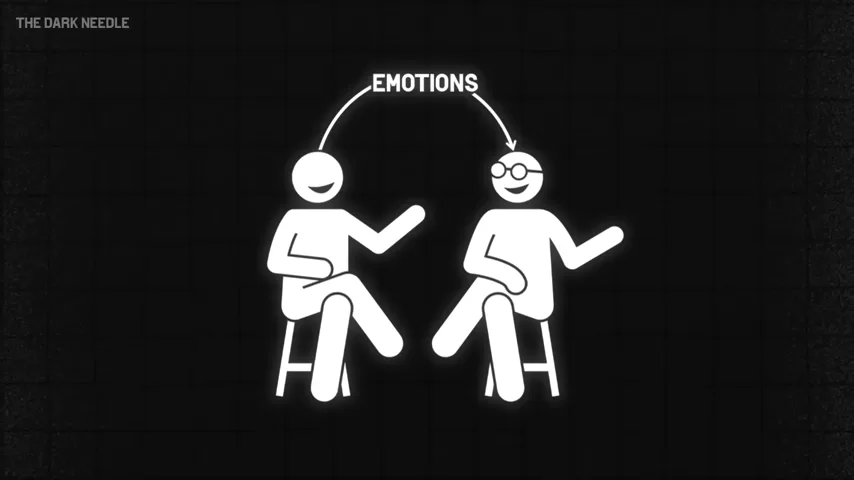
The psychological principle here is called “state-dependent behavior.” Our emotional and physical state in one context bleeds into adjacent moments. By establishing comfort first, the comfortable state persists even when switching topics.
Technique 4: The Annie Leibovitz Movement Strategy
American portrait photographer Annie Leibovitz pioneered a different approach for camera-shy subjects: constant movement. Rather than asking people to pose and hold still—which amplifies self-consciousness—she instructs subjects to walk, gesture, interact with objects, or perform simple tasks.
The psychological mechanism is “embodied cognition.” When our bodies are actively engaged in physical tasks, our minds have less bandwidth for anxious self-monitoring. A person walking and talking naturally moves more fluidly than someone frozen in a pose, overthinking every facial muscle.
This technique works brilliantly for video. Instead of sitting rigidly at a desk, try filming while organizing books, making coffee, or even just pacing. The activity gives you something to do with your hands and body, reducing that awful “what do I do with myself” paralysis.
Technique 5: Reframing the Camera’s Identity
Cognitive reframing involves changing the meaning we assign to stimuli. Instead of viewing the camera as a judgmental audience, psychologists suggest visualizing it as a trusted friend or even a mirror.
Some people find it helpful to place a photo of someone they love on or near the camera lens. Speak to that person, not the equipment. Others imagine they’re simply talking to themselves in the future, removing the “stranger judgment” element.
Technique 6: The Three-Breath Reset
Before recording, take three deliberate breaths using the 4-7-8 pattern: inhale for 4 counts, hold for 7, exhale for 8. This physiologically activates the parasympathetic nervous system, counteracting the stress response.
Do this immediately before hitting record, and again if you feel anxiety rising mid-filming. It’s a circuit breaker for the anxiety spiral.
Practical Integration
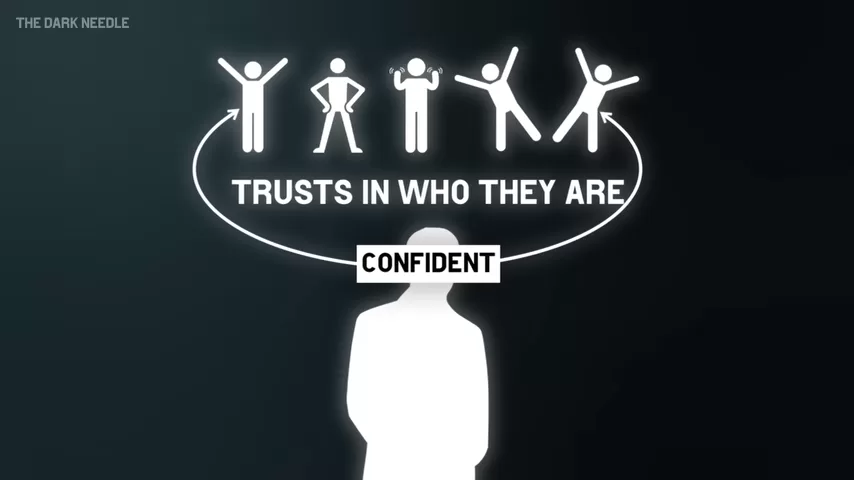
Combine these techniques strategically. Use the three-breath reset before filming, apply the 80/20 conversation approach or movement strategy during recording, and employ progressive desensitization over time to build confidence.
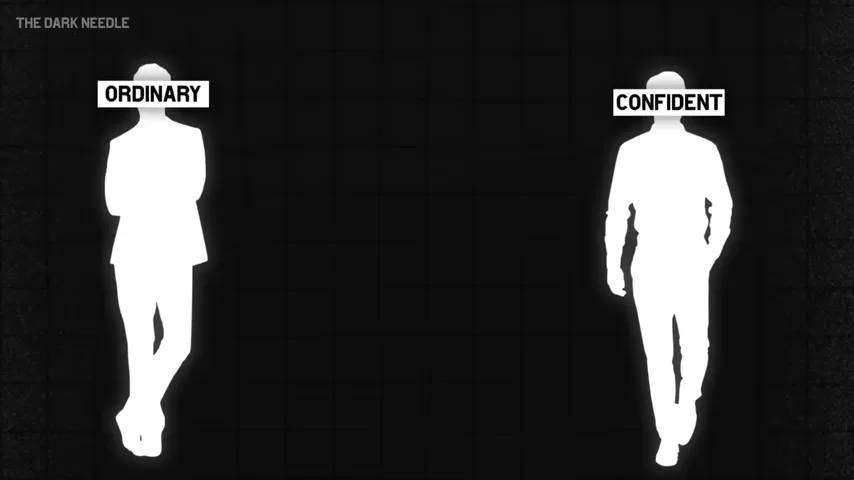
Remember: everyone feels camera anxiety to some degree. The difference between those who appear confident and those who appear nervous isn’t the absence of fear—it’s the management of it. With deliberate psychological techniques, you can shift from freeze to flow, from performing to connecting.
The camera is just a tool. The real power lies in reclaiming your authentic presence, one frame at a time.