
Reliable internet access has become a basic requirement for education, work, coordination, and safety. Yet many people still operate in places where stable connectivity is difficult to guarantee. Remote schools, field research teams, construction crews, emergency responders, environmental projects, and mobile training groups often face the same problem: they need to stay connected, but traditional networks are unavailable, overloaded, or too slow.
This is where satellite internet rental becomes a practical solution. Instead of investing in permanent infrastructure or depending on weak mobile coverage, teams can use portable satellite equipment for a specific period of time. For temporary projects, seasonal work, or short-term educational programs, the ability to rent a starlink can help create a reliable connection without long-term ownership or complex installation.
Satellite internet is especially useful in places where cable networks do not reach and mobile towers provide unstable coverage. In remote areas, even simple online tasks can become frustrating: joining a video lesson, uploading reports, sharing maps, or accessing cloud documents may take far longer than expected. A portable satellite system can reduce this uncertainty by providing internet access directly from the location where it is needed.
Why Remote Learning Needs Stable Connectivity
Online learning is no longer limited to large cities or well-equipped schools. Students, teachers, and training groups increasingly use digital platforms for lessons, assignments, testing, and communication. However, remote learning only works properly when the connection is stable enough to support video calls, file sharing, and interactive materials.
In rural areas, mountain regions, field camps, or temporary educational centers, internet access may be unreliable. A teacher can prepare a strong lesson plan, but if the video freezes every few minutes or students cannot download materials, the learning process suffers. This creates inequality between students who have strong connectivity and those who do not.
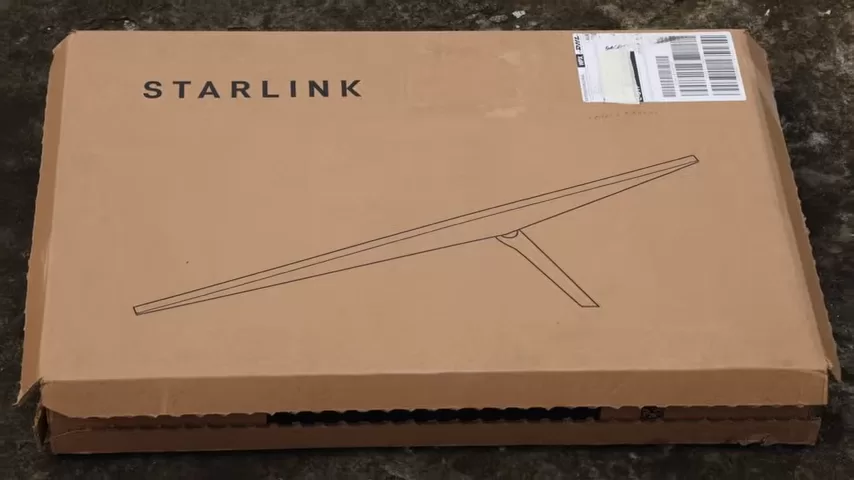
Satellite internet rental helps solve this problem in a flexible way. A school, nonprofit organization, or training provider may not need permanent infrastructure. They may only need connection for a summer camp, a month-long course, a field workshop, or a temporary classroom. Renting equipment allows them to support learning during that period without committing to a permanent setup.
How Field Teams Benefit from Portable Internet
Field teams often work in locations where standard communication tools are limited. This includes geological surveys, environmental monitoring, road construction, agriculture, humanitarian missions, archaeological research, and outdoor media production. In these settings, internet access is not just about convenience. It can affect planning, safety, documentation, and decision-making.
A field team may need to send daily reports, update project managers, coordinate logistics, access cloud-based maps, or communicate with specialists who are not on site. Without reliable internet, delays become common. Information may be transferred late, decisions may be based on outdated data, and team members may feel isolated from the main office.
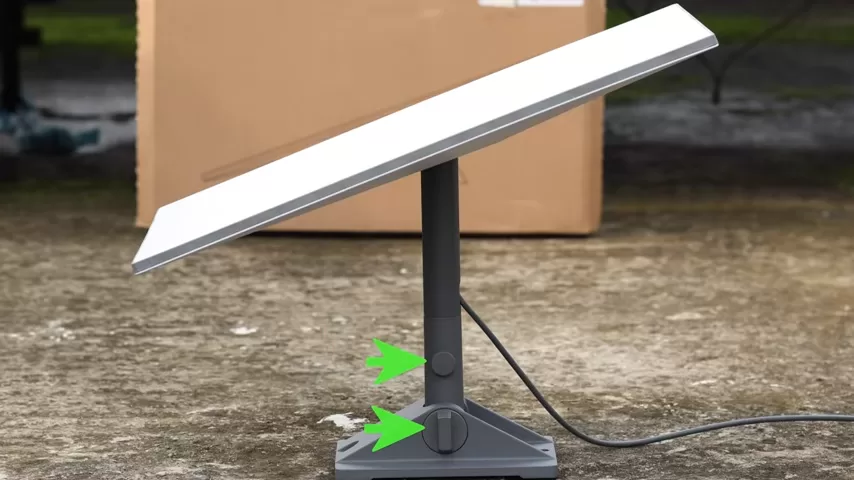
Portable satellite internet gives such teams more independence. It allows them to work from remote locations while still remaining connected to central systems. This is particularly valuable when teams move from one site to another and cannot rely on fixed infrastructure.
Rental Instead of Ownership
Buying satellite equipment can be useful for organizations that need it constantly. But for many users, ownership is unnecessary. A team may only need internet for two weeks, a month, or one season. In that case, rental is often more practical.
Rental reduces the need for large upfront investment. It also simplifies planning because the equipment can be used for a defined project period. This is helpful for educational programs, events, research expeditions, and temporary field operations where budgets are limited and timelines are clear.
Another advantage is flexibility. Organizations can scale their connectivity depending on the project. A small team may need one unit, while a larger field operation may require several connection points. Renting makes it easier to match equipment needs to real conditions rather than guessing in advance.
Practical Situations Where Satellite Rental Makes Sense
Satellite internet rental can be useful in many real-life scenarios:
- remote learning programs in rural or isolated areas;
- outdoor training camps and educational workshops;
- field research teams collecting data far from cities;
- construction sites before permanent networks are installed;
- humanitarian teams working in areas with damaged infrastructure;
- film crews or journalists reporting from remote locations;
- agricultural projects that require data transfer from the field.

In each case, the main value is the same: connection becomes available where ordinary internet access is weak or absent.
What to Consider Before Renting
Before choosing satellite internet rental, it is important to understand the actual needs of the project. The number of users, expected data usage, location, power availability, and duration of work all matter. A small group joining video calls will have different requirements than a team uploading large files every day.
It is also important to think about setup conditions. Satellite equipment usually needs a clear view of the sky, stable power, and basic protection from physical damage. These details are simple, but they can strongly affect performance in the field.
Good planning helps avoid problems. When teams understand how and where the equipment will be used, satellite internet becomes a dependable tool rather than an emergency solution.
Conclusion
Practical satellite internet rental is becoming increasingly important for remote learning and field teams. It helps schools, training groups, researchers, and mobile workers stay connected in places where traditional networks cannot provide reliable service. Instead of treating poor connectivity as an unavoidable obstacle, organizations can plan around it and maintain communication even in difficult locations.
For temporary projects, rental offers a balanced approach: it provides access when needed, avoids unnecessary ownership costs, and supports flexible work in remote environments. As education and field operations continue to expand beyond conventional locations, portable satellite internet will remain a valuable tool for keeping people connected, informed, and productive.