Driving in Austria is considered one of the most comfortable experiences in Europe. The road network is well maintained, traffic rules are clearly defined, and distances between cities and natural attractions are manageable. For travelers planning to explore beyond urban areas, having a rental car often becomes the most efficient option.
Understanding local rules and driving habits helps avoid unnecessary stress and ensures a smoother travel experience. Travelers who want flexibility often choose https://rentgosalzburg.com/ car hire Salzburg low deposit options that help manage costs more effectively while planning routes across the country.
Road Rules and General Conditions
Austria follows standard European driving regulations, but there are several important points that visitors should be aware of before getting behind the wheel.
- Driving is on the right side of the road
- Seat belts are mandatory for all passengers
- Headlights should be used in poor visibility conditions
- Speed limits are strictly enforced
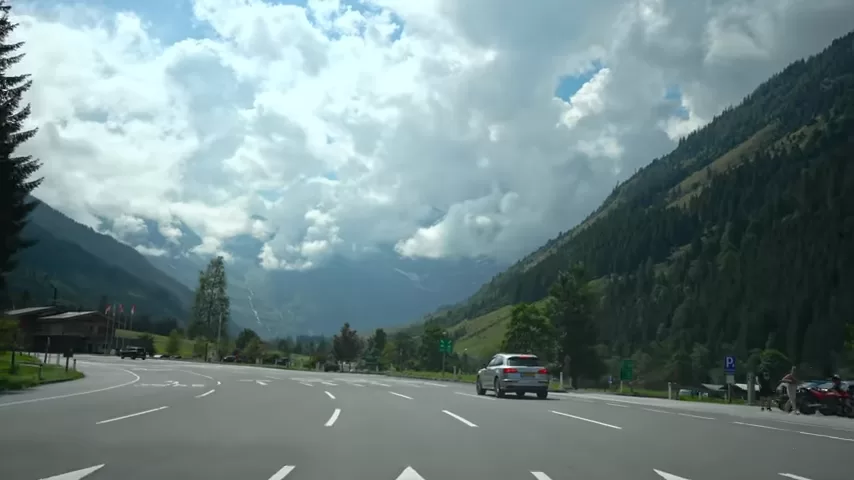
Speed limits generally follow this structure: 50 km/h in cities, 100 km/h on rural roads and 130 km/h on highways.
Vignette and Highway Access
To drive on Austrian highways, vehicles must have a valid vignette. This is a road usage sticker or digital registration that allows access to motorways. Rental cars usually include this, but it is always worth confirming before starting your trip.
Without a valid vignette, fines can be issued immediately during roadside checks.
Driving Conditions in Salzburg and Surrounding Areas
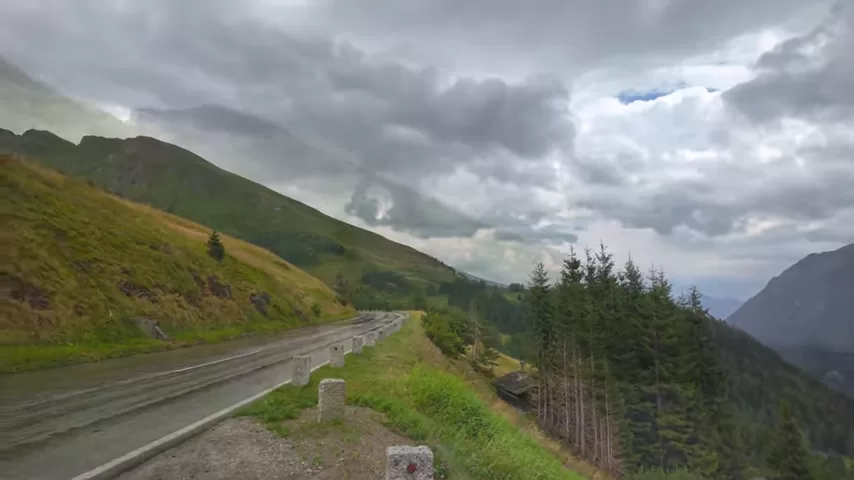
Salzburg and its surrounding regions offer some of the most scenic driving routes in Austria. Roads are well marked and generally easy to navigate, even for first time visitors.
- Urban traffic is organised and predictable
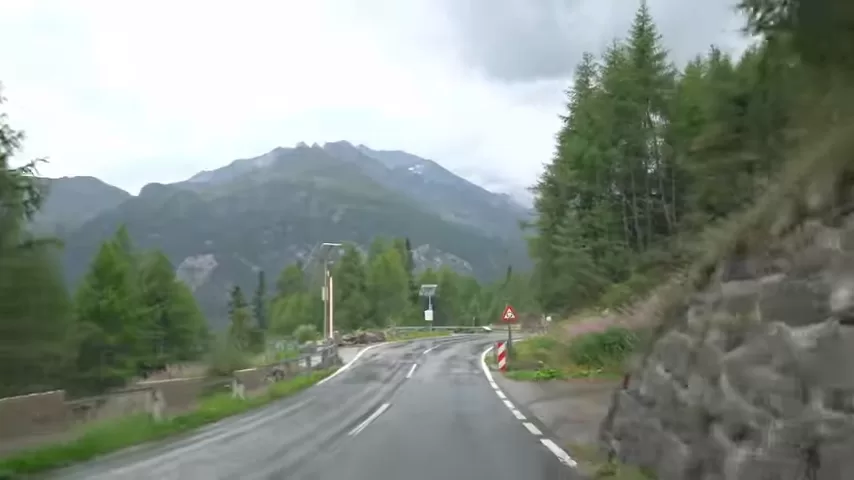
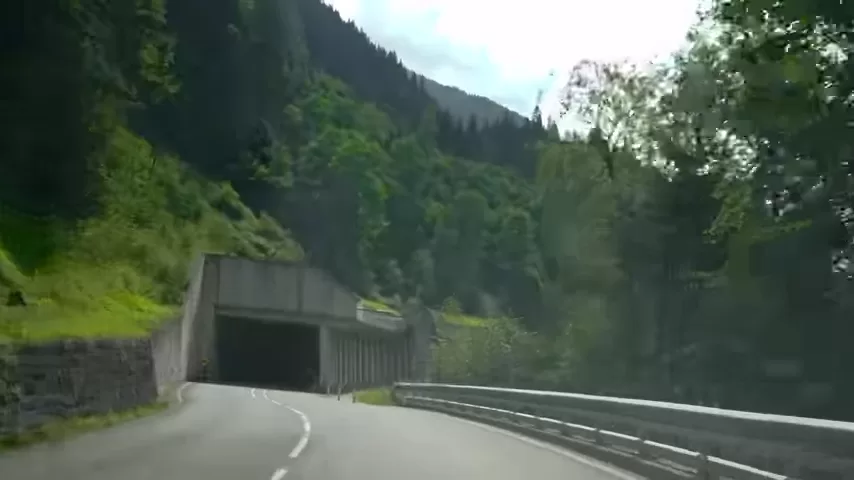
- Mountain roads require more attention and slower speeds
- Parking is limited in historic centres
- Navigation apps work reliably across the country
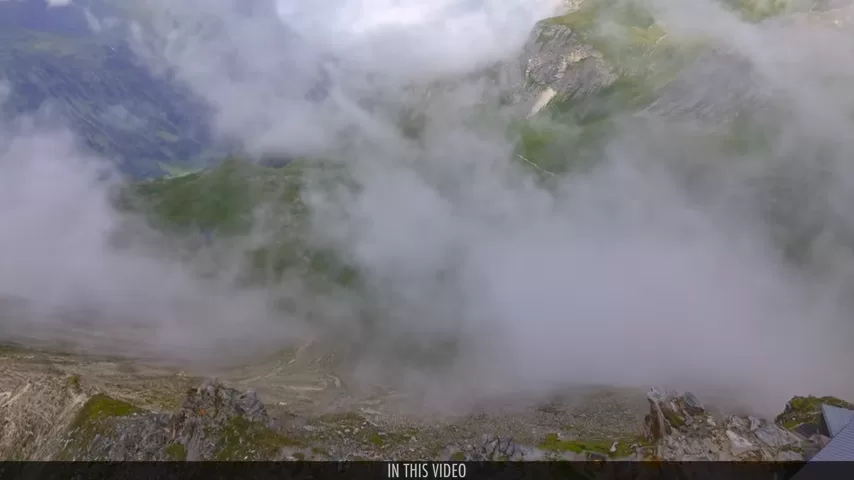
When driving in alpine areas, weather conditions can change quickly, so planning ahead is recommended.
Parking and City Restrictions
Many Austrian cities, including Salzburg, have controlled parking zones. These areas require payment or time limited parking permits.
- Look for marked parking zones and signs
- Use parking garages near city centres
- Avoid restricted areas in historic districts
Parking fines are enforced consistently, so it is important to follow local rules.
Fuel and Costs
Fuel stations are widely available across Austria. Prices are generally higher on highways compared to local stations in towns.
- Plan refuelling before entering mountain regions
- Check fuel type before filling the tank
- Keep the tank at a safe level for longer drives
A Practical Approach to Driving in Austria
For tourists, driving in Austria offers a balance of comfort and efficiency. The ability to travel between cities, lakes and mountain regions without relying on fixed schedules provides a significant advantage.
With basic preparation and an understanding of local rules, driving in Austria becomes a reliable and convenient way to explore the country in 2026.