Dental clinics rely on precision tools that must operate consistently under demanding conditions. Among the most important instruments used every day are dental handpieces, which support procedures ranging from cavity preparation to polishing and finishing. Because these tools function at high rotational speeds and are exposed to moisture, debris, and repeated sterilization cycles, maintenance and repair services play a critical role in long-term performance.
Understanding how handpieces work, what components commonly fail, and how repair systems are organized helps clinics reduce downtime and extend equipment life.
The Role of Dental Handpieces in Clinical Practice
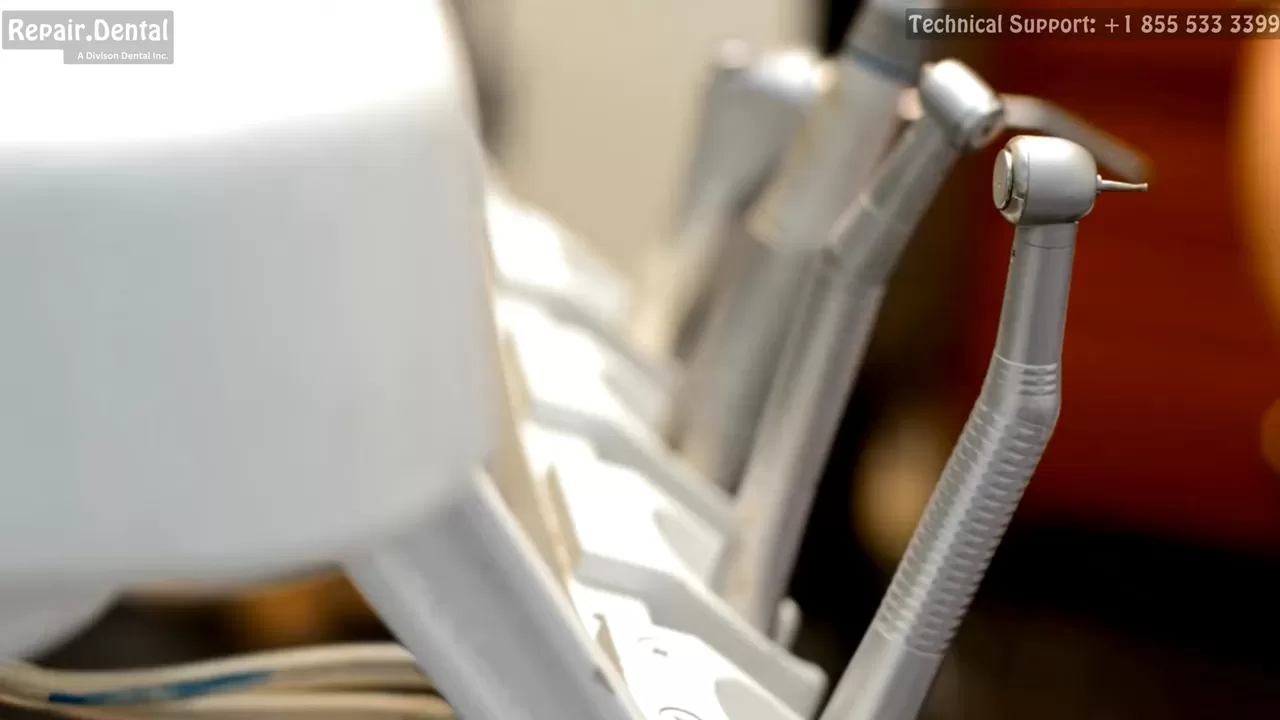
Dental handpieces are generally divided into high-speed and low-speed categories. High-speed models are used for cutting enamel, removing restorations, and preparing teeth quickly with precision. Low-speed units are more commonly used for polishing, caries removal in specific cases, and finishing procedures.
High-speed handpieces usually operate through air turbine systems. These turbines rotate at extremely high RPM, allowing efficient cutting while maintaining compact size and maneuverability. Because of the mechanical stress involved, internal wear over time is expected.
Clinics searching for replacement dental high speed parts often focus on turbine assemblies, bearings, O-rings, cartridges, and other internal components that directly affect speed, balance, and reliability. A specialized source for such components can be found here:
Common Technical Failures in High-Speed Handpieces
Even premium handpieces experience wear after repeated use. Some of the most common technical issues include:
- reduced rotational speed
- unusual noise during operation
- vibration or imbalance
- overheating during use
- weak grip strength of the bur
- air or water leakage
These problems are often connected to worn bearings, damaged rotor shafts, weakened chuck systems, or contamination inside the turbine cartridge.
Ignoring early symptoms may lead to more expensive repairs or complete failure of the handpiece.
Importance of Professional Repair Services
Dental handpiece repair requires technical precision. The internal components are small, balanced to tight tolerances, and sensitive to incorrect assembly. Professional repair services typically include:
- diagnostic inspection
- replacement of bearings or turbine cartridges
- chuck mechanism restoration
- cleaning and lubrication
- dynamic balancing
- final performance testing
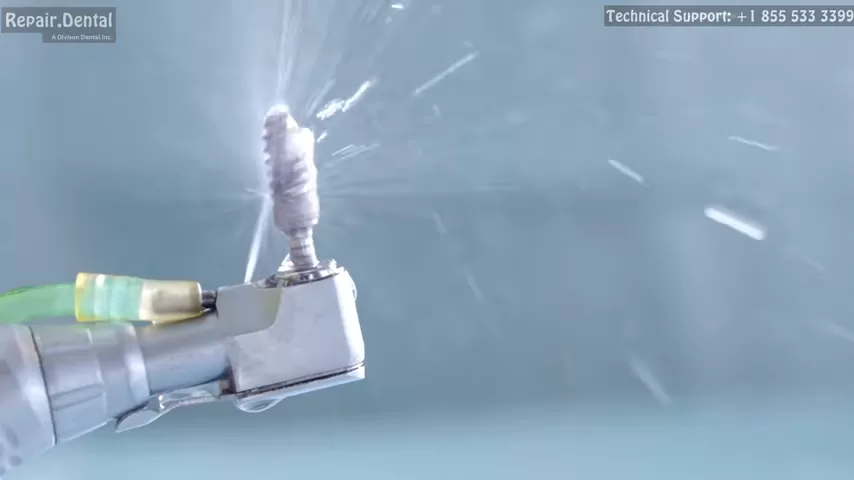
Reliable repair services help clinics restore original performance while reducing the cost of replacing complete handpieces.
Sterilization and Maintenance Factors
A major challenge for handpiece longevity is repeated sterilization. Autoclaving exposes components to heat and pressure, which can gradually affect seals, lubrication, and bearing life. Proper maintenance routines significantly improve service intervals.
Recommended daily practices often include:
- cleaning external debris immediately after use
- purging air/water lines
- using approved lubricants
- following manufacturer sterilization cycles
- storing instruments dry and safely
Consistent preventive care can reduce emergency failures and improve operational efficiency.
Other Essential Dental Equipment Requiring Maintenance
While handpieces are among the most frequently serviced tools, clinics also depend on many other devices that require technical attention:
- ultrasonic scalers
- curing lights
- suction systems
- compressors
- autoclaves
- micromotors and electric motors
- delivery units and chair systems
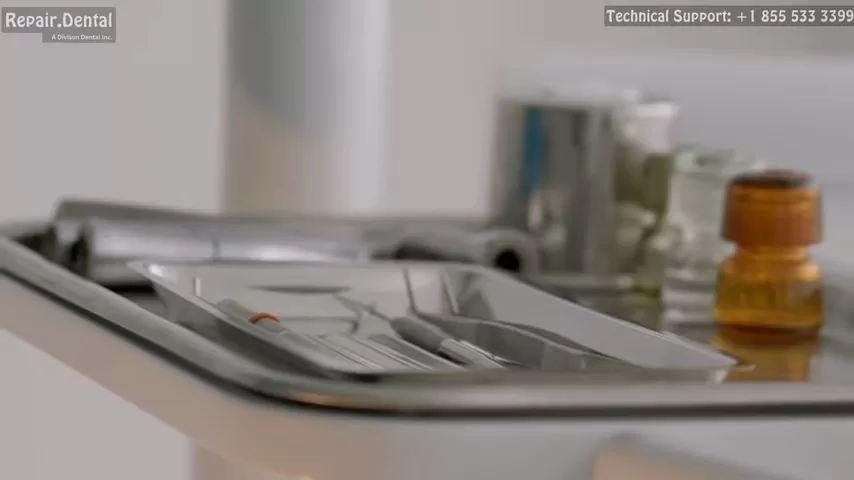
Preventive servicing of this equipment is just as important as handpiece repair because workflow interruptions often begin with small overlooked faults.
Why Technical Quality Matters in Dentistry
In dental practice, precision directly affects patient outcomes and operator comfort. A handpiece with poor balance may reduce cutting accuracy and increase fatigue. Weak water spray can affect cooling. Excess vibration can lower control during delicate procedures.
For that reason, clinics increasingly view equipment maintenance not as an occasional expense, but as part of quality assurance.
Conclusion
Dental handpieces remain one of the most technically demanding tools in modern dentistry. Their speed, compact engineering, and heavy daily use make regular maintenance essential. Access to quality replacement parts, specialized repair services, and structured preventive care helps clinics extend equipment lifespan and maintain consistent clinical performance.
As dental technology continues to advance, technical reliability will remain just as important as innovation itself.