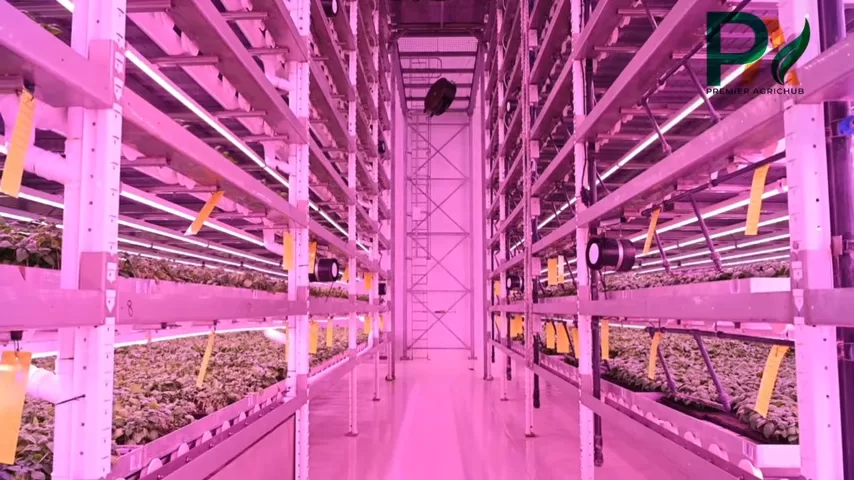
Indoor farming has become a popular solution for people who want to grow fresh herbs, vegetables, flowers, or small fruiting plants at home. It is useful for those who do not have a large garden, live in apartments, or want better control over the growing environment. Unlike outdoor gardening, indoor farming allows growers to manage light, temperature, humidity, airflow, and watering more carefully.
One of the most important parts of indoor farming is lighting. Plants need enough light for photosynthesis, healthy leaf growth, strong roots, and flowering. In outdoor conditions, sunlight does most of the work. Indoors, however, natural light is often not enough, especially during winter or in rooms with small windows. That is why many growers use artificial grow lights. Choosing the best lights for growing plants indoors can make a big difference in how well plants develop. Good lighting helps plants grow evenly, prevents weak stems, and supports better yields.
Another important factor is the growing space. Some people place plants near windows, but this does not always provide stable conditions. A grow tent can be a better option because it creates a controlled environment inside the home. A Tent for growing plants helps keep light inside, protects plants from dust or pests, and makes it easier to manage humidity and temperature. It is especially useful for people who want to grow plants regularly and avoid problems caused by changing room conditions.
Indoor farming also requires proper airflow. Plants need fresh air to stay healthy, and poor ventilation can lead to mold, weak growth, or excess humidity. Small fans, air vents, or ventilation systems can help keep air moving. At the same time, growers should avoid placing plants in areas with strong cold drafts, as sudden temperature changes can damage young plants.
Watering is another area where beginners often make mistakes. Indoor plants usually need less water than outdoor plants because there is less direct sunlight and wind. Overwatering can cause root rot, while underwatering can slow growth. The best approach is to check the soil or growing medium regularly and water only when needed. Containers with drainage holes are also important because they prevent water from collecting around the roots.
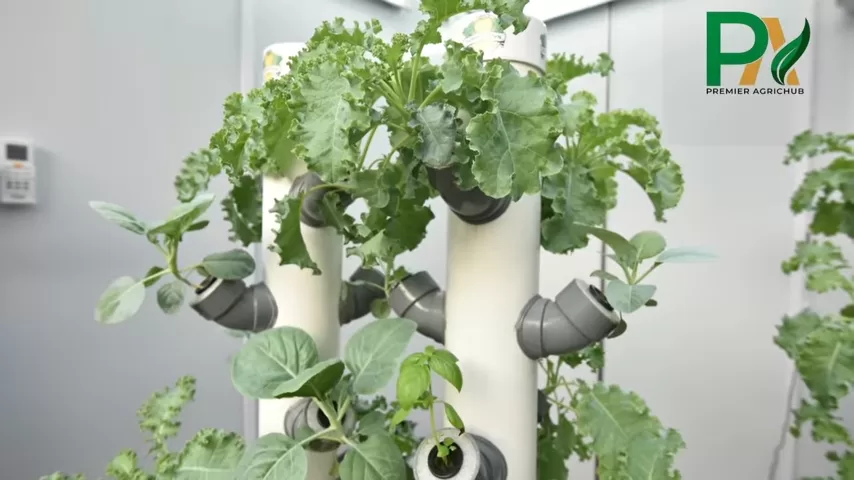
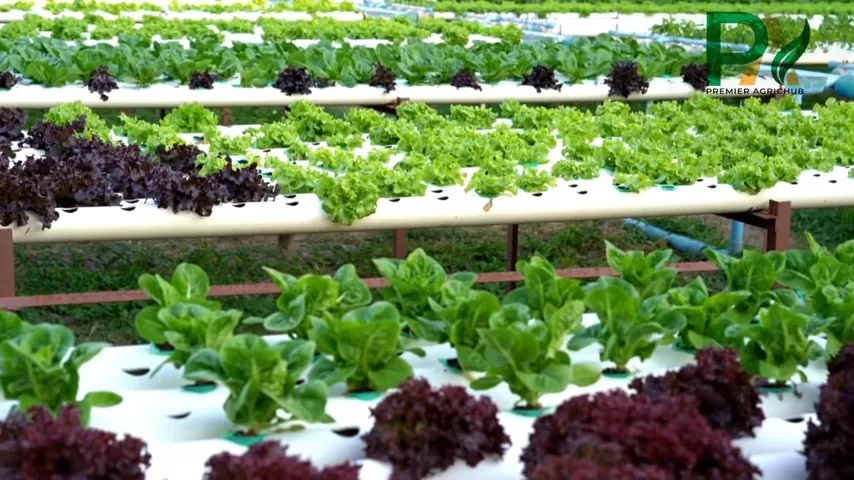
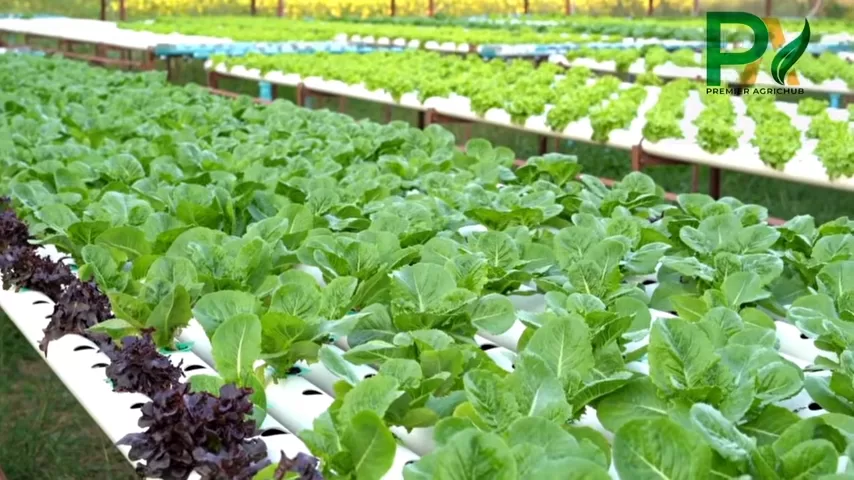
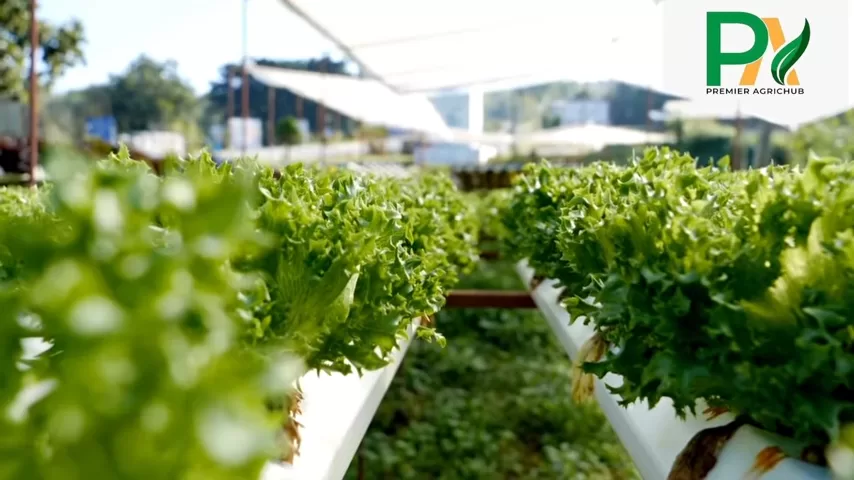
The choice of growing medium also matters. Some indoor farmers use soil, while others prefer coco coir, hydroponic systems, or other soilless mixes. Soil is simple and familiar, but hydroponic systems can give faster growth when managed correctly. For beginners, starting with high-quality potting mix is often the easiest option.
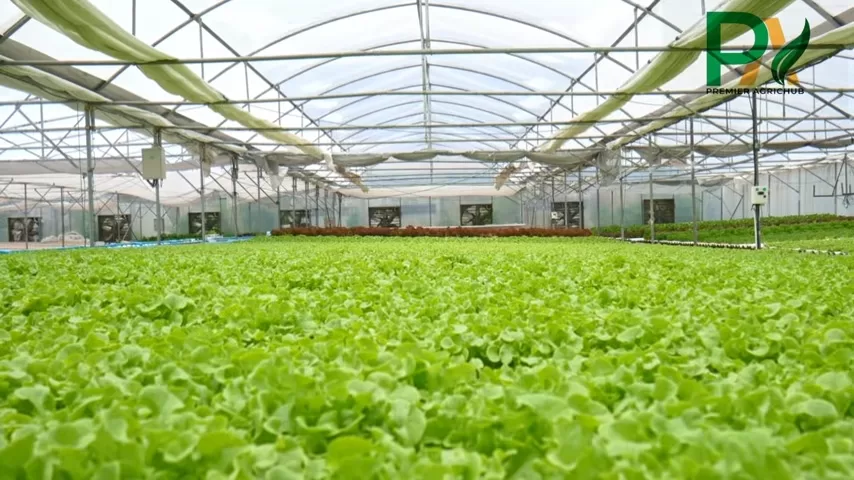
Indoor farming is not only practical but also rewarding. It gives people access to fresh produce, reduces dependence on store-bought herbs and greens, and creates a relaxing hobby. With the right setup, even a small indoor space can become productive. A few pots of basil, lettuce, spinach, or microgreens can grow well on shelves, windowsills, or inside a grow tent.
In the end, successful indoor farming depends on balance. Plants need the right amount of light, water, air, space, and care. Beginners do not need a complicated setup at first. They can start small, observe how plants respond, and improve the system step by step. With patience and the right equipment, indoor farming can become a reliable way to grow healthy plants throughout the year.