Why sweet foods grab your attention so fast
A warm cookie, a slice of cake, a handful of candy. For a lot of people, those foods do not just taste good; they seem to pull attention all by themselves. That pull is not only about willpower. It starts with how the brain reads sweetness and turns it into a reward.
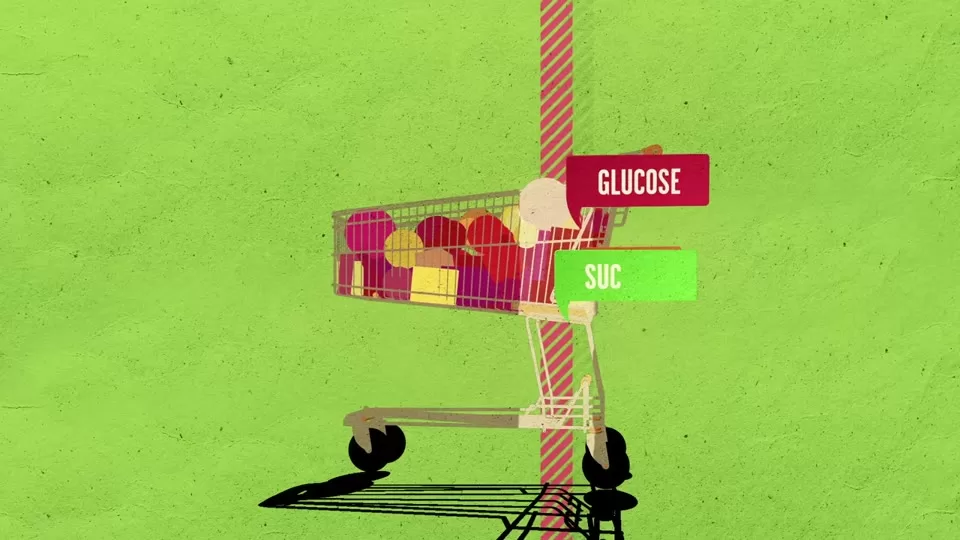
Sugar is a broad word, by the way. It covers a whole group of carbohydrate molecules, and many everyday foods contain some form of it. Glucose, fructose, sucrose, lactose, maltose, dextrose, starch, high-fructose corn syrup, honey, and fruit juice all fit into that wide family. It is also tucked into foods that do not seem especially sweet, like tomato sauce, yogurt, flavored water, granola bars, and dried fruit.

That is part of the reason sugar matters so much. It is everywhere, and the brain notices it almost immediately.
The first signal starts on the tongue
The process begins the moment sugar touches the tongue. Sweet-taste receptors, which are part of the taste buds, detect it and send a signal upward to the brain stem. From there, the message spreads into several areas of the forebrain, including the cerebral cortex, where different tastes are sorted out.
This is the body doing a very basic job: figuring out what just entered the mouth. Bitter, salty, umami, and sweet each get their own kind of processing. Sweetness, though, gets special attention because it is tied to energy. Humans have always been drawn to foods that offer quick fuel, so the brain is set up to notice sugar fast.

Image suggestions: A close-up of the tongue with taste buds highlighted, or a simple brain pathway diagram showing taste signals moving upward.
Why the reward system lights up
After the taste signal reaches the brain, it activates the reward system. That is a network of electrical and chemical pathways spread across several brain regions. The job of this network is simple to say and complicated to do: it asks, almost subconsciously, Should I do that again?
That is why a rich dessert can feel so comforting. The brain is not just noticing flavor. It is also registering pleasure. And the reward system does not only respond to food. Socializing, sexual behavior, and drugs can activate it too, which is one reason the system is so powerful.

Dopamine plays a central role here. It is a neurotransmitter, which is just a chemical messenger that helps brain cells talk to each other. Certain parts of the forebrain have dense clusters of dopamine receptors, and these spots are a big part of the reward system. When sugar arrives, dopamine is released, though not in the extreme way seen with drugs like alcohol, nicotine, or heroin.
Why too much sugar can keep feeling rewarding
Sugar is a little unusual. It causes dopamine to rise, but it can keep doing that when it is eaten in large amounts. That is where the trouble starts. Overactivation of the reward system can lead to craving, loss of control, and a growing tolerance for sugar.
Think about what happens with a balanced meal. If you are hungry and eat it, dopamine rises in the reward areas. But if you keep eating the same meal day after day, the spike gets smaller and smaller. The brain gets used to it. New tastes matter more at first, because they help us notice food that has gone bad and encourage variety in the diet.

Sugar does not always settle down in the same way. If you rarely eat it, or only have a little, the response can be similar to that of a normal meal. But when sugar is eaten too often or in large amounts, the dopamine response does not level off as much. The food keeps feeling rewarding. That is one reason sugary foods can seem so hard to stop reaching for.
The gut joins the conversation too
The story does not stop in the mouth. Once sugar moves into the stomach and gut, sugar receptors there also send messages back to the brain. These are not taste buds, but they still help the body respond. Some of those signals tell the brain that you are full. Others tell the body to produce more insulin, which helps deal with the extra sugar you are eating.
That means sugar affects more than one part of the system at once. It is not just about flavor. It is also about appetite, fullness, and how the body handles incoming fuel. When a lot of sugar enters the picture, those signals can pile up fast.

Broccoli does not cause the same dopamine response, which helps explain why vegetables often lose out when people are choosing between something sweet and something plain. Sweetness has a built-in advantage.
What this means for everyday eating
Sugar is not magic, and it is not poison either. A small amount can fit into an ordinary diet without causing harm. The problem comes when sugar is everywhere and keeps showing up in large amounts, especially in snacks and drinks that are easy to consume quickly.
That is when the brain’s reward system can get pushed too hard. The food keeps delivering the same quick payoff, so the desire for more does not fade as fast as it does with many other foods. In that sense, sugar can behave a bit like a drug. Not because it is identical to one, but because it can keep the reward circuit active in a way that encourages repeated seeking.

So yes, sugar can have addictive effects on the brain when it is overconsumed. But the occasional piece of cake is a very different story from a steady stream of sugary foods all day long. The brain responds differently to a rare treat than to a constant supply.