I didn’t plan to spend time testing an online timer.
I was just looking for a quick way to manage short tasks — study breaks, quick focus sessions, and small reminders. But after using 2 Minute Timer for a while, I realized why this kind of tool still matters in 2025.
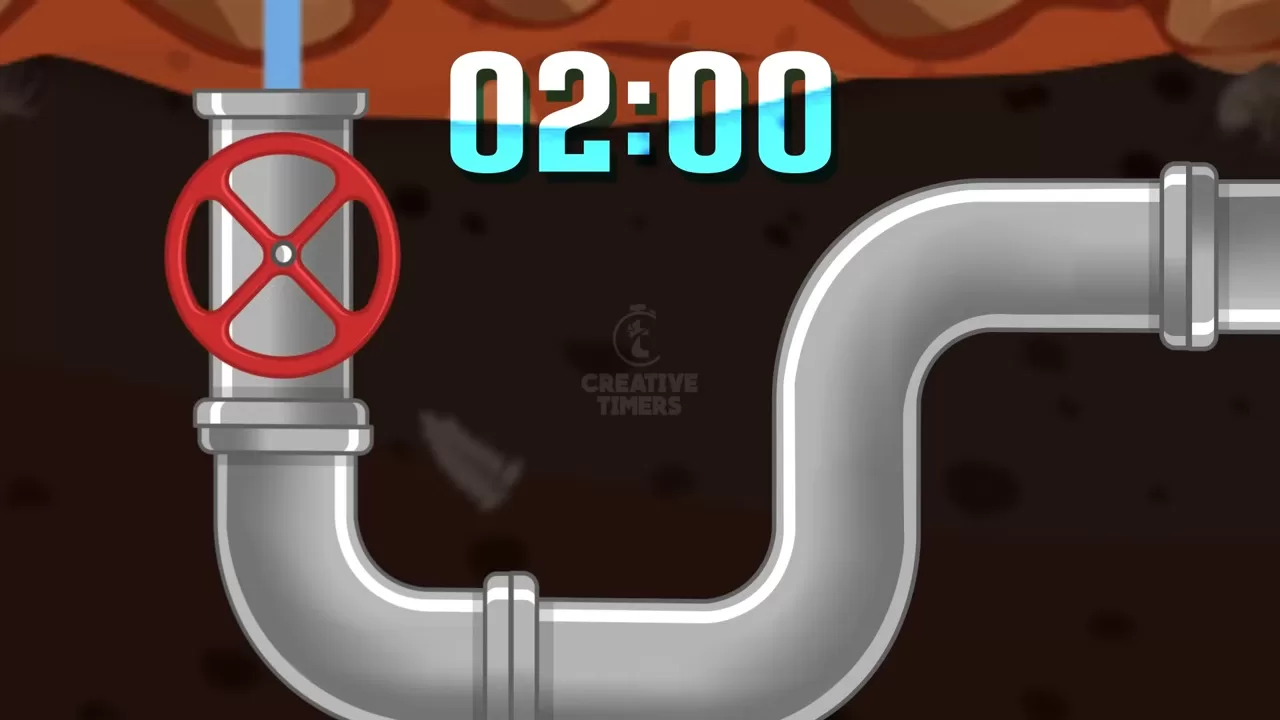
Most Timers Add Friction Instead of Removing It
Many productivity tools try to help by adding features:
- accounts
- settings
- modes
- dashboards
But when you say something like:
“Set a timer for 10 minutes”
You don’t want a system.
You want the timer to start immediately.
That’s the core idea behind this site.
You open the page, and the countdown is already running. No setup, no distractions, no learning curve.
Designed for Real Search Behavior
What impressed me most is how the timer pages are built around natural language.
People don’t search for “online countdown module.”
They search for phrases like:
- “set a timer for 10 minutes”
- “i need a quick timer”
- “give me a 2 minute timer”
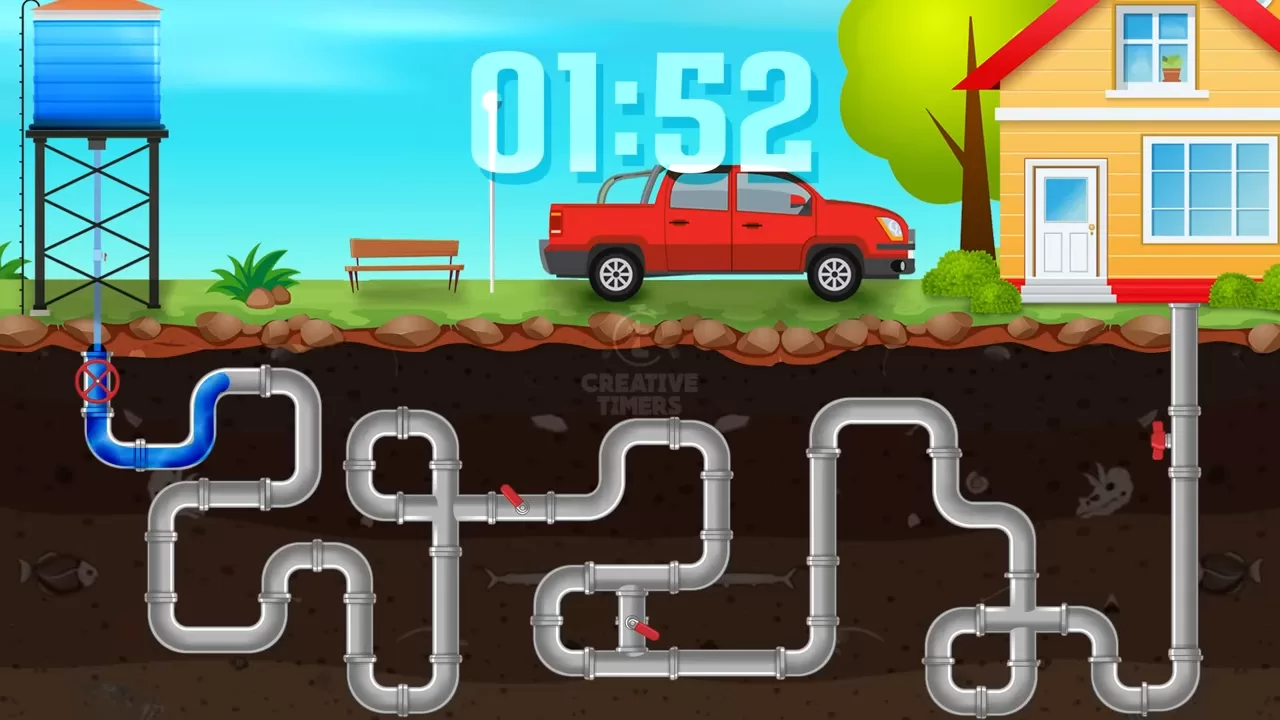
Instead of forcing users to click buttons, the site responds exactly to that intent — the timer is already running when the page loads.
That small detail makes a big difference.
Visual Timers for Different Situations
Not everyone relates to time as numbers.
That’s why the visual options work so well:
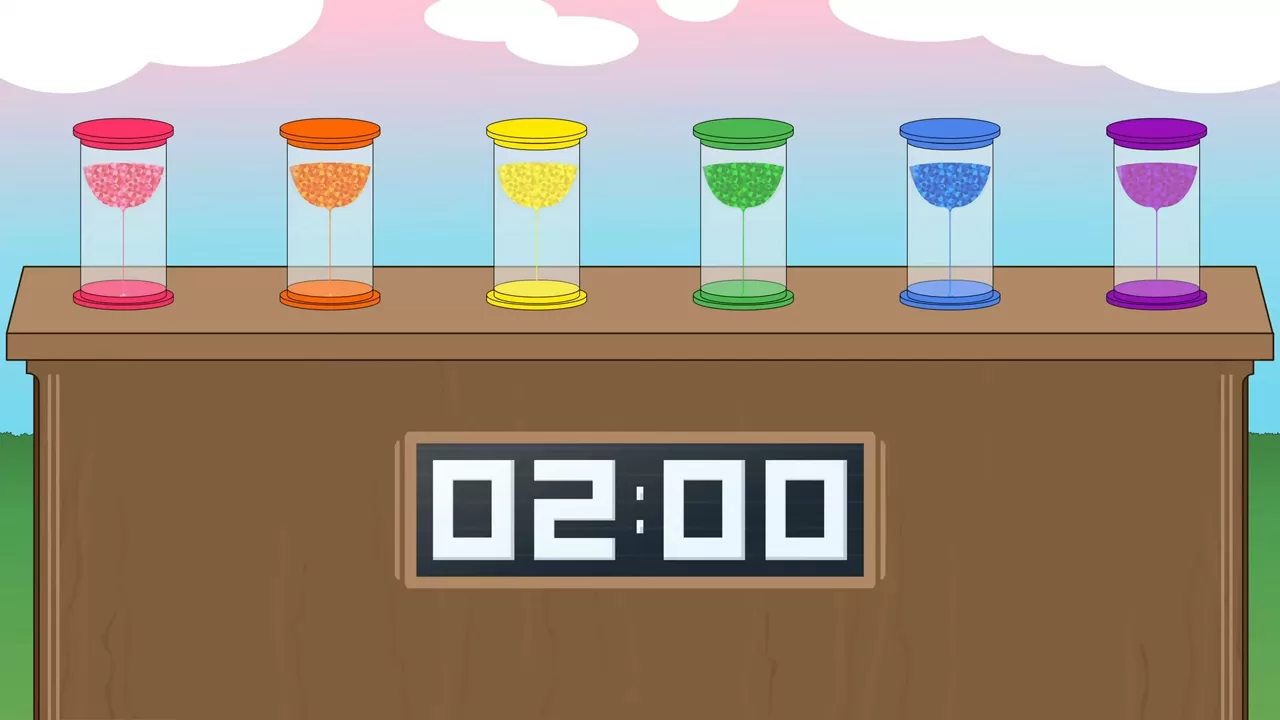
- Sand timer style for kids, classrooms, and games
- Hourglass timer for meetings, speaking limits, or calm focus sessions
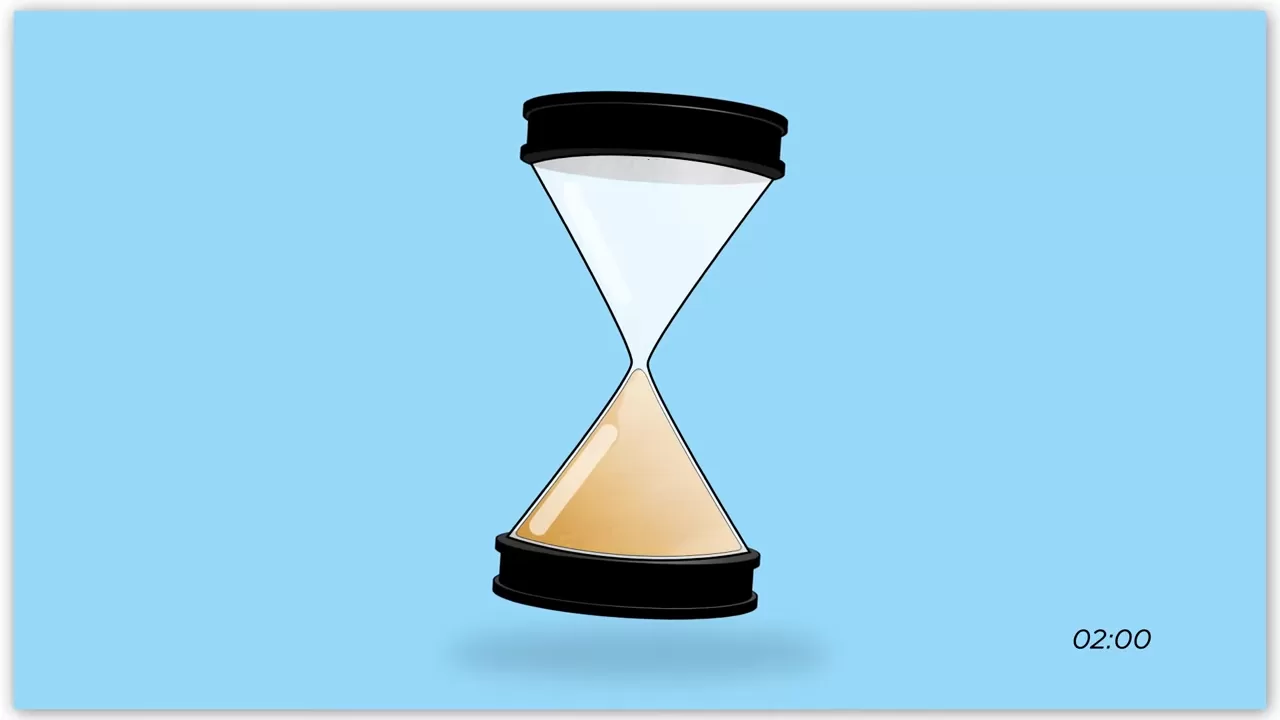
Watching time pass visually helps people — especially children and visual learners — understand how much time remains without constantly checking the clock.
Useful Beyond Work and Study
What I like is that this kind of time tool fits everyday life:
- short study or break sessions
- stretching or breathing exercises
- classroom activities
- game turns
- quick household reminders
It doesn’t try to optimize your life.
It simply respects your time.
A Broader View of Time
Interestingly, the same simplicity applies to other types of time-related tools.
For example, when people plan family events or think about future milestones, they often look for traditional calendars or cultural references — like the chinese gender calendar, which is still widely searched and discussed today.
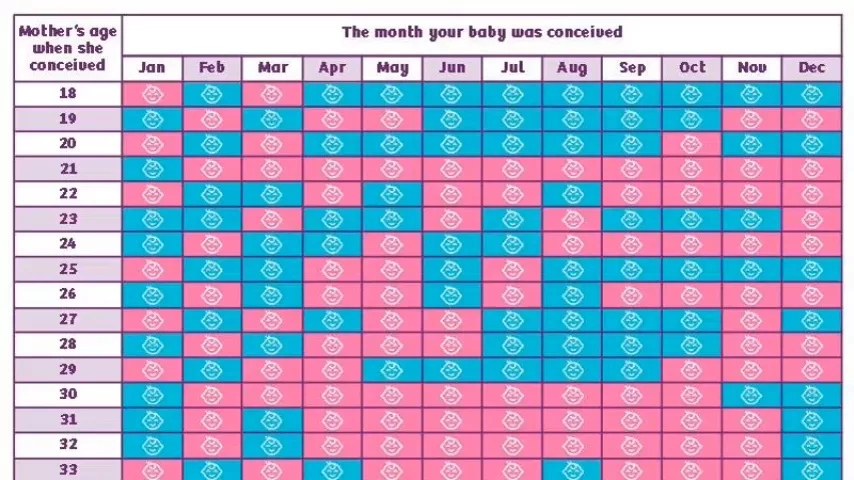
Different tools, same core idea:
make time easier to understand, not more complicated.
Final Thought
This isn’t a productivity hack.
It’s a reminder that good tools don’t get in the way.
If you need a timer, it’s ready.
If you need it now, it starts now.
Sometimes, that’s all you need.