Winter sports seem simple from the outside: fresh air, beautiful landscapes, and the excitement of movement. Yet anyone who has spent even a day on the slopes knows that the experience can change dramatically depending on what you are wearing. Proper clothing is not just about staying warm — it influences mobility, safety, and overall enjoyment.
People who are new to skiing often underestimate how quickly weather conditions shift in the mountains. Wind can become sharper within minutes, snow can turn wet and heavy, and temperature can drop suddenly. Because of this, choosing the right ski outfit becomes a key part of preparing for the sport, whether you go out once a season or every weekend.
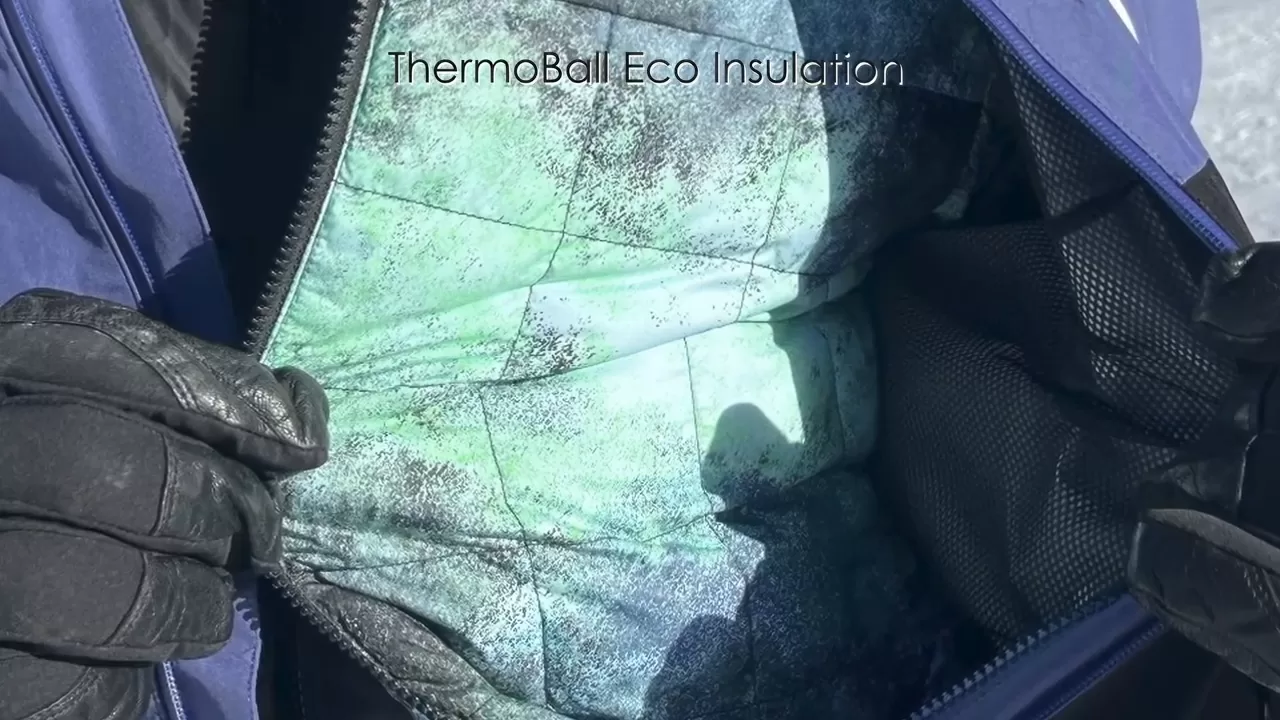
One of the most essential components of winter gear is ski pants. While jackets tend to receive more attention, pants do equally important work — protecting the legs from cold, moisture, and abrasions while allowing free movement.
The Role of Functional Ski Pants
Good ski pants are designed to address several challenges at once. They must keep the skier warm without overheating, repel snow while remaining breathable, and stay flexible without losing durability. This balance of qualities defines how comfortable the day on the slopes will be.
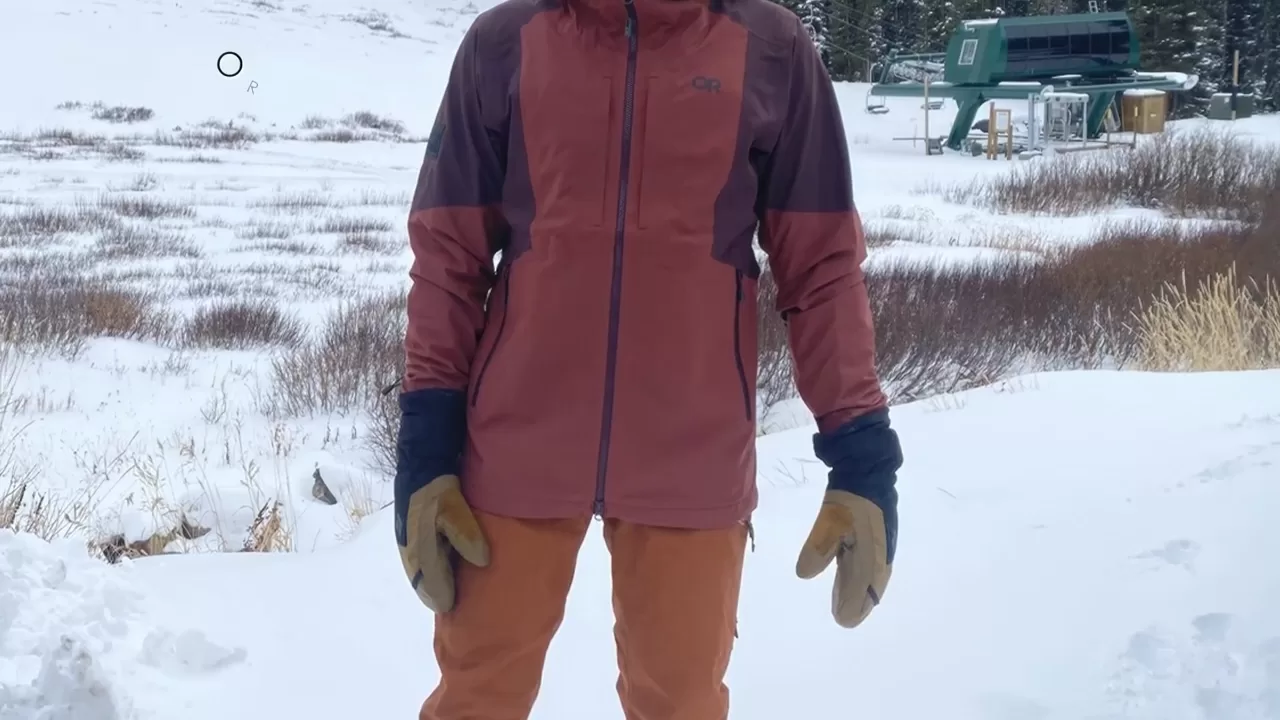
When looking for examples or trying to understand what features matter, many people explore different informational pages. A neutral reference such as
https://тир-юзгу.рф/ps/gornolyzhnye-bryuki.html
can help show what modern ski pants typically include — from insulation levels to waterproof membranes and ergonomic cuts. Resources like this do not push a specific choice but help users understand what aspects to compare before buying their gear.
Weather Resistance as a Core Requirement
Mountain weather is unpredictable, which means ski pants need strong protection from external conditions. Waterproofing and windproofing are crucial — without them even a short fall or sitting on a lift can lead to discomfort. High-quality pants use layered materials that stop moisture while allowing heat and perspiration to escape.

This technical balance is important because wet clothing can quickly lead to a drop in body temperature. Proper ski pants eliminate that risk, keeping the legs warm and dry over long periods.
Freedom of Movement on the Slopes
Skiing involves bending, turning, and constant shifting of balance. Pants that restrict movement can make these actions harder and even unsafe. Modern designs use stretchable fabrics and articulated knee zones to support natural motion. Lightweight insulation ensures warmth without unnecessary bulk, allowing skiers to maintain precision and control.
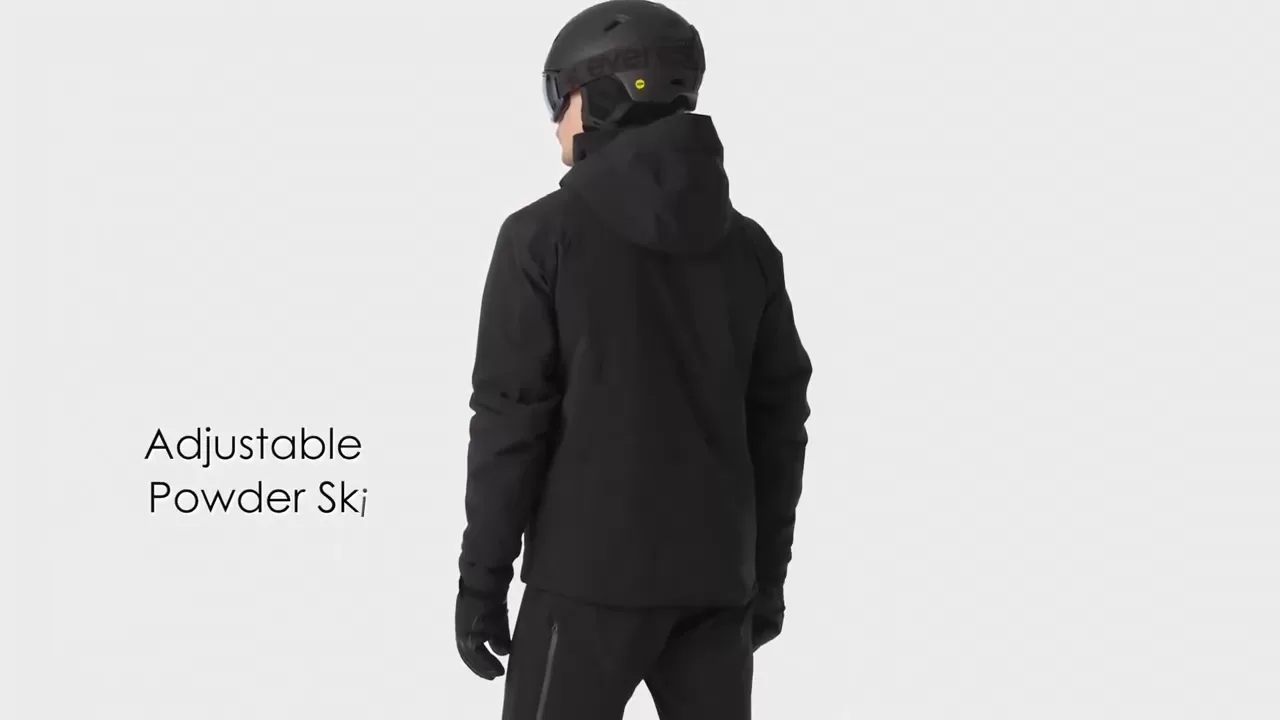
Comfort directly affects confidence on the slopes. When clothing moves with the body instead of resisting it, skiers can focus on technique and the pleasure of the descent.
Small Details That Make a Big Difference
Many features of ski pants seem minor but significantly influence the experience. Reinforced leg panels protect the fabric from ski edges. Adjustable waistbands improve fit. Ventilation zippers help regulate temperature on sunny days. Inner gaiters prevent snow from entering boots.

Together these details determine whether a pair of pants feels like a reliable tool or a constant inconvenience.
Why Good Gear Supports Long-Term Enjoyment
People often fall in love with skiing because of the sense of freedom it brings. Proper gear enhances that feeling. When clothing works well, the sport becomes easier to learn, safer to practice, and simply more enjoyable. Poorly chosen gear, on the other hand, can turn a promising day into a tiring or even unpleasant experience.
As more people discover winter sports each year, understanding the value of well-designed clothing becomes increasingly important. Ski pants may seem like a small part of the outfit, but they contribute directly to comfort, performance, and safety.