
Why posture affects almost everything
People love to say, “Stand up straight.” It can sound like old-fashioned nagging, but the advice has a real point. Posture is the way you hold your body when you sit, stand, walk, or carry something, and it affects how well your body deals with everyday stress.
That stress is not just about heavy lifting. It also comes from awkward chairs, slumped shoulders, bags on one side, and the constant pull of gravity. If your body is lined up well, your muscles do less unnecessary work. If it is not, other parts have to pick up the slack.

Over time, that matters. Tight muscles can stay tight. Others may become lazy or underused. The result is a body that works harder than it should just to stay balanced.
One simple way to think about posture is this: it is your body’s starting position for movement. If the starting position is off, everything else gets a little harder.
What poor posture can do to the body
Poor posture is not only a cosmetic issue. It can put extra wear and tear on joints and ligaments, make movement less efficient, and even affect how some organs work. When the body is constantly out of alignment, it spends more energy just keeping you upright.
That can increase the chance of accidents, especially when balance and awareness are compromised. It may also make breathing less efficient, since slouching can limit how freely the lungs expand.

Researchers have linked poor posture with problems such as tension headaches, back pain, and scoliosis. That does not mean posture is the only cause of those issues. It is not that simple. But it can be part of the picture, and often a bigger part than people realize.
Posture can even affect how you feel. It has been connected to emotional state and sensitivity to pain. That is one reason posture is more than a mirror check or a matter of looking neat at the dinner table.
Why modern habits make slouching easier
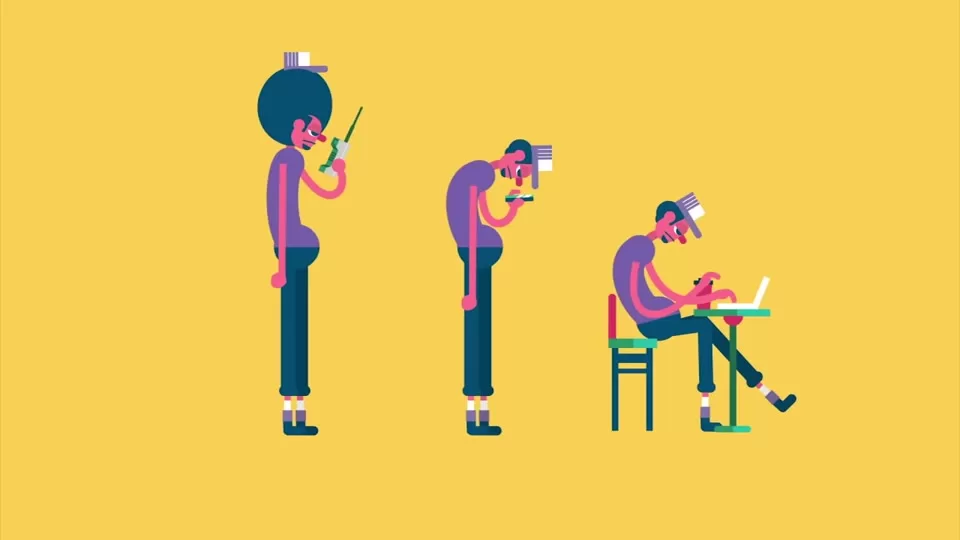
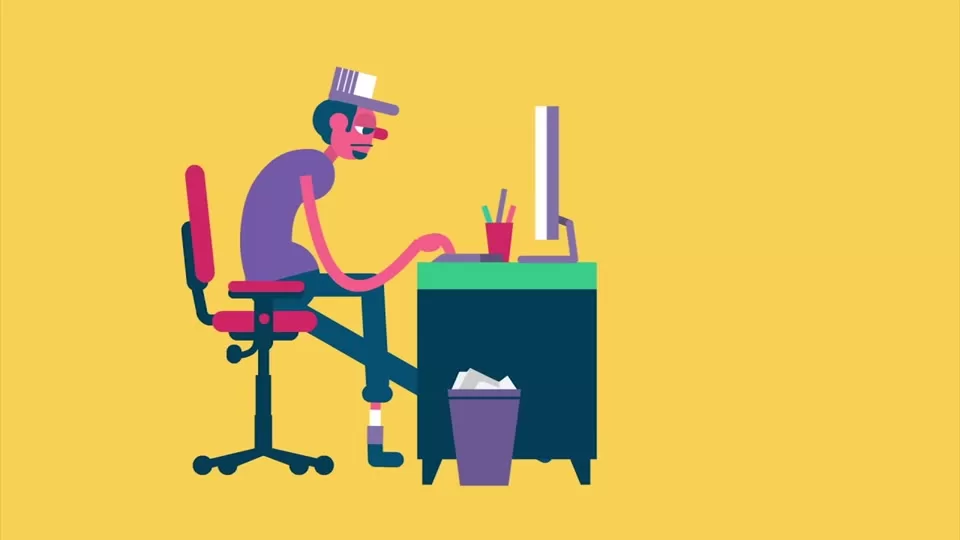
Good posture is harder to maintain than it used to be. Long stretches of sitting can push the body toward bad habits, especially when the chair, desk, or screen is not set up well. Computers and mobile devices make this even more common because they encourage people to look downward for long periods.
That downward angle seems harmless at first. It is not. The neck rounds forward, the shoulders follow, and soon the whole upper body starts to adapt to that position. Many studies suggest posture is getting worse on average, which should not surprise anyone who spends hours at a desk or hunched over a phone.

The problem is not only the device itself. It is the time spent in one position, day after day. The body likes movement. It adapts to whatever you repeat most.
What good posture actually looks like
From the front or back, the spine should look straight, with the 33 vertebrae stacked neatly in line. From the side, though, the spine is not perfectly straight. It has three natural curves: one in the neck, one around the shoulders, and one in the lower back.
Babies are not born with that S-shaped curve. Their spines begin with a single C-shaped curve, and the other curves usually develop between 12 and 18 months as the muscles grow stronger. Those curves are useful. They help us stay upright and absorb shock when we walk, jump, and move around.
When standing, good alignment creates a kind of vertical balance. A straight line should roughly run from just in front of the shoulders, through the hip, past the front of the knee, and to a few inches in front of the ankle. That arrangement keeps the center of gravity over the base of support, so the body can move with less strain and less fatigue.
There is a similar idea for sitting. The neck should stay vertical instead of jutting forward. The shoulders should be relaxed, the arms close to the trunk, and the knees bent at about a right angle with the feet flat on the floor. Simple enough, right? But in real life, most people need reminders.
Small setup changes that help a lot
If your posture is not great, the fastest fix is often not “try harder.” It is changing the environment. A screen that sits too low will pull your head forward, so raising it to eye level or slightly below can make a big difference. That alone can reduce the urge to hunch.
It also helps when your body is actually supported. Elbows and wrists should not be left hanging in space if you can avoid it. A chair, desk, or cushion that supports the right parts of the body makes upright posture much easier to keep.
Even sleep can play a role. Side sleeping with the neck supported and a pillow between the legs can help keep the body more neutral through the night. Shoes matter too. Low heels and good arch support are better choices than footwear that throws off your balance. And for phone calls, a headset is a lot kinder to your neck than cradling a phone between your shoulder and ear.
Movement matters just as much as posture
Here is the part people sometimes miss: good posture by itself is not enough. Staying perfectly still for too long can be a problem on its own, even if the position looks ideal. The body is built to move, not freeze in place for hours.
That is why regular movement matters so much. If you sit a lot, get up now and then. Walk around. Stretch a little. Exercise when you can. Moving your muscles keeps them strong enough to support you well, and that helps your joints, bones, brain, and heart too.
When you carry something, keep it close to your body. That reduces strain. Backpacks should sit against the back and be carried symmetrically, not dragging on one side. The same basic idea applies everywhere: the less your body has to twist or compensate, the better.
So posture is not about looking stiff or polished. It is about giving your body a workable shape, then not leaving it trapped there all day.
Is poor posture always the cause of back pain?
No. Back pain can come from many things, and posture is only one possible factor. Still, poor alignment can add stress and make pain more likely or harder to manage.
Can you fix posture quickly?
Not usually. It often takes a mix of better habits, a better workspace, more movement, and time. The body adapts slowly, both in good ways and bad ones.
Should I try to sit perfectly straight all day?
Probably not. Being motionless for long periods is not ideal either. A better goal is balanced posture with regular movement and sensible support.
When should someone ask for help?
If posture problems are causing pain, stiffness, or repeated discomfort, it can help to see a physical therapist. They can look at how your body actually moves and suggest changes that fit your needs.