Your body is already full of water
Water is everywhere in the human body. It cushions joints, helps regulate temperature, and keeps the brain and spinal cord protected and nourished. It is not just sitting in the blood, either. A large share of the body is water from top to bottom.
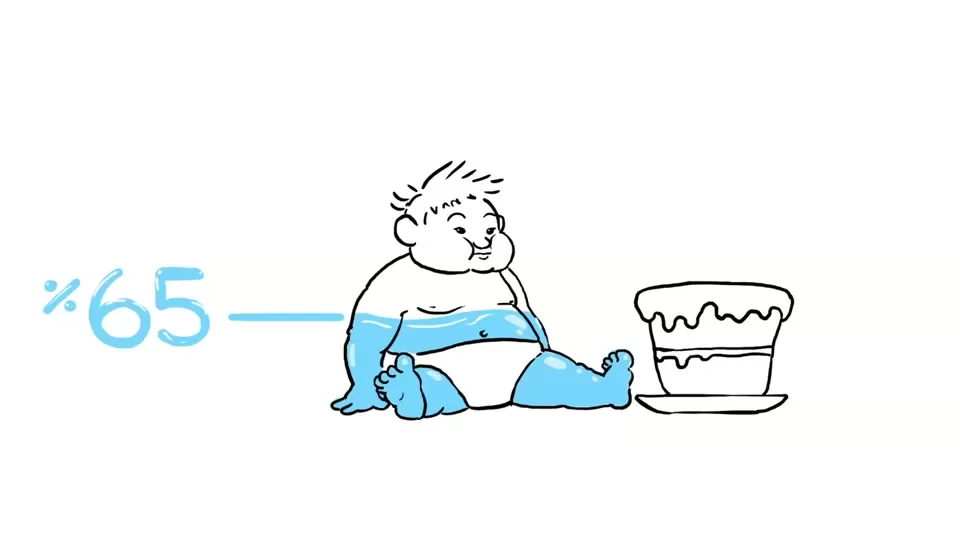
Adults are usually about 55% to 60% water, though the exact number changes with age, sex, body fat, and even location. Babies start out even wetter. At birth, the human body is around 75% water, and that level drops to about 65% by the first birthday. No wonder newborns are sometimes compared to fish.
Different organs carry different amounts of water. The brain and heart are almost three quarters water, the lungs are about 83% water, and even bones contain water, though they may not seem like it. That is a useful reminder: the body is not a dry machine that just happens to run on water. It is a water-based system.
Why drinking matters if the body already contains water
If so much water is already inside us, why do we still need to drink any at all? The answer is simple. Every day, the body loses fluid through sweat, urine, bowel movements, and even breathing. In total, that can add up to roughly two to three liters a day.
Those losses are normal. They happen because the body is constantly working. The problem starts when what goes out is not replaced. That is when dehydration begins. On the other side, over-hydration can also cause trouble, so the goal is balance rather than endless water chugging.
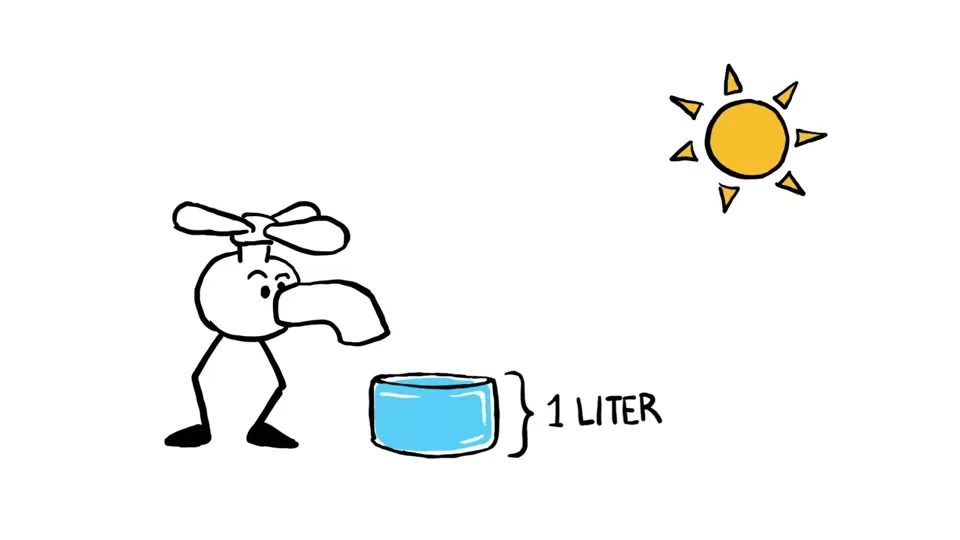
The body keeps a close eye on water levels. When they drop, sensors in the hypothalamus, a part of the brain, trigger the release of antidiuretic hormone. That hormone tells the kidneys to save more water instead of sending it out in urine. The result is darker, more concentrated urine, which is one of the body’s clearest warning signs that fluid is running low.
What dehydration does to the body and mind
Dehydration does not just make you thirsty. It can lower energy, affect mood, dry out the skin, and reduce blood pressure. It can also show up in the way you think. A dehydrated brain has to work harder to do the same tasks, and it can even shrink slightly because it is short on water.
That sounds dramatic, but it helps explain why a person can feel foggy, sluggish, or just off after not drinking enough. Small changes add up fast. A headache, low focus, or irritability may not always be caused by dehydration, but not getting enough fluid can absolutely contribute.

For practical purposes, the body often gives clues before things get severe. Thirst is one. Dark urine is another. Fatigue can be one more. These are not mysterious signs, and they are worth noticing instead of brushing them off.
When too much water becomes a problem
It is easy to assume that more water is always better, but that is not true. Over-hydration, also called hyponatremia, usually happens when a person drinks too much water in a short period of time. Athletes can be especially at risk because intense exercise makes it harder to keep fluid levels balanced.
Here is the basic problem: the brain stops or slows the release of antidiuretic hormone, the kidneys are overwhelmed, and sodium in the body gets diluted. Sodium is an electrolyte, which means it helps control important body functions, including the movement of water in and out of cells. When it gets too diluted, cells can swell.
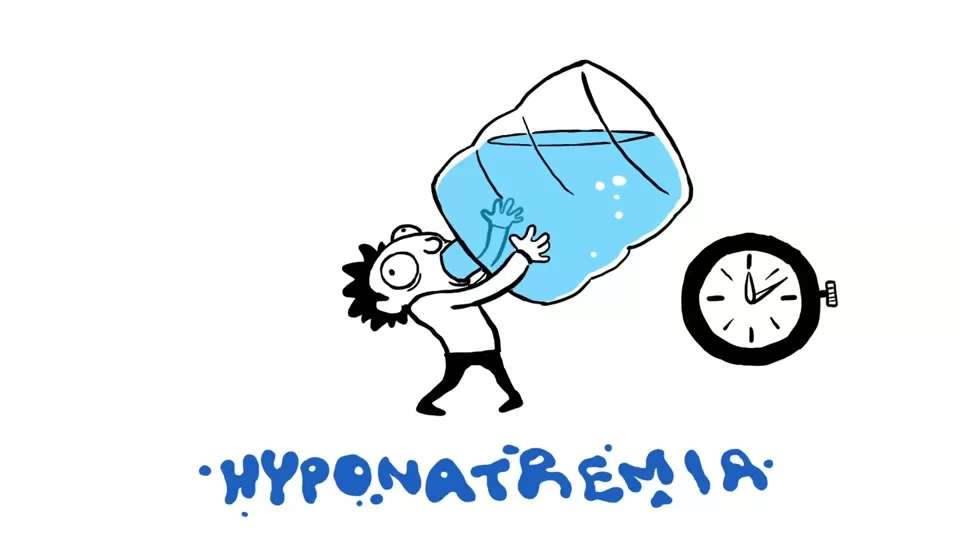
In serious cases, water intoxication can lead to headache, vomiting, and, rarely, seizures or death. That is uncommon, but it shows why hydration is about balance, not excess. Drinking water is healthy. Flooding the body with it is not.
How much water is enough?
The old advice about eight glasses a day is not wrong in spirit, but it is too blunt to fit everyone. The amount of water a person needs depends on body weight, environment, activity level, age, and health. Hot weather and heavy exercise push needs higher. Being older or unwell can change things too.
Common guidelines put daily water intake at about 2.5 to 3.7 liters for men and 2 to 2.7 liters for women. That does not mean every drop has to come from plain water. Coffee and tea also count toward fluid intake, even though they contain caffeine. Food matters too.

Water from food makes up about a fifth of daily intake. Fruits and vegetables such as strawberries, cucumbers, and broccoli are over 90% water, so they help with hydration while also bringing fiber and nutrients. That is a nice bonus. A plate of fresh food can support hydration more than people think.
A well-hydrated body works better day to day
Hydration affects more than thirst. When fluid levels are in a healthy range, the body tends to function more smoothly, and that can make a real difference in how a person feels, thinks, and gets through the day. Water supports the basics, but those basics matter a lot.
There are also long-term health links worth paying attention to. Research has suggested that good hydration may lower the risk of stroke, help with diabetes management, and possibly reduce the risk of some cancers. Those are big claims, so they are not a reason to obsess over every glass. Still, they do show that water is not just about avoiding discomfort right now.
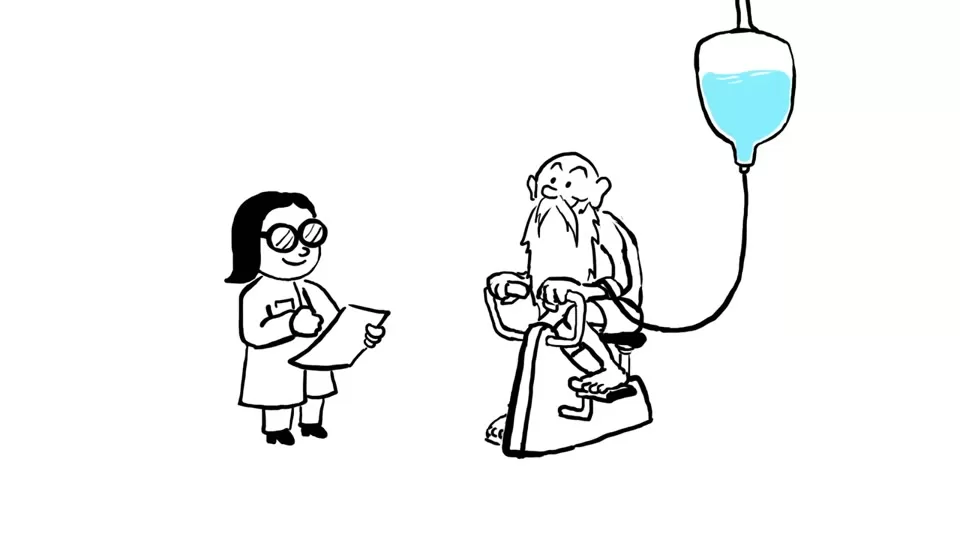
In the end, the body is always balancing loss and replacement. Drink too little, and systems slow down. Drink far too much, and the balance can swing the other way. The sweet spot is usually less dramatic than people expect: enough fluid to keep the body steady, the brain clear, and the urine from turning too dark.