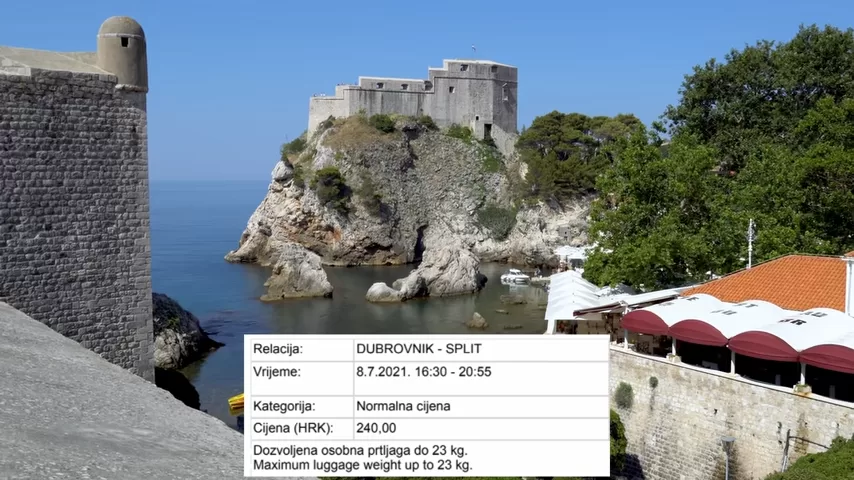
The drive from Split to Dubrovnik is one of the most important routes in southern Croatia. It connects Dalmatia’s largest coastal city with Dubrovnik, one of the country’s busiest destinations. For travelers who want flexible timing, luggage space and the option to stop along the coast, driving is often more practical than relying only on buses, ferries or private transfers.
Visitors who want a clear and flexible travel setup often choose car rental Split https://rentgosplit.com/ options with transparent conditions, suitable insurance and convenient pickup locations. This is especially useful for one way routes, family travel, airport connections and itineraries that include coastal stops between Split and Dubrovnik.
Is Driving from Split to Dubrovnik Worth It?
Yes, driving from Split to Dubrovnik is worth it if you want flexibility. The route allows you to choose a faster motorway based journey or a slower coastal drive with stops. It also gives you control over luggage, departure time and final arrival point in Dubrovnik.
- Best for: flexible travel, families, luggage and scenic stops
- Driving level: manageable for careful drivers
- Main route: A1 motorway, Ploče area, Pelješac Bridge, Dubrovnik approach
- Best timing: early morning departure in summer
The road itself is manageable, but summer traffic and parking near Dubrovnik can create delays. The route works best when planned as an intercity drive with one or two useful stops, not as an overloaded sightseeing day.
Do You Need to Cross the Bosnia Border?
No, most travelers no longer need to cross the Bosnia and Herzegovina border at Neum when driving from Split to Dubrovnik. Since the opening of the Pelješac Bridge, the standard route can stay inside Croatia. This makes the journey simpler for rental car users because it avoids border checks and reduces uncertainty around cross border permission.
If you intentionally choose a route through Bosnia and Herzegovina, confirm cross border permission and insurance coverage with the rental provider before departure. For most visitors, the Pelješac Bridge route is the cleaner and more practical option.
Distance and Driving Time
The Split to Dubrovnik drive usually takes around 3 to 4.5 hours, depending on route choice, traffic, season and stops. In July and August, allow extra time because coastal access roads, ferry traffic and Dubrovnik approaches can become busy.
| Route Section | Approximate Time |
|---|---|
| Split to A1 motorway access | 20 to 40 minutes |
| A1 motorway towards Ploče | 1.5 to 2 hours |
| Ploče area to Pelješac Bridge | 30 to 45 minutes |
| Pelješac Bridge to Dubrovnik area | 1 to 1.5 hours |
| Total driving time | 3 to 4.5 hours in normal conditions |
Driving times are approximate. Roadworks, weekend traffic, summer congestion and parking pressure can change the actual journey time.
Recommended Route from Split to Dubrovnik
The most practical route for most travelers uses the A1 motorway from the Split area towards Ploče, then continues towards the Pelješac Bridge and Dubrovnik. This route is faster and more predictable than driving the full coastal road.
- Start from Split, Split Airport or nearby coastal areas
- Join the A1 motorway via Dugopolje or another suitable access point
- Continue south towards Ploče
- Follow signs towards Komarna and the Pelješac Bridge
- Cross the bridge and continue towards Ston and Dubrovnik
- Use navigation for the final approach to your accommodation or parking
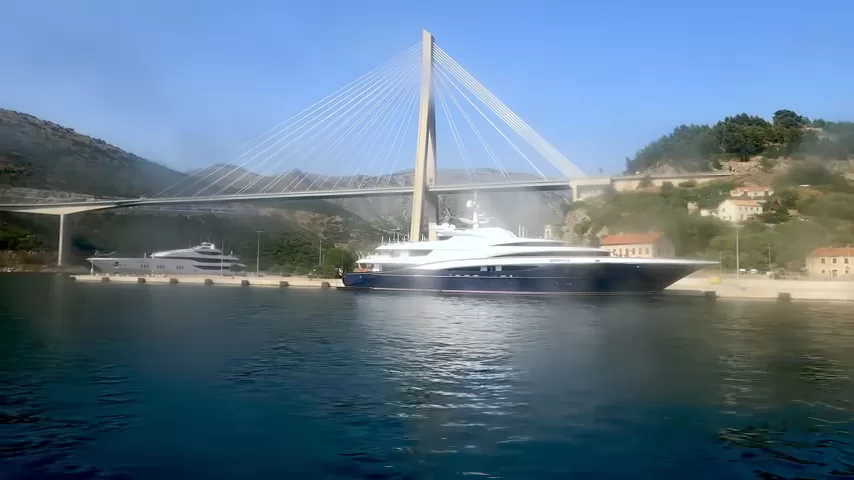
The coastal road can be more scenic, but it is slower and more affected by local traffic. It is better for travelers who have a full day and want a more relaxed route with planned stops.
Tolls on the Split to Dubrovnik Route
Croatia uses distance based tolls on motorways. The A1 motorway section is tolled, while the Pelješac Bridge itself is free to cross. The exact motorway cost depends on your entry and exit points, vehicle category and current tariff.
| Road Section | Toll Situation | Practical Note |
|---|---|---|
| A1 motorway | Tolled | Price depends on distance and vehicle category |
| Pelješac Bridge | No toll | Free to cross |
| Coastal road sections | No motorway toll | Slower but useful for scenic stops |
Payment at Croatian motorway toll booths is usually straightforward. Carry a payment card and some cash, and confirm with the rental provider if the vehicle has any electronic toll device.
Best Stops Between Split and Dubrovnik
The route is long enough to justify one or two planned stops. Choosing stops carefully makes the drive more comfortable without turning the journey into a tiring itinerary.
Makarska Riviera
The Makarska area is useful if you prefer a coastal break with sea views. It works better if you choose the slower coastal route or leave the motorway for a planned stop.
- Best for: sea views and coastal atmosphere
- Driving note: local traffic can be busy in summer
- Good for: relaxed travel, not urgent transfers
Baćina Lakes
Baćina Lakes are located near Ploče and work well as a quieter stop before continuing towards the Pelješac Bridge. This is a practical break if you want nature without entering a busy town centre.
- Best for: short nature stop and route break
- Driving note: close to the main southbound route
- Good for: drivers who want a calm pause before Dubrovnik
Ston
Ston is one of the most useful stops after joining the Pelješac route. It is known for historic walls and local food, and it is easier to include than many longer detours.
- Best for: history, food and a structured break
- Driving note: allow time for parking and walking
- Good for: travelers not rushing to Dubrovnik
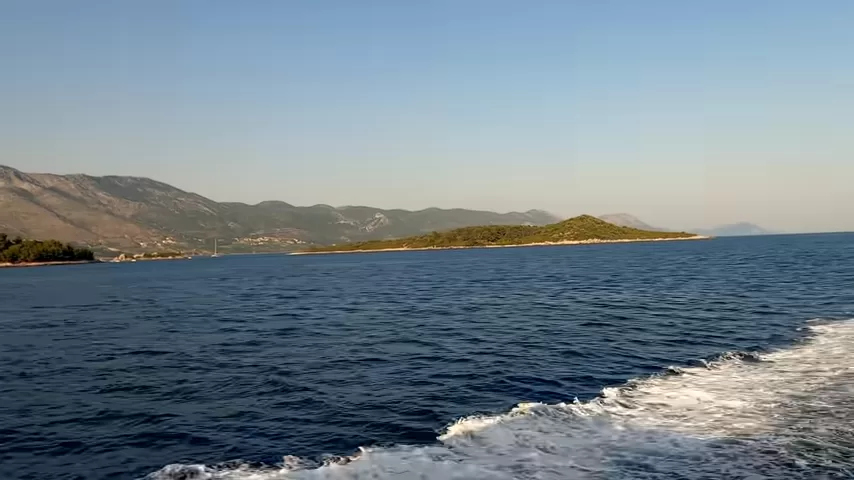
Driving Conditions
The motorway section is generally easy and predictable. The more demanding parts are the Split exit during peak traffic, the local roads around Pelješac and the final approach into Dubrovnik.
| Section | Condition | Driving Notes |
|---|---|---|
| Split city exit | Moderate | Allow time during peak traffic |
| A1 motorway | Good | Fast and predictable tolled route |
| Pelješac route | Good to moderate | Scenic sections, local traffic and curves |
| Dubrovnik approach | Busy in season | Parking and city access require planning |
Parking in Dubrovnik
Parking in Dubrovnik is one of the most important parts of the trip. The old town area has limited access and parking near the walls is expensive and difficult during high season. Visitors should plan parking before arrival rather than searching after reaching the centre.
- Use hotel parking when available
- Check paid parking options before arrival
- Avoid driving directly into the old town area without a plan
- Allow extra time for traffic near Pile Gate and city approaches
- Consider accommodation with parking if staying overnight
If Dubrovnik is your final stop, confirm the rental return location in advance, especially for one way rentals.
Split to Dubrovnik Airport by Car
If your final destination is Dubrovnik Airport, allow extra time because the airport is located southeast of Dubrovnik near Čilipi. The final section may be slower during peak season or flight arrival periods.
- Check the exact drop off location before departure
- Confirm fuel policy before returning the car
- Allow extra time if returning during summer traffic
- Do not plan a tight connection after a long drive
Documents and Rental Conditions
Visitors driving in Croatia should carry a valid driving licence, passport or ID, rental agreement and insurance documents. EU and EEA licences are generally accepted. Non EU visitors should check whether an International Driving Permit is required by their rental provider or by their specific licence situation.
- Valid driving licence
- Passport or national ID
- Rental agreement
- Insurance documents if provided separately
- International Driving Permit if required
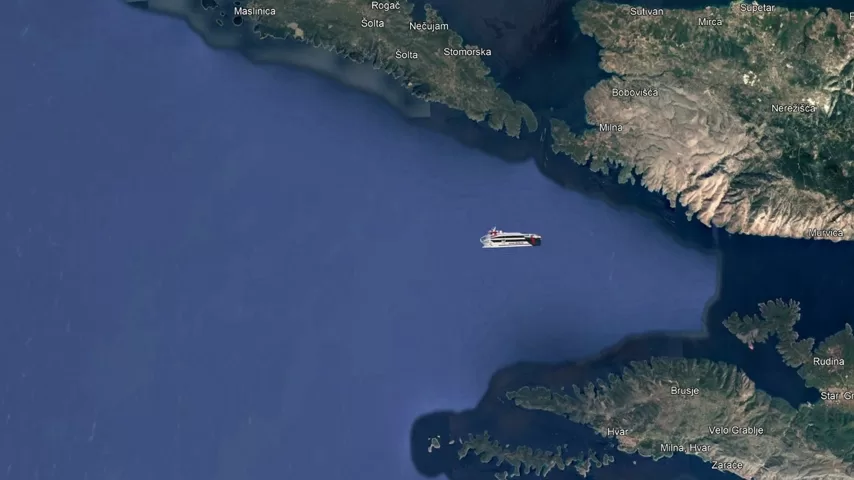
If you use the Pelješac Bridge route, the standard drive stays inside Croatia. If you choose a route through Bosnia and Herzegovina for any reason, confirm cross border permission and insurance coverage before departure.
Common Mistakes to Avoid
- Assuming the route still requires a Bosnia border crossing
- Underestimating Dubrovnik parking
- Not planning toll payments on the A1 motorway
- Choosing the coastal road when you need to arrive on time
- Planning too many stops between Split and Dubrovnik
- Not confirming one way rental conditions if returning in Dubrovnik
The route works best when treated as a planned intercity drive with one or two useful stops, not a full sightseeing day with too many detours.
Split to Dubrovnik by car is one of the most practical long drives in Dalmatia. The Pelješac Bridge has made the route simpler, and the motorway option gives travelers a more predictable journey than the full coastal road.
For visitors who want flexibility, luggage space and control over stops, driving from Split to Dubrovnik remains one of the best ways to connect Croatia’s two major southern destinations in 2026.