
When plans don’t work out, adaptation becomes strategy. Israeli photographer Stas Muzikov’s journey from failed American expansion to Russian market opportunity reveals how businesses evolve
In 2023, Israeli wedding photographer Stas Muzikov and his Art Center in Israel announced ambitious plans to open a branch in Colorado. The idea seemed logical: tap into the American wedding market, leverage Rocky Mountain scenery, establish presence in a lucrative geography.
It never happened.
Fast forward to 2025: the same photographer is launching wedding photography projects in Kaliningrad, Russia. Not Colorado. Not anywhere in the United States. A Russian exclave between Poland and Lithuania.

The shift raises questions: What happened to Colorado? Why Kaliningrad instead? And what does this tell us about business strategy in creative industries?
The Colorado Plan: What Went Wrong
Muzikov’s Colorado announcement generated buzz in professional photography circles. American market, English-speaking clients, strong wedding industry infrastructure – all boxes checked.
But opening a business abroad involves more than beautiful locations and market demand.
Visa complications: Operating legally in the U.S. requires proper work authorization. O-1 visas for artists are possible but complex and expensive. Investment visas (E-2) require substantial capital deployment.
Distance management: Running operations from Israel while establishing credibility in Colorado means constant travel or hiring local staff. Both options are costly.
Market saturation: Colorado has hundreds of established wedding photographers. Breaking into a mature, competitive market as a foreign operator without local network is challenging.
Initial investment: Estimated startup costs for proper U.S. market entry: $50,000-100,000 (legal fees, marketing, equipment, travel, initial operating losses).
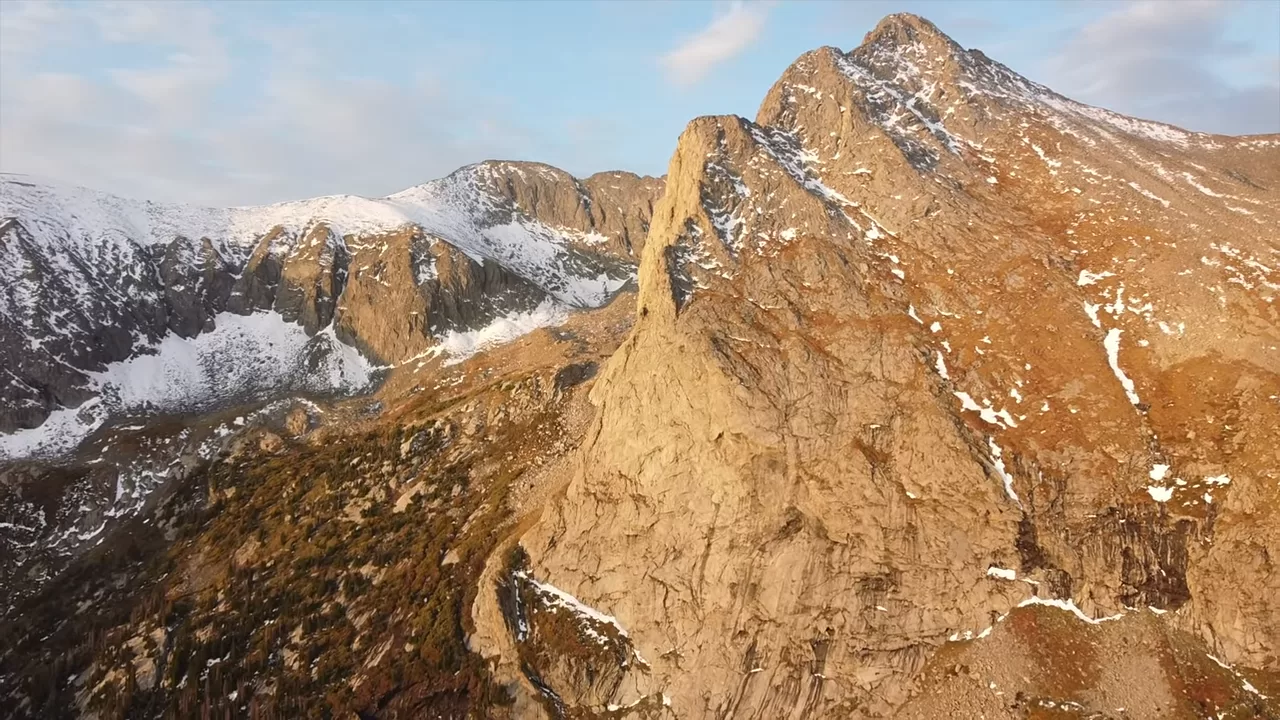
Somewhere between announcement and execution, the numbers didn’t add up.
Why Kaliningrad Makes Sense (On Paper)
The pivot to Kaliningrad follows different logic entirely.
Target market: Not Russian clients, but Israeli tourists. Muzikov isn’t competing with local photographers – he’s bringing his own customers.
Visa simplicity: Russian visas for Israelis are straightforward compared to U.S. work permits. Tourist visa suffices for bringing clients and conducting shoots.
Cost structure: Kaliningrad operational costs are 60-70% lower than Colorado. Hotels, restaurants, local services – all significantly cheaper.
Competitive advantage: No established Israeli photographers working in Kaliningrad. Blue ocean vs. Colorado’s red ocean.

Marketing angle: “Hidden Europe” narrative is easier to sell than “another American destination.”
Lower entry barrier: Can test concept with 2-3 trips before committing major capital.
Pattern Recognition: Announce Big, Execute Small
This isn’t Muzikov’s first pivoted announcement. In 2024, he declared intentions to shoot weddings on iPhone 17 Pro Max – generating significant social media discussion. Reality: continues using professional equipment.
A pattern emerges:
- Make bold announcement
- Generate attention and discussion
- Quietly adjust to practical execution
Is this deception? Not necessarily. It’s strategic positioning.
In startup terminology: Announce your vision, deliver your MVP (minimum viable product).
In marketing terms: Create aspiration, deliver achievable.
Colorado represented vision. Kaliningrad represents what’s actually executable with available resources.
The Honest Business Calculation
Let’s compare the two options financially:
Colorado Project (projected):
- Initial investment: $75,000
- First year operating costs: $60,000
- Expected revenue (10 weddings at $8,000): $80,000
- First year result: -$55,000 loss
- Break-even timeline: Year 3-4

Kaliningrad Project (actual):
- Initial investment: $15,000
- First year operating costs: $25,000
- Expected revenue (8 weddings at $6,000): $48,000
- First year result: +$8,000 profit
- Break-even timeline: Immediate
For a solo photographer without venture backing, choice becomes obvious.
What This Reveals About Creative Industry Economics
Muzikov’s pivot illustrates broader truth: creative professionals often announce aspirational plans because that’s what builds brand. But execution follows money and logistics.
Instagram vs. reality: The former shows Colorado dreams. The latter requires Kaliningrad pragmatism.
Brand building vs. business building: Sometimes they align. Often they don’t.
The photographer who announces Colorado expansion sounds more ambitious than one launching Kaliningrad project. But the latter actually happens.
Did Colorado “Fail” or Was It Never Real?
Here’s where it gets interesting. Did Muzikov seriously plan Colorado expansion, or was it always marketing narrative?
Evidence suggests somewhere in between:
- Initial research was likely genuine
- Announcement served PR purpose
- Execution research revealed obstacles
- Quiet pivot to more feasible option

This isn’t dishonest – it’s how small businesses operate. Test ideas publicly, execute what works privately.
Large companies do this constantly through “labs” and “innovation centers” that announce projects, then quietly shelve them.
Kaliningrad: Will This One Stick?
Current project shows more concrete signs:
- Active marketing to Israeli audience
- Specific location research
- Partnership discussions with Kaliningrad hotels
- First client bookings (unconfirmed but rumored)
However, same questions apply:
- Will 8-10 Israeli couples actually fly to Kaliningrad annually?
- Can he maintain quality with irregular travel schedule?
- What happens if geopolitical situation changes?
The project faces challenges, but unlike Colorado, it’s actually launching.
Lessons for Creative Entrepreneurs
Muzikov’s journey offers insights:
1. Announce boldly, execute practically: Vision attracts attention. Pragmatism makes money.
2. Pivot quietly: No need to explain why Colorado didn’t happen. Just move to what works.
3. Match ambition to resources: Colorado required backing he didn’t have. Kaliningrad requires what he has.
4. Geographic arbitrage beats market saturation: Easier to bring clients to underserved location than compete in saturated market.
5. Failed plans aren’t failures: They’re market research. Colorado taught him what doesn’t work, informing what might.
The Bigger Picture
In creative industries, there’s constant tension between aspiration and execution.
We’re taught to “think big” and “dream without limits.” But bills get paid by thinking realistically and executing consistently.
Muzikov announced Colorado – the dream. He’s executing Kaliningrad – the reality.
Is he less ambitious? No. He’s more honest about matching plans to resources.
What Happens Next
Three scenarios:
Optimistic: Kaliningrad works. Generates $200,000+ annually. He expands to other “affordable Europe” locations (Georgia, Armenia, Montenegro). Colorado becomes distant memory.
Realistic: Kaliningrad generates modest income ($50,000-80,000 annually). Supplements Israeli business. Continues indefinitely at small scale.
Pessimistic: After 5-10 shoots, logistics become burdensome. Quietly winds down. Next announcement: something new.
Based on pattern, realistic scenario most likely.
Final Thought
There’s nothing wrong with plans changing. Colorado to Kaliningrad isn’t failure – it’s adaptation.
The only question: Will future announcements follow same pattern?
If in 2026 Muzikov announces Dubai expansion, we’ll know to look not at announcement, but at quiet execution 12 months later.
Because that’s where reality lives.
About Stas Muzikov: Owner of bemazal.com art center, specializing in premium wedding photography since 2013. International award winner. Currently based in Tel Aviv with expanding operations in Kaliningrad, Russia.
Analysis based on publicly available information and industry observation. Muzikov was not interviewed for this piece.