Commercial refrigeration plays a critical role in many industries, including food service, retail, healthcare, and hospitality. Unlike household appliances, commercial refrigerators operate continuously and are exposed to higher loads, frequent door openings, and strict temperature requirements. Even minor malfunctions can lead to product loss, safety risks, and operational downtime.
Because of this, commercial refrigerator repair requires a different level of expertise than standard appliance servicing. It involves not only mechanical fixes but also a clear understanding of commercial-grade systems, compliance standards, and business continuity needs.

One example of a specialized service in this field is ALANSY Appliance repair & Refrigeration, which focuses on diagnosing and repairing commercial refrigeration equipment used in professional environments.
Common Issues in Commercial Refrigeration Systems
Commercial refrigerators are complex systems made up of compressors, condensers, evaporators, thermostats, and electrical components. Over time, wear and tear can affect any of these elements. Common problems include inconsistent temperatures, excessive frost buildup, refrigerant leaks, compressor failures, and faulty control systems.

Unlike residential units, these issues often escalate quickly due to constant operation. A refrigerator that runs slightly warmer than required may still function, but it can compromise food safety standards or cause spoilage within hours. This is why early diagnosis and timely repair are essential.
Detailed information about professional repair approaches for such systems can be found at
ALANSY Appliance repair & Refrigeration.
Why Commercial Repair Requires Specialized Knowledge
Repairing commercial refrigeration equipment is not simply a matter of replacing parts. Technicians must understand system load calculations, airflow management, refrigerant regulations, and the specific requirements of different business settings. A repair that works in one environment may be unsuitable in another if usage patterns differ.

Additionally, many commercial units are integrated into larger systems, such as walk-in coolers or centralized refrigeration networks. Servicing these systems requires careful planning to avoid disrupting operations or causing secondary failures.
The Importance of Preventive Maintenance
One of the key aspects of commercial refrigerator reliability is preventive maintenance. Regular inspections help identify early signs of wear, electrical issues, or airflow problems before they result in full system failure. Maintenance also improves energy efficiency, which is especially important for businesses with multiple refrigeration units.

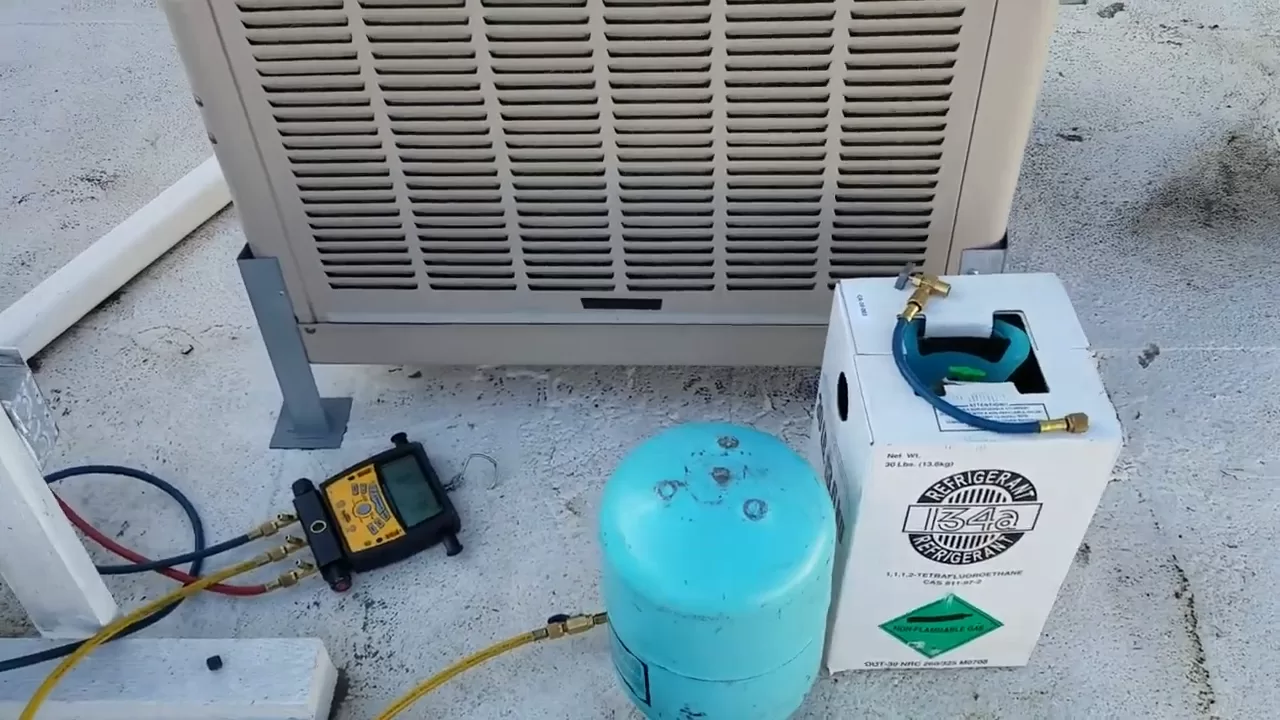
Preventive servicing typically includes cleaning condenser coils, checking refrigerant levels, inspecting seals, calibrating thermostats, and testing electrical connections. These steps help extend equipment lifespan and reduce unexpected downtime.
Impact on Business Operations
For businesses that rely on refrigeration, equipment failure is not just a technical problem — it is an operational risk. Restaurants may be forced to discard inventory, grocery stores may lose customer trust, and medical facilities may face compliance issues. Fast, accurate repair minimizes these risks and helps businesses return to normal operation quickly.

This is why many companies prefer working with service providers that focus specifically on commercial refrigeration rather than general appliance repair.
Conclusion
Commercial refrigerator repair is a specialized field that requires technical expertise, industry knowledge, and an understanding of business-critical equipment. Proper diagnosis, timely repairs, and ongoing maintenance all contribute to system reliability and operational stability.
For businesses that depend on refrigeration every day, professional servicing is not optional — it is a necessary part of protecting products, maintaining standards, and ensuring uninterrupted work processes.