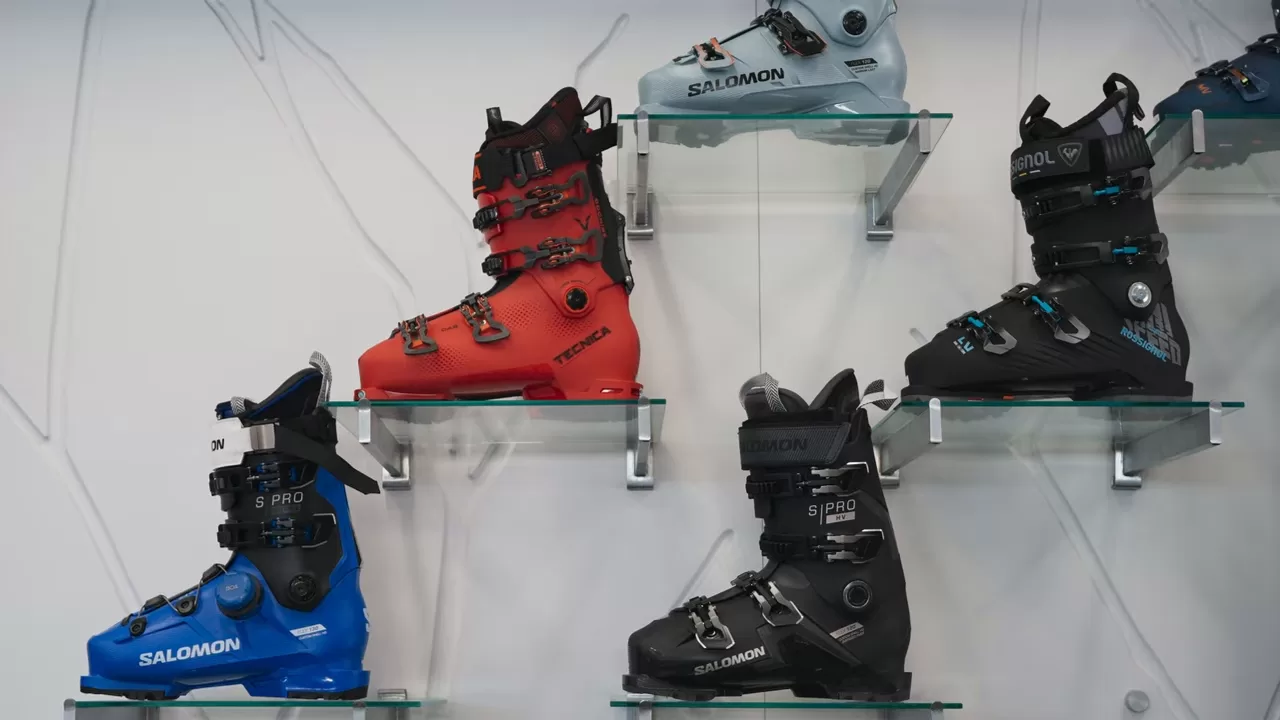
For many people, skiing begins as a simple curiosity — an attempt to try something new, spend time outdoors, or explore winter landscapes from a different perspective. But anyone who has skied more than once quickly understands that the sport depends not only on technique or weather conditions. The equipment, especially ski boots, plays a far larger role in the experience than newcomers might expect.
Ski boots are the main connection between the skier and the skis. They control movement, transfer weight, and help the skier maintain balance on uneven surfaces. Even small differences in stiffness, fit, or insulation can completely change how secure and confident a person feels.
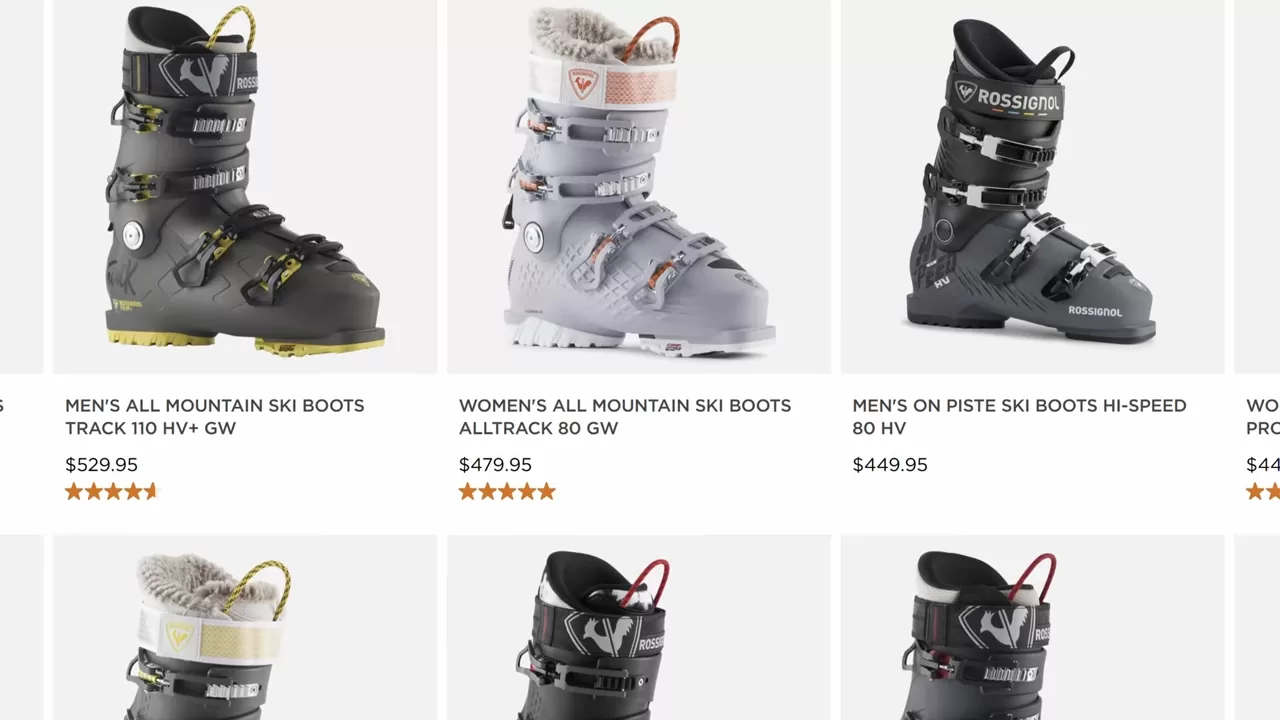
Because of this, choosing the right boots becomes one of the most important steps for anyone who wants to ski comfortably and safely.
Understanding What Makes Ski Boots Effective
A good pair of ski boots must satisfy several criteria at once. They should secure the foot firmly enough to provide control but remain comfortable during long hours on the snow. They need insulation to protect from cold, yet ventilation to prevent overheating. And they must remain durable despite repeated flexing and exposure to moisture.

When exploring what features matter most, people often look at informational pages that describe different models and design principles. For example, a resource like
https://izilearn.ru/index.php?r=novosti/sportivnye-lyzhnye-botinki
can offer a broad overview of how modern sports ski boots are structured and what elements define their performance. Such references help skiers understand the landscape before making a choice, without pushing them toward a specific brand or model.
Fit and Comfort: The Core of a Good Skiing Experience
No matter how advanced the boots are, they must fit correctly. Boots that are too loose reduce control and increase the risk of falls. Boots that are too tight cause pain, numbness, and fatigue. Finding a balance between security and comfort is essential because the boots work as an extension of the skier’s body.
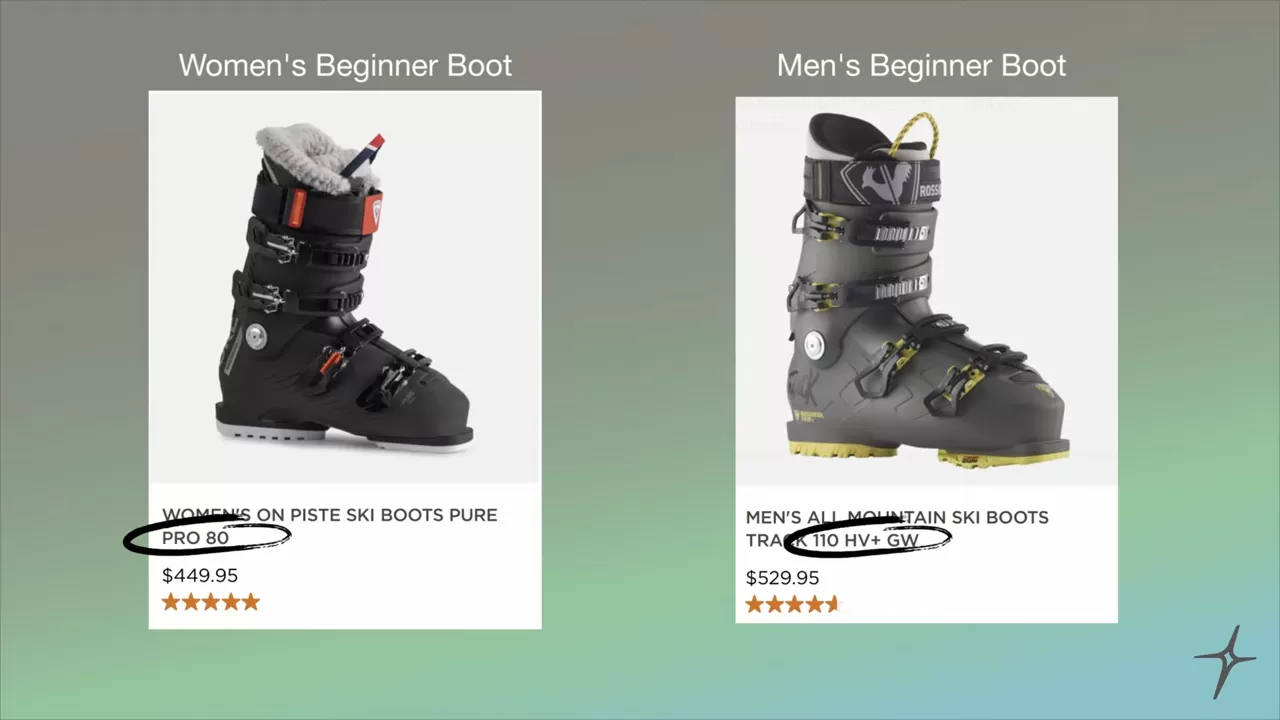
Modern ski boots often include customizable liners, adjustable buckles, and ergonomic shells that help adapt the fit to different foot shapes. This personalization improves both performance and enjoyment, especially on longer runs.
Support and Control on Various Terrain
Ski slopes are not uniform. Some sections are icy, some soft, some firm, and some unpredictable. Boots provide the stability needed to respond to these changes. Stiffer boots give more precise control, which is important for confident descents, while softer models allow smoother movement for beginners or recreational skiers.

The right level of support also helps reduce fatigue. When boots distribute force efficiently, the skier can maintain proper technique without overworking their legs.
Why Durable Construction Matters
Ski boots must withstand harsh conditions: cold temperatures, moisture, impacts, and constant bending. High-quality materials ensure the boots hold their shape and maintain performance over time. Reinforced buckles, sturdy shells, and reliable liners contribute to long-term durability.
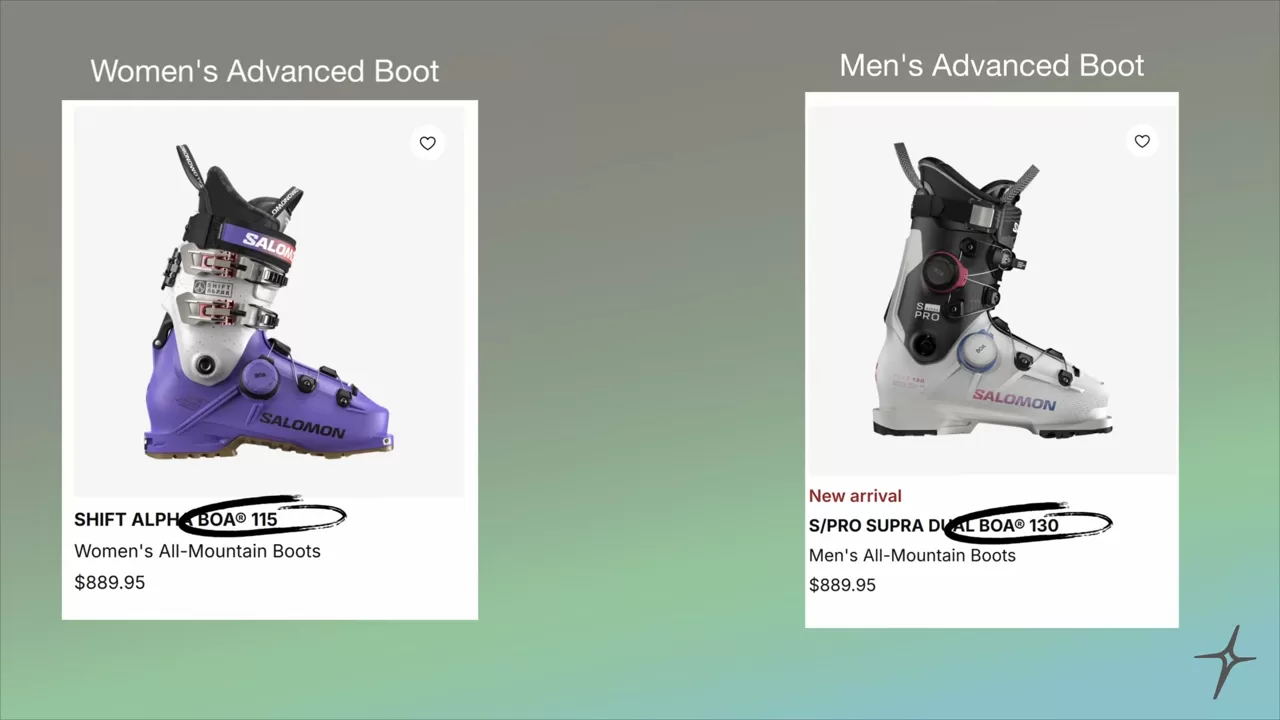
Small construction details — the placement of straps, the structure of the sole, the type of fastening — influence not only how long the boots last but how safe they feel during every turn.
A Long-Term Investment in Comfort and Safety
Many people underestimate how much ski boots affect the overall downhill experience. They determine how the body communicates with the skis and how naturally the skier moves across different terrain. Poorly selected boots can turn a promising day into a struggle, while well-chosen ones can make skiing feel intuitive and rewarding.
As more people discover winter sports each year, the importance of suitable equipment becomes clearer. Ski boots are not just another piece of gear — they are the foundation of confidence on the slopes.