For buyers searching for Traffic Door Canada, the hardest part is usually not finding a supplier. It is judging whether the supplier understands the working conditions behind the purchase. A specification can look acceptable on paper, but the wrong configuration can still create slow delivery, inconsistent results, or extra maintenance after installation.
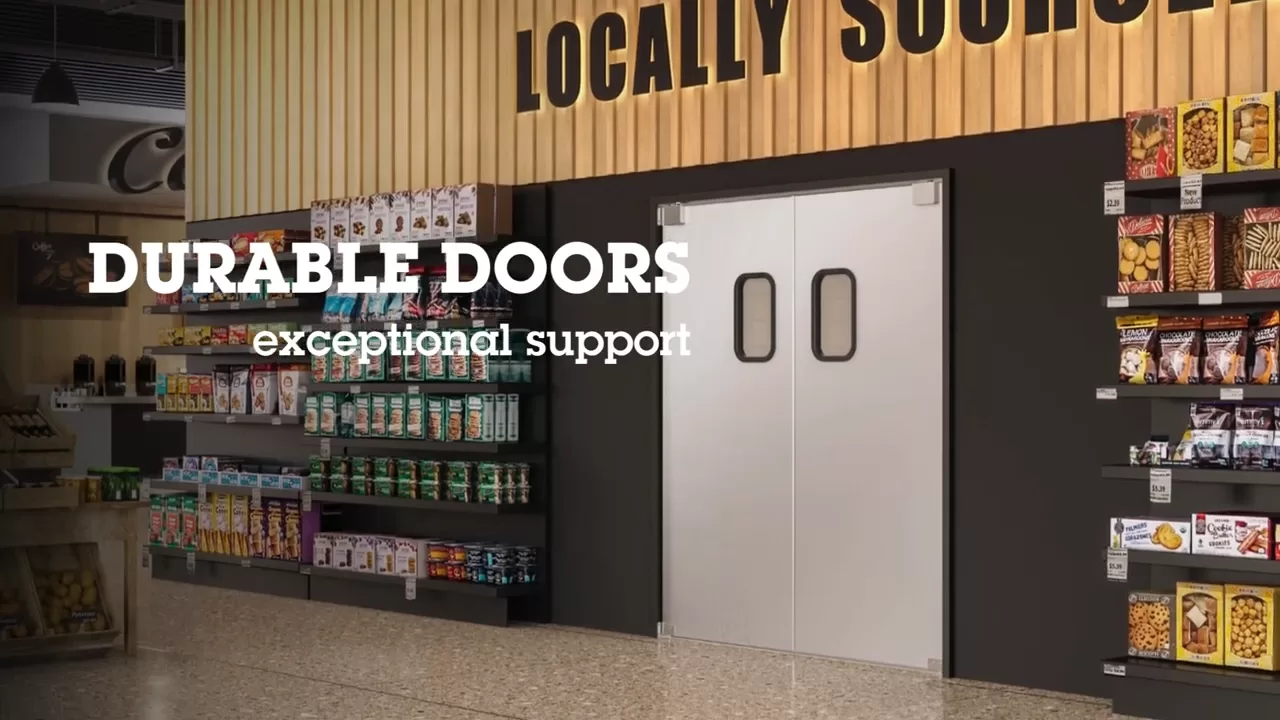
Industrial doors are not only openings in a wall. In warehouses, food plants and cold rooms, the right door affects traffic flow, hygiene, temperature control and maintenance workload.
Look at the use case before comparing quotations
A traffic door should be selected according to cart movement, forklift frequency, impact risk and cleaning requirements.
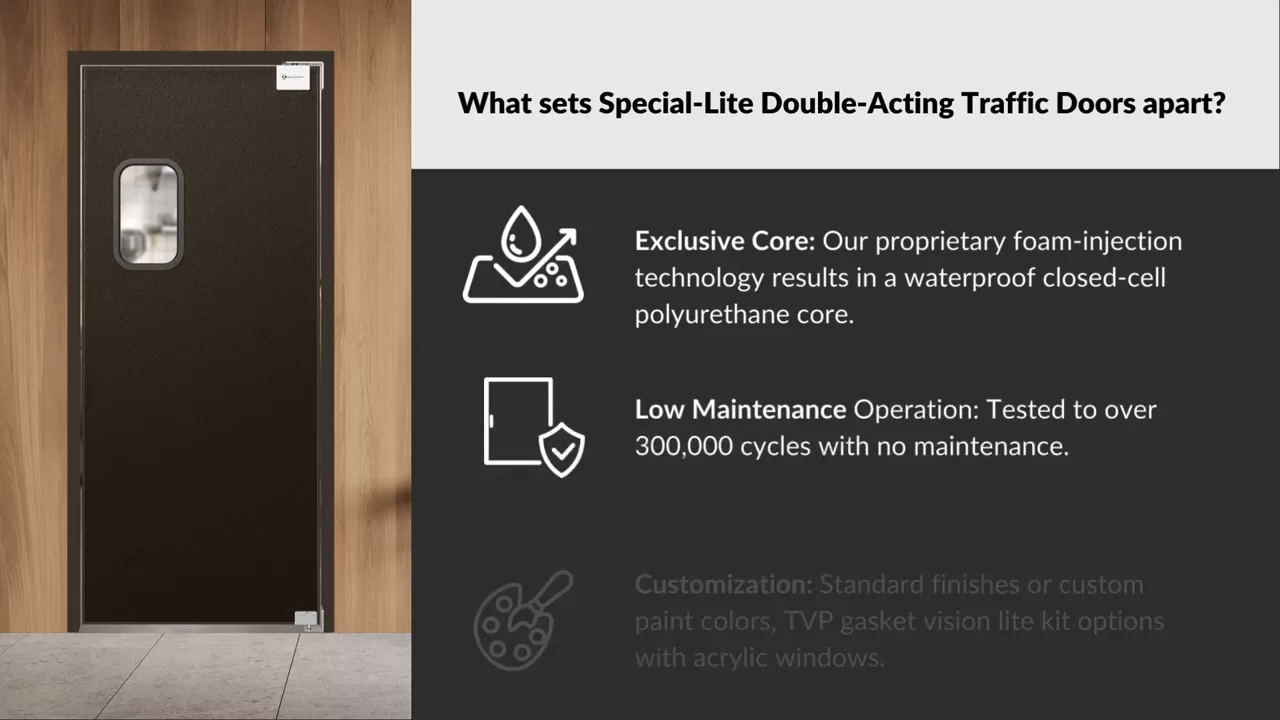
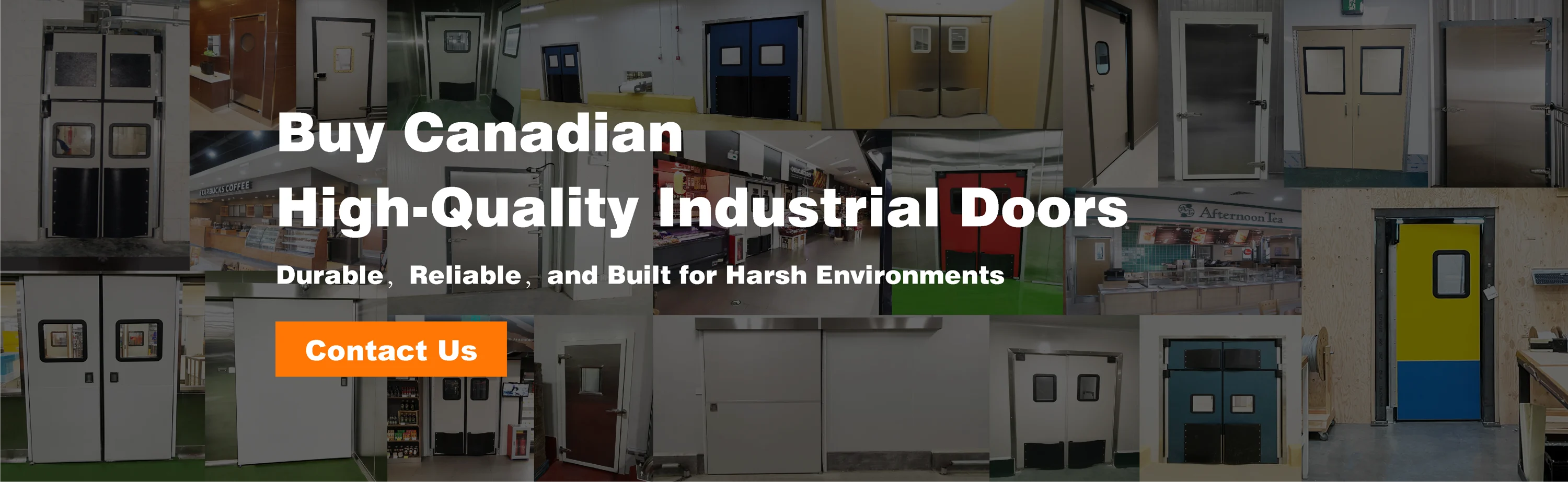
High speed doors, FRP doors and cold room doors solve different problems. Comparing them only by panel material can lead to the wrong choice.
What makes a supplier easier to work with
A practical supplier should ask about opening size, traffic direction, temperature difference, washdown needs and safety expectations.
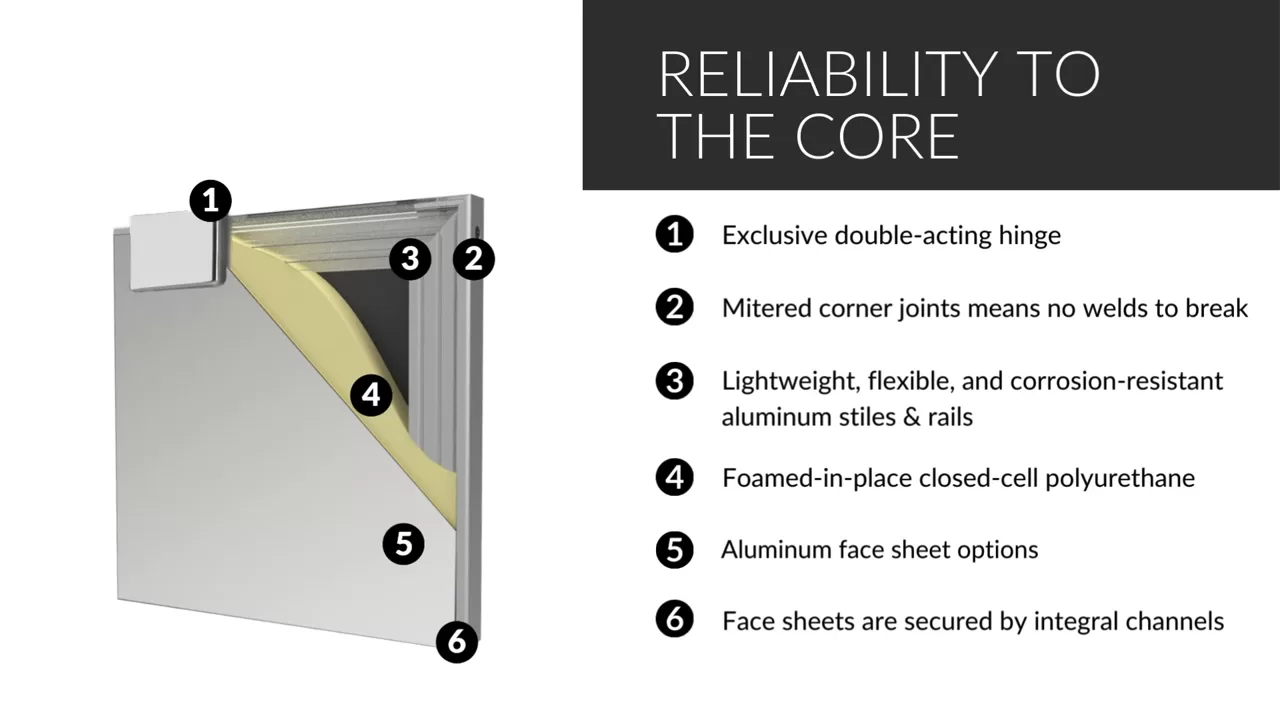
For Canadian facilities, durability in daily use and local support are often more important than small differences in initial door price.
A practical way to make the shortlist
Before asking for the final price, prepare the operating environment, target output, material information, tolerance requirements and after-sales expectations. This makes the conversation more specific and helps remove vendors that can only repeat catalog phrases.
Buyers can start with the company homepage at Traffic Door Canada | Fiberglass FRP Door | Cold Room & High Speed Door Manufacturer – TDK Doors and then review a relevant product or service page such as this related page. The best supplier is usually the one that asks several technical questions before offering a quick answer.
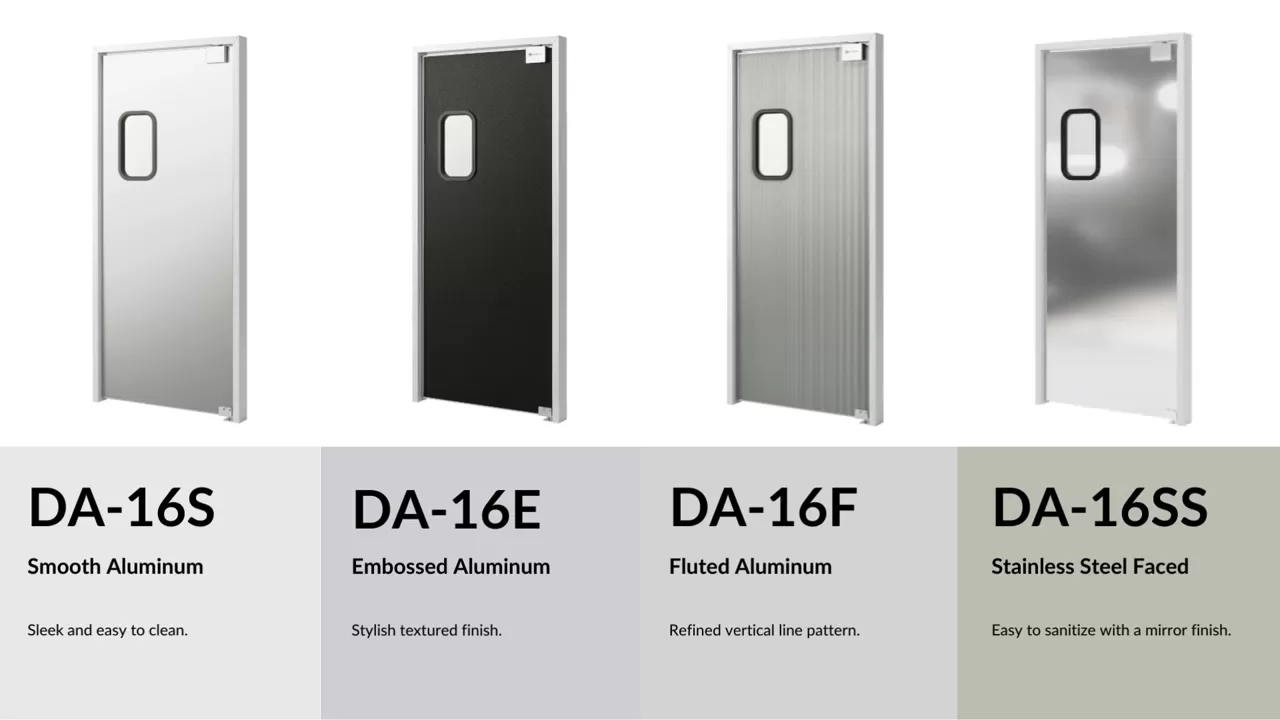
In short, the search should not end at a keyword match. A serious supplier should be able to explain why a certain model, material, component or service method fits the project. That explanation is often more useful than a low first quotation, especially for buyers who need stable quality over repeated orders.
Final buyer checklist
Ask for a clear specification sheet, real application photos, sample policy, lead time, packing method, warranty terms and the contact person who will handle technical questions after purchase. These small checks often reveal whether the supplier is prepared for serious long-term cooperation.
It is also worth comparing how each supplier responds to the same project brief. The answer that explains trade-offs is usually more valuable than the answer that only repeats a keyword or sends a price list.