
Choosing the right wood for a coffee table determines how well it handles daily use, how it ages visually, and whether it lasts years or decades. Hardwoods like oak, walnut, and maple consistently outperform softer options due to their strength, stability, and long-term durability.
For a deeper breakdown, see this guide on what wood is good for a coffee table.
What Types of Wood Are Used for Coffee Tables?
Hardwoods such as oak, walnut, and maple dominate coffee table construction because they resist dents and maintain structural integrity under daily use, while softwoods like pine are typically reserved for lower-cost or veneered furniture.

The key difference comes down to hardness and density. According to the Janka hardness test, woods above 1,000 lbf perform significantly better in high-contact environments like living rooms.
Common options include:
- Oak – Durable, widely available, strong grain character
- Walnut – Rich dark tones, slightly softer but premium aesthetic
- Maple – Extremely hard, clean and modern appearance
- Ash – Strong, flexible, excellent for stained finishes
- Pine – Soft, budget-friendly, prone to dents
What Makes a Coffee Table Wood Durable?
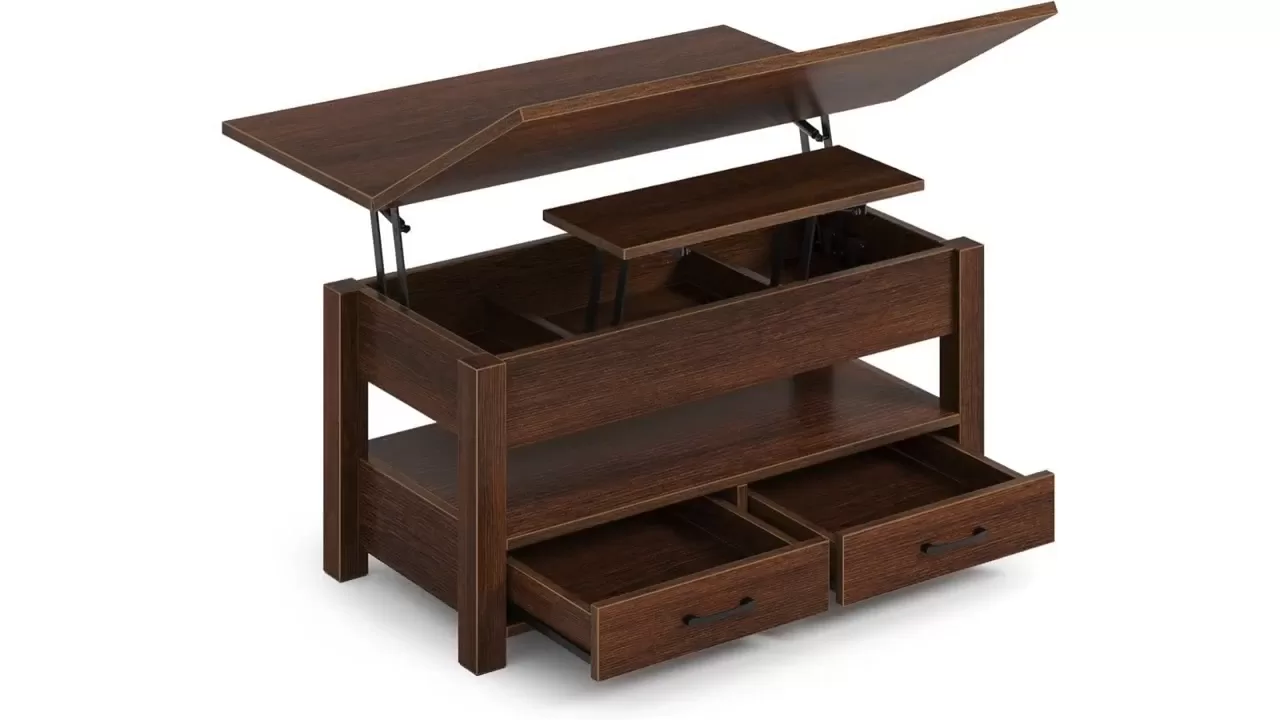
Durability in coffee table wood depends on hardness, stability, and resistance to environmental changes rather than just appearance or cost.
Hardness determines resistance to dents and scratches, while stability controls how well the wood resists warping over time. For example, hardwoods like maple and ash outperform softer woods because their fibre structure is denser and more resilient.
Durability also depends on:
- Resistance to moisture from spills
- Tolerance to heat from cups and plates
- Structural integrity under weight
- Ability to handle repeated impact
What Is the Best Wood Overall for a Coffee Table?
Oak stands out as the best all-round wood for coffee tables because it balances strength, stability, affordability, and visual appeal better than any other option.
Oak performs consistently across all key factors:
- Strong enough for everyday use
- Stable enough to resist warping
- Widely available, keeping costs reasonable
- Visually versatile across interiors

Walnut is often chosen for aesthetics, while maple is selected for maximum durability. However, oak remains the most practical choice for most households.
How Thick Should a Coffee Table Top Be?
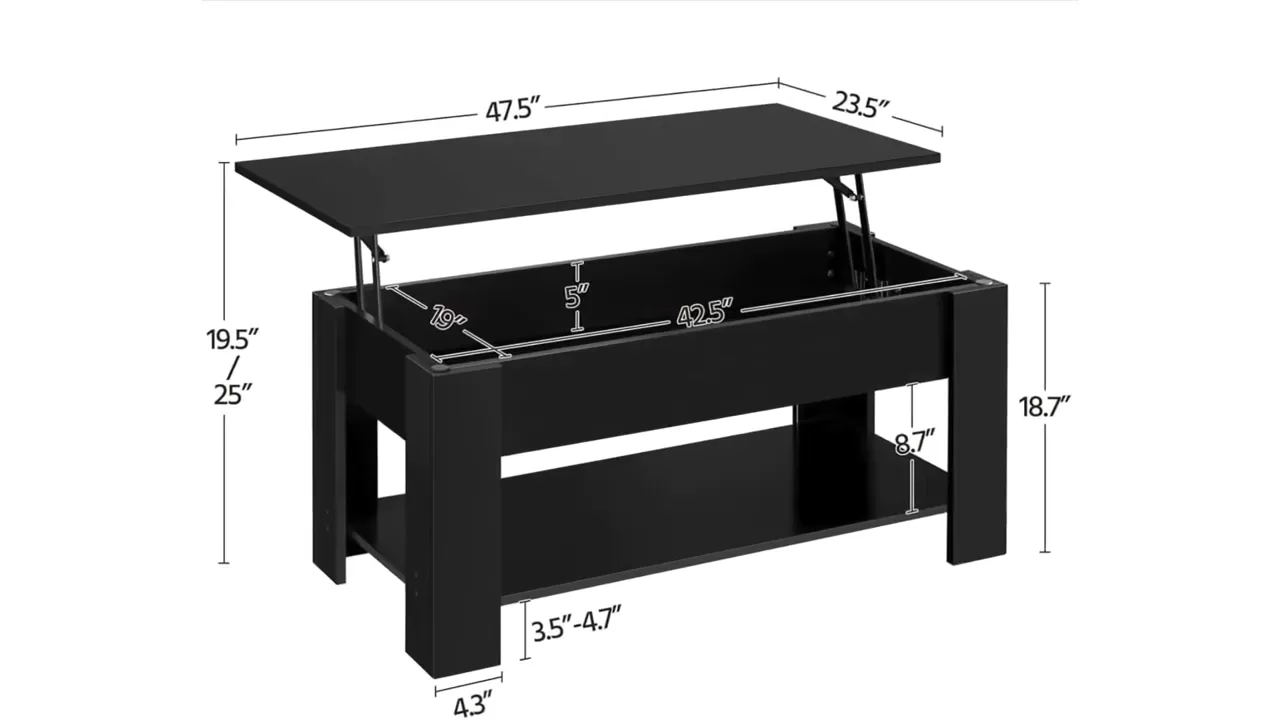
Coffee table tops should typically be between 28 mm and 38 mm thick depending on size, ensuring they resist sagging and maintain structural integrity over time.
General guidelines:
- Small tables (under 100 cm) – 25–30 mm
- Medium tables (100–130 cm) – 30–35 mm
- Large tables (130 cm+) – 35–45 mm
Thicker tops distribute weight more effectively and prevent long-term bending.
Which Wood Should You Choose for Your Needs?
The best wood depends on how you use your coffee table, your design preferences, and your budget rather than a single universal answer.

A practical way to decide:
- Choose maple or ash for maximum durability
- Choose walnut for darker, premium aesthetics
- Choose oak for the best all-round performance
- Avoid softwoods unless budget is the main constraint
From a materials perspective, hardwood performance differences are explained further in wood material properties.
Key Takeaways
- Hardwoods above 1,000 Janka rating offer the best durability
- Oak provides the most balanced performance for most homes
- Thickness is critical for preventing sagging
- Walnut suits aesthetics, maple suits durability, oak suits both
- Softwoods wear quickly under daily use