From Idea to Launch: How Microtasks Support Startup Growth
Startups rarely fail because founders don’t work hard. They fail because they work hard on the wrong things for too long. When you’re moving from an idea to something people will actually pay for, speed matters—and so does feedback. That’s where microtasks come in: small, well-scoped jobs you can hand off quickly to get real-world input, build momentum, and ship faster without committing to big hires.
Microtasks won’t replace core product work or strategy, but they can take a surprising amount of pressure off your team. Used well, they help you validate assumptions early, keep your backlog moving, and support lightweight promotion before you’re ready for a full marketing push.
What counts as a microtask?
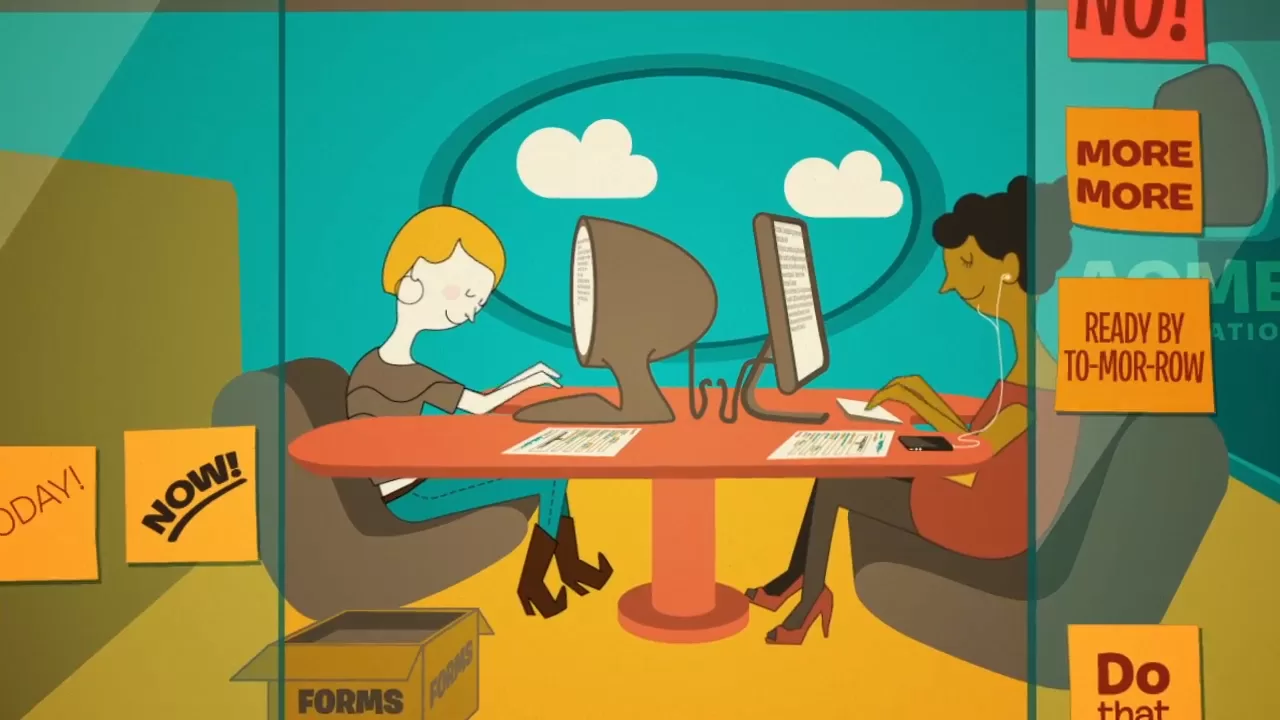
A microtask is short, specific, and easy to verify. It’s usually measured in minutes or a few hours—not weeks. The key is clarity: the person doing the work shouldn’t need deep context or ongoing meetings to produce a useful output.
Common microtasks for startups include:
- Finding and categorizing competitors
- Collecting lead lists from public sources
- Testing signup flows and reporting bugs
- Writing short product descriptions or app store blurbs
- Creating a set of social posts from a template
- Transcribing interviews or summarizing user calls
- Tagging support tickets and identifying repeated issues
Microtasks for validation: prove the problem before you build too much
Validation isn’t one big event; it’s a series of small checks that reduce risk. Microtasks help you run those checks quickly, without waiting until you “finish the product.” Here are practical ways to use them during early validation:
1) Market and competitor snapshots
Before you invest months into a solution, you want to know what people already use and what they complain about. A microtask here might be: “Identify 20 tools in this category, record pricing, target audience, and top 3 review complaints.” That gives you direction fast—and helps you avoid reinventing something saturated without a clear angle.
2) Lightweight customer discovery support
Founders should still talk to users directly, but microtasks can handle the prep and the cleanup:
- Compile a list of 50 potential interview candidates based on your criteria
- Draft outreach messages with a few variants
- Summarize call transcripts into themes and quotes
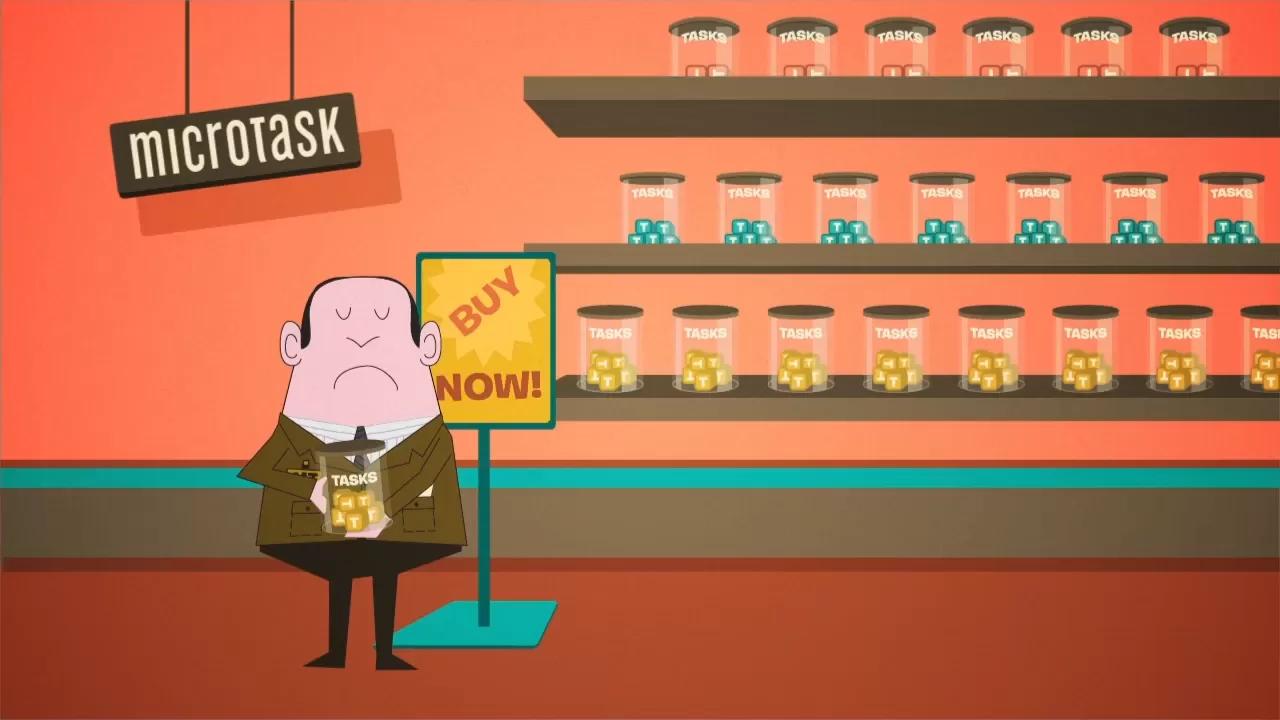
This keeps you focused on the high-value conversations while someone else does the repeatable work around them.
3) Landing page tests and copy iterations
If your landing page doesn’t communicate value in five seconds, your ads won’t matter. You can assign microtasks to generate headline variations, rewrite sections for clarity, or review the page as a first-time visitor and report what’s confusing. Small improvements compound, especially when you’re driving even modest traffic.
4) Usability checks before you scale acquisition
Nothing burns budget like sending traffic to a broken funnel. Microtask testers can run through your onboarding, note friction points, and capture screenshots. It’s not a full UX study—but it’s often enough to catch obvious issues before they become expensive.
Microtasks for promotion: show up consistently without burning out
Early-stage promotion is less about “big campaigns” and more about steady, repeatable visibility. Microtasks help you keep the flywheel turning—especially when you’re juggling product, fundraising, and customer support.
1) Content repurposing at startup speed
One strong idea can become many small assets. A microtask workflow might look like this:
- You record a 15-minute product demo or founder update
- Someone transcribes it, pulls key quotes, and drafts 5–10 social posts
- Another person turns it into a short blog outline or newsletter draft
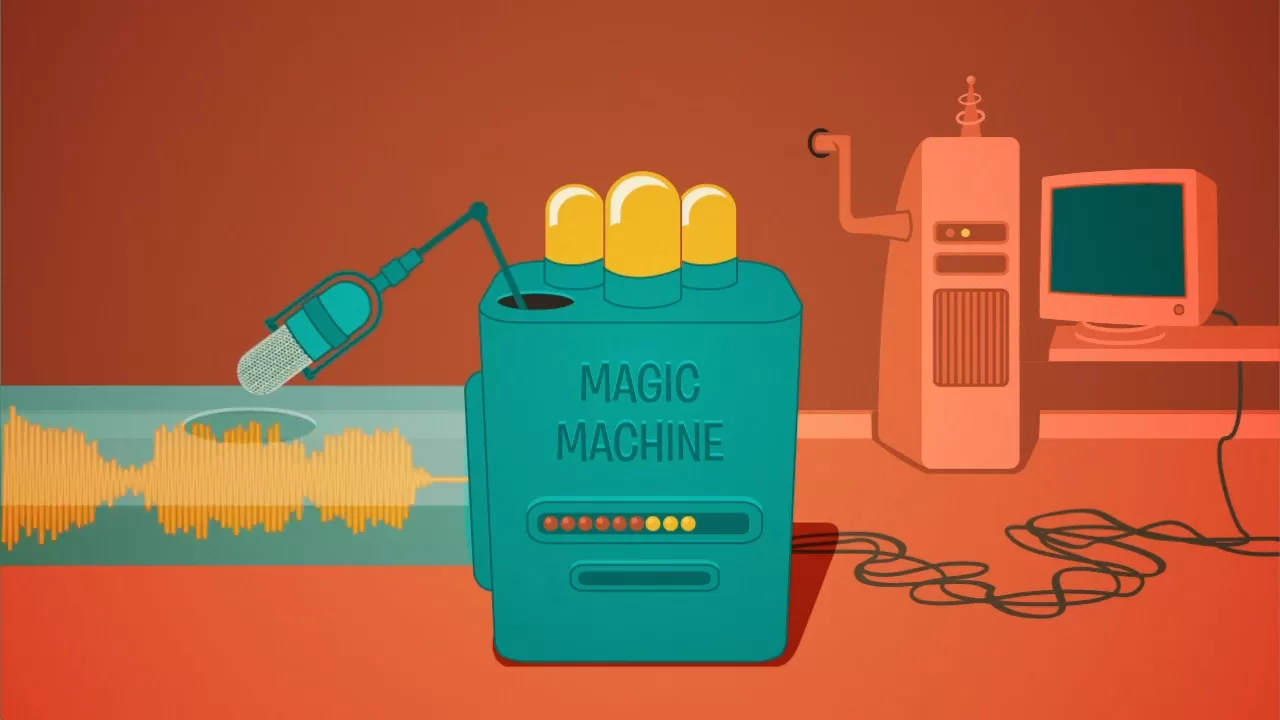
You stay the voice of the brand, while microtasks keep the distribution machine running.
2) Directory listings and community posting
Submitting to relevant directories, resource pages, and niche communities is time-consuming—and easy to procrastinate. Microtasks can handle research (where to post, formatting requirements) and even draft posts for your approval. You’ll want to review for tone and accuracy, but you won’t be starting from scratch every time.
3) Lead list building and outreach support
Outbound is often a volume game early on. Microtasks can compile targeted lists, verify email formats, and organize the data into your CRM or spreadsheet. You can then focus on personalization and closing conversations.
Where to hire online workers for microtasks (and what to watch for)
If you want to move quickly, it helps to hire workers online through platforms built for small, repeatable tasks. For example, RapidWorkers is one option founders use when they need quick help with simple online work without turning it into a long recruiting process.

If your tasks need a bit more creativity or specialized skill (like design tweaks, copywriting, or basic dev help), you can also look into freelance micro work marketplaces where individuals offer defined services that fit nicely into a microtask approach.
How to write microtasks so they actually work
Microtasks fail when they’re vague. The good news is that a little structure dramatically improves results.
- Define the output: “A spreadsheet with columns A–F filled out,” “A list of 30 headlines,” “A 2-minute screen recording with notes.”
- Provide examples: Show one “good” completed row or a sample post you like.
- Include acceptance criteria: What makes it done? What will you reject?
- Limit scope: If it takes more than a few hours, break it into smaller tasks.
- Use a short feedback loop: Start with one small batch, review quickly, then scale.
A realistic microtask stack for an early-stage startup
If you’re trying to go from “idea” to “launch” without drowning, here’s a simple way to structure a week of microtasks:
- Validation: competitor research + review mining + 10 usability tests of your landing page
- Acquisition prep: 100-lead list build + directory submission research
- Promotion: 10 social posts repurposed from one founder note + 1 newsletter draft
- Ops cleanup: tag and summarize support tickets or interview notes
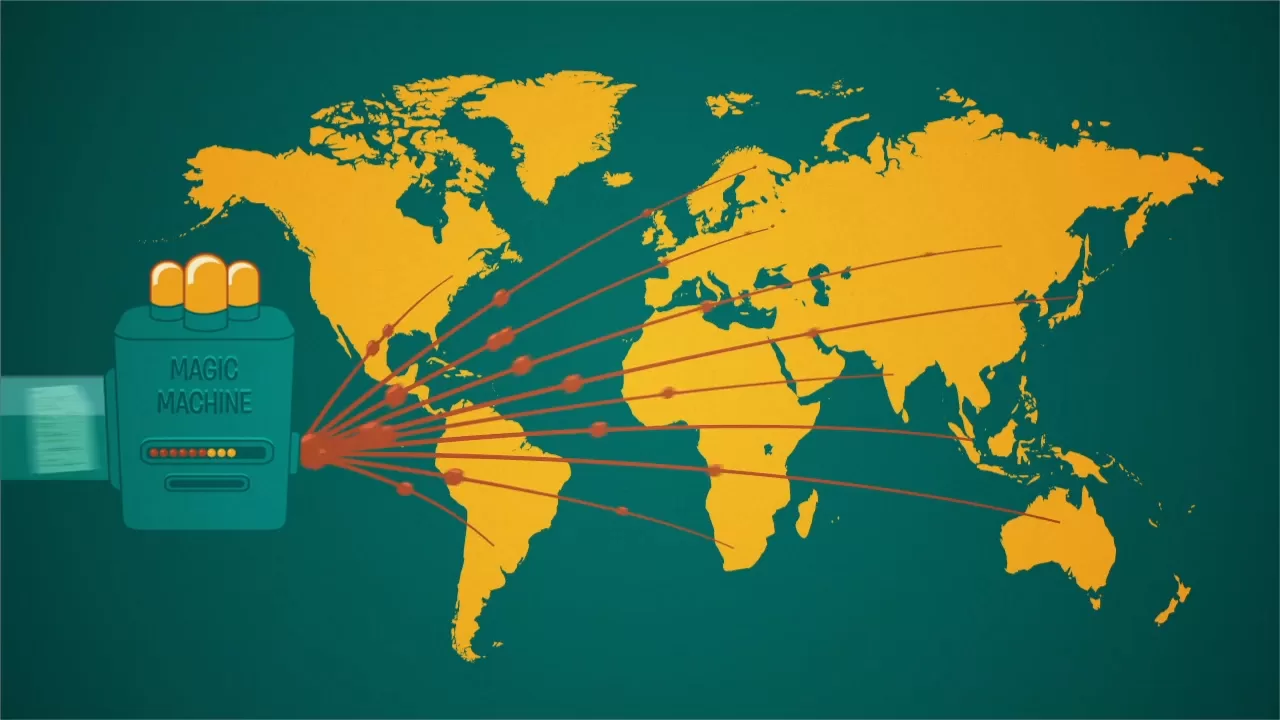
None of these replace your core work. They protect it—by keeping you out of low-leverage busywork.
Pitfalls to avoid
- Using microtasks to avoid talking to users: You can outsource the admin, not the learning.
- Over-optimizing too early: Don’t spend weeks polishing brand assets before you’ve proven demand.
- No QA process: Always review first batches and set clear standards.
- Letting tasks drift into “mini projects”: If it needs lots of back-and-forth, it’s not a microtask anymore.
Bringing it all together
Microtasks are a practical way to buy back founder time, run faster experiments, and stay consistent with promotion—without pretending you’re a fully staffed company. When you break big goals into small, verifiable outputs, you can validate what matters, fix what’s broken, and tell your story in public while the product keeps improving. That’s often the difference between a launch that’s a quiet whimper and one that has real traction behind it.