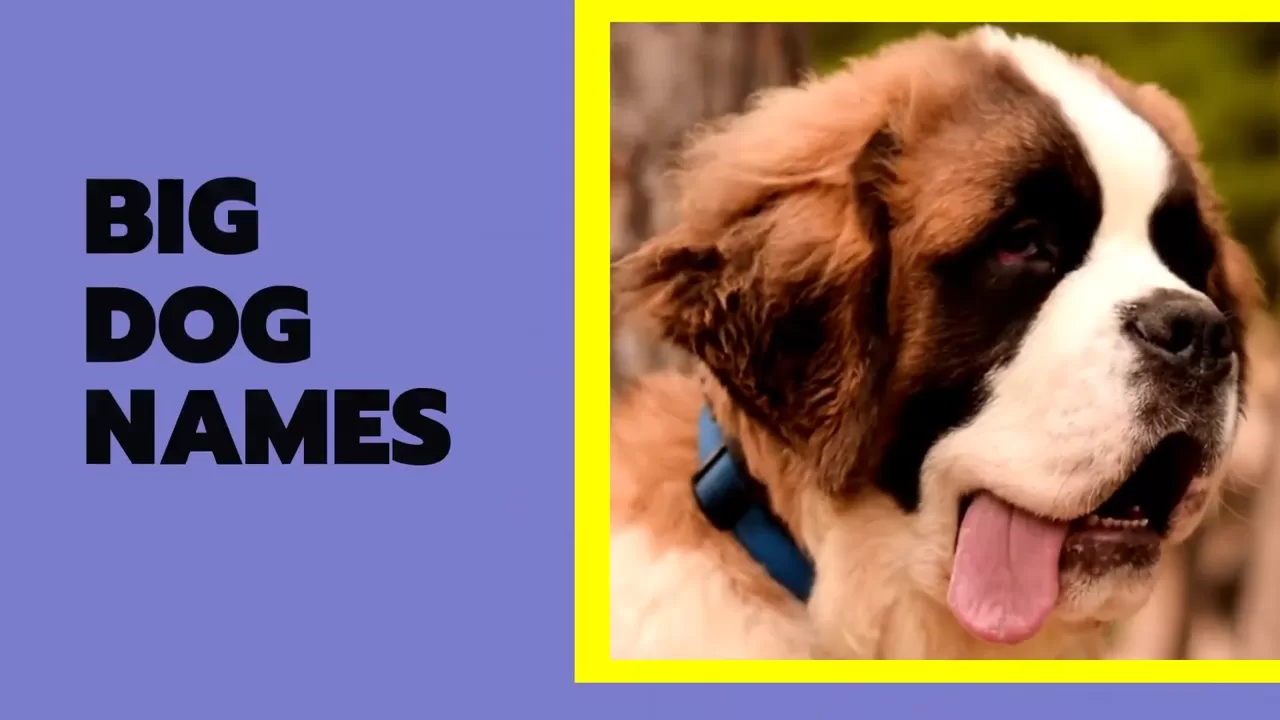
Selecting a name for a large dog requires careful consideration of personality, breed characteristics, and practical communication. On https://name-for-dog.com/, dog owners find comprehensive guidance on matching names to a dog’s size, temperament, and presence.
What Makes a Name Suitable for a Big Dog?
A suitable name for a large dog is clear, strong, and easy to pronounce. Big dogs, including breeds like German Shepherds, Great Danes, and Mastiffs, benefit from names that convey authority and memorability. Long, complex names may be confusing for training and daily interaction, while short, resonant names enhance recall and response.
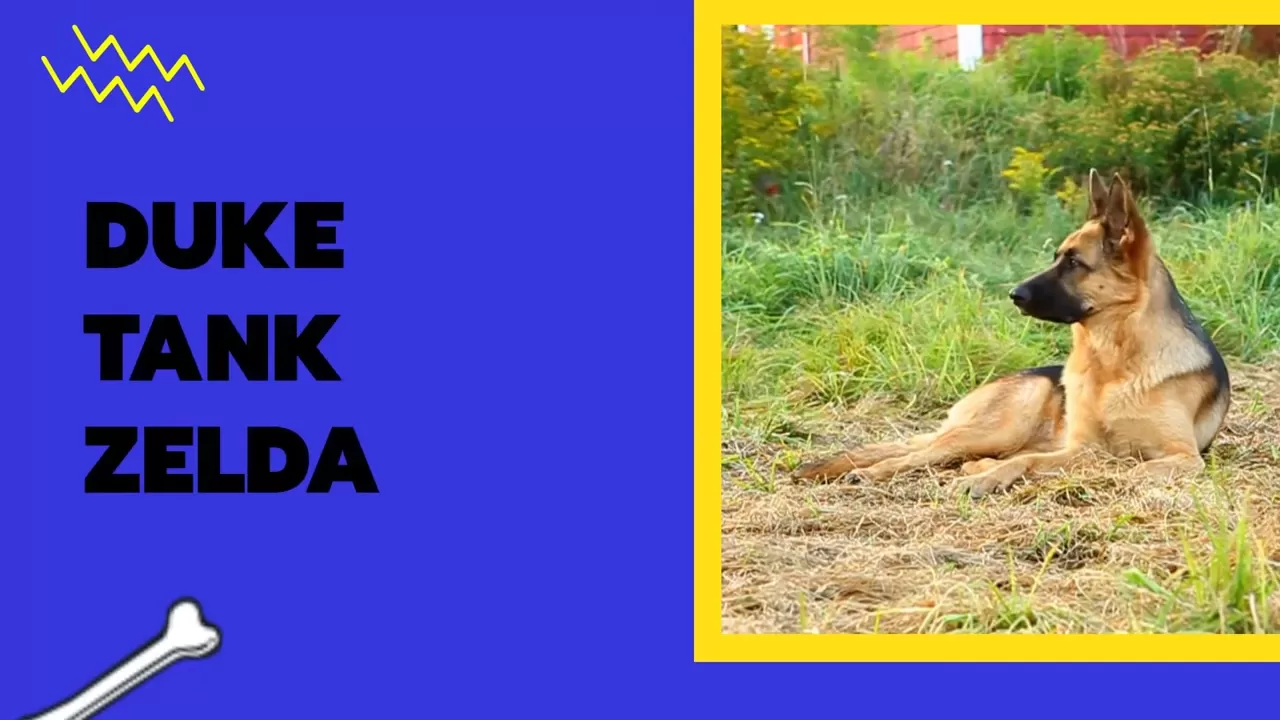
Large breeds often have commanding presence or protective instincts, so names that evoke strength, leadership, or majesty are particularly fitting. Examples include Titan, Brutus, Athena, and Maximus. In addition to consonant-heavy names that carry weight, vowel sounds can add softness and balance for more affectionate personalities.
How Do Breed and Personality Influence Name Choice?
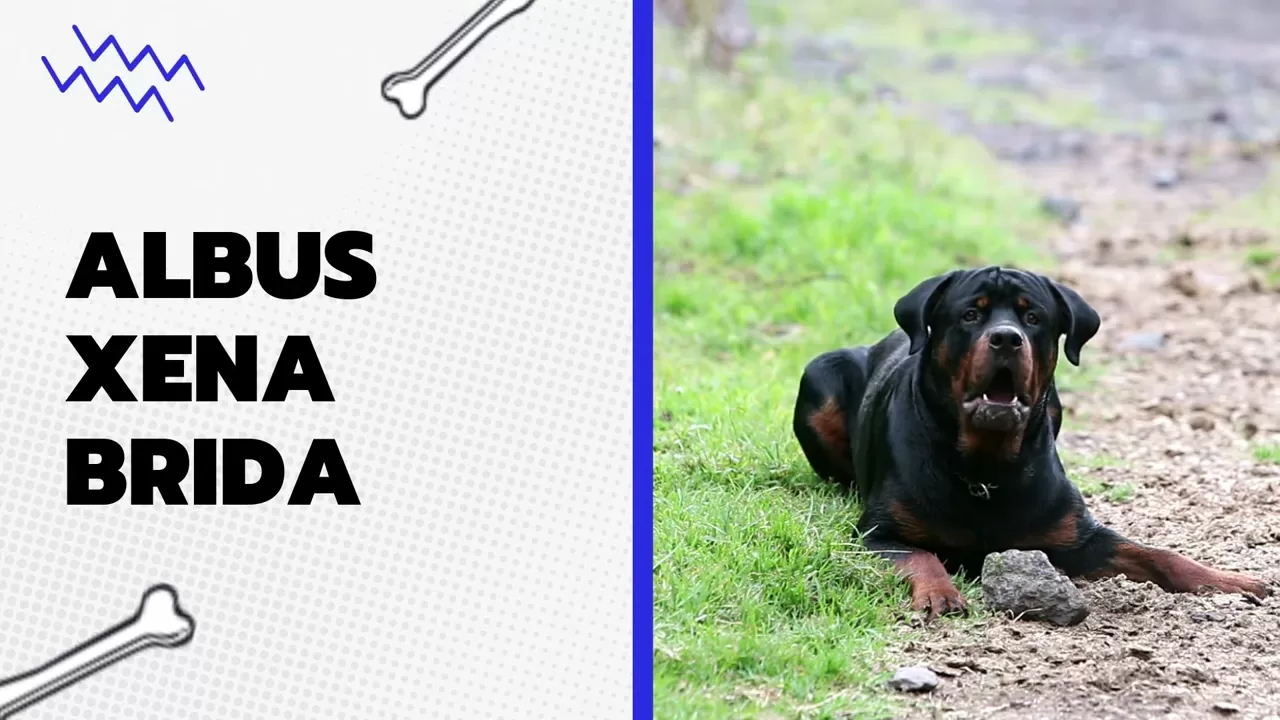
The selection of a name should account for both breed-specific traits and individual temperament. For working breeds such as Rottweilers or Belgian Malinois, authoritative names may reinforce obedience and structure. Companion or gentle giants, such as Saint Bernards or Newfoundland dogs, may suit warmer, approachable names like Teddy or Willow.

Research shows that dogs respond better to names with sharp consonants and a single accented syllable, improving recognition during training. Names reflecting coat color, markings, or notable behaviors—like Shadow for a dark-coated dog or Dash for an energetic canine—also reinforce identity and interaction.
How to Consider Practicality and Communication?
Practicality in naming a large dog involves ease of calling in open spaces and minimizing confusion with commands. Names that sound similar to training commands can reduce clarity, so avoid overlaps like “Kit” with “Sit” or “Bo” with “No.”

Phonetics play a critical role: names with strong consonants (T, K, B, R) and simple vowel structures are more distinguishable outdoors or in busy environments. This consideration is particularly relevant for dogs that frequently accompany owners in parks, urban settings, or during off-leash activities.
What Are Popular Categories for Big Dog Names?
Big dog names can be categorized into several clusters:
- Strength and Power: Titan, Thor, Brutus, Athena.
- Mythology and History: Zeus, Odin, Cleopatra, Caesar.
- Nature and Elements: Rocky, Storm, River, Bear.
- Personality and Behavior: Shadow, Dash, Joy, Sable.
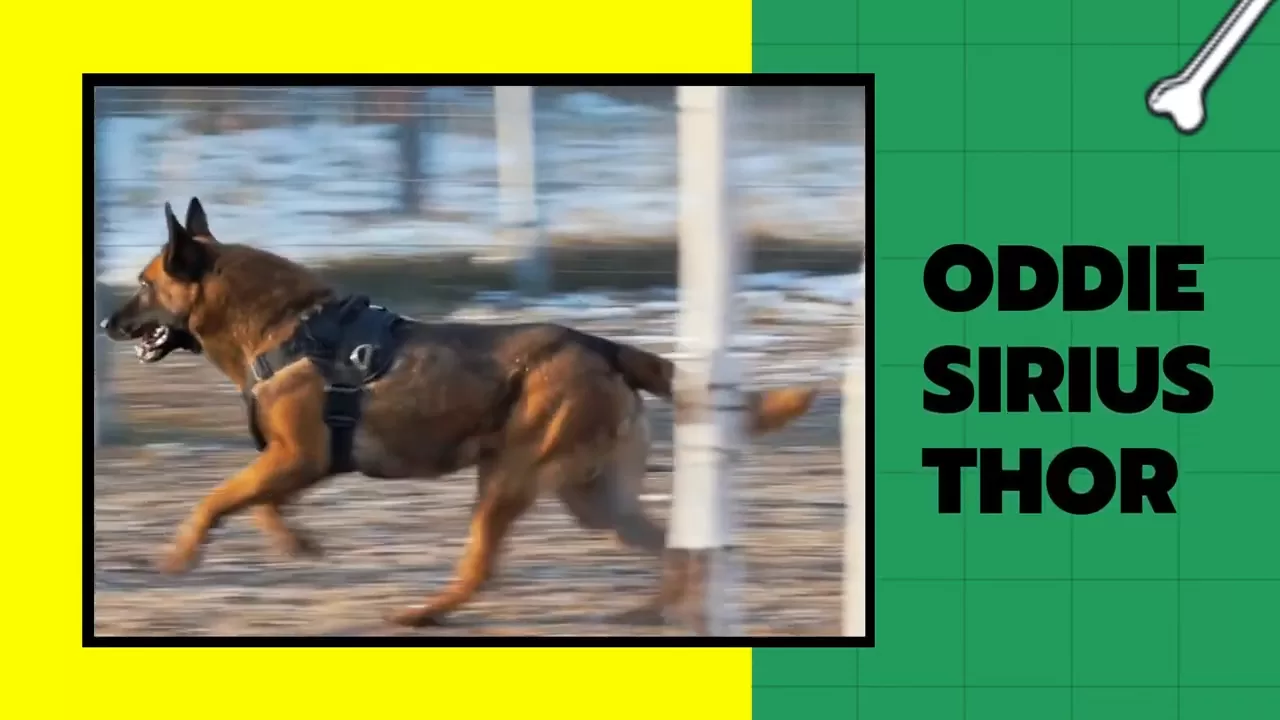
Each category aligns with different aspects of identity: physical presence, ancestral inspiration, environmental association, or temperament. Aligning the category with the dog’s profile increases the likelihood the name feels fitting over the dog’s lifetime.
How Do Cultural and Linguistic Factors Affect Naming?
Names may be influenced by cultural or linguistic preferences. For instance, short, one- or two-syllable names are often easier in English-speaking contexts, while some owners prefer international or historical names reflecting heritage or classical literature. This adds depth and memorability but should remain phonetically accessible for both the dog and household members.
Additionally, consistent spelling and pronunciation across family members, trainers, or social settings prevent miscommunication. Linguistic simplicity supports clarity in commands and social interaction with other dogs and humans.
How to Use Comparative Approaches in Name Selection?
Comparing potential names against practical criteria can aid selection. Consider these factors:
- Length and Syllable Count: Short names improve recall; two to three syllables balance uniqueness with clarity.
- Sound Strength: Names with plosive consonants reinforce alertness and response.
- Association: Names aligned with perceived dog traits increase owner satisfaction and natural fit.
- Uniqueness: Avoid overly common names in environments with multiple dogs to reduce confusion.
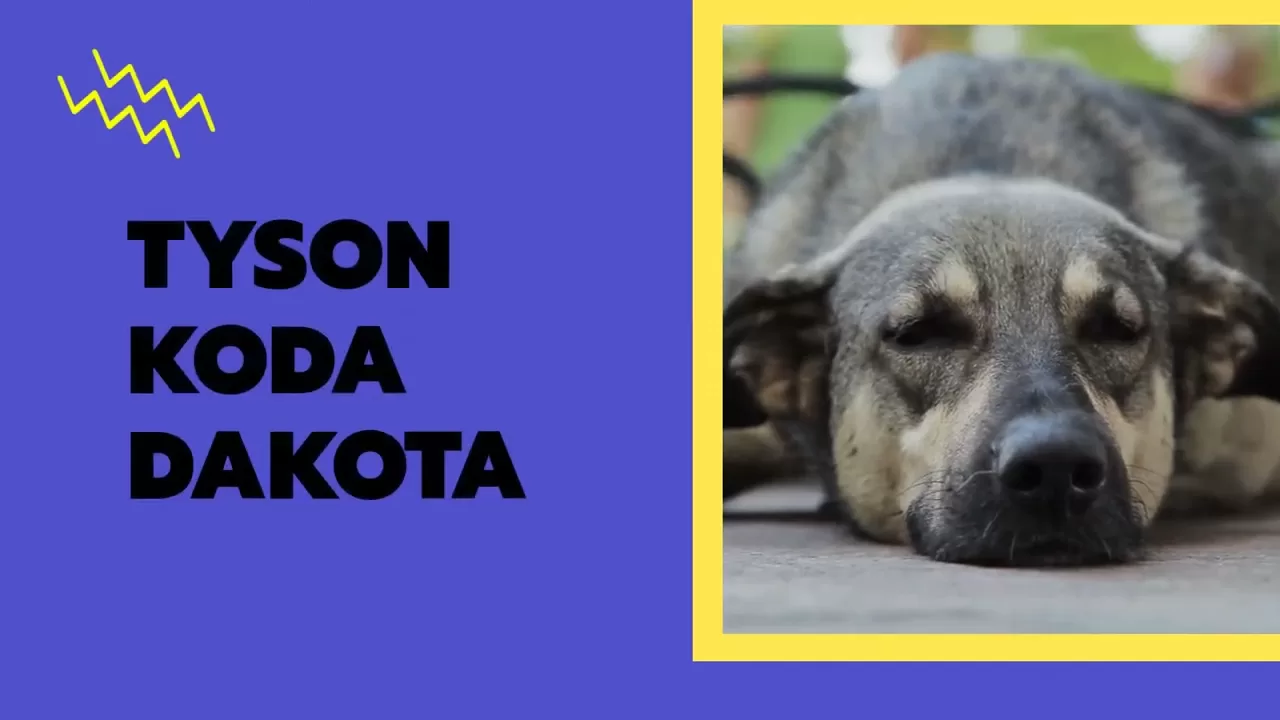
Owners often create a shortlist of 5–10 candidates, testing pronunciation and observing their dog’s response before finalizing.
Are There Hidden Considerations When Naming Big Dogs?
Several implicit factors impact long-term suitability:
- Adaptability to Life Stages: Names should age well as the dog matures from puppyhood to full size.
- Public Perception: Large breeds are often judged by name; intimidating or whimsical names may influence human interactions.
- Training Efficiency: Distinctive names reduce errors in recall and command execution, particularly in multi-dog households.
- Behavioral Reinforcement: Names that match energy or demeanor can subtly reinforce expected behavior patterns.

These hidden considerations are essential for owners who seek both functional and harmonious naming outcomes.
How Can Owners Incorporate Originality Without Sacrificing Clarity?
Balancing originality with clarity involves creating unique names derived from existing words, historical figures, or imaginative combinations. Examples include combining elements like “Stormbreaker” or adapting rare words such as “Valiant” or “Everest.”

Originality also extends to thematic consistency across multiple pets. Owners with several dogs often choose complementary names—like Odin and Freya, or Atlas and Gaia—maintaining cohesion while respecting individual traits.
Summary
Choosing a name for a big dog requires integrating breed characteristics, temperament, phonetics, and practical communication considerations. Strong consonants, simplicity, and resonance support recognition, while thematic and behavioral alignment enhance identity and owner satisfaction. Using insights from https://name-for-dog.com/ ensures a structured approach, combining research, practical experience, and authoritative guidance for selecting a name that endures alongside a large dog’s life.