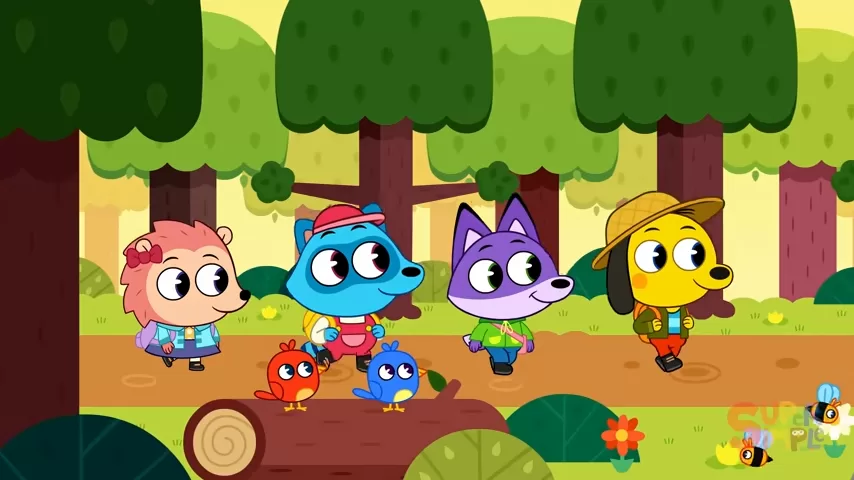
Choosing a summer camp is never just about dates and prices. For parents, it is a meaningful decision about where their child will spend precious weeks of summer — who will guide them, how they will be supported, and what kind of memories they will take home.
For children, camp is an entire world of its own: new friends, new experiences, growing independence, and moments of discovery that often stay with them for years. A good camp becomes more than a vacation. It becomes a place where confidence grows, social skills develop, and childhood feels rich and alive.

Modern camps have changed a lot over the years. Today they focus not only on entertainment, but also on emotional comfort, personal development, and creating a warm community where every child feels seen.
Why Summer Camp Matters for Children Aged 7–14
Between the ages of seven and fourteen, children go through major emotional and social development. They learn how to communicate, cooperate, express themselves, and handle new situations. Camp provides a natural environment for all of this.
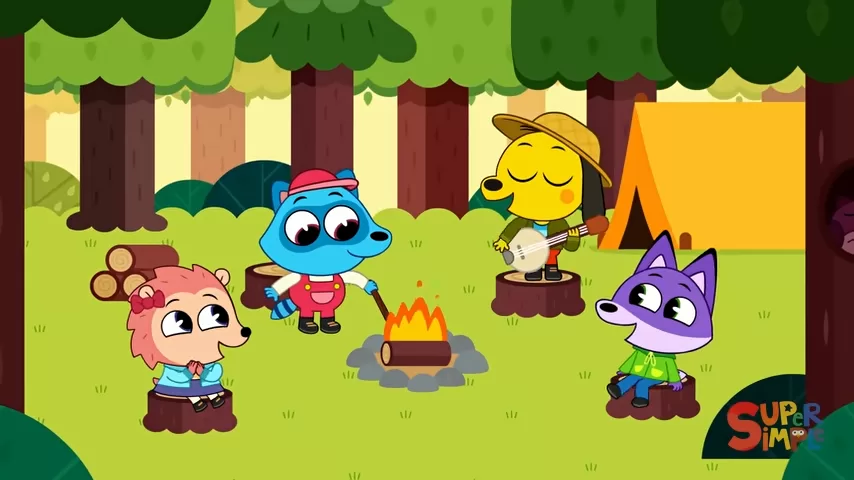
Away from familiar routines, kids learn to:
- build friendships independently
- take responsibility for small daily tasks
- participate in group activities
- try new hobbies without pressure
- gain confidence in unfamiliar settings
This kind of experience is difficult to recreate at home or in school. Camp offers a safe space for growth, supported by caring adults and surrounded by peers.
What Parents Should Look for When Choosing a Camp
Every parent wants the same thing: for their child to be happy, safe, and inspired. While each family has its own priorities, there are several universal factors worth considering.
Safety Comes First
A quality camp always prioritizes safety. This includes secure grounds, trained staff, medical supervision, and clear daily routines. Parents should feel confident that their child is supervised, supported, and protected at all times.

Professional counselors and educators understand how to work with children of different ages and temperaments. They notice emotional changes, help resolve conflicts, and provide comfort when homesickness appears — which is completely normal during the first days.
A Balanced Program of Activities
The best camps offer structured days filled with diverse experiences: sports, creative workshops, team games, outdoor exploration, and themed events. Variety allows each child to find something they enjoy.
Some kids love active games, others prefer drawing, acting, or building projects. A well-designed program gives room for all personalities, helping children discover new interests while still feeling comfortable.
A Supportive Atmosphere
Perhaps the most important element is emotional climate. Children thrive in environments where kindness, respect, and encouragement are part of daily life.

Counselors play a central role here. They don’t simply organize activities — they build trust, help children adapt, and create a sense of belonging. Many campers remember their counselors long after the summer ends.
Camp Today: More Than Just Recreation
Modern children’s camps focus on development as much as entertainment. Through games and group projects, kids practice communication, teamwork, leadership, and problem-solving — all in a natural, playful way.
These “soft skills” are becoming increasingly important in school and later in life. Camp introduces them gently, without pressure or formal lessons.

Children learn to express ideas, listen to others, support teammates, and celebrate shared achievements.
Helping Parents Make an Informed Choice
Before booking a session, it’s helpful to explore the camp’s philosophy, daily schedule, and approach to working with children. Talking with your child about expectations also matters — it helps reduce anxiety and builds excitement.
Many parents begin their research online, reviewing programs and learning about camp values. On https://bf-camp.ru, families can explore session formats, activity descriptions, and the overall approach to creating meaningful summer experiences.
This kind of transparency helps parents feel confident about their decision.
The Role of Counselors: The Heart of Every Camp
Facilities and programs matter — but people matter more.
Counselors shape each child’s experience. They guide activities, encourage participation, resolve misunderstandings, and provide emotional support. Great counselors balance authority with warmth, becoming trusted mentors and friends.

For children, this relationship is powerful. It gives them someone to turn to, someone who notices their progress, and someone who celebrates their achievements.
Daily Comfort: Food, Rest, and Living Conditions
Comfortable living conditions contribute greatly to a child’s well-being. Nutritious meals, sufficient rest time, clean accommodations, and predictable routines help kids feel secure and energized.
A healthy balance between active play and quiet moments allows children to recharge and fully enjoy their days.
What Children Bring Home After Camp
Parents often notice changes when their child returns:
- increased confidence
- stronger social skills
- greater independence
- stories of teamwork and friendship
- excitement about new hobbies
Beyond souvenirs and photos, kids bring home experiences — emotional growth, resilience, and memories that shape their sense of self.

These outcomes are among the most valuable aspects of camp life.
Why Planning Ahead Makes Sense
Popular camps tend to fill up early. Planning in advance gives families time to choose the right session, prepare their child emotionally, and organize everything calmly.
Early preparation also allows parents to involve their child in the decision-making process, helping them feel ownership over the experience.
Final Thoughts
A children’s camp is not just a way to fill summer weeks. It is an opportunity for growth, connection, and joyful discovery.
When thoughtfully chosen, camp becomes a place where kids learn to trust themselves, build friendships, and explore their potential — all while having fun.
For parents, selecting the right camp means investing in their child’s happiness and development. And for children, it often becomes one of the brightest chapters of childhood.